

Are you facing frequent kiln lining failures? Are product defects creeping in due to inconsistent firing conditions? You're not alone. In ceramic manufacturing, especially in high-volume production environments, kiln lifespan and thermal stability directly impact quality consistency and cost efficiency.
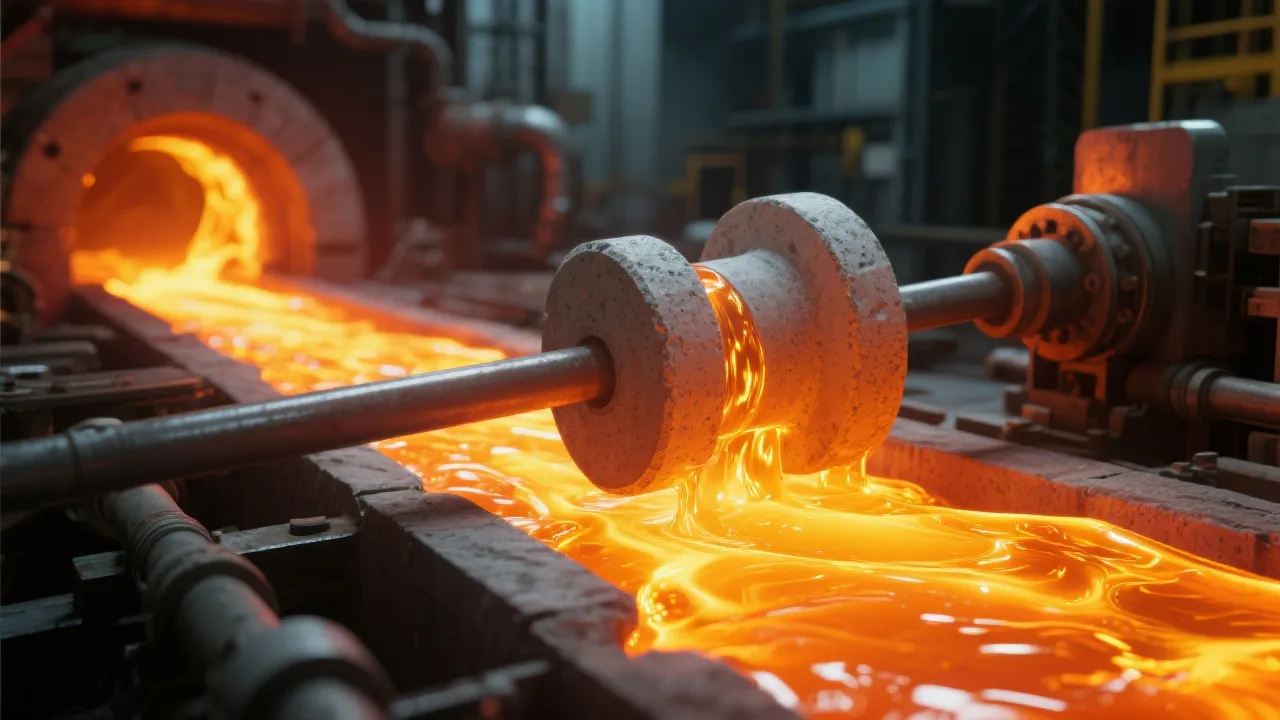
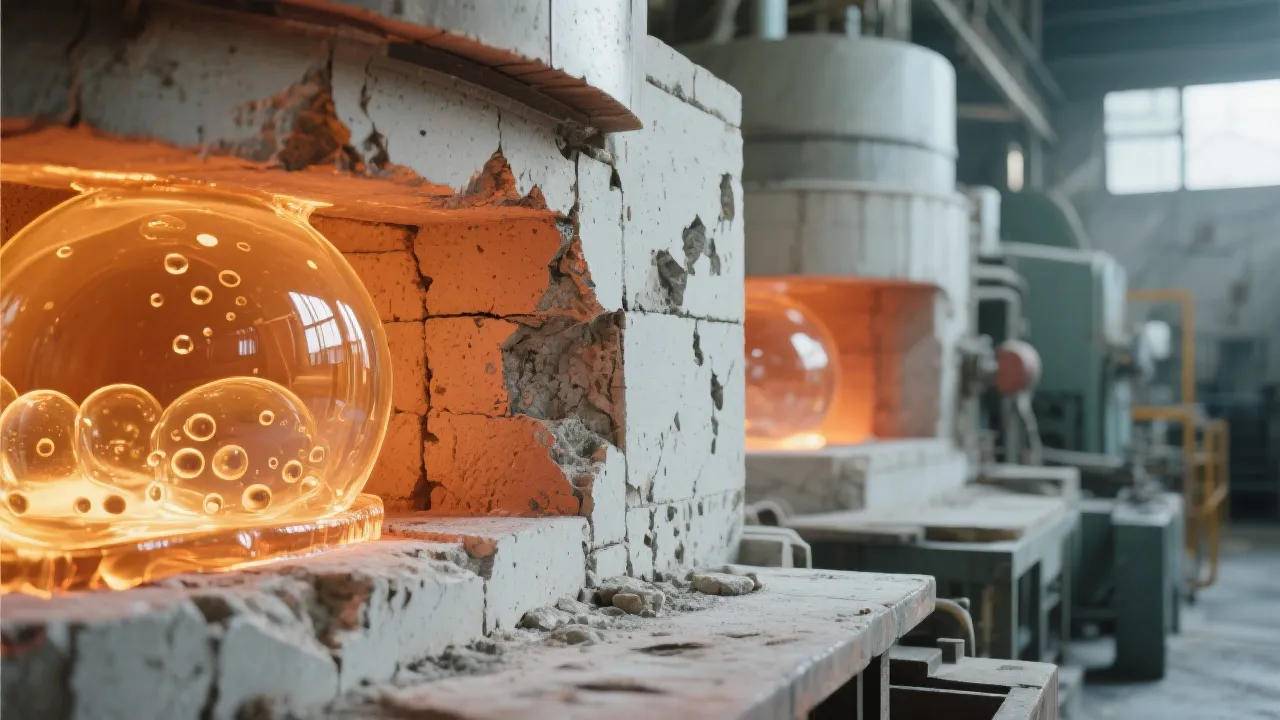
Many ceramic producers underestimate the chemical erosion caused by acidic or basic slags and molten glass at temperatures above 1,400°C. Traditional firebricks—like clay or high-alumina bricks—can degrade within 6–12 months under aggressive conditions. This leads to:
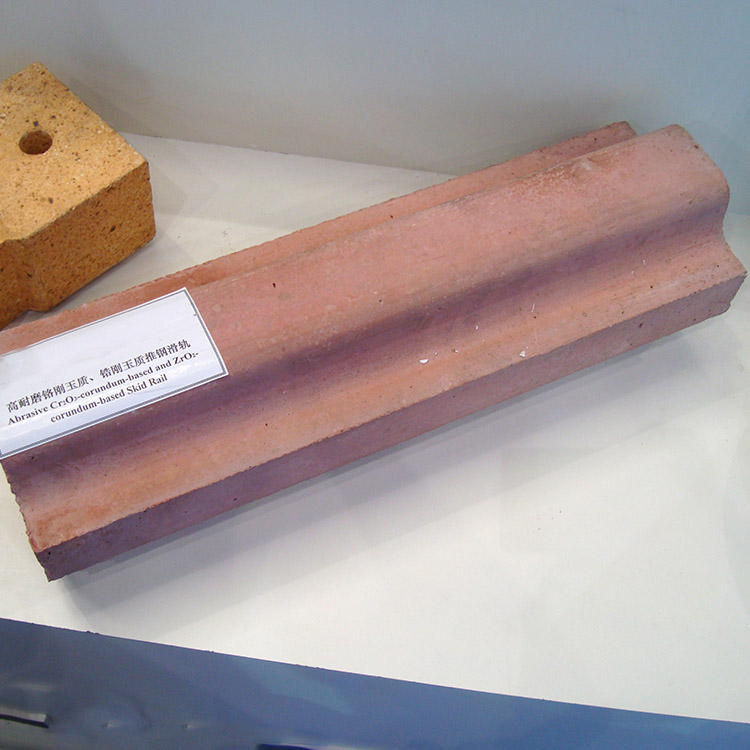
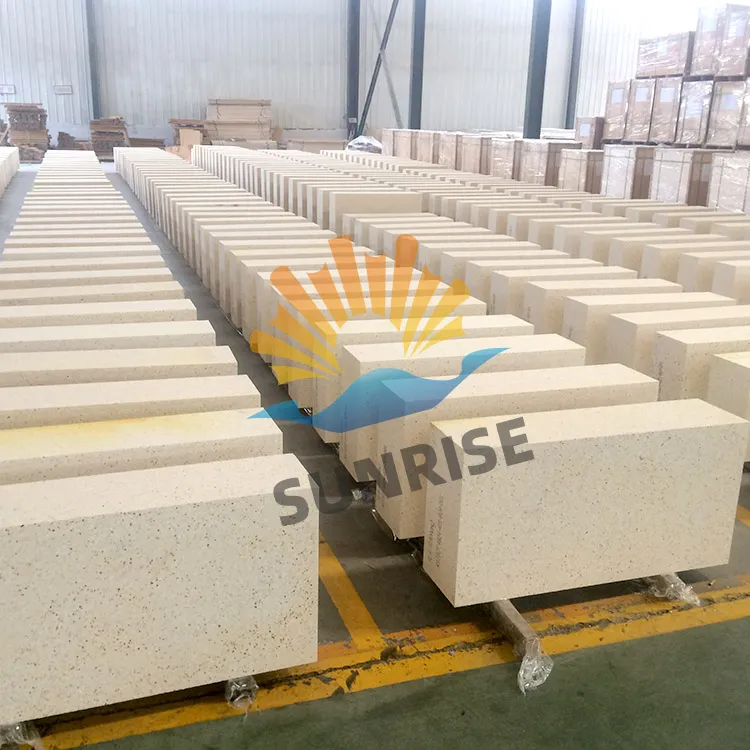
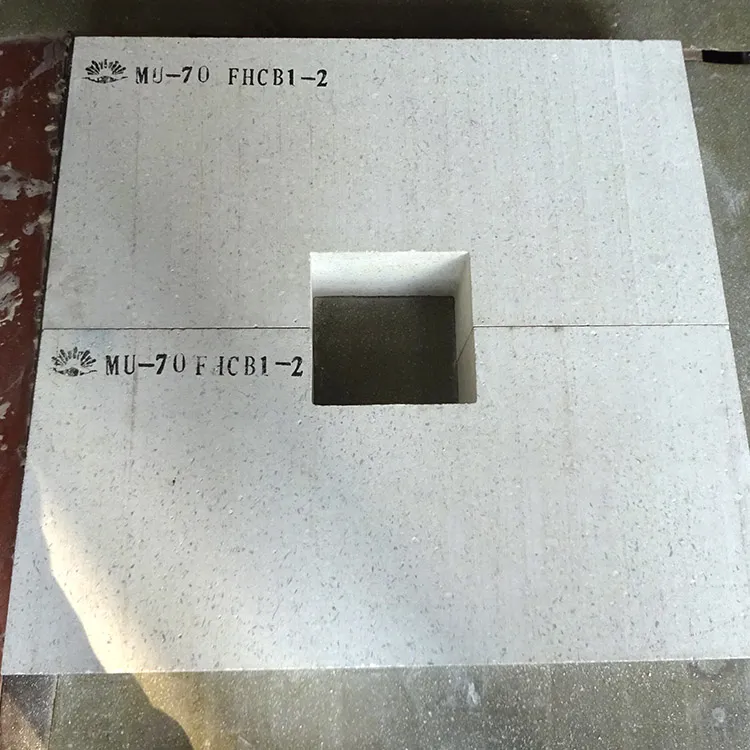
Alumina brick (with >90% Al₂O₃ content) offers superior resistance to both acid and alkali attack—even at 1,700°C+. Unlike standard bricks that spall or react with fluxes, alumina bricks maintain structural integrity, reducing maintenance cycles by up to 60%. One client in Italy reported a 2.3x increase in kiln life after switching from traditional fireclay to fused alumina brick in their tunnel kiln.
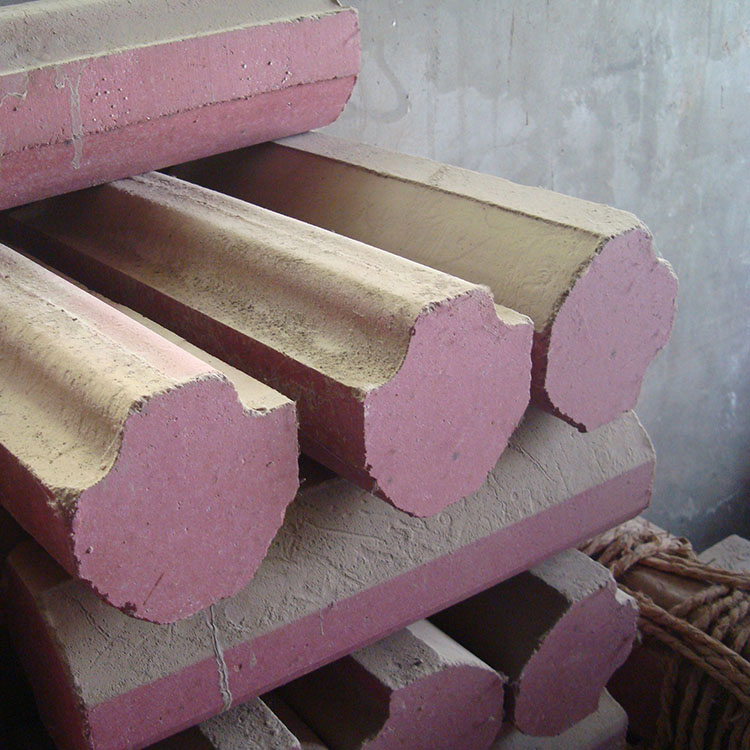
“After installing alumina bricks in our 30-meter continuous kiln, we saw a 40% drop in unplanned shutdowns over six months. Our defect rate fell from 8% to 2.3%.” – Maria Lopez, Plant Manager, Spain-based Tile Manufacturer
For smaller producers, even partial upgrades—such as replacing only the hottest zones—can yield immediate ROI. A 2023 study of 47 ceramic facilities found that using alumina bricks in critical areas reduced total operating costs by an average of $12,000/year per kiln.
Whether you run a single kiln in a boutique ceramics workshop or a multi-line factory in China or Mexico, we provide technical support—from material selection to installation guidance. No more guesswork. Just proven performance tailored to your process.
You don’t need to accept constant wear-and-tear. With alumina brick, your kiln becomes more durable, your products more consistent, and your operations more profitable.
Get a free technical consultation and sample kit tailored to your kiln type and firing profile.
Explore Alumina Brick Solutions Now



.jpg?x-oss-process=image/resize,h_1000,m_lfit/format,webp)

.jpg?x-oss-process=image/resize,h_1000,m_lfit/format,webp)



.jpg?x-oss-process=image/resize,h_1000,m_lfit/format,webp)
