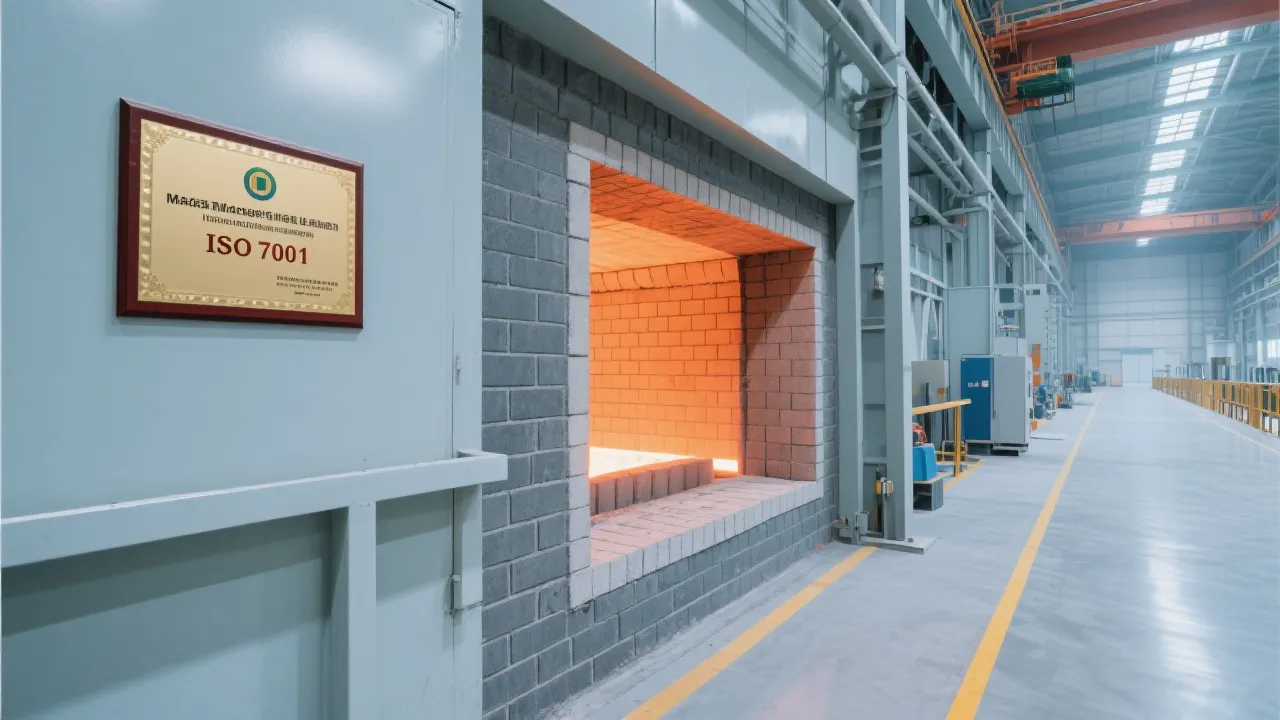
Choosing High-Performance Refractory Materials for Ceramic Kilns: Alumina Brick Advantages and Comparisons
06 01,2026
Sunrise
Product Comparison
Selecting the right refractory material for ceramic high-temperature kilns is crucial to maximizing kiln lifespan and product quality. Alumina bricks stand out with excellent wear resistance, chemical corrosion stability, and enduring performance above 1700°C, making them ideal for demanding ceramic kiln environments. This article examines alumina bricks’ key physical and chemical properties, compares them with traditional refractory bricks, and presents real industrial case studies demonstrating improved operational stability, higher yield rates, and reduced maintenance costs. Data-driven analysis and comparative charts guide ceramic manufacturers in making informed decisions tailored to different production scales.
How to Choose the Right Refractory Material for Ceramic High-Temperature Kilns? Alumina Bricks Performance & Advantages Comparison
Selecting durable refractory materials is crucial for ensuring longevity and efficiency in ceramic high-temperature kilns. Common challenges faced by ceramic manufacturers include rapid material degradation due to extreme thermal stress, chemical corrosion, and abrasive wear—factors that often result in shortened kiln lifespan and reduced product quality. This article presents a comprehensive analysis of alumina bricks—an ideal refractory choice—highlighting their superior physical and chemical properties, performance advantages, and practical benefits backed by real-world applications and data.
Key Challenges with Traditional Kiln Refractory Materials
Traditional refractory materials like fireclay bricks and mullite bricks are widely used but often suffer from:
Rapid wear from abrasive kiln atmospheres
Chemical attack from kiln gases and raw material vapors
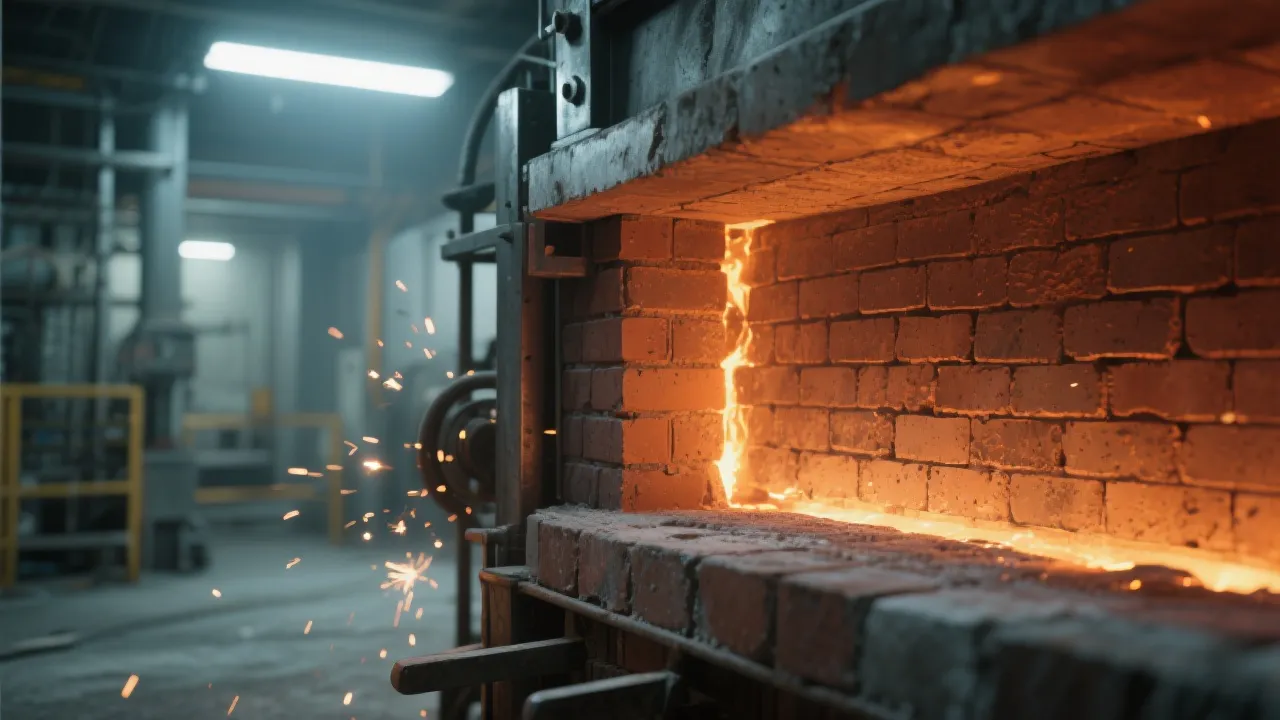
Thermal shock damage during frequent heating and cooling cycles
These issues translate into increased downtime, higher operating costs, and inconsistent ceramic product quality.
Why Choose Alumina Bricks for Ceramic Kilns?
Alumina bricks offer exceptional resilience in harsh kiln environments, thanks to their outstanding physical and chemical characteristics:
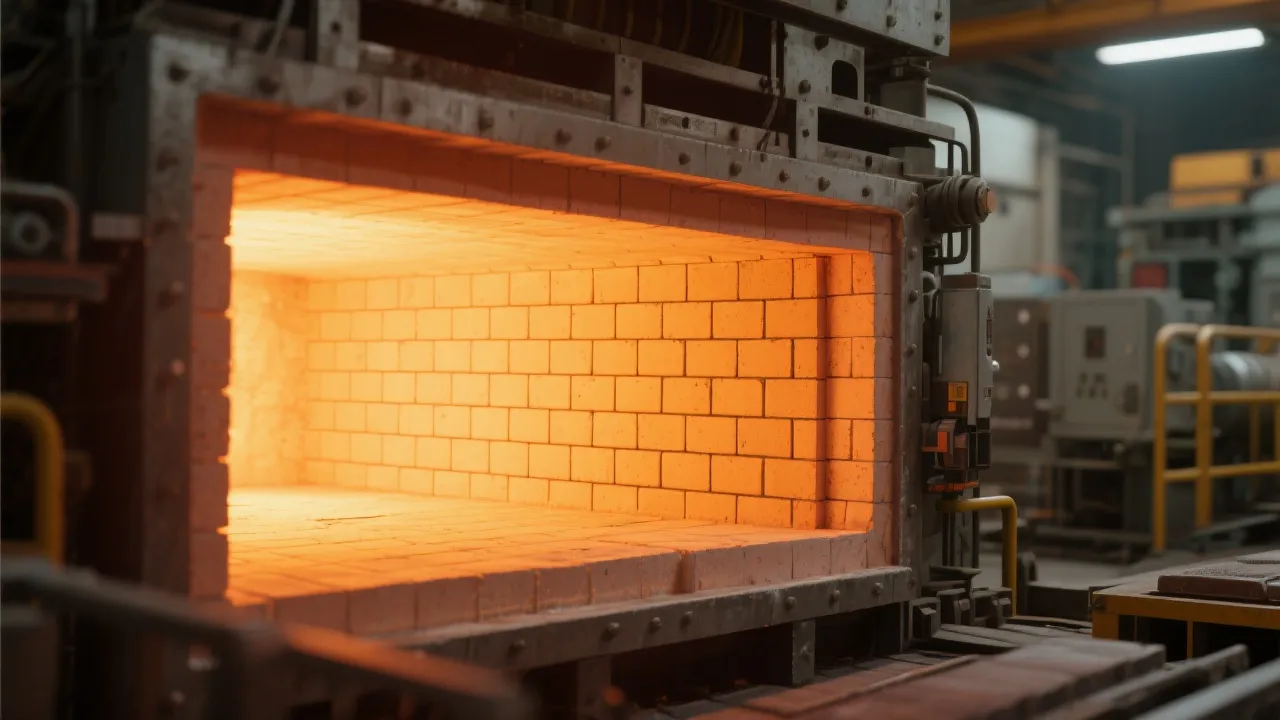
High refractoriness: Stable at temperatures above 1700°C, supporting ultra-high temperature firing.
Superior wear resistance: Low abrasion losses prolong brick life under mechanical stress.
Chemical inertness: Strong resistance against alkali and acidic slags minimizes corrosion damage.
Excellent thermal shock resistance: Reduces cracking risks during rapid temperature fluctuations.
Performance Comparison: Alumina Brick vs Other Refractory Materials
Property
Alumina Brick
Fireclay Brick
Mullite Brick
Max Operating Temp (°C)
>1700
1350
1600
Thermal Shock Resistance
Excellent
Poor
Good
Wear Resistance
High
Low
Moderate
Corrosion Resistance
Excellent
Poor
Good
Average Lifespan (Months)
24 - 36
8 - 12
12 - 18
*Data is based on industry-standard testing and several case studies from ceramic kiln operations across Asia and Europe.
Real-World Impact: Customer Feedback & Case Studies
“Since upgrading to alumina bricks, our kiln’s operational stability improved by over 30%, with a 20% boost in product yield. Maintenance downtime decreased significantly, reducing costs.” — Plant Manager, Mid-Sized Ceramic Manufacturer, Italy
“Alumina bricks withstand our continuous high-volume firing cycles much better than conventional bricks. The extended kiln life translates directly into better ROI and less frequent shutdowns.” — Technical Director, Large-Scale Ceramic Producer, China
Customized Solutions to Match Your Kiln Production Scale
Understanding that ceramic kiln applications vary greatly, alumina brick suppliers now offer tailored solutions for different operational needs:
Small batch/custom kilns: Modular alumina brick shapes and sizes enable precise fitting and ease of replacement, minimizing waste.
Large continuous kilns: High-performance alumina bricks engineered for prolonged exposure to thermal and chemical stresses, ensuring sustained productivity.
These options help ceramic manufacturers optimize kiln performance, balance maintenance schedules, and ultimately reduce operational expenses.
Strategic Benefits of Choosing Alumina Bricks
Selecting alumina bricks means:
Lower maintenance costs: Due to extended refractory lifespan and fewer repairs
Higher product quality and yield: Stable kiln environment reduces defects and rework
Increased kiln uptime: Less downtime from maintenance enhances throughput capacity
Longer kiln operational life: Protects your capital investment with durable lining solutions






.jpg?x-oss-process=image/resize,h_1000,m_lfit/format,webp)

.jpg?x-oss-process=image/resize,h_1000,m_lfit/format,webp)
.jpg?x-oss-process=image/resize,h_1000,m_lfit/format,webp)