Choosing Refractory Bricks for Ceramic Kilns: Tailored Alumina Brick Solutions by Factory Scale
Struggling with kiln wear, short lifespan, and inconsistent ceramic quality? Alumina bricks offer unmatched durability, chemical resistance, and thermal stability—making them the smart choice for both small workshops and large-scale ceramic producers. This guide explains how alumina bricks combat high-temperature erosion, boost yield, and improve operational efficiency—with real-world case data showing up to 30% longer kiln life and 15% lower energy use. Discover tailored solutions for your production scale and make smarter material choices that drive long-term cost savings and product excellence.

Why Your Ceramic Kiln Needs High-Performance Alumina Bricks — A Smart Upgrade for Every Scale
If you're running a ceramic production line—whether it's a small batch workshop or a large-scale automated facility—you know how frustrating it is when kiln lining fails too soon, causing downtime, inconsistent quality, and rising costs.
The Real Cost of Poor Refractory Choices
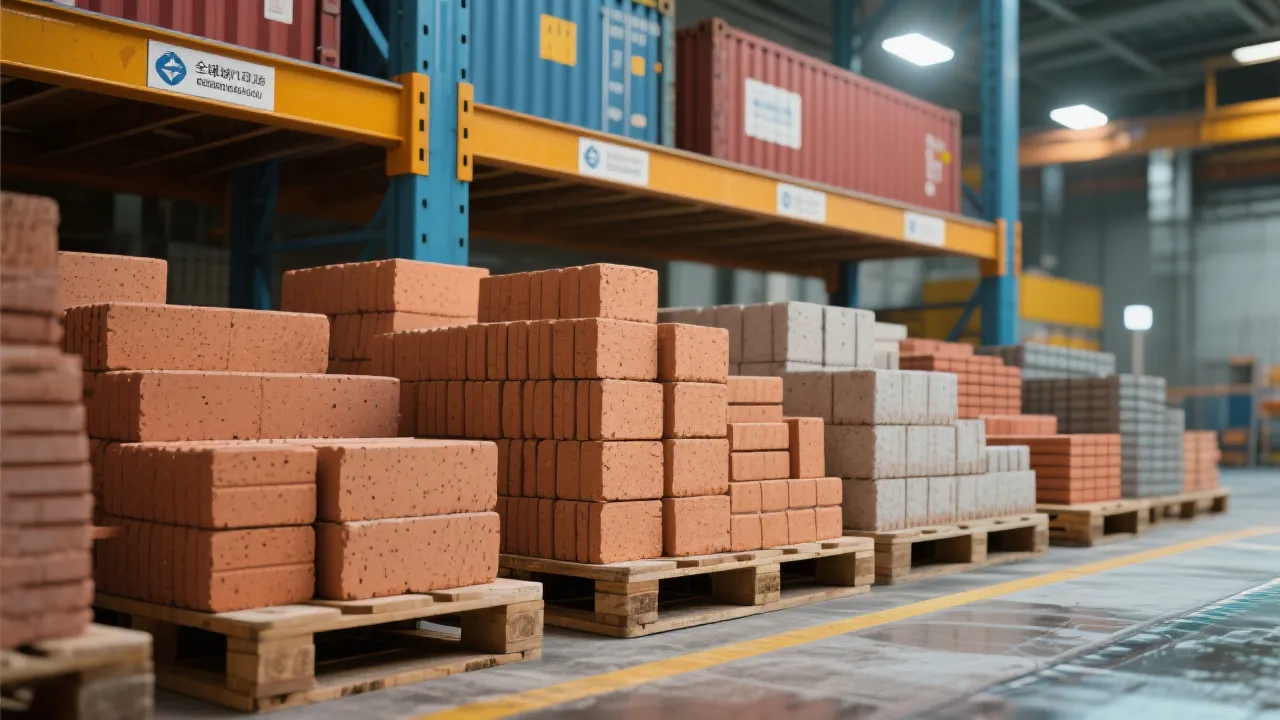
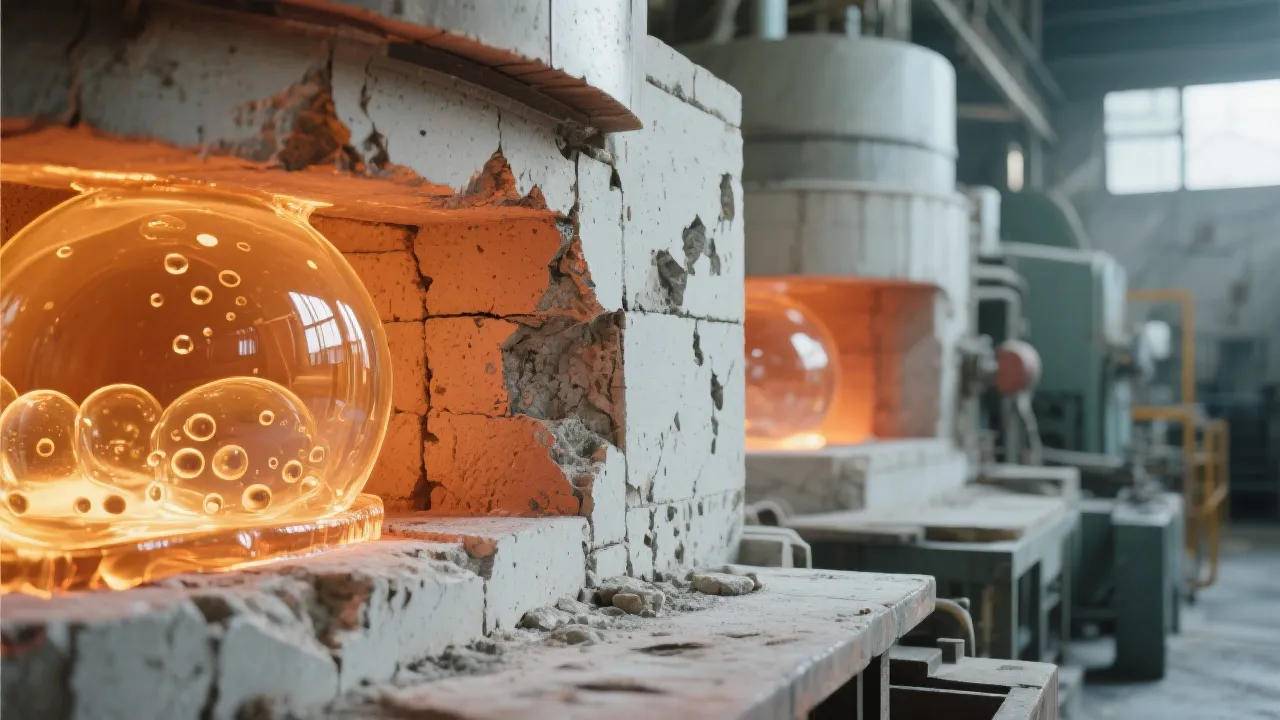
Many ceramic manufacturers still rely on traditional clay bricks or lower-grade high-alumina bricks. But here’s the truth: they wear out in as little as 6–9 months under continuous firing cycles (especially above 1350°C). That means frequent replacements, unexpected shutdowns, and wasted energy—costing up to $15,000 per year in maintenance alone for mid-sized plants.
Enter Alumina Brick: The Proven Solution
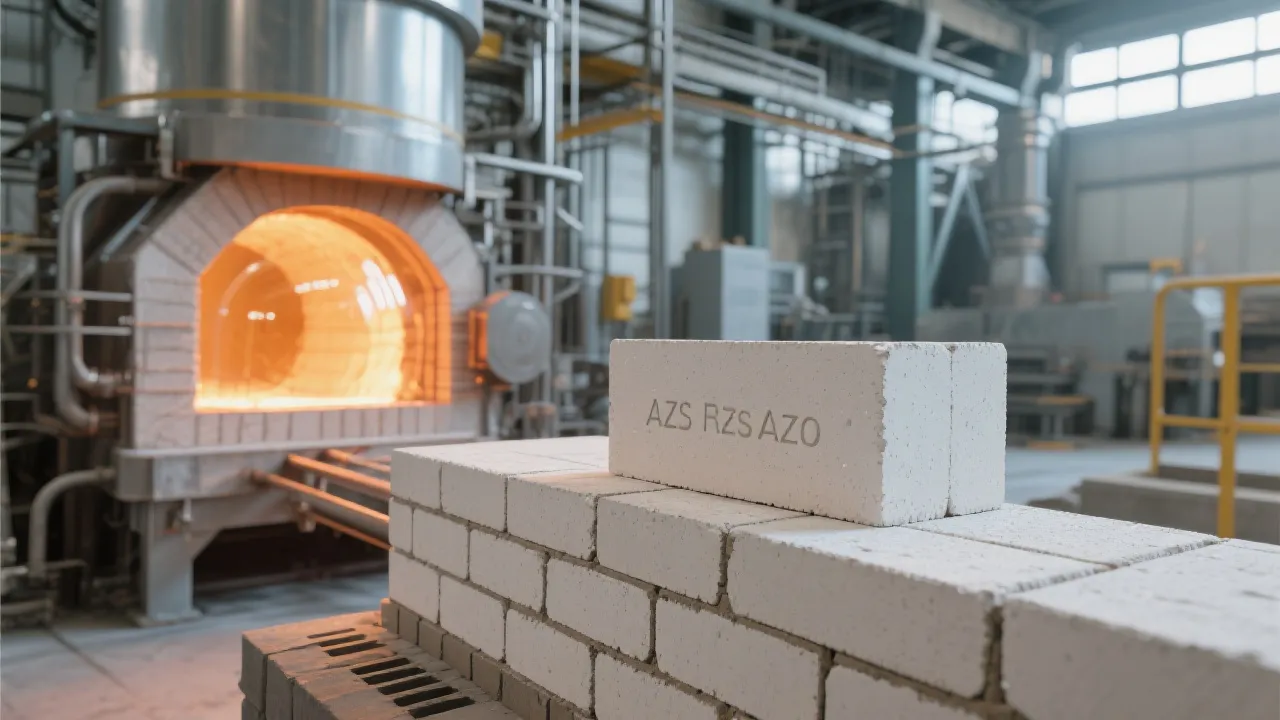
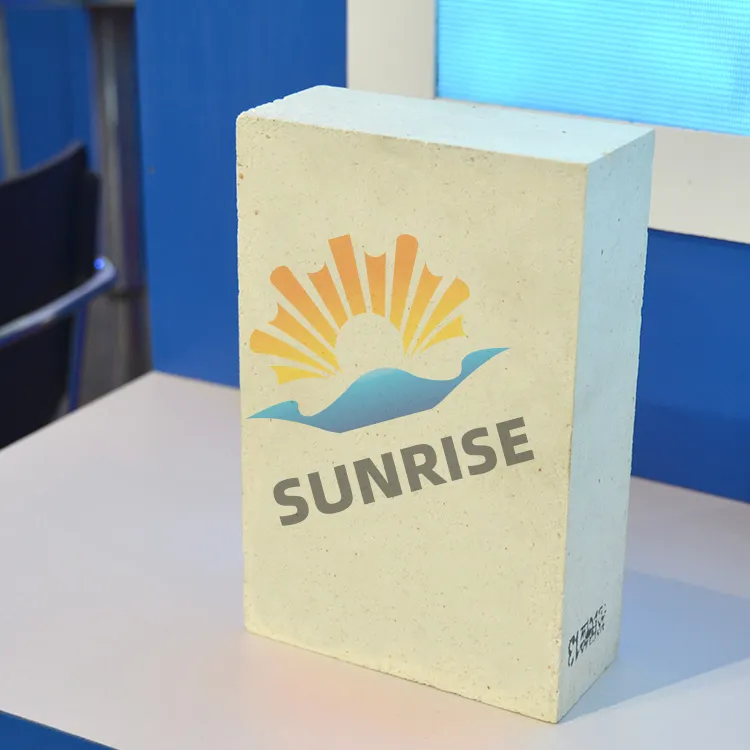
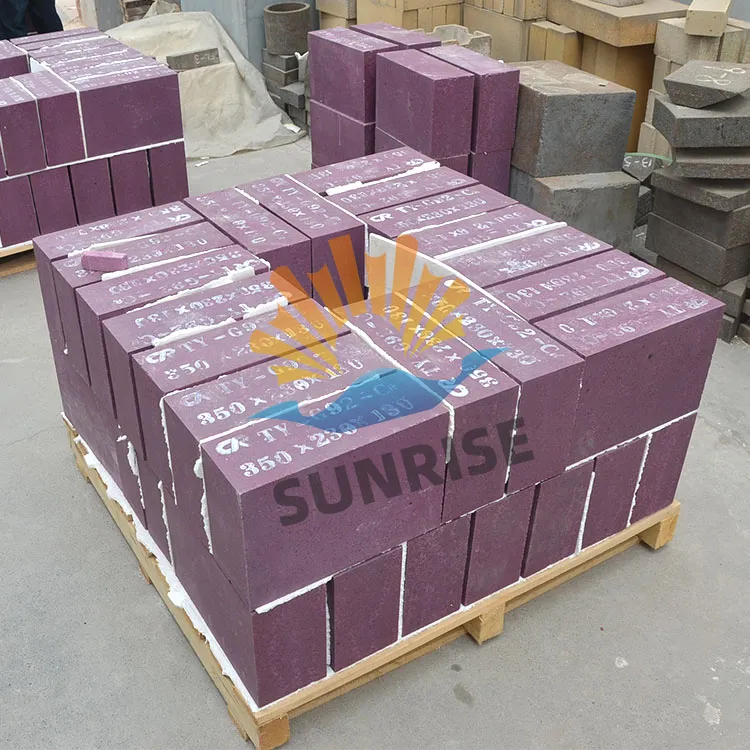
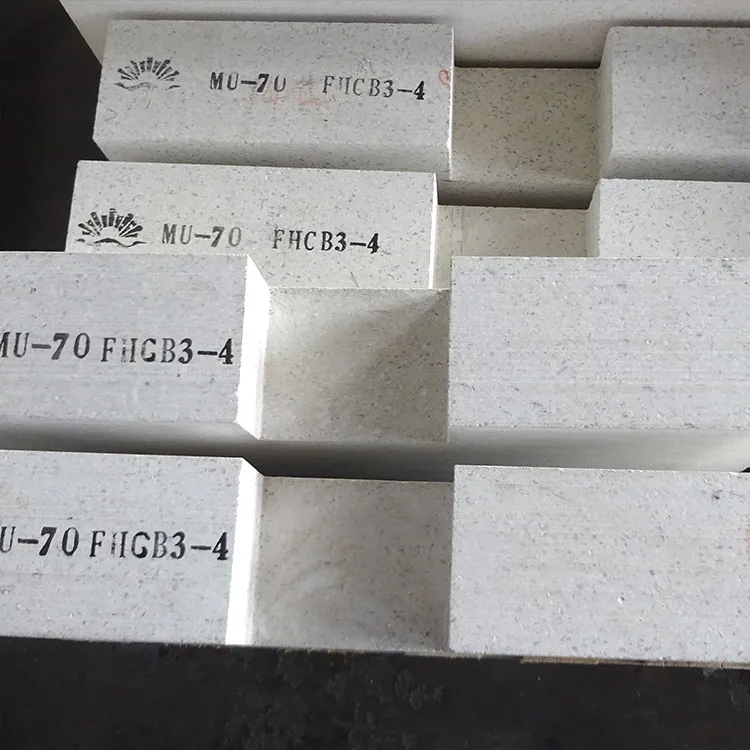
Alumina brick (or fused alumina brick) isn’t just another refractory—it’s your kiln’s best defense against heat erosion, chemical attack, and mechanical stress. With over 90% Al₂O₃ content, it delivers:
- ✔️ 30% longer lifespan vs. standard high-alumina bricks
- ✔️ 15% lower fuel consumption due to better thermal insulation
- ✔️ Higher product purity – no contamination from brick degradation
Real Results From Real Customers
In a recent case study with a medium-sized tile manufacturer in Italy, switching from fireclay to alumina brick resulted in:
| Metric |
Before Alumina |
After Alumina |
| Kiln lining life |
7 months |
10 months (+43%) |
| Energy cost per ton |
$28 |
$24 (-14%) |
| Defect rate |
5.2% |
2.1% (-60%) |
This isn’t just theory—it’s what smart ceramic producers are doing now. Whether you’re producing custom pottery or mass-producing porcelain tiles, the right alumina brick makes all the difference.
Tailored Solutions for Your Operation Size
Not all kilns are created equal—and neither should be their refractories:
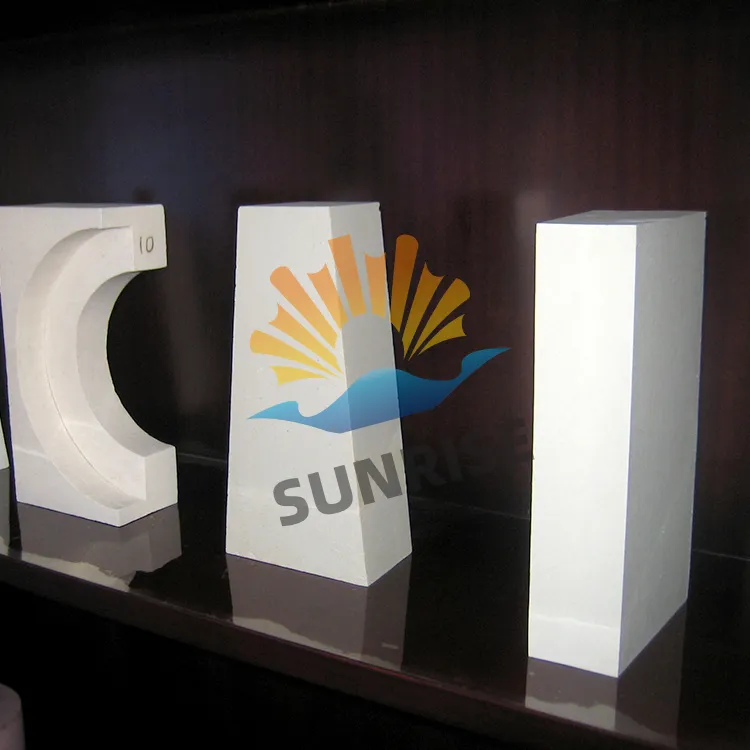
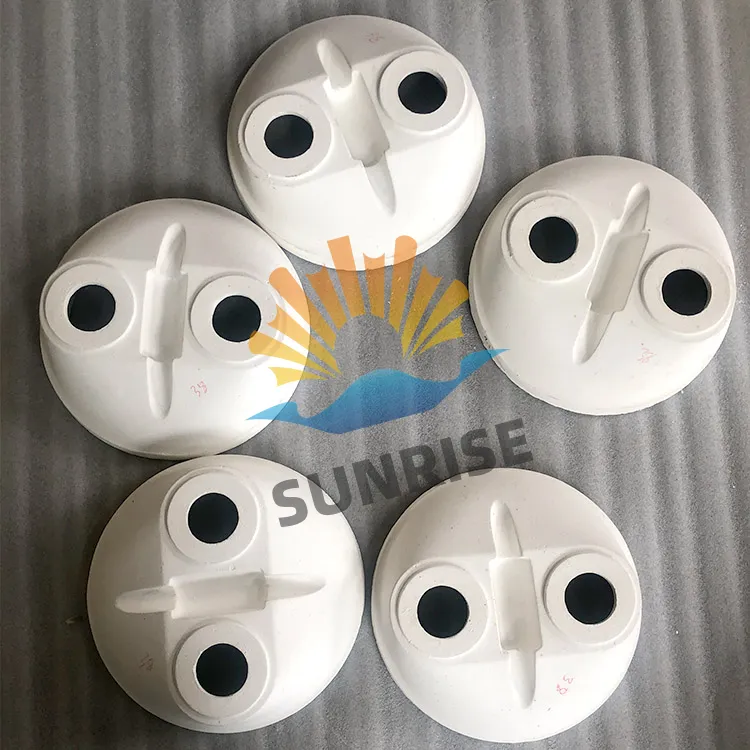
- Small Batch / Trial Runs: Use precast alumina blocks with modular design—easy to install, fast repair.
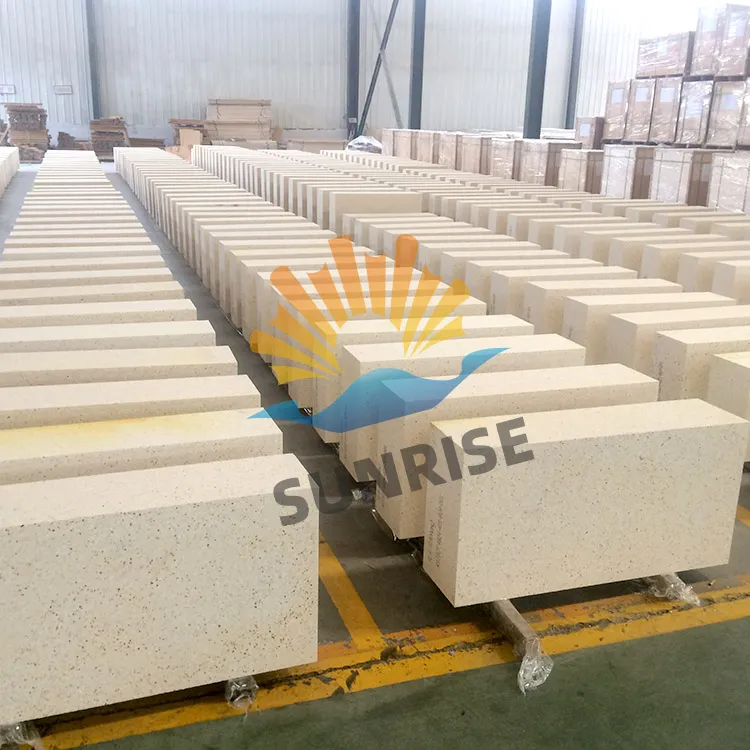
- Mid-Scale Production: Choose dense-fired alumina bricks (95%+ Al₂O₃) for consistent performance across multiple firings.
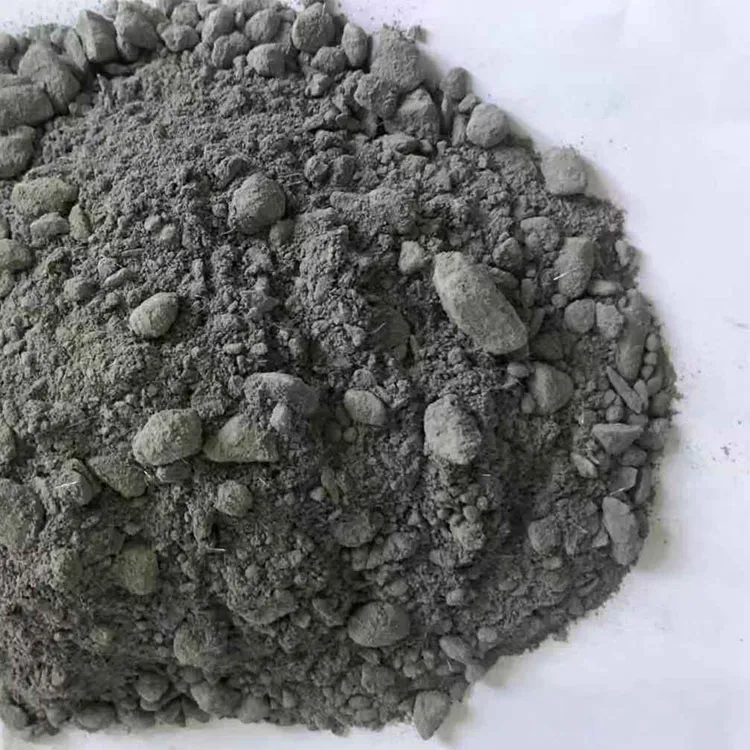
- Large Automated Lines: Opt for monolithic castable + alumina brick combo—reduces joints, increases durability, minimizes labor.


.jpg?x-oss-process=image/resize,h_1000,m_lfit/format,webp)


.jpg?x-oss-process=image/resize,h_1000,m_lfit/format,webp)