In the competitive ceramic manufacturing industry, kiln efficiency directly impacts product quality, production costs, and overall profitability. Many companies still rely on traditional refractory materials like clay brick or high-alumina brick—but these often fail under prolonged high-temperature conditions, leading to frequent repairs, inconsistent firing results, and unnecessary energy waste.
Enter alumina brick: a proven solution that’s transforming kiln operations worldwide. With its superior resistance to wear, chemical erosion, and thermal shock, alumina brick offers not just durability—it delivers measurable improvements in yield, consistency, and cost savings.
“After switching to fused alumina brick in our tunnel kiln, we saw a 35% increase in refractory life and a 12% improvement in glaze quality. Our maintenance downtime dropped by nearly half.” — Maria Lopez, Plant Manager at Ceramix Pro, Spain
| Material Type | Avg. Kiln Life (Months) | Wear Resistance | Cost per Year (Est.) |
|---|---|---|---|
| Clay Brick | 6–8 | Low | $12,000 |
| High-Alumina Brick | 10–14 | Medium | $15,000 |
| Alumina Brick (Fused) | 18–24 | High | $18,000 |
Note: These figures are based on average usage in medium-scale ceramic tile production lines across Europe and North America. While initial investment may be higher, the long-term ROI is clear—especially when factoring in reduced labor, energy, and defect-related losses.
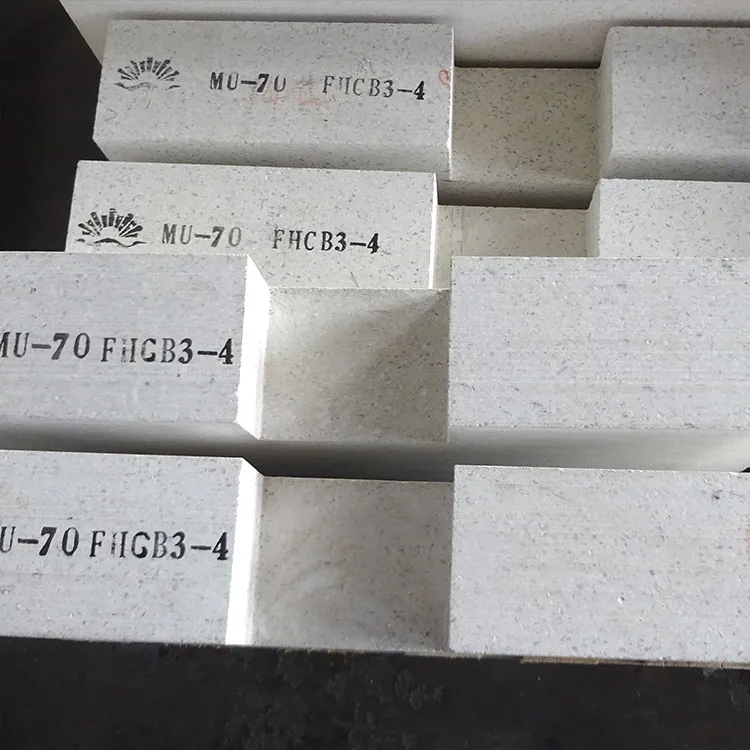
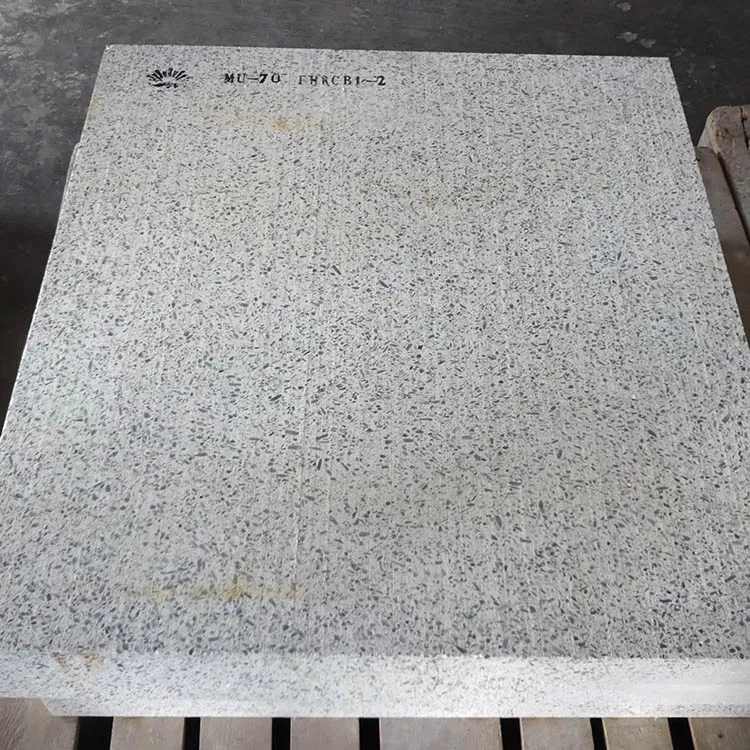
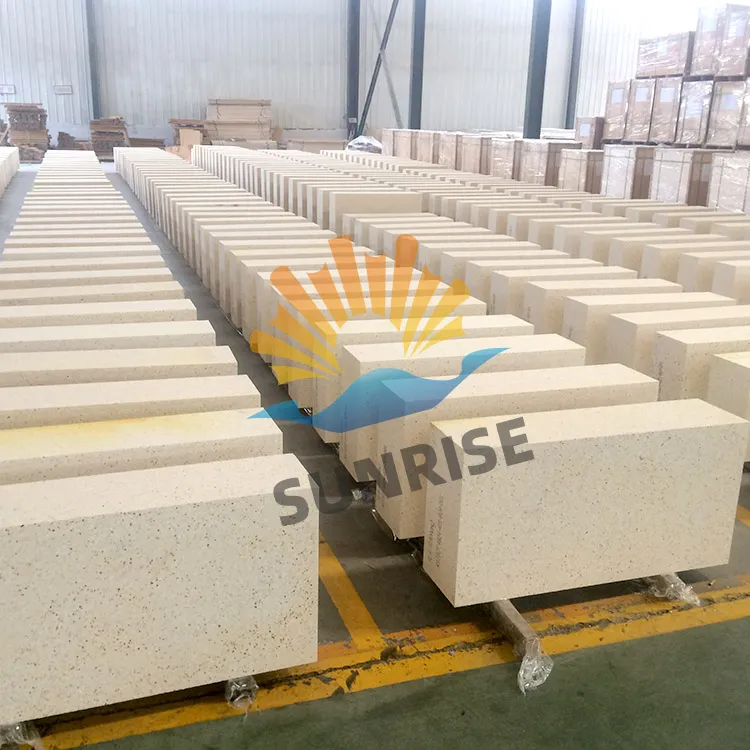
Not all alumina bricks are created equal. Whether you run a continuous tunnel kiln, intermittent batch furnace, or specialized porcelain oven, there's an alumina brick formulation designed for your exact process:
By matching material type to your specific kiln profile, you can maximize performance while minimizing total lifecycle cost.



.jpg?x-oss-process=image/resize,h_1000,m_lfit/format,webp)
.jpg?x-oss-process=image/resize,h_1000,m_lfit/format,webp)