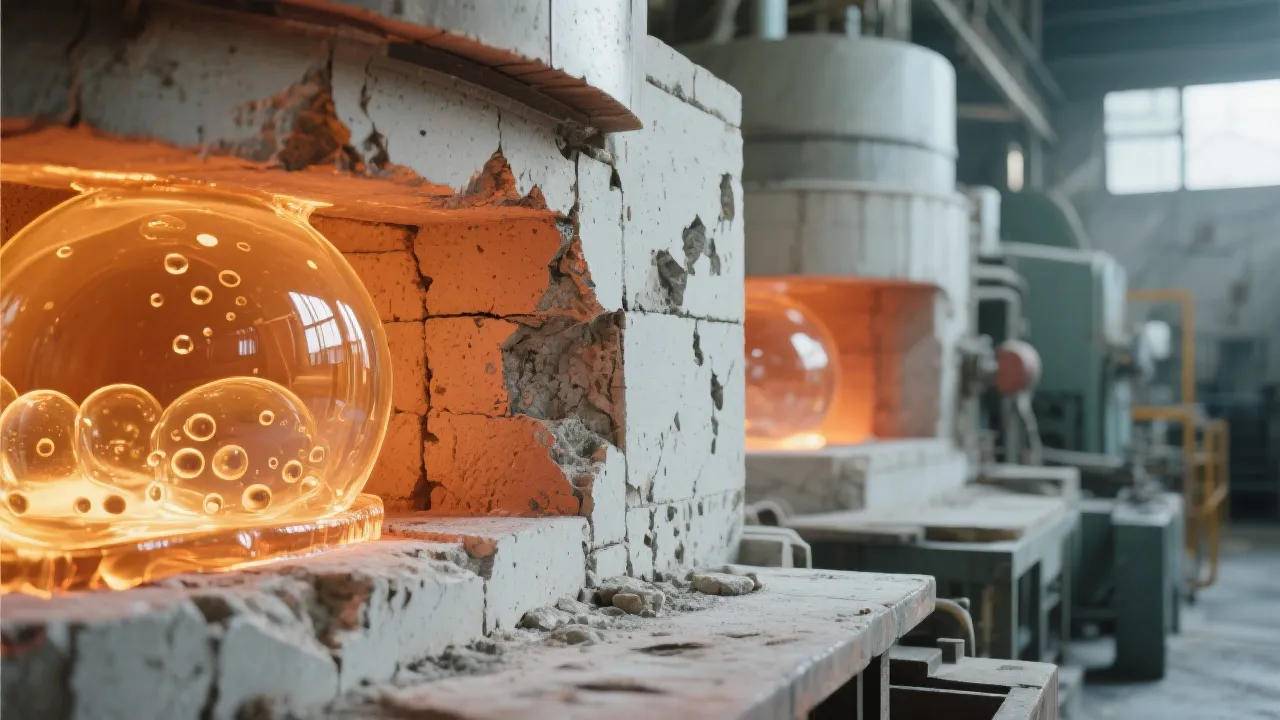
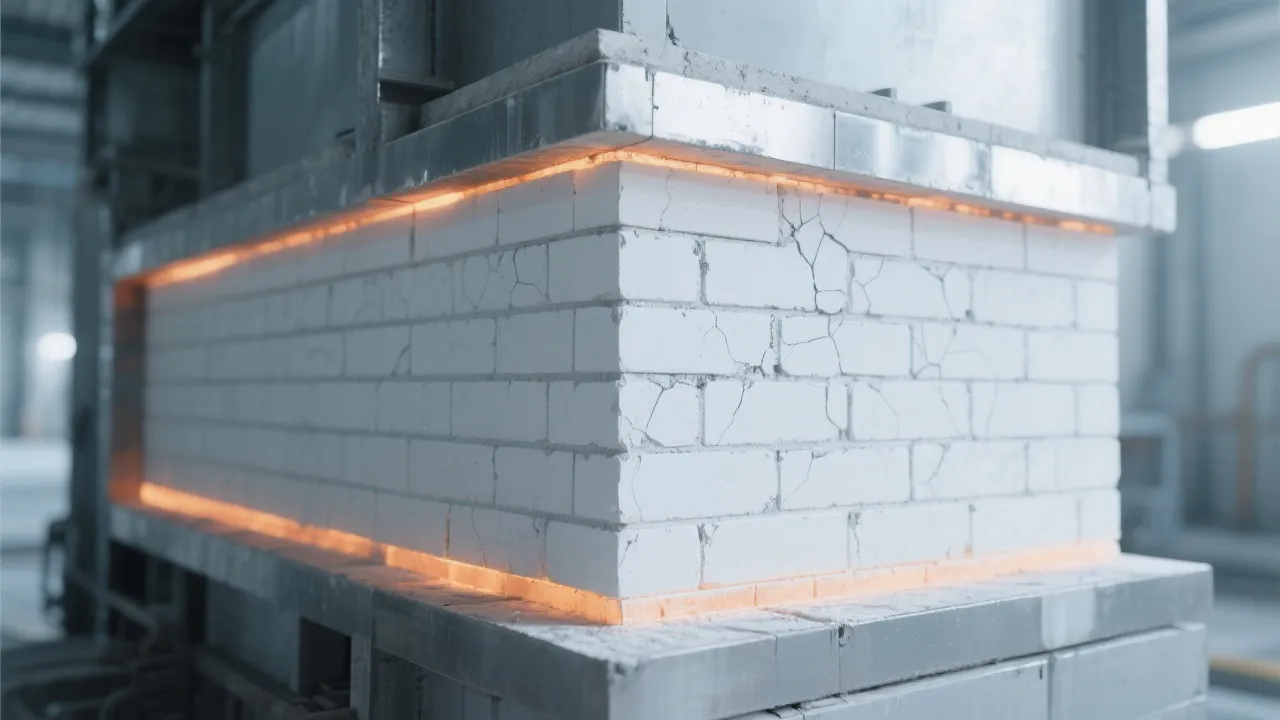
If your ceramic kiln is causing frequent breakdowns, inconsistent product quality, or rising energy costs—you're not alone. Many manufacturers, from small workshops to large-scale producers, face the same challenge: choosing the right refractory material for high-temperature environments.
Enter high-alumina refractory brick—not just another lining option, but a strategic upgrade that can boost production uptime by up to 40%, reduce waste by 25%, and cut maintenance expenses significantly over time.
With over 90% Al₂O₃ content, these bricks offer superior resistance to thermal shock, chemical erosion, and mechanical wear—key factors in modern ceramic kilns where temperatures often exceed 1,400°C.
| Material Type | Avg. Lifespan (Years) | Waste Rate Reduction | Cost per Year (USD) |
|---|---|---|---|
| Fire Clay Brick | 1.5–2 | N/A | $3,500+ |
| High-Alumina Brick (85%) | 3–5 | Up to 25% | $2,200 |
| Alumina Brick (90%+) | 5–7+ | Up to 35% | $1,800 |
“After switching to alumina bricks, our kiln downtime dropped from 18 days/year to under 5 days—and we saw a 28% drop in defective tiles.” — Maria Lopez, Plant Manager at Ceramix Pro, Spain
In one case study involving a mid-sized tile manufacturer in Turkey, replacing traditional clay bricks with high-grade alumina bricks led to:
For larger operations like those in China’s Guangdong province, continuous firing lines benefit even more: consistent temperature control reduces fuel consumption by up to 15% annually.
Every brick installed isn’t just protecting your kiln—it’s improving yield, reducing waste, and making your production line more predictable. That’s how you turn raw materials into real returns.
Whether you’re running a custom ceramics shop or managing mass production, there’s a tailored solution. Small batches? We recommend pre-cut bricks for easy installation. Large-scale facilities? Modular systems ensure seamless integration with existing infrastructure.
Ready to stop paying for inefficiency? Let’s talk about how alumina bricks can transform your kiln performance—starting with a free sample evaluation.
Get Your Free Sample Kit Now →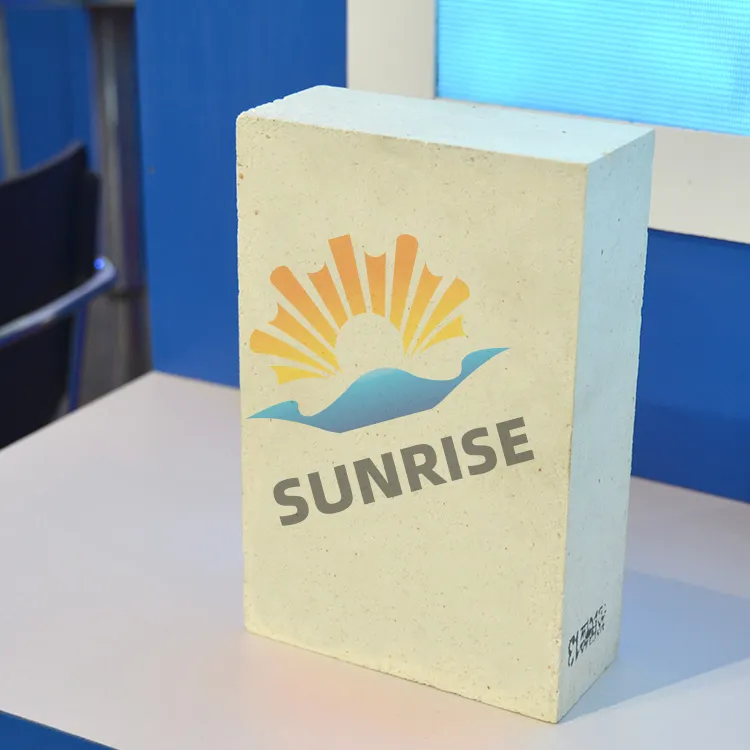

.jpg?x-oss-process=image/resize,h_1000,m_lfit/format,webp)


.jpg?x-oss-process=image/resize,h_1000,m_lfit/format,webp)