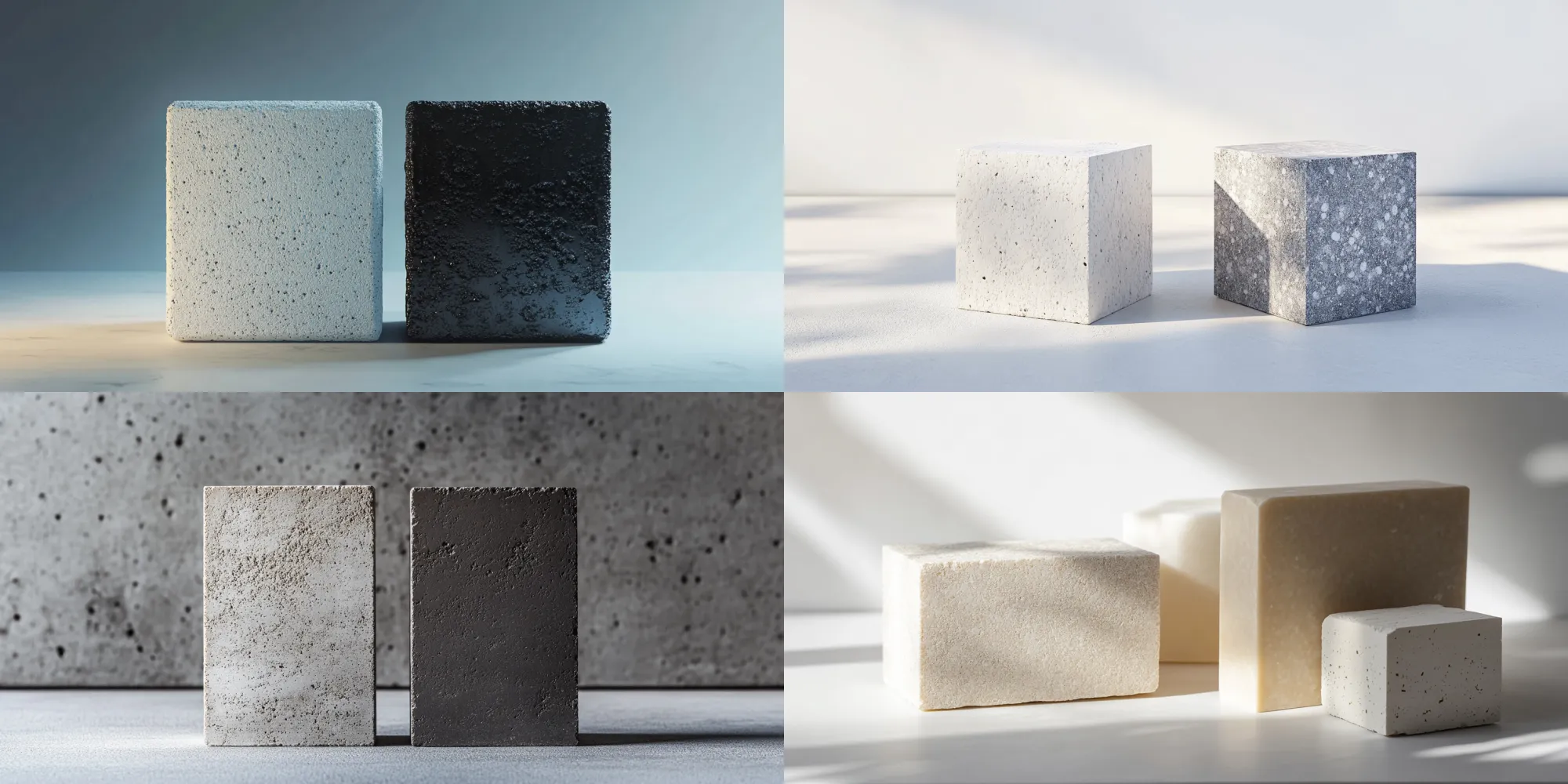
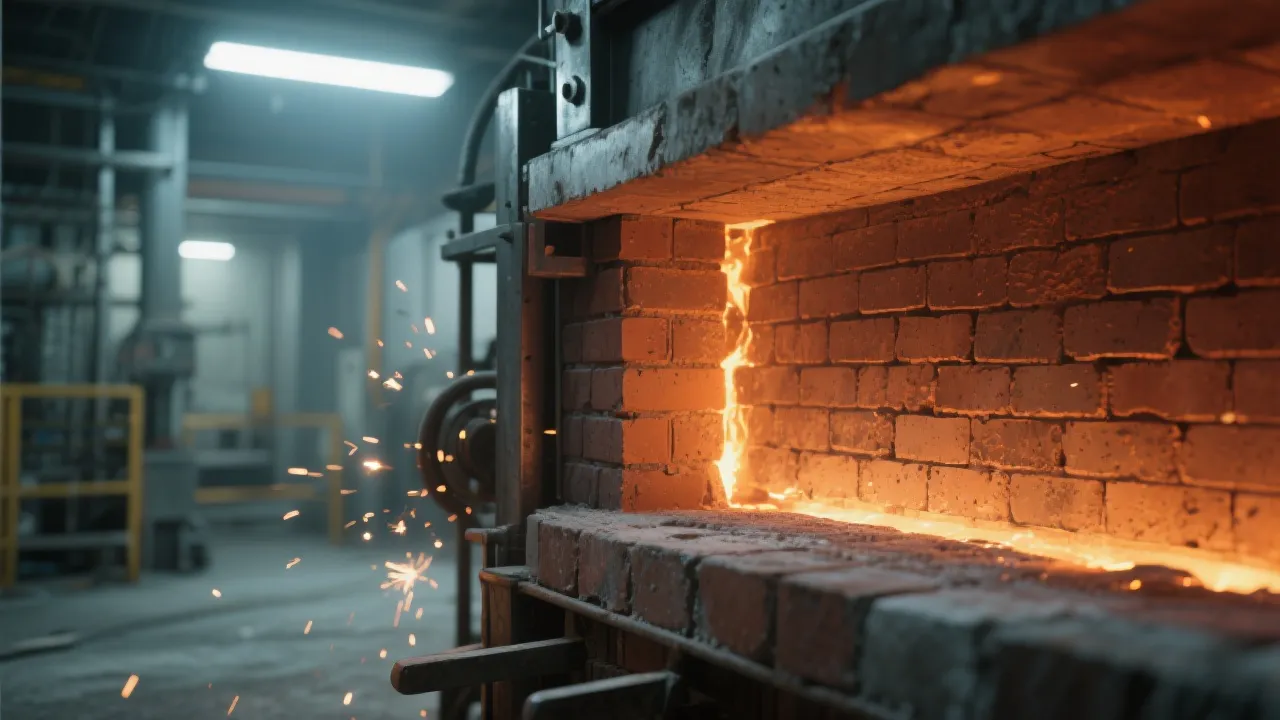
When it comes to high-temperature industrial applications—like glass furnaces, steelmaking kilns, or cement rotary kilns—the choice of refractory materials can make or break your production efficiency and safety. Among the most trusted options is mullite brick, a premium high-alumina refractory product known for its exceptional thermal shock resistance and long-term stability.
Mullite bricks are composed primarily of aluminum oxide (Al₂O₃) and silicon dioxide (SiO₂), forming a crystalline structure that remains stable even at temperatures exceeding 1600°C. According to the International Refractories Association (IRA), properly sintered mullite bricks exhibit up to 30% higher thermal conductivity retention compared to traditional fireclay bricks after 100 thermal cycles—a critical factor in reducing energy waste and downtime.
“In continuous operation environments like float glass lines, consistent performance over time is non-negotiable. That’s where high-quality mullite bricks earn their trust.” — IRA Technical Report, 2023
The journey from raw material to finished brick involves precision at every stage:
It's this meticulous process that makes burnt mullite bricks a preferred choice among leading manufacturers in Europe, the Middle East, and North America—not just because they perform better, but because they last longer and reduce maintenance costs by up to 25%, according to a 2022 case study by a German steel plant using our client’s products.
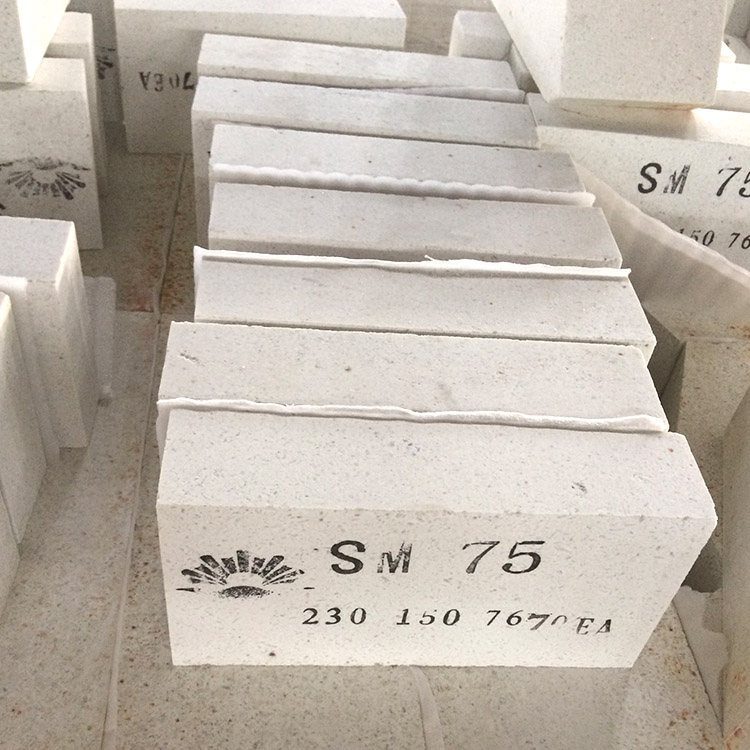
Take the example of a major Egyptian glass manufacturer who switched from standard firebrick to high-grade mullite bricks. Within six months, they reported:
This kind of result isn’t accidental—it’s built into the design, the process, and the commitment to quality control.
Have you experienced similar benefits—or challenges—with mullite bricks? We’d love to hear about your use cases, technical questions, or installation tips in the comments below. Let’s build a community of informed buyers together.


.jpg?x-oss-process=image/resize,h_1000,m_lfit/format,webp)




.jpg?x-oss-process=image/resize,h_1000,m_lfit/format,webp)