
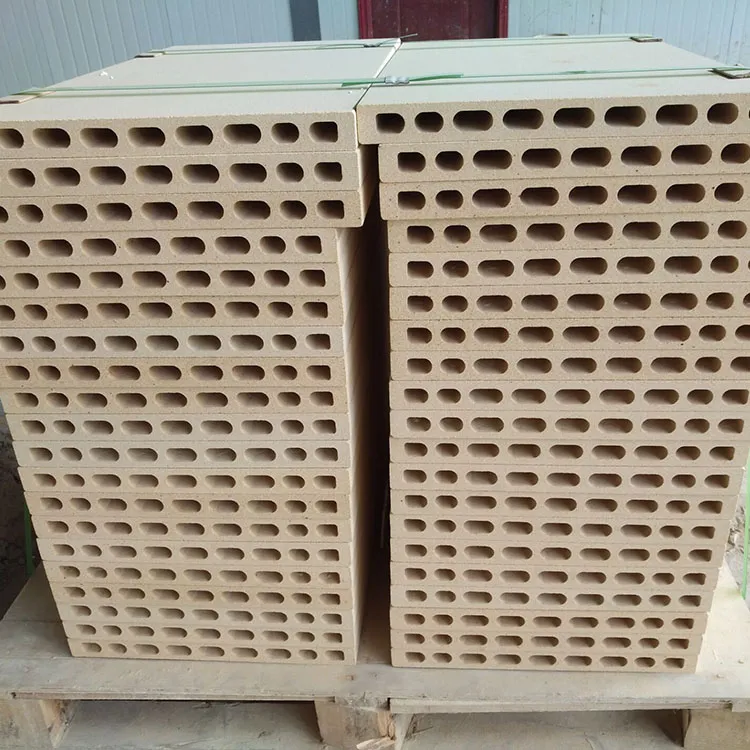
When it comes to high-temperature industrial applications—such as steelmaking, cement kilns, or glass furnaces—material performance under thermal stress is non-negotiable. That’s where chromium alumina bricks shine. But what truly sets them apart from traditional refractories? The answer lies not just in the formulation but in the science behind the raw materials.
Alpha-alumina (α-Al₂O₃) is more than a buzzword—it’s the backbone of modern refractory technology. With a melting point of over 2,050°C and low thermal expansion coefficient (~8 × 10⁻⁶ /°C), this phase of aluminum oxide provides exceptional resistance to thermal shock. In fact, studies show that bricks containing ≥95% α-Al₂O₃ can withstand up to 300 cycles between 1200°C and 1400°C without cracking—a 40% improvement over standard fireclay bricks.
This makes α-Al₂O₃ ideal for zones with rapid temperature changes, such as furnace doors or hot metal transfer channels. It ensures structural integrity over time, reducing downtime and maintenance costs—an important ROI consideration for plant managers.
| Refractory Type | Thermal Shock Resistance (cycles @ 1200–1400°C) | Wear Resistance (mm loss per year) |
|---|---|---|
| Standard Fireclay Brick | ~120 | ~15 mm |
| Chromium Alumina Brick | ≥300 | ≤5 mm |
While α-Al₂O₃ delivers stability, chromium oxide (Cr₂O₃) adds another layer of protection. When added at 5–10 wt%, Cr₂O₃ forms spinel phases (like MgCr₂O₄ or FeCr₂O₄) that act as barriers against acidic and basic slags commonly found in metallurgical processes. According to field data from European steel plants, chromium alumina bricks last 2–3 times longer than alumina-silica alternatives in continuous casting operations.
Moreover, Cr₂O₃ improves mechanical strength—especially at elevated temperatures. At 1300°C, these bricks maintain compressive strength above 80 MPa, compared to ~50 MPa for conventional bricks. This translates directly into fewer replacements, less labor, and improved safety in high-risk environments.
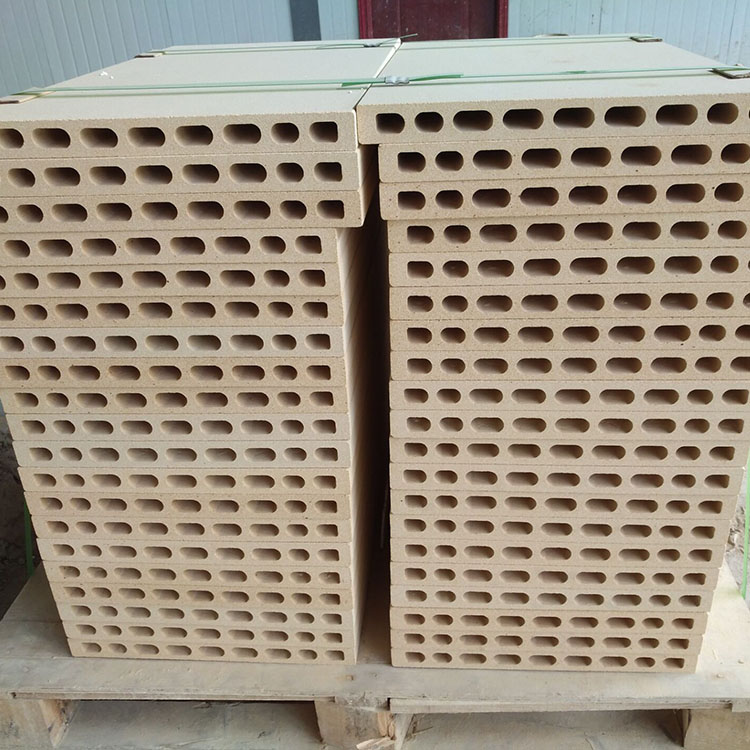
Our manufacturing process isn’t just about mixing ingredients—it’s a precision-engineered system. We use advanced wet blending and vacuum casting techniques to ensure uniform particle distribution, followed by controlled firing in shuttle kilns at 1600–1700°C. This guarantees consistent density (>2.8 g/cm³), minimal porosity (<5%), and maximum phase purity.
Real-world results speak louder than specs. One Middle Eastern cement manufacturer reported a 35% reduction in kiln lining failures after switching to our chromium alumina bricks—saving $120k annually in unplanned shutdowns alone.
Let us help you move beyond generic refractories and embrace a smarter, more durable solution tailored to your specific application needs.
Explore Our Chromium Alumina Brick Solutions →
 <#else>


