

When it comes to extreme environments like chemical kilns—where temperatures exceed 1400°C and corrosive gases are constant—only the most durable refractory materials can deliver consistent performance. That’s where chromium alumina brick shines. Unlike standard firebricks or even basic high-alumina bricks, this advanced material combines superior raw ingredients with precise manufacturing techniques to offer unmatched resistance to wear, thermal shock, acid-base corrosion, and creep under load.
The secret lies in its composition: high-purity α-Al₂O₃ (99.5%+), fine chromium oxide powder (Cr₂O₃ ≥ 30%), and pre-fired chromia-alumina熟料细粉. These components don’t just meet standards—they exceed them. For example:
| Performance Metric | Typical Value |
|---|---|
| Wear Resistance (ASTM C187) | ≤ 0.3 g/cm² (after 20 cycles) |
| Thermal Shock Stability (ΔT=1100°C) | ≥ 30 cycles without cracking |
| Acid Corrosion Resistance (H₂SO₄ 5%) | Weight loss ≤ 0.5% after 72 hrs |
| High-Temperature Creep (1400°C, 10 MPa) | Strain rate < 0.01%/hr |
These numbers aren't just impressive—they’re game-changers for plant operators looking to reduce downtime and maintenance costs.
A leading petrochemical facility in Saudi Arabia replaced their old magnesia-carbon bricks with chromium alumina brick in a fluid catalytic cracking unit (FCCU). After 18 months of continuous operation at 1350°C, they reported:
This isn’t an isolated case—it reflects what many global clients experience when switching to chromium alumina brick for demanding applications.
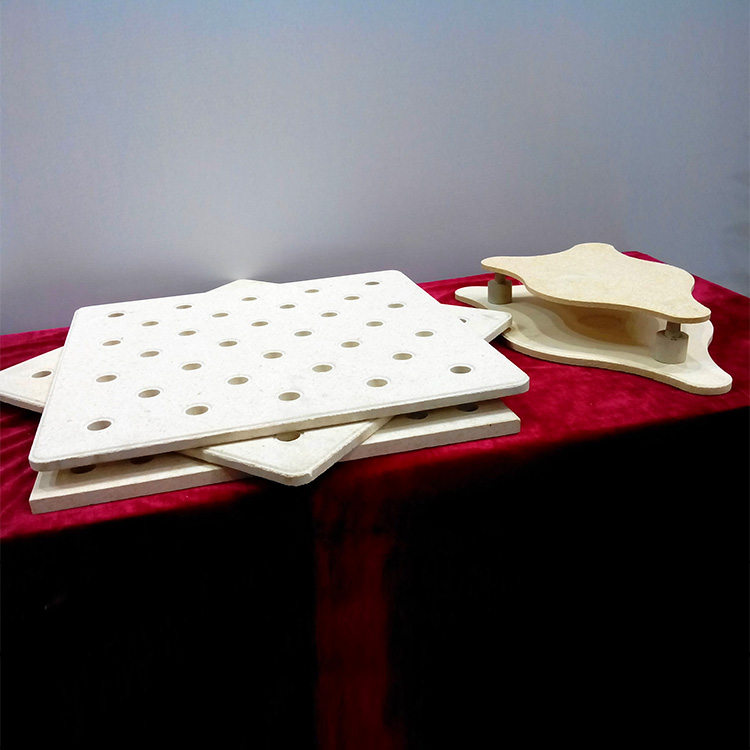
Whether you're managing a sulfuric acid furnace, a cement kiln, or a waste incinerator, the ability to withstand both mechanical stress and chemical attack is critical. Chromium alumina brick delivers that balance—not through marketing hype, but through real-world data and proven field performance.
“We didn’t expect such a long service life. It’s now our go-to material for all new kiln projects.” — Plant Manager, Middle East Refinery
If your operations face similar challenges—high temperatures, abrasive particles, or aggressive chemicals—you’re likely overlooking a powerful solution. Don’t wait until your next kiln lining fails. Explore how chromium alumina brick can transform your process reliability.
 <#else>


