
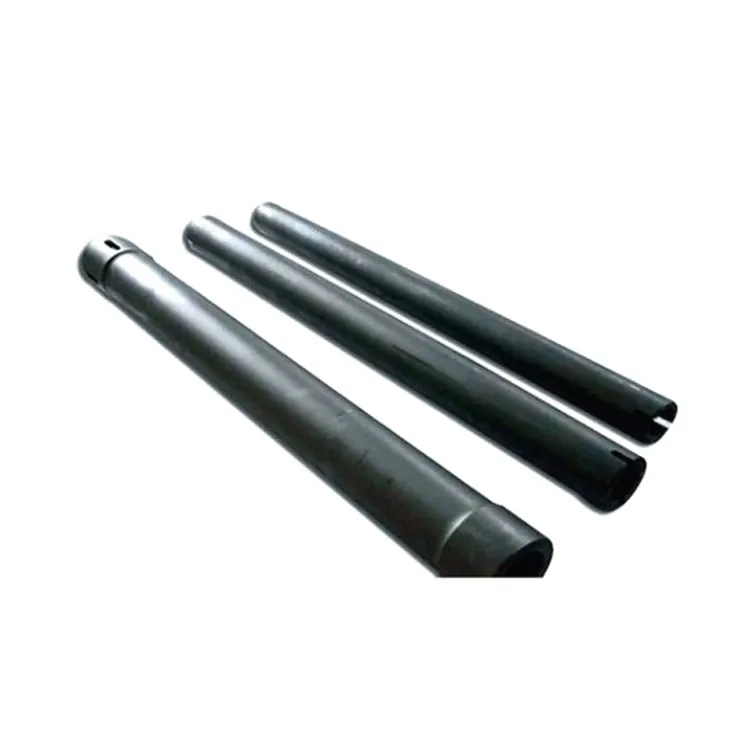
For industrial kiln operators, refractory material failure isn’t just a maintenance headache—it’s a direct hit to productivity and profit margins. That’s why understanding the manufacturing process behind chromium alumina bricks is critical. Two advanced methods—traditional sintering and injection molding—deliver vastly different performance outcomes in real-world applications.
Traditional sintered bricks offer proven durability but often suffer from inconsistent density, especially at edges and corners. In contrast, injection-molded bricks achieve up to 98% uniformity in structure—critical for high-temperature zones where thermal stress concentrates.
| Performance Metric | Sintered (Typical) | Injection Molded (Our Process) |
|---|---|---|
| Wear Resistance (after 100 cycles) | ~12% mass loss | ~3% mass loss |
| Thermal Shock Resistance | 50 cycles @ 1000°C | 120+ cycles @ 1000°C |
| Acid/Alkali Corrosion | 3 months exposure | 6+ months exposure |
| High-Temperature Creep (1400°C) | 0.7% deformation in 100 hrs | 0.2% deformation in 100 hrs |
These aren't hypotheticals—they’re results from third-party lab tests conducted on actual production batches used in cement kilns, steel ladles, and glass melting furnaces across Europe and Southeast Asia.
In one case study involving a European cement plant, switching from standard sintered bricks to our injection-molded chromium alumina bricks reduced refractory replacement frequency by 60%. This translated into over €85,000 in annual savings from avoided downtime alone—without changing operating parameters.
Similarly, a Middle Eastern steel manufacturer reported a 40% increase in ladle lining life after adopting our precision-engineered bricks, directly improving furnace uptime and reducing labor costs associated with relining operations.
What makes these gains possible? It starts with consistent microstructure—a result of controlled grain alignment during injection molding—that resists crack propagation under extreme conditions.
Unlike generic refractories that perform well only under ideal lab conditions, our solution adapts to real-world variability—from fluctuating fuel quality to uneven heat distribution. That’s not marketing speak—it’s engineering rigor backed by data.
If you're tired of recurring refractory failures or want to extend your kiln's service life without sacrificing throughput, it's time to look beyond commodity-grade materials.
Get a free technical consultation tailored to your specific kiln type and operational challenges.
Download Our Industrial Refractory Guide →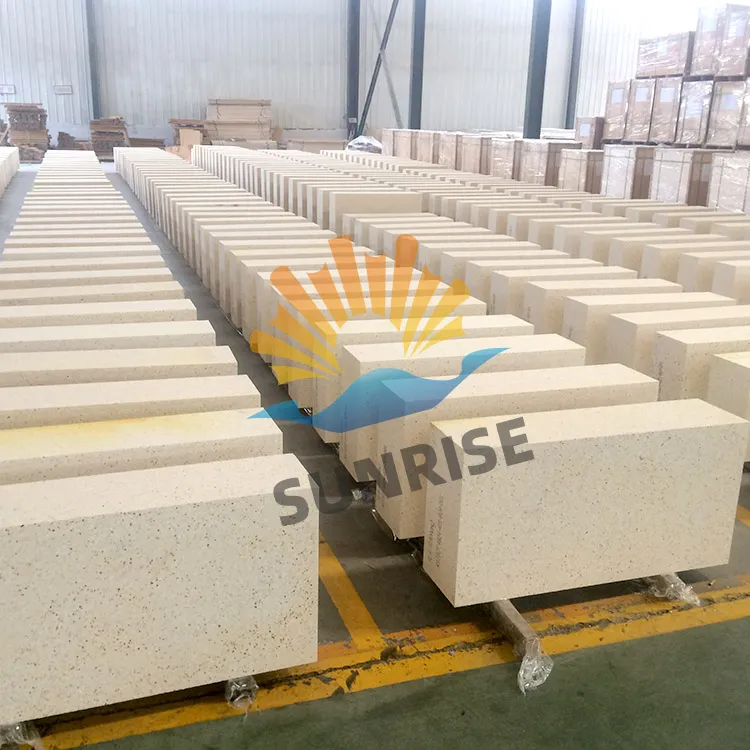
 <#else>


