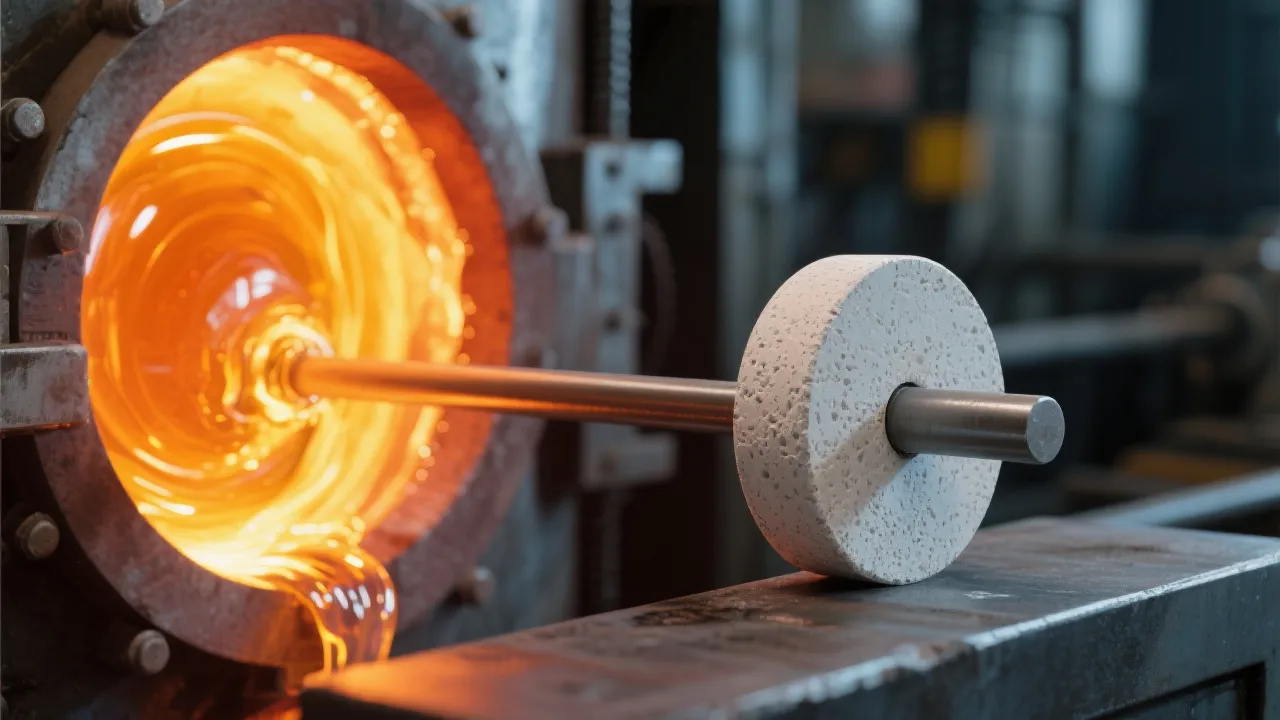
Application Cases and Performance Evaluation of Chrome Corundum Bricks in High-Temperature Corrosive Environments

02 12,2025
Sunrise
Customer Cases
This article provides an in-depth exploration of chrome corundum bricks utilized in high-temperature corrosive industrial settings. It examines how diverse manufacturing processes, including mixed sintering and castable forming, enhance their wear resistance, thermal shock stability, and acid-base corrosion resistance. Supported by real customer case studies and empirical data, the analysis highlights significant improvements in furnace lifespan and maintenance cost reduction. The insights offered aim to guide industrial stakeholders in selecting optimal refractory materials for demanding operational conditions.
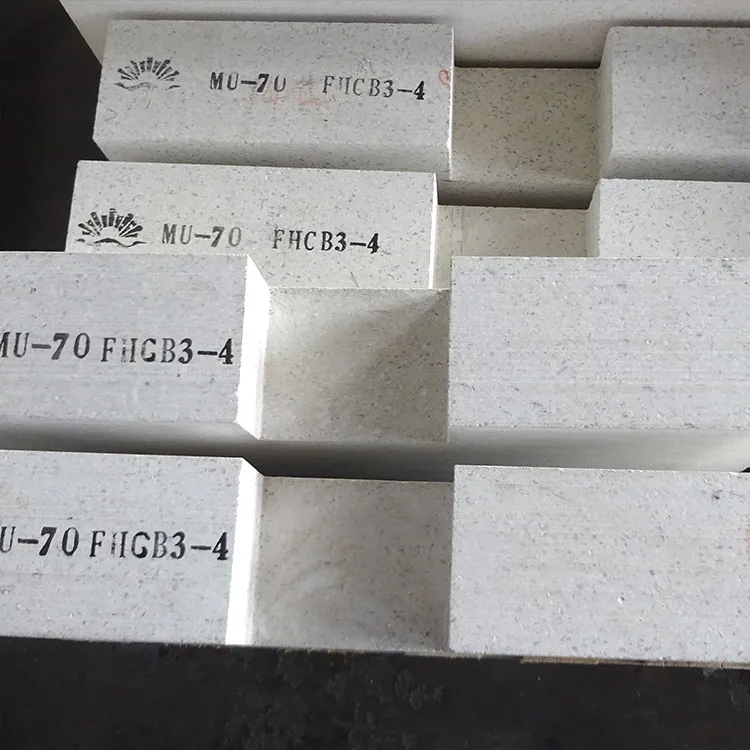
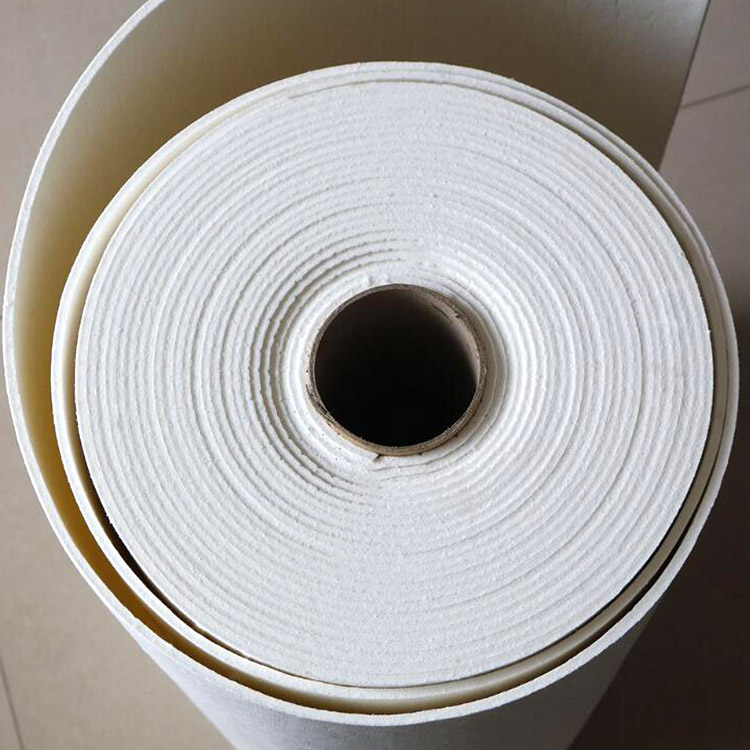
ceramic-fiber-paper-gasket-7.jpg

Chrome Corundum Bricks in High-Temperature Corrosive Environments: Real-World Applications and Performance Insights

Industrial furnaces and kilns operate under extreme conditions—characterized by soaring temperatures, abrasive media, and aggressive chemical attacks—which challenge the longevity and reliability of refractory linings. Among advanced refractory materials, chrome corundum bricks stand out as a solution engineered to tackle these rigorous demands with remarkable durability.

This article presents a thorough examination of chrome corundum bricks’ performance in high-temperature corrosive scenarios by analyzing verified cases from steel manufacturing plants and cement rotary kilns. Key processing technologies and critical material properties will be highlighted alongside comparative data, presenting a fact-driven reference for technical decision-makers tasked with refractory material selection.

Manufacturing Methods: Flexibility Meets Precision

Chrome corundum bricks primarily employ two cornerstone manufacturing techniques:

  • Mixed Firing Method: This involves the blending of raw chrome oxide and alumina powders, followed by high-temperature sintering around 1600°C – achieving excellent bonding density and homogeneous microstructure.
  • Castable (Injection Forming) Method: Using a slurry or castable refractory mix injected into molds, this process controls shape accuracy and allows custom geometries, suited for retrofit applications requiring tailored dimensions.
These methods ensure that chrome corundum bricks can be precisely engineered for specific furnace zones, balancing mechanical strength, and resistance properties.

Core Performance Characteristics Backed by Data

Performance Parameter Chrome Corundum Bricks Typical Fireclay Brick
Abrasion Resistance Wear rate ~0.12 mm/year under rotary kiln conditions Wear rate ~0.45 mm/year
Thermal Shock Resistance Sustains 50+ rapid cycles (1000°C → room temp) without cracking Fails after ~20 cycles
Corrosion Resistance (Acid & Alkali) Length loss < 3% after 1000h exposure to molten alkali Length loss > 12%
High-Temperature Creep < 0.5% deformation after 1000h at 1400°C > 1.8% deformation

The data underscores chrome corundum bricks’ superior material integrity and resistance to mechanical and chemical stresses, enabling extended operational cycles and minimized downtime.

Customer Success Stories: Tangible Benefits in Industrial Settings

Case Study 1: Steel Industry Kiln Line
A large-scale integrated steel plant upgraded its rotary kiln lining with chrome corundum bricks to address rapid wear caused by abrasive slags and temperature fluctuations. Within 12 months, the plant observed a 35% reduction in maintenance frequency and a 45% extension in kiln campaign life, producing a direct cost-saving impact of over $200,000 annually.
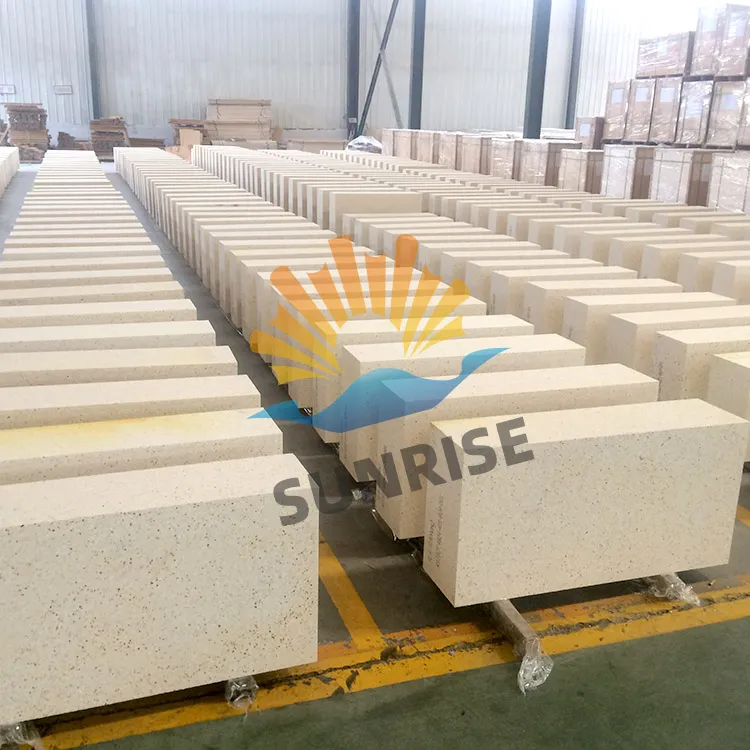
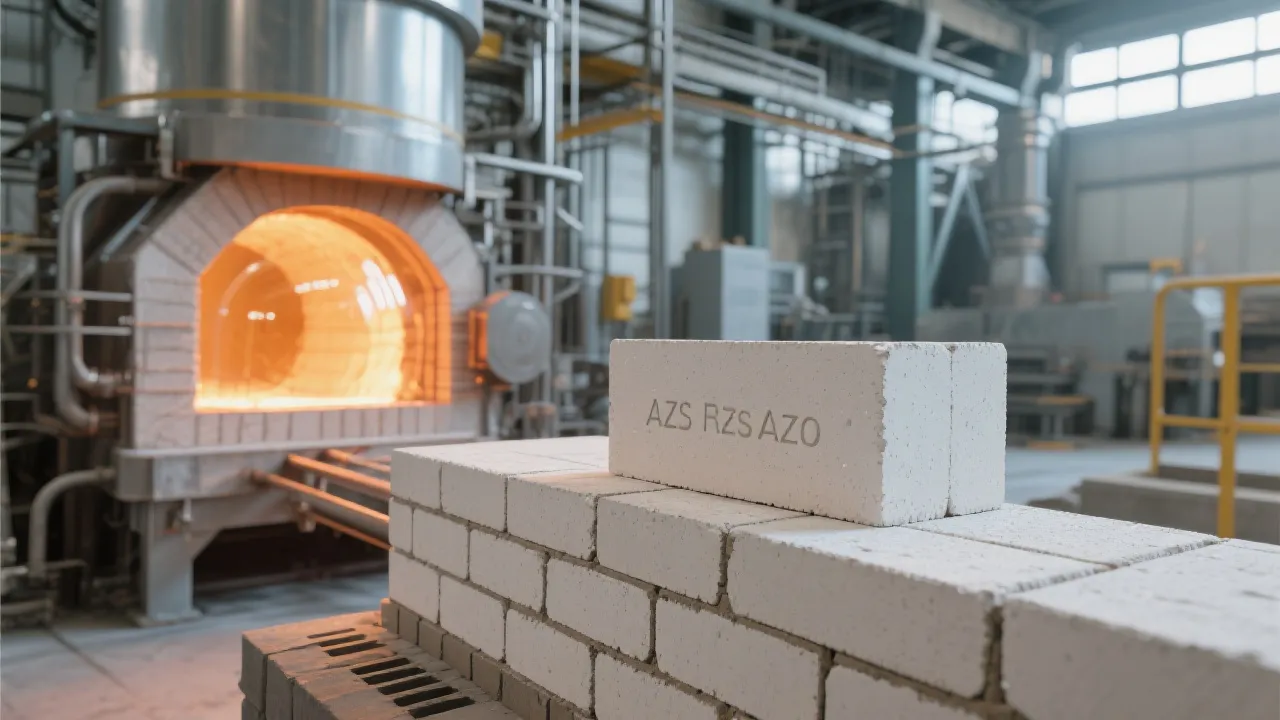
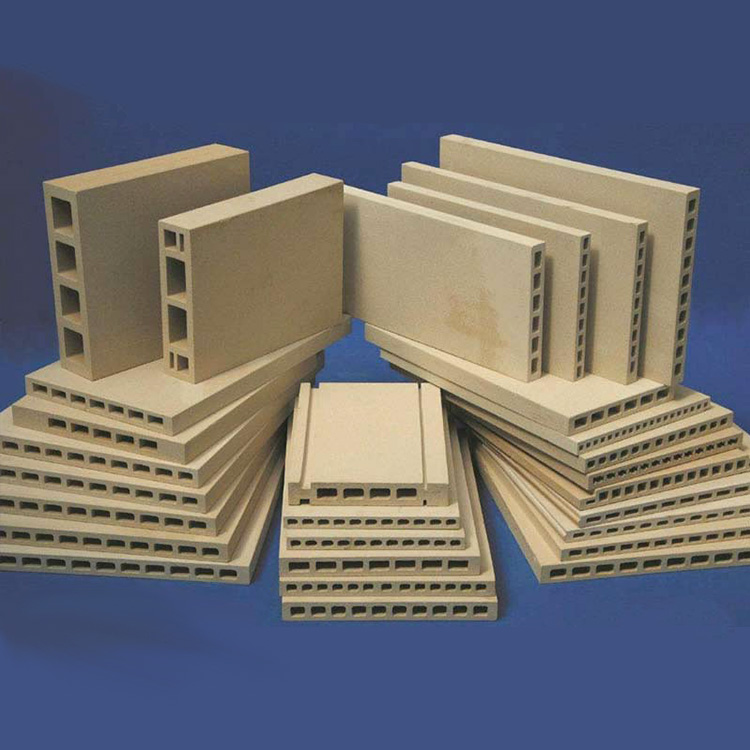
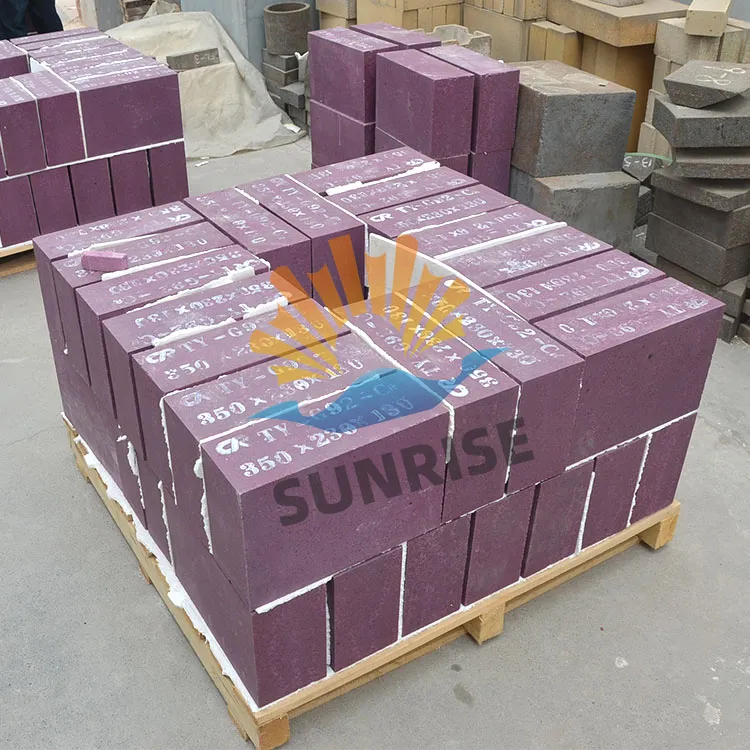
Chrome corundum bricks installed in a steel plant rotary kiln lining

Case Study 2: Cement Industry Rotary Kiln
A cement facility leveraging chrome corundum bricks in the burning zone reported enhanced thermal shock resistance, reducing unscheduled shutdowns triggered by brick spalling. Thermal cycling tests projected a lifespan improvement exceeding 30%, translating into increased plant throughput and lowered raw material waste.
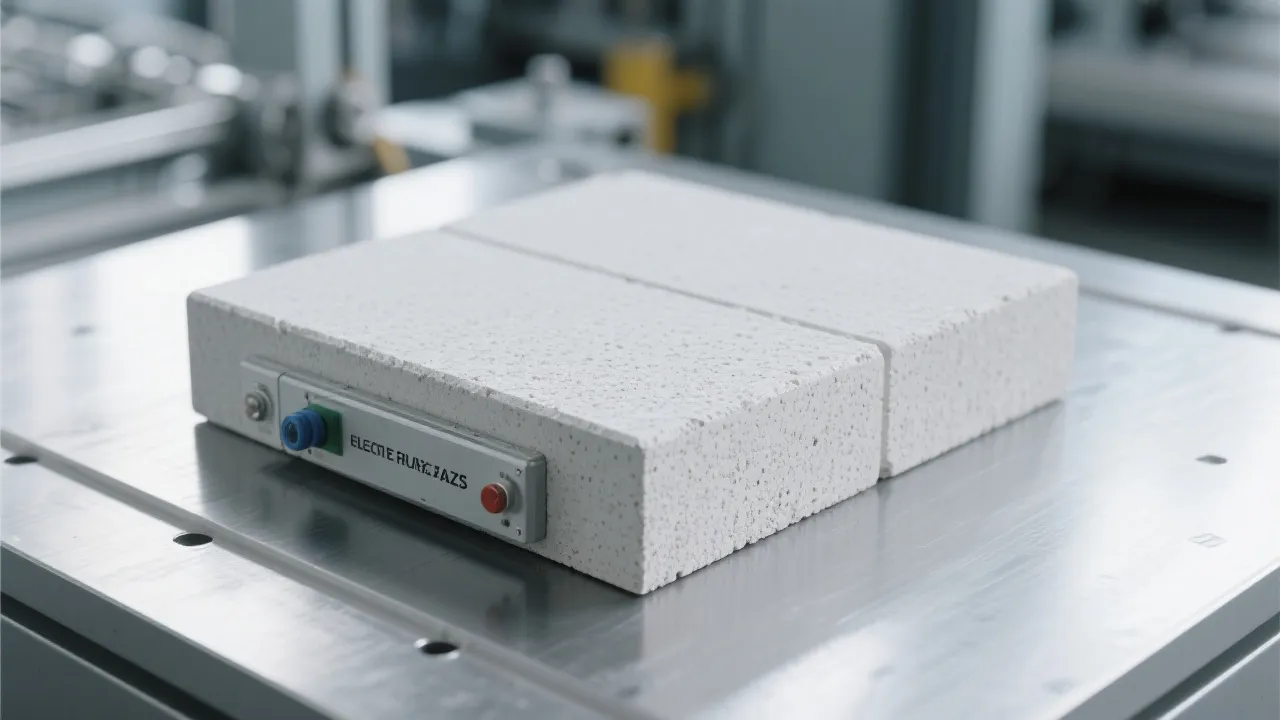
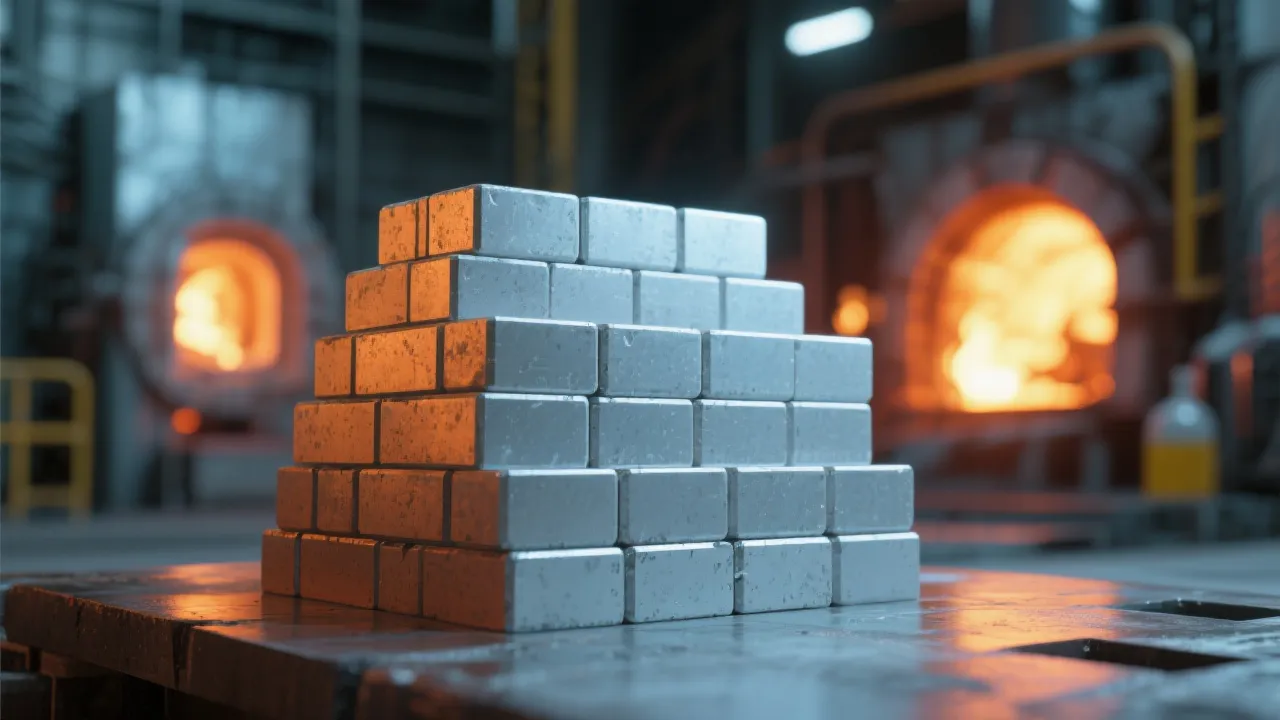
Thermal shock testing on chrome corundum bricks for cement kiln application

Technical Advantages Versus Competing Materials

Compared with alumina–silica bricks and conventional magnesia-chrome refractories, chrome corundum bricks show:

  • Higher resistance to chemical attack, especially in acidic and alkaline environments typical of kiln atmospheres
  • Better abrasion resistance contributing to decreased erosion from particulate flows
  • Superior thermal shock properties reducing failure incidents during rapid heating/cooling cycles
  • Consistent physical stability at temperatures up to 1600°C
Comparison chart of refractory brick performances in high-temperature environments

These advantages collectively enhance operational reliability and plant efficiency — emphasizing that chrome corundum bricks serve not only as wear-resistant linings but as integral components for productivity assurance.
Name *
Email *
Message*

Recommended Products

<#if (articleDetails.articleDetailsRelatedArticles.articleList?has_content)?? && (articleDetails.articleDetailsRelatedArticles.articleList?size>0)> <#if (articleDetails.articleDetailsRelatedArticles.isShow)?? && articleDetails.articleDetailsRelatedArticles.isShow> <#if (articleDetails.articleDetailsRelatedArticles.title)?? && articleDetails.articleDetailsRelatedArticles.title!="">

${articleDetails.articleDetailsRelatedArticles.title}

<#list articleDetails.articleDetailsRelatedArticles.articleList as list>
<#if (list.imgUrl?has_content)?? && (list.imgUrl?has_content)> ${list.imgAlt} <#else> img

${list.title}

${(list.updateTime)?number_to_datetime?string('dd MM ,yyyy')}
Contact us
Contact us
https://shmuker.oss-accelerate.aliyuncs.com/tmp/temporary/60ec5bd7f8d5a86c84ef79f2/60ec5bdcf8d5a86c84ef7a9a/thumb-prev.png