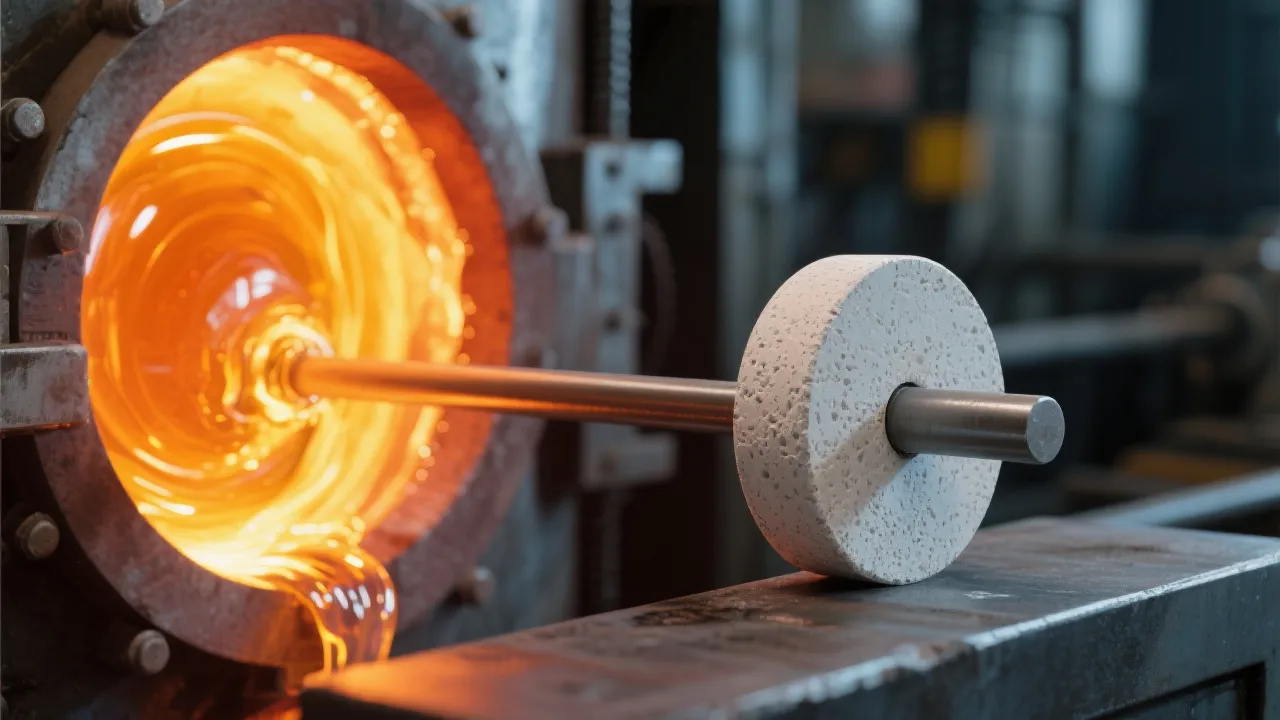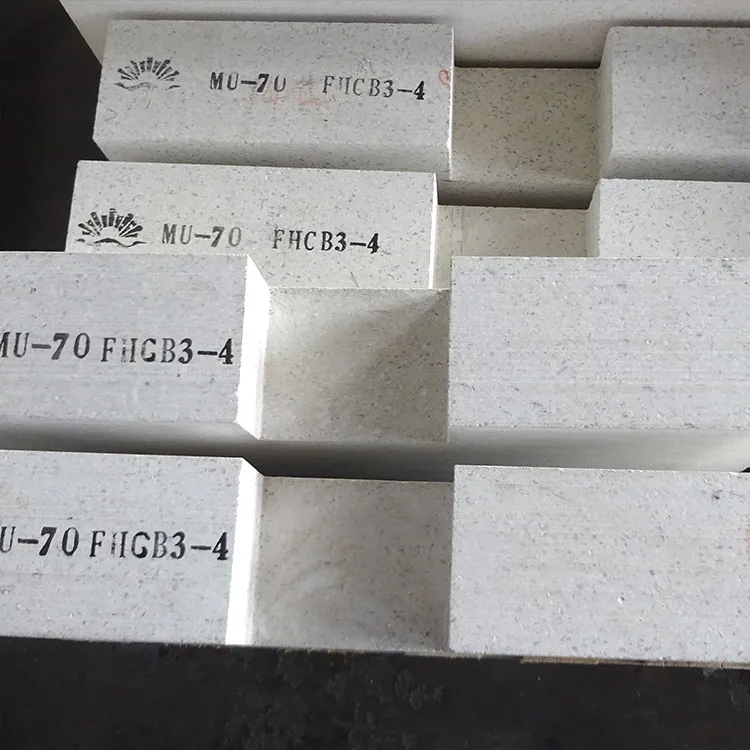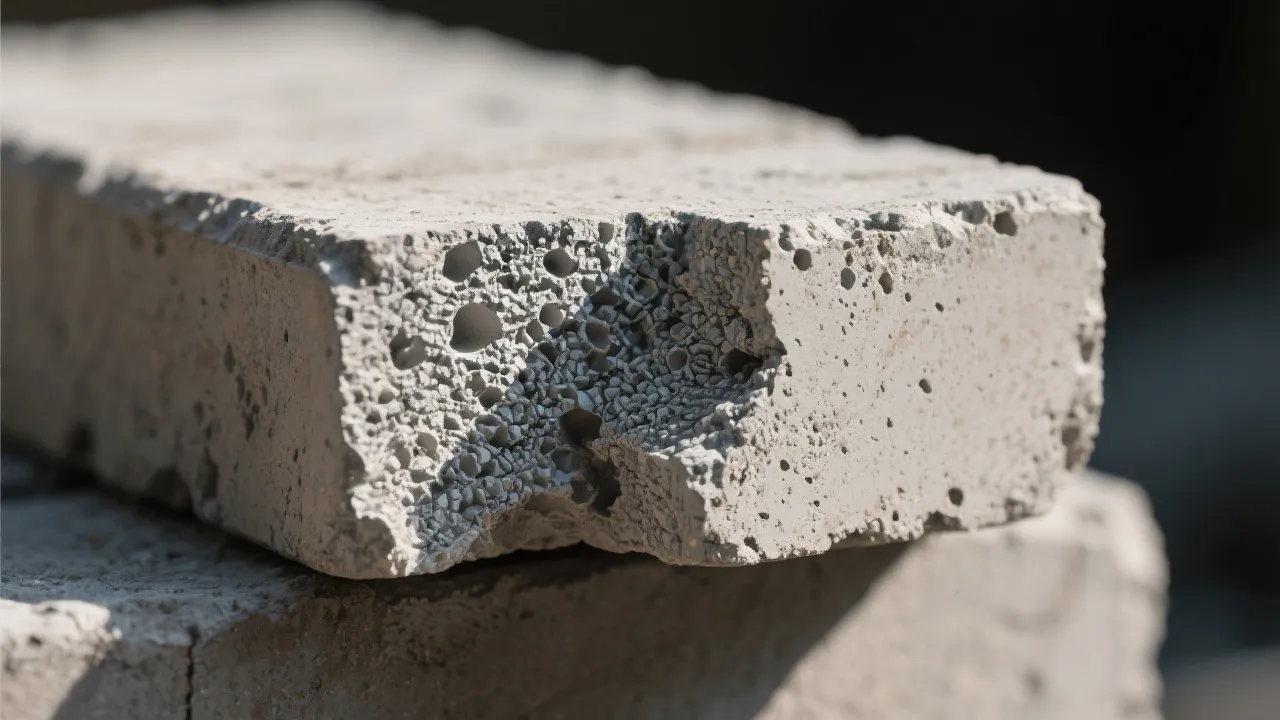
In the heart of every industrial process—from steel manufacturing to cement production—refractory materials stand as the unsung heroes, withstanding extreme temperatures that would melt ordinary materials. Among these, chromium corundum bricks have emerged as a cornerstone solution for industries operating under the most demanding thermal conditions. What many industry professionals may not realize is how manufacturing process diversity directly impacts the performance capabilities of these critical components.
Sunrise has perfected two distinct manufacturing methodologies that deliver tailored solutions for specific industrial challenges. Each process offers unique advantages in terms of material density, structural integrity, and performance characteristics.
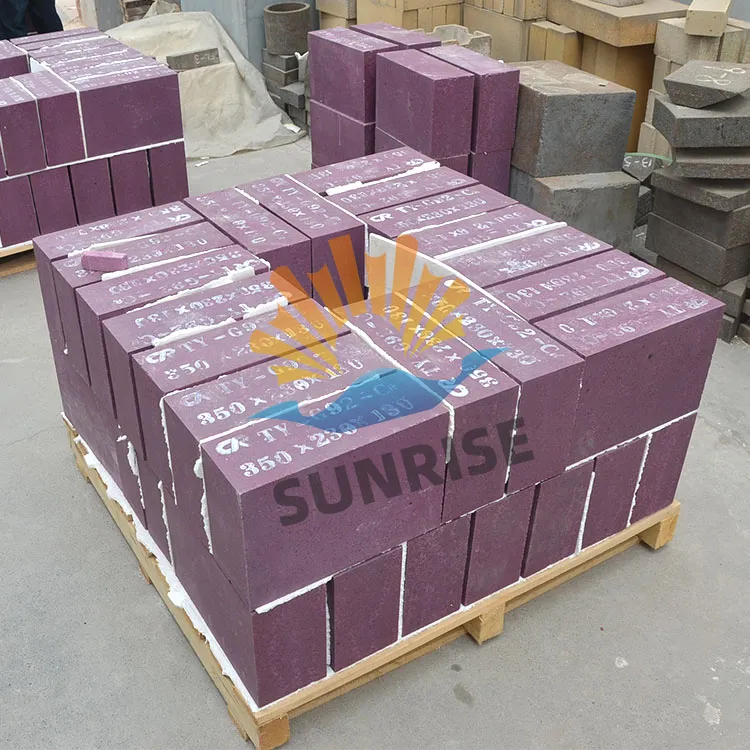
This time-tested technique begins with precise selection of raw materials, including high-purity alumina (90-95% Al₂O₃) and chromium oxide (Cr₂O₃) in carefully controlled proportions. The mixture undergoes:
This process excels in producing bricks with exceptional structural strength, ideal for applications requiring high mechanical load-bearing capacity.
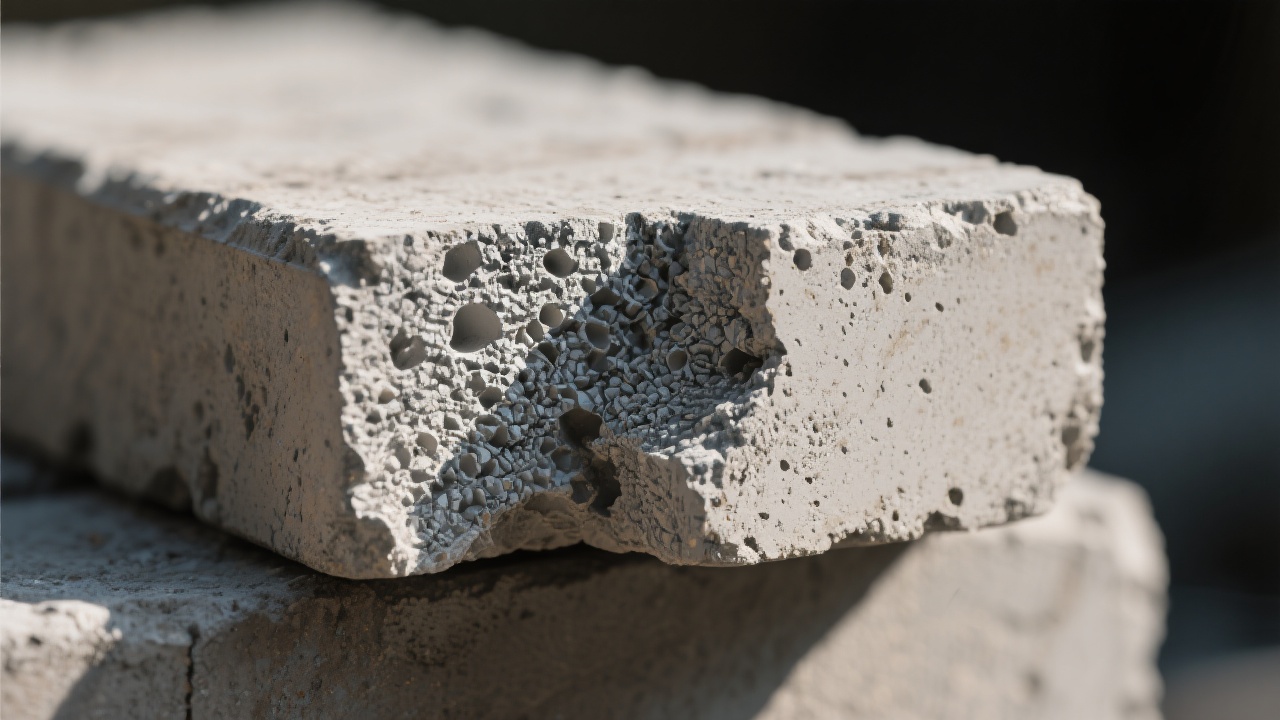
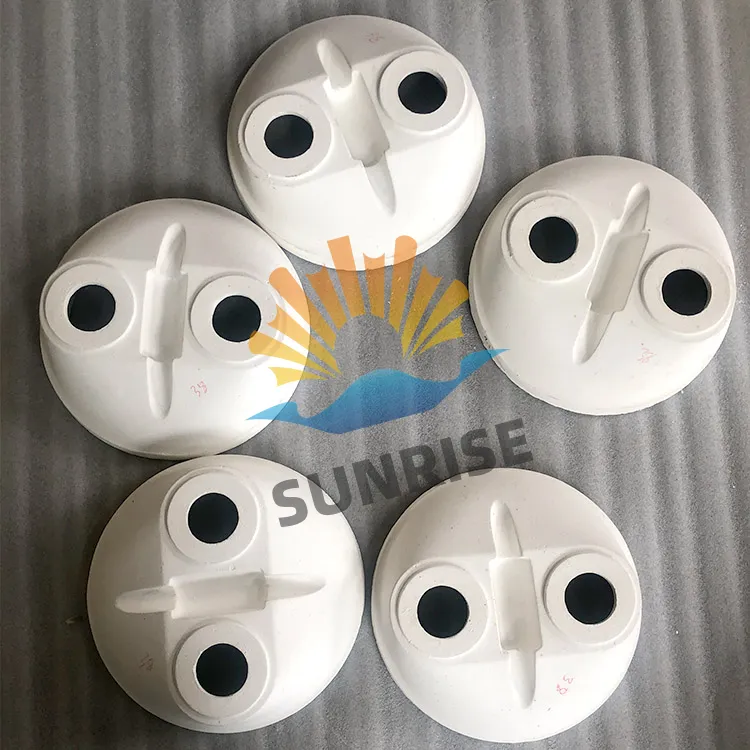
For complex geometries and enhanced material homogeneity, Sunrise employs advanced slip casting technology. This process involves:
Slip casting achieves superior microstructure uniformity, resulting in enhanced thermal shock resistance and corrosion performance—critical factors in cyclical temperature environments.
The choice between manufacturing processes directly influences material performance. Independent testing has demonstrated significant differences in key properties:
| Performance Metric | Traditional Process | Slip Casting Process | Industry Standard |
|---|---|---|---|
| Abrasion Resistance (cm³/50N) | ≤8.5 | ≤6.2 | ≤12.0 |
| Thermal Shock Resistance (cycles 1100°C-water quench) | ≥35 | ≥50 | ≥25 |
| Acid Corrosion Resistance (%) | ≤1.2 | ≤0.8 | ≤3.0 |
| High Temp Creep (0.2MPa/1500°C, %/h) | ≤0.08 | ≤0.05 | ≤0.15 |

The true measure of any refractory material lies in its real-world performance. Consider the experience of a leading European steel manufacturer facing frequent furnace relining due to premature material failure:
"After switching to Sunrise's slip-cast chromium corundum bricks in our electric arc furnace sidewalls, we've extended maintenance intervals from 3 months to over 8 months—a 167% improvement. The reduced downtime has directly translated to approximately €420,000 in annual savings."
— Plant Operations Director, Major Steel Producer
Similarly, a chemical processing facility in the Middle East struggling with aggressive acid environments reported a 75% reduction in corrosion-related failures after implementing Sunrise's traditional process chromium corundum bricks in their reactor linings.
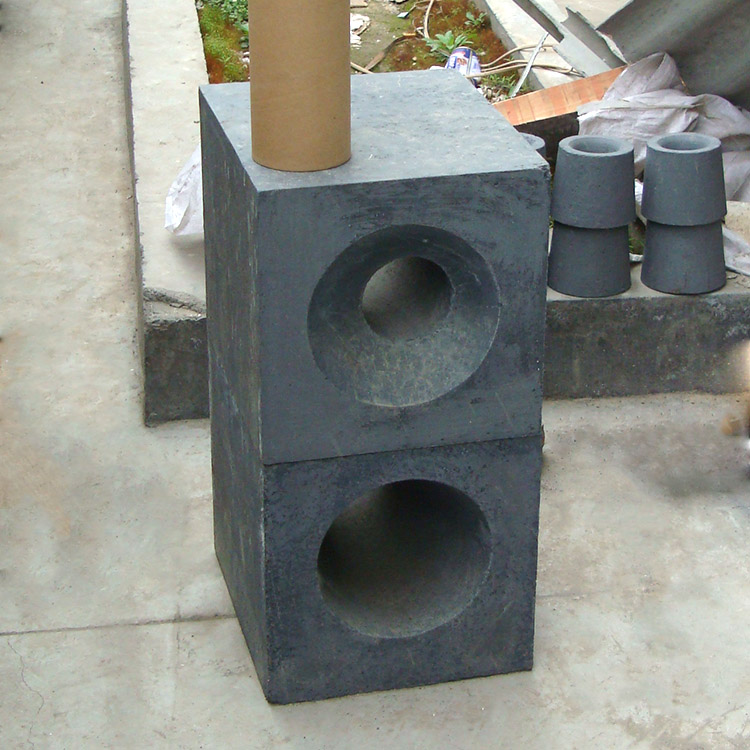
Selecting between traditional mixing and slip casting depends on your specific operational challenges: Traditional molding offers superior structural strength for high-load applications, while slip casting provides enhanced thermal shock resistance and corrosion performance for cyclical temperature environments or chemical exposure. Often, the optimal solution involves strategic placement of different brick types within the same furnace or process unit.
At Sunrise, we don't just supply refractory materials—we engineer performance solutions tailored to your unique operating conditions. Our technical team combines decades of industry experience with advanced material science to recommend the ideal combination of manufacturing processes and material compositions for your specific application.
Our team of refractory specialists is available for a no-obligation consultation to analyze your specific challenges and recommend the optimal chromium corundum brick solution.
Get Your Custom Refractory AssessmentWhether you're operating in steel, cement, glass, or chemical processing, the right refractory solution can mean the difference between unplanned downtime and seamless production. The manufacturing process behind your chromium corundum bricks isn't just a technical detail—it's a critical factor in your operational efficiency and bottom line.


.jpg?x-oss-process=image/resize,h_1000,m_lfit/format,webp)

.jpg?x-oss-process=image/resize,h_1000,m_lfit/format,webp)




.jpg?x-oss-process=image/resize,h_1000,m_lfit/format,webp)