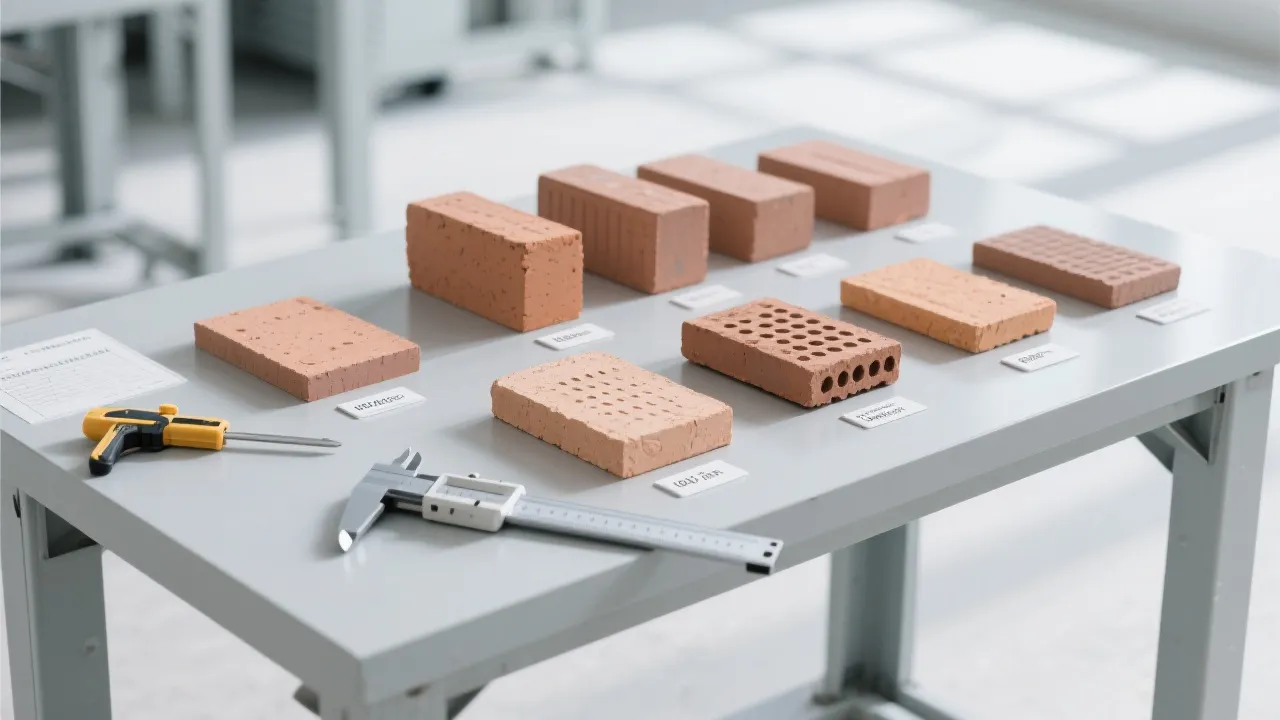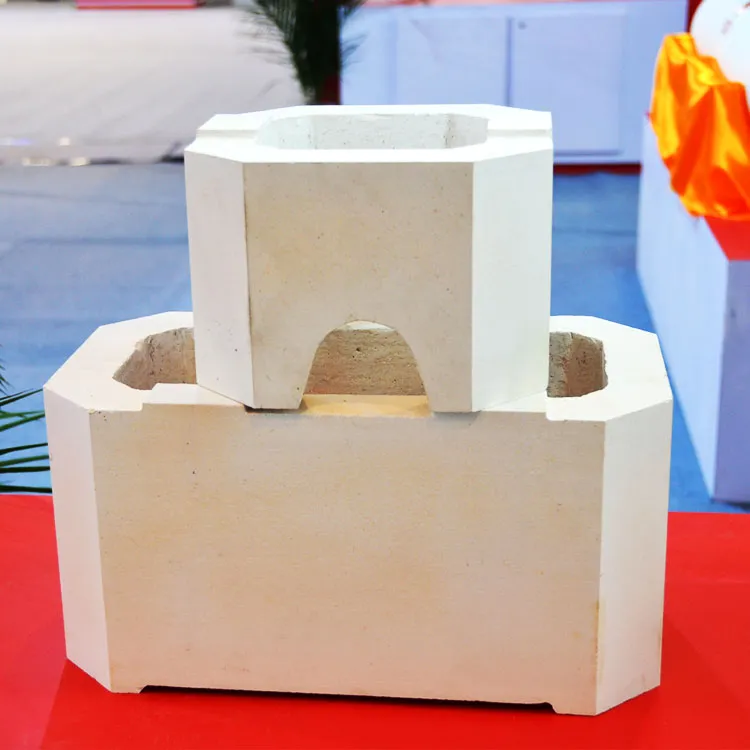
In the industrial sector, the choice of refractory materials significantly impacts the performance and lifespan of industrial equipment. Amidst numerous refractory options, chrome corundum bricks have emerged as a top - choice product. This article will delve into the performance of chrome corundum bricks and compare them with traditional refractory materials to help industrial customers make more informed decisions.
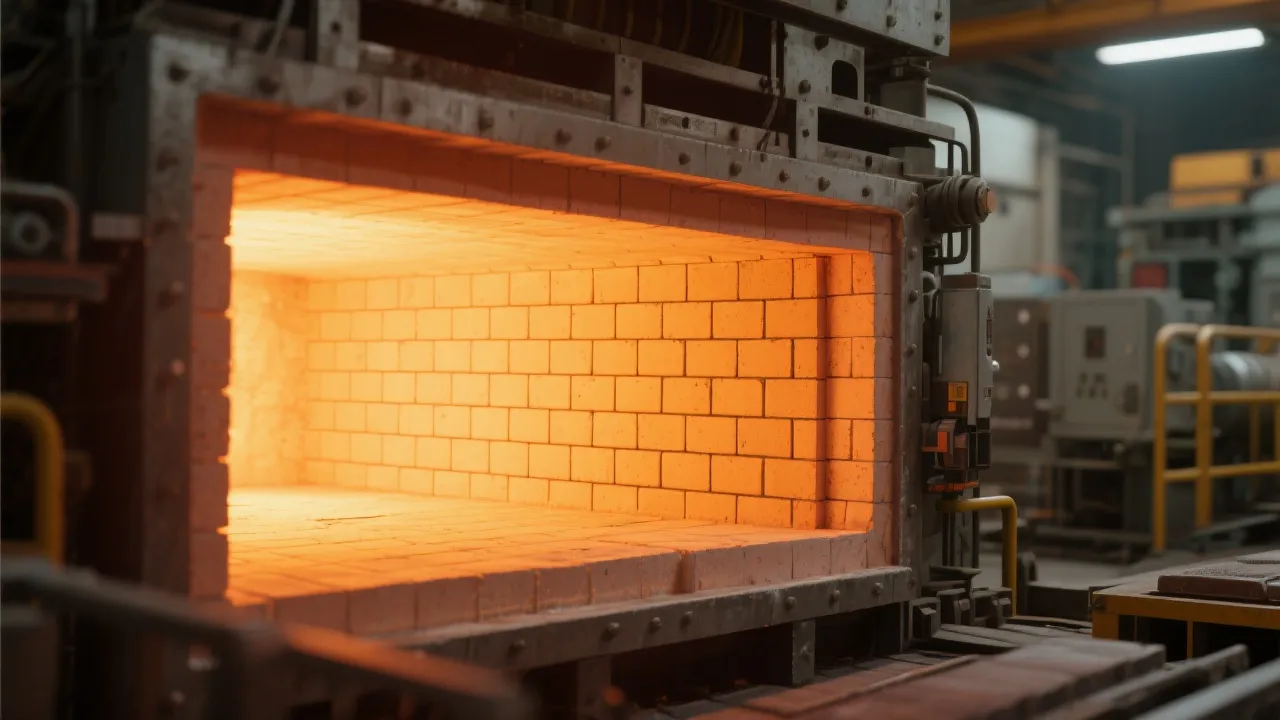
Before promoting chrome corundum bricks, it's crucial to understand the industrial background and pain points of target customers. Many industrial enterprises operate under harsh conditions, such as high - temperature environments, strong chemical corrosion, and high - friction processing. Traditional refractory materials often struggle to meet the long - term performance requirements under these conditions. For instance, in the steel - making industry, the temperature in furnaces can reach up to 1600°C, and traditional refractory materials may experience rapid wear and damage, leading to frequent equipment maintenance and replacement costs.
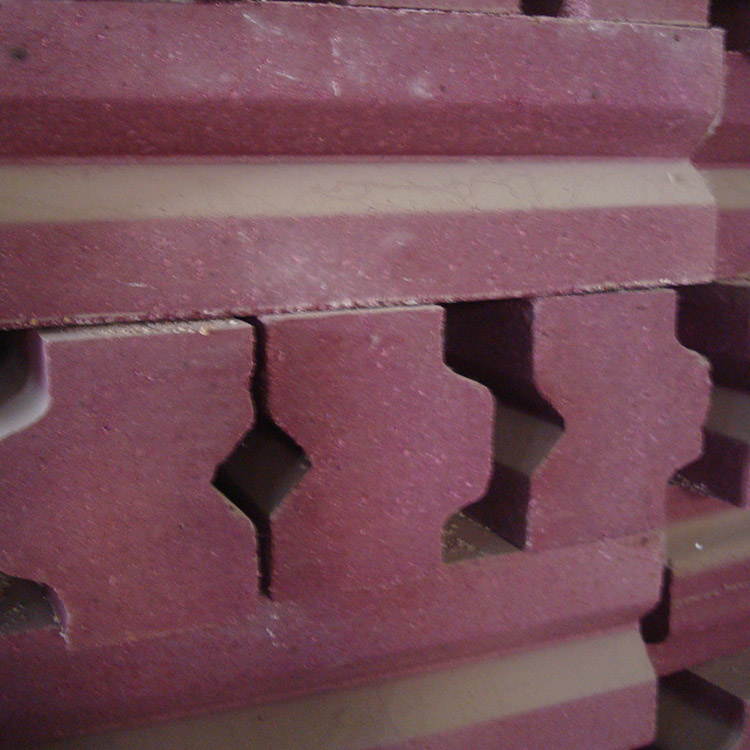
Chrome corundum bricks exhibit excellent wear resistance. Their Mohs hardness is generally around 9, second only to diamond. In high - friction industrial environments, such as cement kilns, chrome corundum bricks can withstand the continuous scouring of raw materials, reducing the wear rate by up to 60% compared to traditional refractory materials. This effectively extends the service life of equipment and reduces the frequency of equipment replacement.
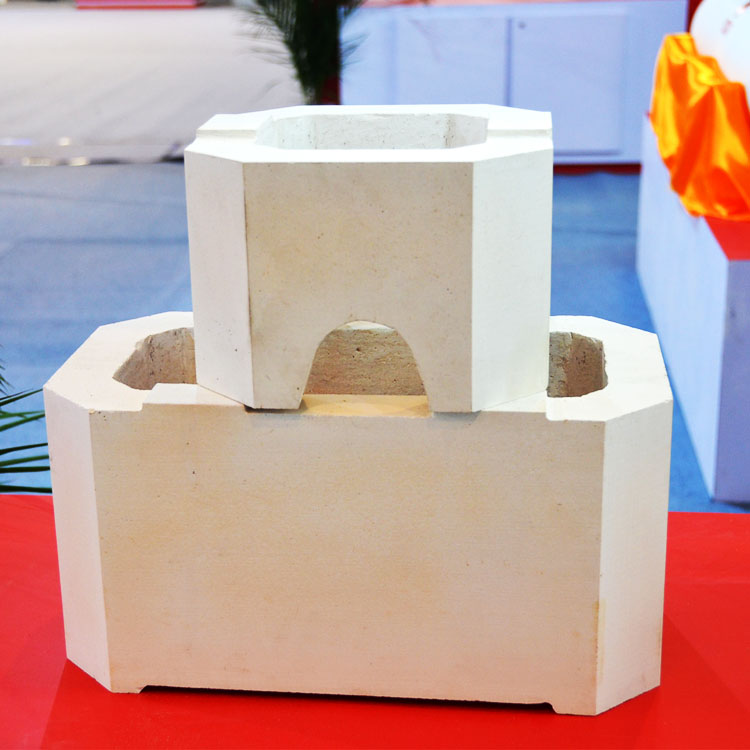
Thermal shock resistance is a crucial characteristic for refractory materials in high - temperature industrial applications. Chrome corundum bricks can withstand rapid temperature changes from room temperature to over 1000°C without cracking. The thermal shock resistance times of chrome corundum bricks can reach more than 50 times, while traditional refractory materials usually are less than 10 times, significantly enhancing the stability of equipment operation in high - temperature environments.
In chemical industries, industrial equipment often comes into contact with strong acids and alkalis. Chrome corundum bricks have a high alumina content and stable chemical properties, enabling them to resist corrosion from various acids and alkalis. Tests have shown that in a sulfuric acid solution with a concentration of 20%, the mass loss of chrome corundum bricks after 100 hours of immersion is less than 1%, while traditional refractory materials may have a mass loss of more than 10%.
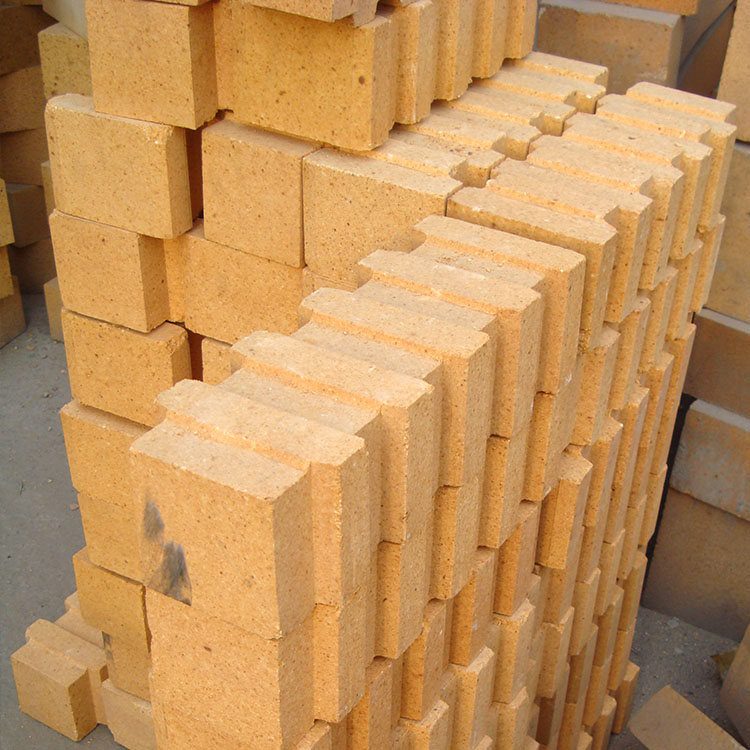
Under long - term high - temperature conditions, materials may undergo creep deformation. Chrome corundum bricks have low high - temperature creep rates. At a temperature of 1400°C and a pressure of 0.2MPa, the creep rate of chrome corundum bricks within 50 hours is less than 0.5%, ensuring the long - term stability of equipment structure in high - temperature environments.
When compared to traditional refractory materials, chrome corundum bricks offer significant advantages. Traditional refractory materials, such as clay bricks and high - alumina bricks, generally have lower wear resistance, thermal shock resistance, and acid - base corrosion resistance. Their use is often limited in high - demanding industrial environments, resulting in the need for more frequent equipment maintenance and downtime.
Let's look at some real - world examples. A large - scale steel - making enterprise in Europe replaced traditional refractory materials in its blast furnace with chrome corundum bricks. After several years of operation, they found that the service life of the blast furnace lining was extended from 1 year to 3 years, and the production efficiency increased by about 20% due to reduced maintenance time. Another ceramic factory in Asia used chrome corundum bricks in its kilns. The acid - base corrosion resistance of chrome corundum bricks effectively prevented the kiln from being damaged by the glaze chemical substances, reducing production losses.
Are you still struggling with the short lifespan and poor performance of traditional refractory materials? Upgrade your industrial equipment with chrome corundum bricks and experience the significant improvement in industrial efficiency! Click here to learn more about chrome corundum bricks and start your industrial upgrade journey now!





.jpg?x-oss-process=image/resize,h_1000,m_lfit/format,webp)