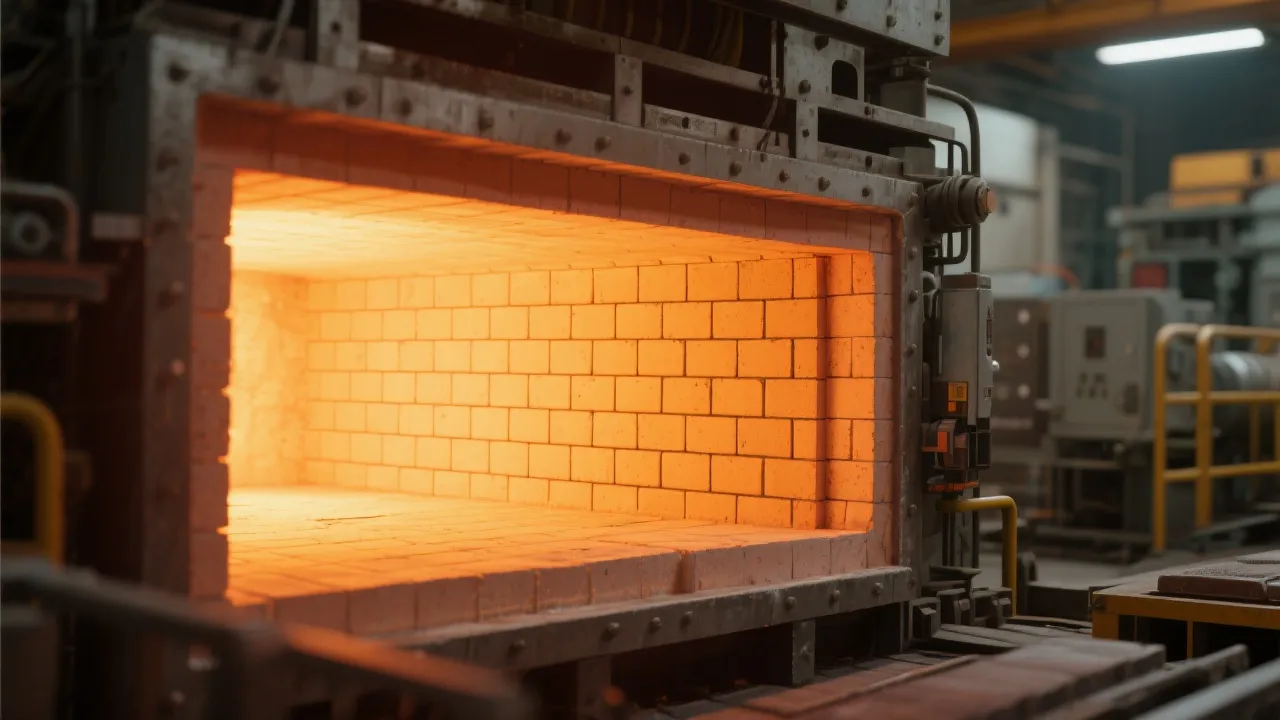
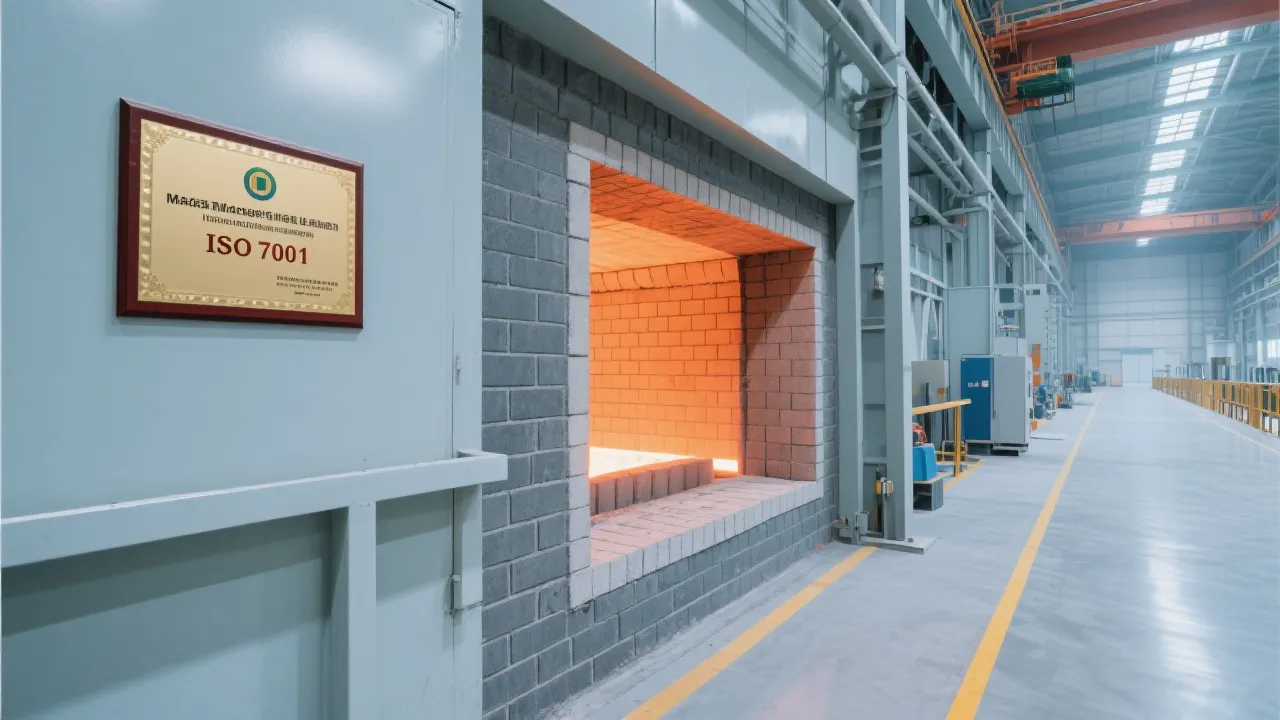
You might be facing repeated lining failures in your steel furnace or chemical reactor—costly downtime, safety risks, and unpredictable maintenance cycles. If so, you’re not alone. Many industrial operators are turning to chromium alumina brick as a proven solution for harsh environments where traditional refractories fall short.
Unlike generic high-alumina bricks that crack under thermal shock, chromium alumina brick offers exceptional durability thanks to its unique microstructure. Here’s what makes it stand out:
“After switching to chromium alumina brick in our cement rotary kiln, we reduced liner replacement frequency by 60% and cut unplanned downtime by over 40%.” — Plant Manager, Middle East Cement Co.
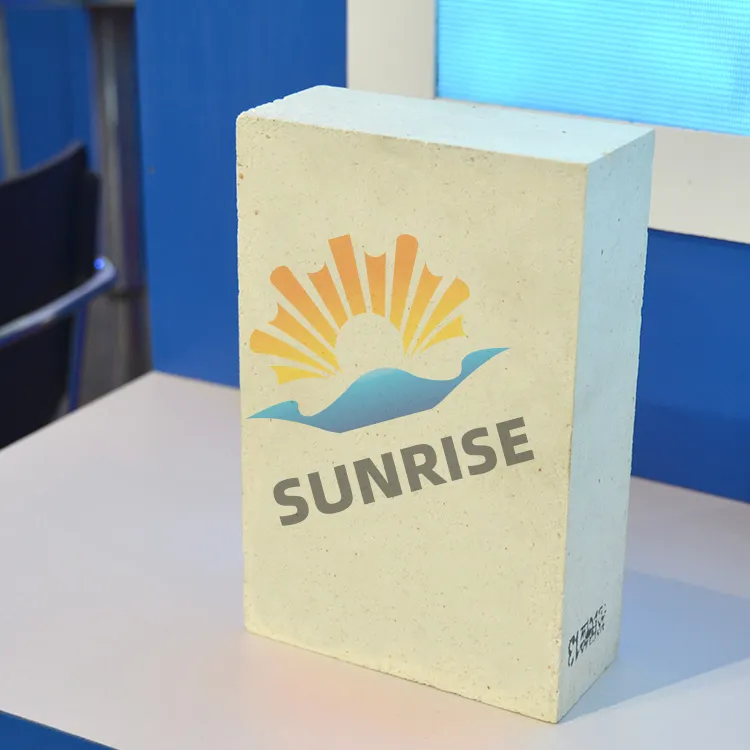
Compared to standard high-alumina brick (~80% Al₂O₃), chromium alumina brick adds 10–15% Cr₂O₃, which forms a protective layer during service. This isn’t just incremental improvement—it’s a performance leap:
| Material Type | Avg. Service Life (Months) | Failure Mode |
|---|---|---|
| Standard High-Alumina Brick | 6–9 | Spalling, erosion |
| Chromium Alumina Brick | 18–24+ | Minimal degradation |
If your equipment operates above 1400°C and sees frequent temperature swings or corrosive media, this is more than an upgrade—it’s a strategic shift toward operational resilience.
Let us help you match the right chromium alumina brick grade to your specific application—whether it's for steel ladles, chemical reactors, or cement kilns.
Get Your Custom Refractory Assessment NowYour next question might be: “Is this really worth the investment?” The answer lies in the total cost of ownership—not just upfront price. When you factor in fewer replacements, lower labor costs, and extended equipment life, chromium alumina brick delivers real ROI.
Still wondering if it fits your setup? We’d love to hear about your challenges—drop a note below or reach out directly. Let’s solve your wear problems together.





.jpg?x-oss-process=image/resize,h_1000,m_lfit/format,webp)
.jpg?x-oss-process=image/resize,h_1000,m_lfit/format,webp)