

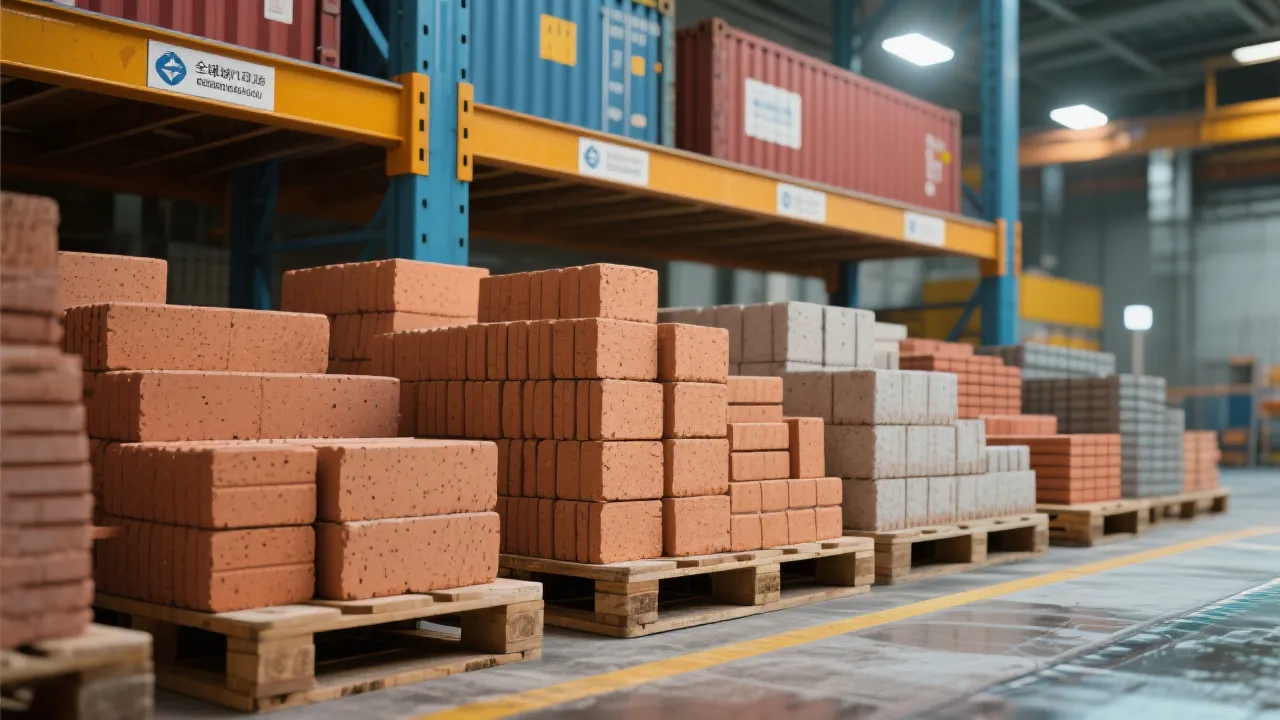
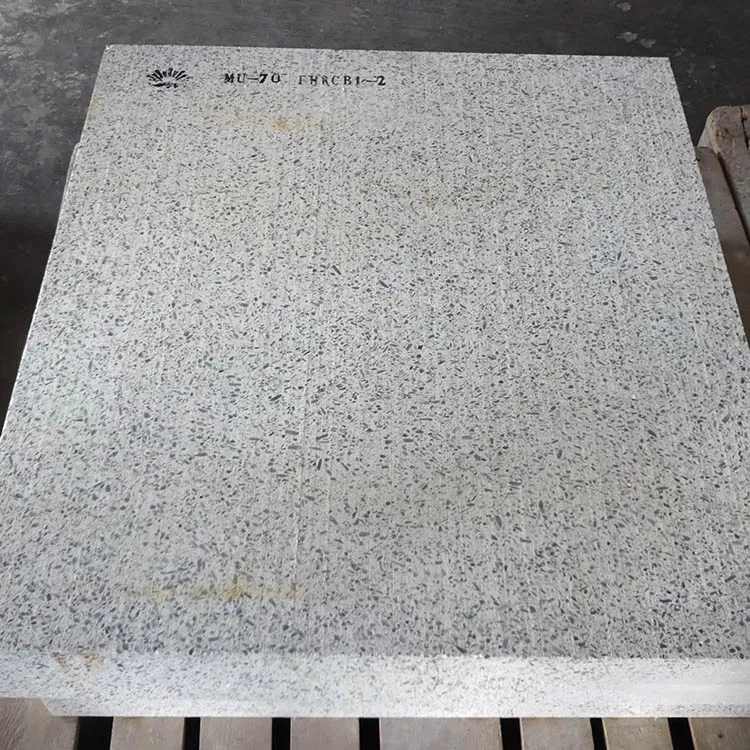
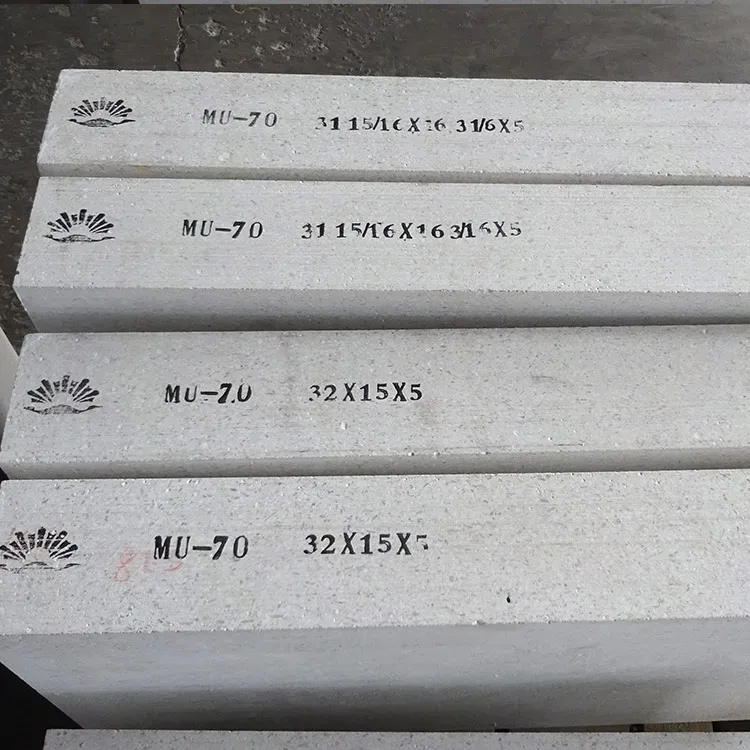
In the realm of high-temperature industrial applications, the performance of refractory materials can make or break operational efficiency and safety. Among the elite solutions available today, chrome corundum bricks stand out for their exceptional durability and thermal stability. What truly sets these advanced refractory components apart is the sophisticated manufacturing processes behind them—specifically, shuttle kiln firing and slip casting techniques. Let's explore how these methods contribute to creating a product that redefines industry standards for wear resistance, thermal shock stability, and chemical corrosion resistance.
Before delving into manufacturing processes, it's crucial to understand that the exceptional performance of chrome corundum refractory bricks begins with meticulous raw material selection. High-purity alumina (Al₂O₃) and chromite (FeCr₂O₄) form the core components, carefully sourced and tested to ensure optimal chemical composition. This attention to raw material quality ensures the final product can withstand temperatures exceeding 1700°C while maintaining structural integrity—a critical factor for industries ranging from steel production to cement manufacturing.
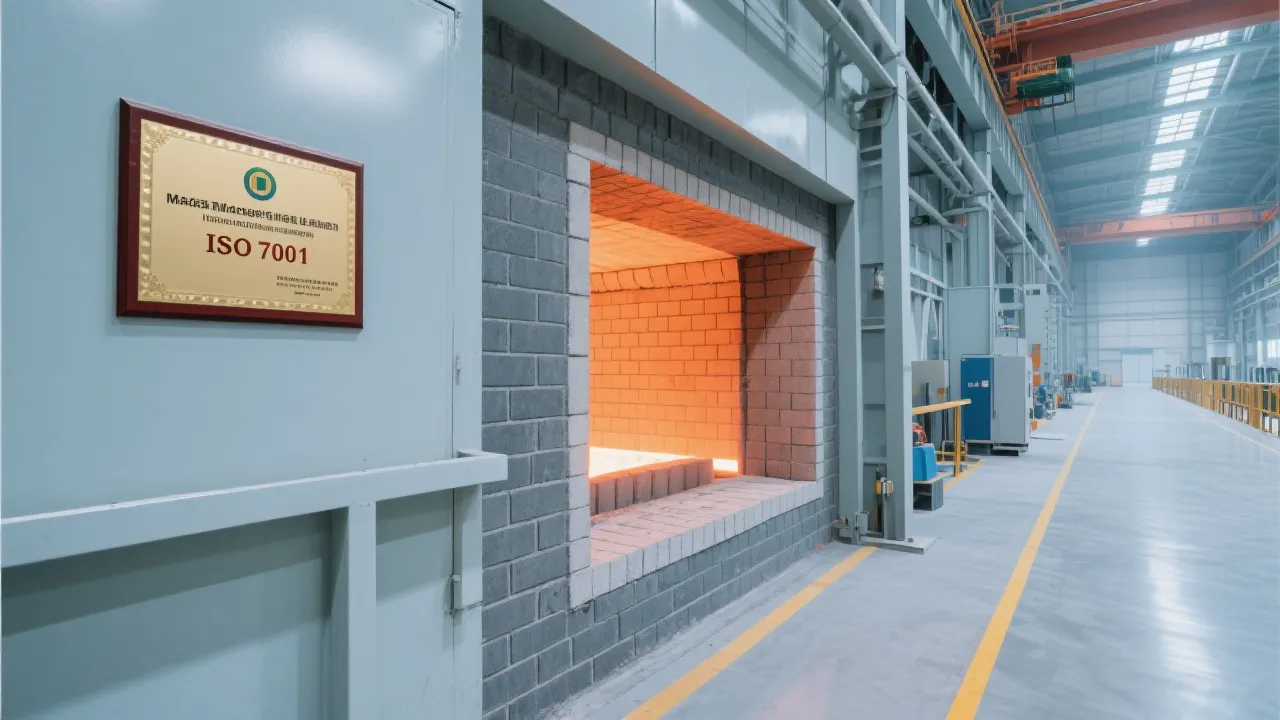
The shuttle kiln firing process represents a pinnacle of thermal processing technology, offering unparalleled control over temperature gradients and firing cycles. Unlike conventional kilns, shuttle kilns feature movable cars that transport brick batches through precisely controlled heating zones, ensuring uniform firing and minimal thermal stress.
These technical advantages translate directly to measurable performance benefits. Bricks fired in shuttle kilns demonstrate thermal shock resistance of up to 15 cycles (1100°C to water quench) and modulus of rupture values exceeding 50 MPa at room temperature—numbers that translate to longer service life in demanding industrial environments.
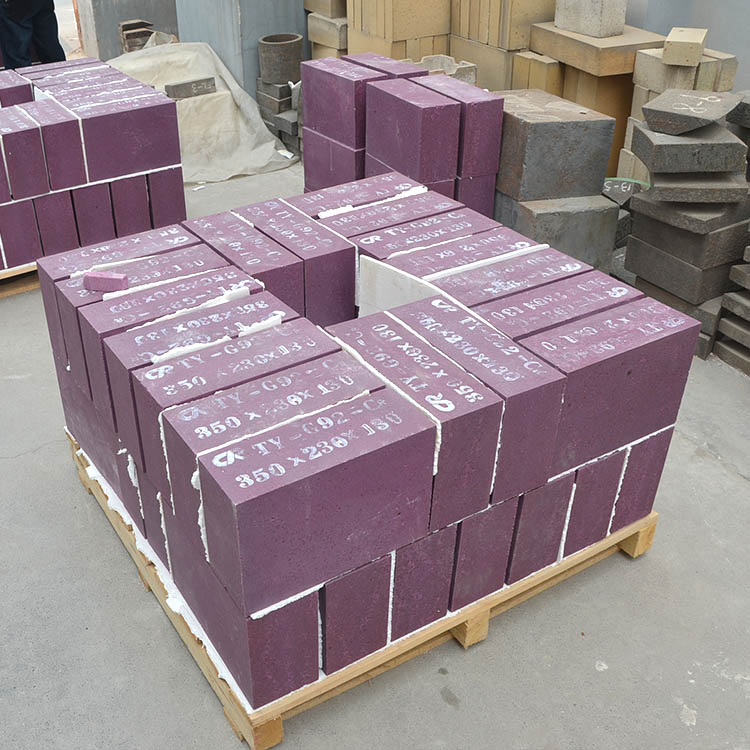
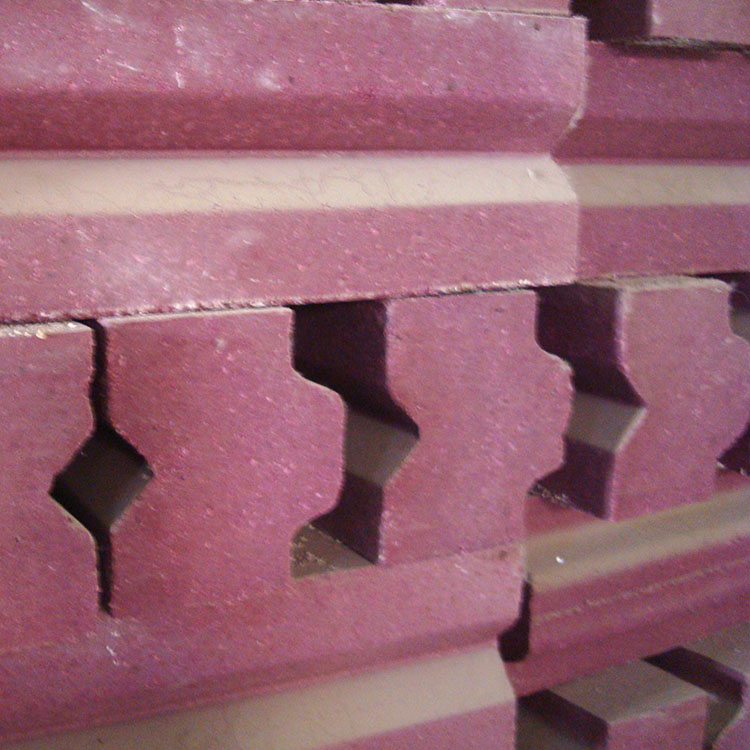
While shuttle kiln firing perfects the material properties, slip casting enables the creation of intricate brick shapes with exceptional dimensional accuracy. This forming process involves preparing a stable ceramic slurry (slip) that is poured into plaster molds, allowing for precise replication of complex geometries that would be challenging or impossible with traditional pressing methods.
Sunrise's proprietary slip casting process achieves:
The slurry preparation itself is a precise science, with particle size distribution carefully controlled to ensure optimal flow characteristics and casting properties. Typical solid content ranges from 65-70% by weight, with additives that control viscosity and setting time—critical factors in achieving consistent quality across production runs.
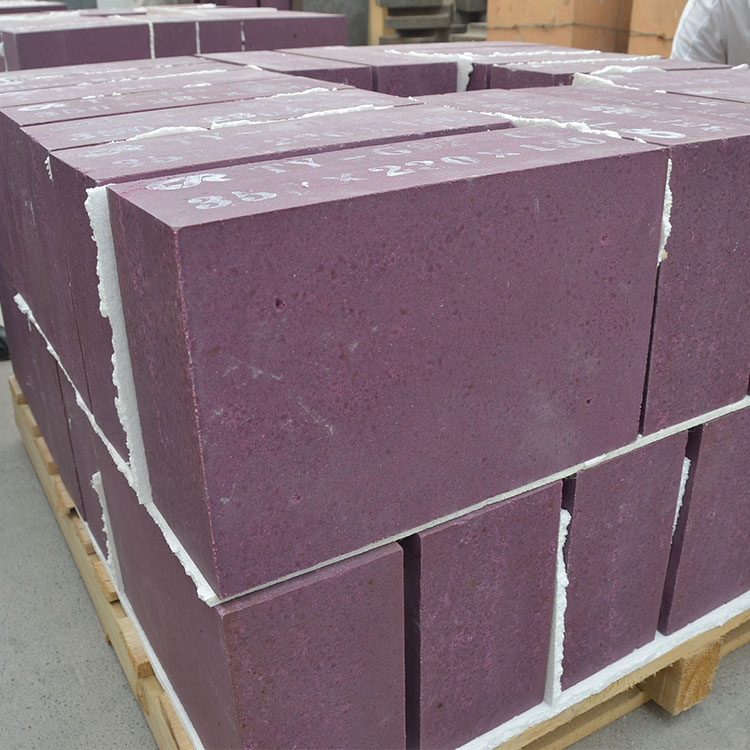
The combination of shuttle kiln firing and slip casting results in chrome corundum bricks that outperform conventional refractory materials across key metrics:
| Performance Metric | Chrome Corundum Brick (Sunrise) | Conventional Refractory |
|---|---|---|
| Abrasion Resistance (mg loss) | ≤150 | 300-500 |
| Thermal Shock Resistance (cycles) | 15+ | 5-8 |
| Max Service Temperature | 1750°C | 1400-1600°C |
| Acid Corrosion Resistance | Excellent | Moderate |
In a recent application at a major steel mill in Europe, Sunrise chrome corundum bricks were installed in the electric arc furnace sidewalls, replacing conventional magnesia-chrome bricks. The results were striking: campaign life increased by 42%, from 350 heats to 500 heats, while maintenance costs decreased by 28%. Plant managers reported significantly reduced downtime and improved temperature uniformity, directly contributing to higher steel quality and production efficiency.
"The thermal shock resistance of these bricks is remarkable," noted the plant's maintenance director. "We've eliminated the spalling issues that previously plagued our furnace operations, and the extended campaign life has transformed our maintenance scheduling and budget planning."
Discover how Sunrise chrome corundum bricks can reduce your maintenance costs, extend equipment life, and improve operational efficiency.
Request Your Technical Consultation TodaySelecting the right refractory material is a critical decision that impacts not just immediate operational costs, but long-term productivity and safety. The advanced manufacturing processes behind chrome corundum bricks—shuttle kiln firing and slip casting—deliver measurable advantages that translate directly to your bottom line. Whether facing extreme temperatures, abrasive materials, or corrosive environments, the technical superiority of these manufacturing methods ensures that Sunrise chrome corundum bricks stand ready to meet the most demanding industrial challenges.






.jpg?x-oss-process=image/resize,h_1000,m_lfit/format,webp)
.jpg?x-oss-process=image/resize,h_1000,m_lfit/format,webp)


