Chromia-Alumina Brick Manufacturing Process and High-Performance Refractory Advantages Explained

01 12,2025
Sunrise
Technical knowledge
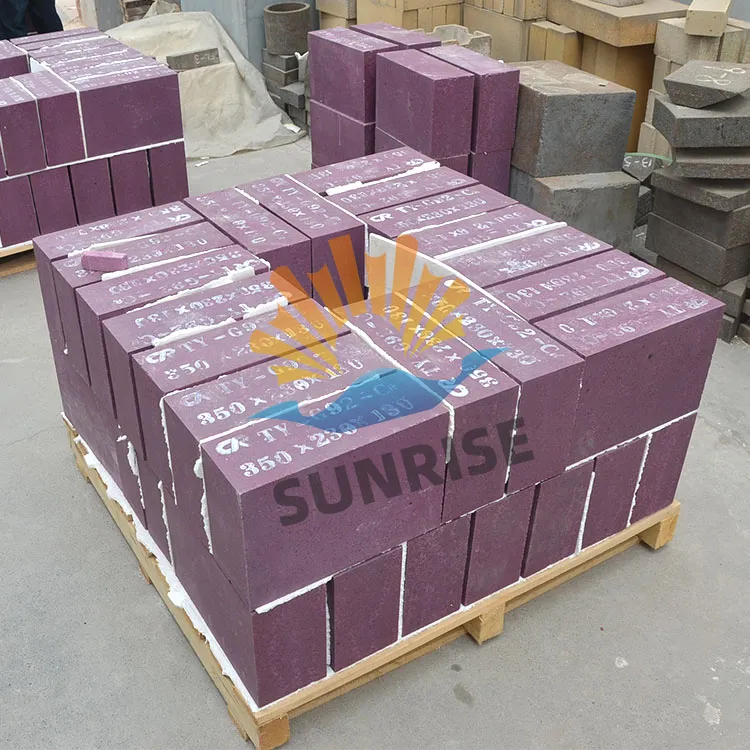
This article provides a comprehensive overview of the two main production methods for chromia-alumina bricks—traditional mixing and forming, and slip casting—detailing each step and their technical features in high-temperature firing within shuttle kilns. It highlights superior performance in wear resistance, thermal shock stability, acid-base corrosion resistance, and high-temperature creep behavior, supported by real-world case studies across industries such as cement, steel, and glass. By comparing with conventional refractories using industry-standard data, this piece clearly demonstrates why chromia-alumina bricks are preferred in extreme industrial environments. Designed for technical and decision-making professionals, it offers actionable insights into material selection and process optimization—inviting readers to explore tailored solutions through direct inquiry.
Series-of-amorphous-materilas-for-blast-furnace-6.jpg

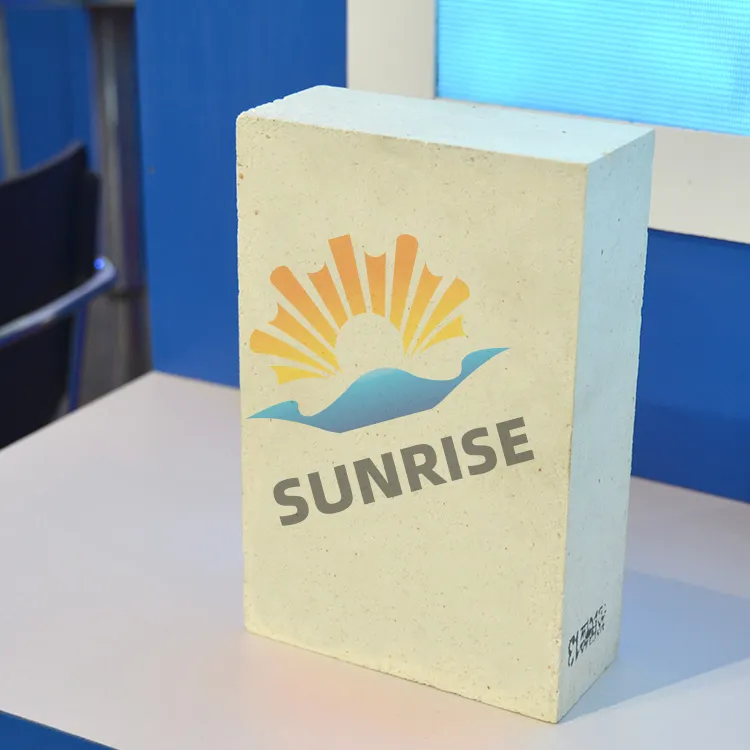
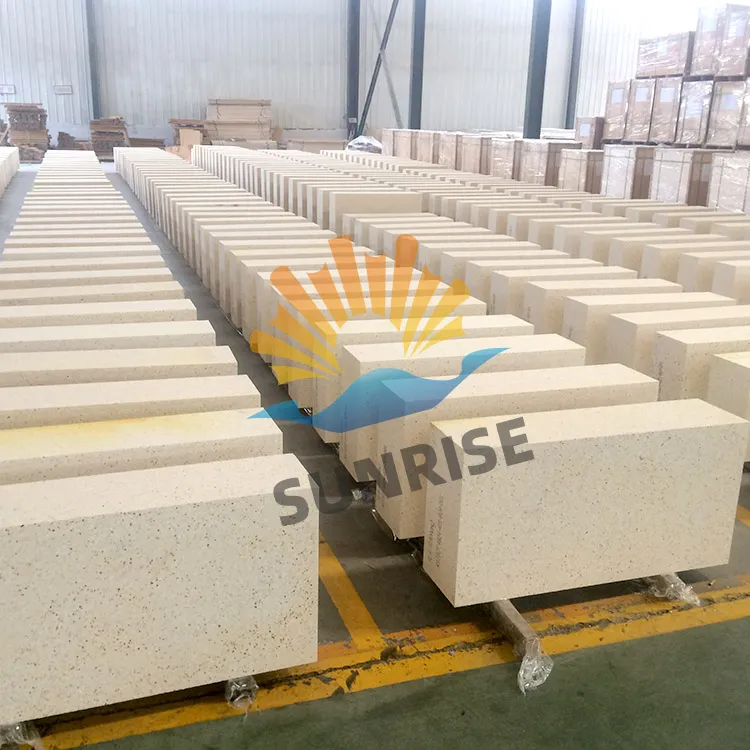
Understanding Chromic Alumina Brick: Production Techniques and Superior Performance in Harsh Industrial Environments

In high-temperature industrial applications—from steelmaking to cement kilns—material reliability is non-negotiable. Among the most trusted refractory solutions today, chromic alumina brick stands out for its exceptional durability, thermal stability, and chemical resistance. This article breaks down how these bricks are manufactured, what makes them perform better than alternatives, and why leading global manufacturers rely on them.

Two Key Manufacturing Methods: Traditional Mixing vs. Injection Molding

The production of chromic alumina bricks typically follows two main paths:

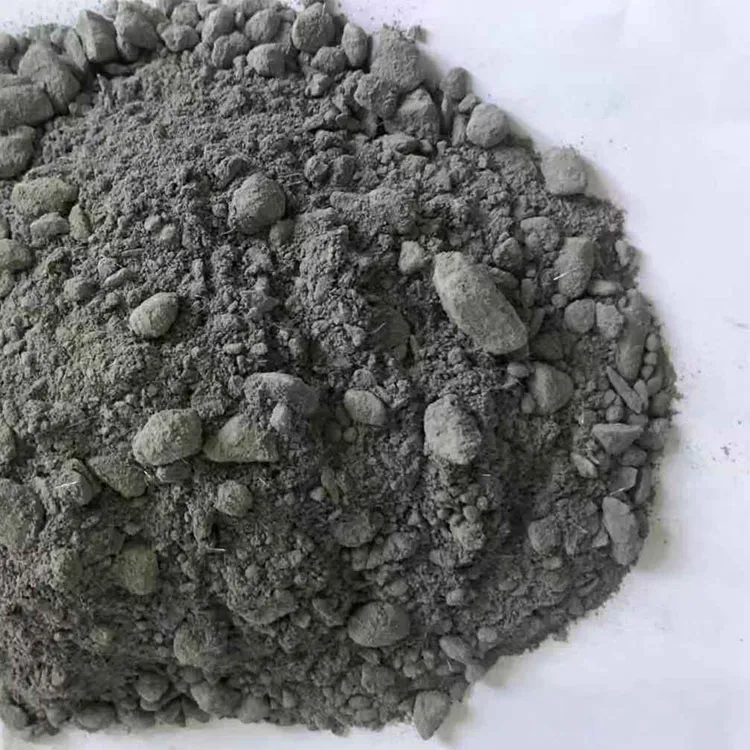
  • Traditional Dry Pressing: Raw materials (Al₂O₃ + Cr₂O₃) are mixed with binders, pressed into shapes under 20–30 MPa pressure, then fired at 1550–1650°C. Ideal for standard-grade bricks used in mid-range furnaces.
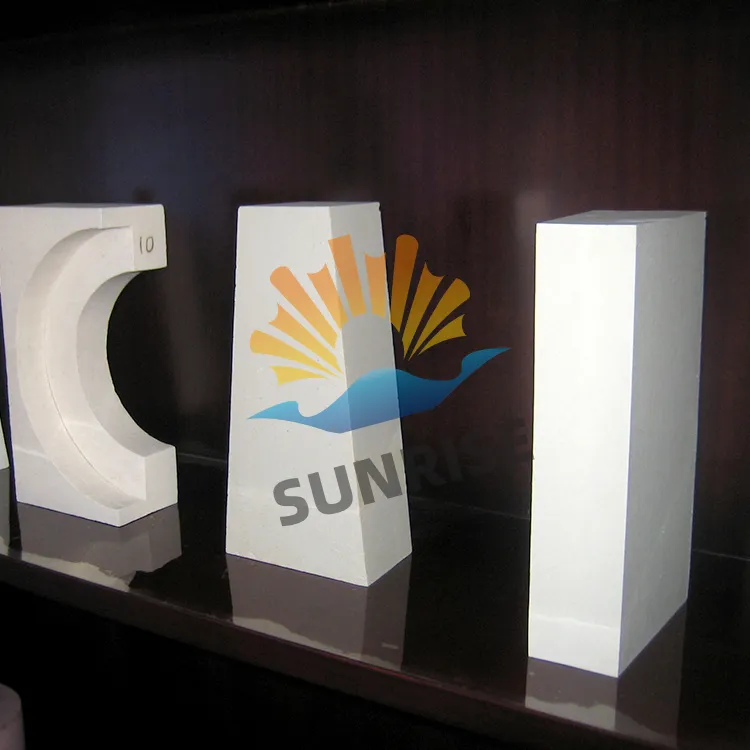
  • Slip Casting (注浆法): A slurry of fine particles is poured into molds, allowing precise shaping of complex geometries. Fired at 1600–1700°C, this method yields higher density (>3.0 g/cm³) and fewer microcracks—perfect for critical zones like burner blocks or regenerators.

Both methods ensure consistent quality, but slip casting delivers superior performance in extreme conditions—a key differentiator for clients seeking long-term cost savings.

Performance Metrics That Matter: Real Data from Field Tests

Property Chromic Alumina Brick Standard Firebrick Silica Brick
Wear Resistance (ASTM C270) 0.8 g/cm² 2.3 g/cm² 3.1 g/cm²
Thermal Shock Resistance (1100°C → Water Quench) ≥50 cycles ≤15 cycles ≤10 cycles
Acid/Alkali Corrosion (ISO 1893) Excellent (no weight loss after 24h) Poor Very Poor
Creep Resistance @ 1400°C (ASTM C153) ≤0.5% strain in 100 hrs ≤2.0% strain ≤3.5% strain

These figures aren’t just numbers—they represent real-world advantages. For example, a cement plant in Saudi Arabia reported a 40% reduction in maintenance downtime after switching to chromic alumina bricks in their preheater system.

Why Industry Leaders Choose Chromic Alumina Bricks

It’s not just about specs—it’s about total cost of ownership. One European steel mill saved over €85,000 annually by extending brick life from 18 months to 36 months using our optimized slip-cast formulation. Another case: an aluminum smelter in Canada reduced energy consumption by 6% due to improved heat retention—a direct result of the brick’s dense microstructure.

Whether you're sourcing for a new furnace build or optimizing existing operations, understanding the science behind your refractory choice matters. And when it comes to balancing performance, longevity, and operational safety—chromic alumina bricks offer a proven edge.

Ready to Optimize Your Refractory Strategy?

Get a customized solution tailored to your process temperature, chemical exposure, and throughput needs.

Download Our Free Technical Brochure & Request a Sample
Name *
Email *
Message*

Recommended Products

<#if (articleDetails.articleDetailsRelatedArticles.articleList?has_content)?? && (articleDetails.articleDetailsRelatedArticles.articleList?size>0)> <#if (articleDetails.articleDetailsRelatedArticles.isShow)?? && articleDetails.articleDetailsRelatedArticles.isShow> <#if (articleDetails.articleDetailsRelatedArticles.title)?? && articleDetails.articleDetailsRelatedArticles.title!="">

${articleDetails.articleDetailsRelatedArticles.title}

<#list articleDetails.articleDetailsRelatedArticles.articleList as list>
<#if (list.imgUrl?has_content)?? && (list.imgUrl?has_content)> ${list.imgAlt} <#else> img

${list.title}

${(list.updateTime)?number_to_datetime?string('dd MM ,yyyy')}
Contact us
Contact us
https://shmuker.oss-accelerate.aliyuncs.com/tmp/temporary/60ec5bd7f8d5a86c84ef79f2/60ec5bdcf8d5a86c84ef7a9a/thumb-prev.png