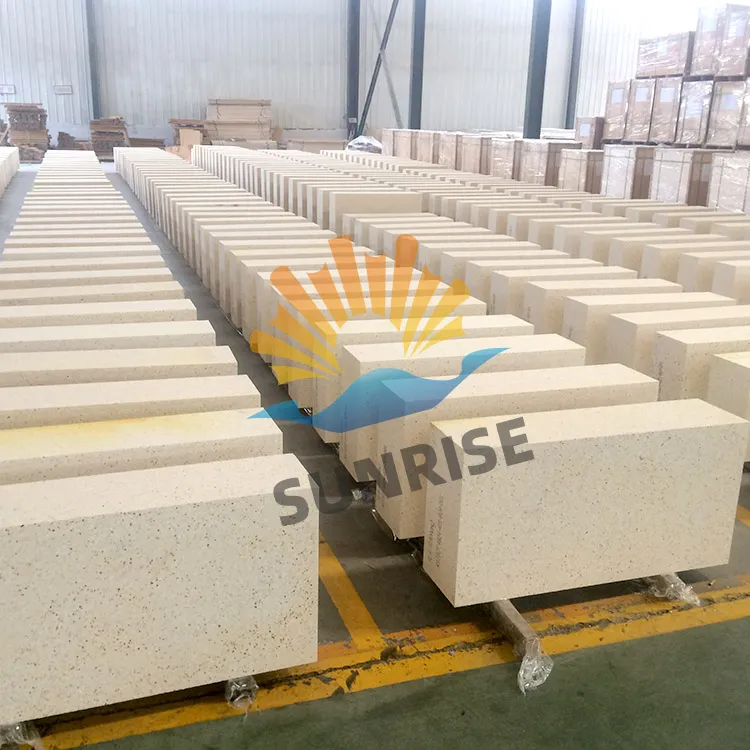
Comprehensive Analysis of Chromia Corundum Brick Production: Distinguishing Shuttle Kiln Firing from Casting Slip Method

28 11,2025
Sunrise
Technical knowledge
This article offers an in-depth exploration of high-quality raw materials used in chromia corundum bricks and their critical role in achieving superior product performance. It provides a detailed comparison of the shuttle kiln firing and casting slip production methods, highlighting their processes, technical differences, and suitability for various manufacturing environments. Featuring practical case studies and supporting data, the article showcases the bricks’ outstanding wear resistance, thermal shock stability, chemical corrosion resistance, and high-temperature creep properties. Designed to balance technical depth with accessibility, this resource empowers prospective clients with expert insights to confidently assess product value and enhance purchasing decisions.
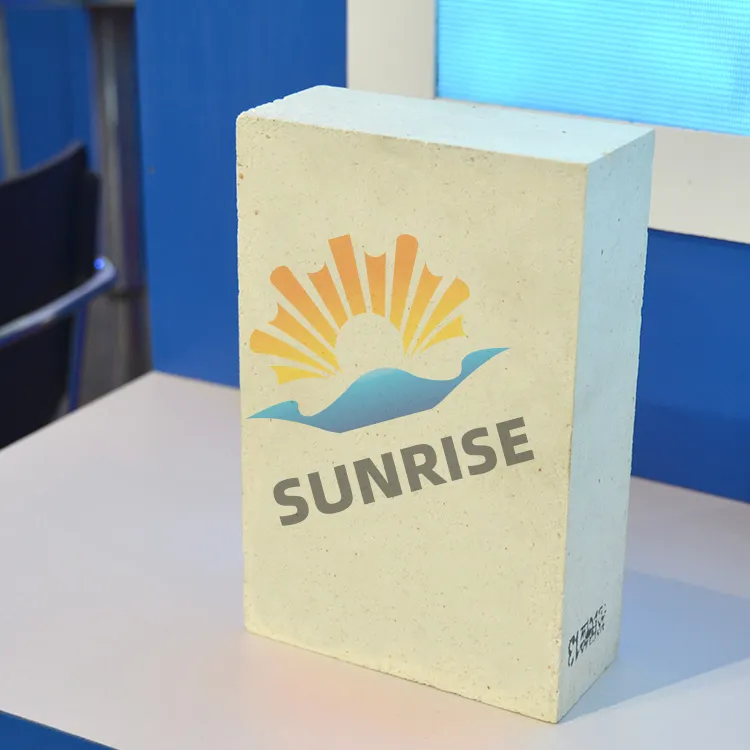
corner-cut-batts-5.JPG

Unveiling the Production Processes of Chrome Corundum Bricks: Rotary Kiln Firing vs. Casting Method

Chrome corundum bricks, prized for their exceptional performance in extreme industrial environments, owe their superiority to the meticulous selection of raw materials and the chosen production processes. At the core are high-purity α-Al2O3, chromium oxide powder, and finely granulated chrome corundum clinker, whose quality directly impacts brick durability and chemical stability. This article dives deep into the characteristics of these raw materials and critically compares two prevalent manufacturing methods: rotary kiln firing and the casting method.

Premium Raw Materials: The Foundation of Chrome Corundum Brick Excellence

The prime constituents of chrome corundum bricks are:

  • α-Al2O3 (Alpha Alumina): Recognized for its high melting point (~2072°C) and mechanical strength, the purity of this component (>99.5%) ensures superior thermal stability and abrasion resistance.
  • Chromium Oxide (Cr2O3): Enhances resistance to chemical corrosion, particularly from acidic and alkaline environments. Typical particle size ranges between 3-10 microns to optimize bonding.
  • Chrome Corundum Clinker Fines: Fine powder (<75 microns) processed to ensure homogeneity within the matrix, critical for mechanical integrity and reduction of porosity.

These components synergize to deliver bricks that maintain structural integrity under high abrasion, rapid temperature changes, and aggressive chemical exposures—making them indispensable in metallurgy, cement, and power sectors.

Rotary Kiln Firing: Traditional Strength with Robust Outcomes

The rotary kiln firing process involves shaping the raw mix into bricks, which pass through a high-temperature rotary kiln (approximately 1650–1750°C) for sintering. This continuous process features:

  • Uniform heat distribution via rotary movement, ensuring consistent microstructure development.
  • Consolidation of particles with excellent grain growth, yielding high mechanical strength (typically ≥55 MPa flexural strength).
  • Durable, low-porosity bricks with superior abrasion resistance (wear rate less than 0.19 g/cm2 after ASTM G65 testing).

Despite longer firing cycles (24-48 hours) and higher energy consumption, this technique is preferred when peak performance and longevity are paramount.
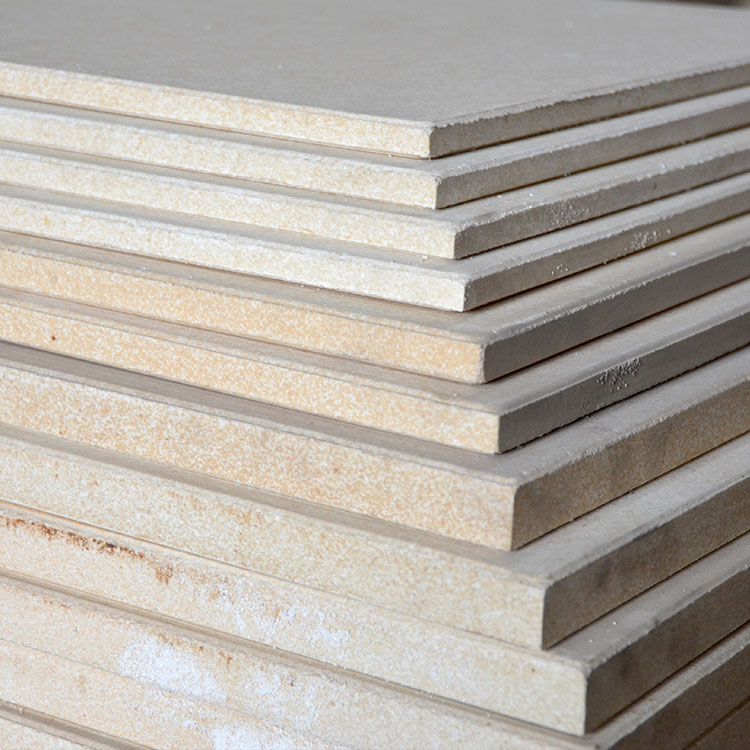
High-temperature rotary kiln firing process for chrome corundum bricks

Casting Method: Efficient Production Tailored for Versatility

The casting method, alternatively, involves preparing a slurry composed of raw materials, water, and binders, which is poured into molds and allowed to consolidate via curing and drying. Following this:

  • The shaping occurs at room temperature, reducing mechanical stresses and warping.
  • Subsequent drying and firing are often conducted at lower temperatures or shorter durations, accelerating production cycles.
  • Suitable for producing custom shapes and sizes with complex geometries.

The resulting bricks often display excellent thermal shock resistance (withstand up to 120 cycles between 150°C to 1000°C without cracking) and competitive chemical durability, although flexural strength may be slightly lower (~45 MPa).
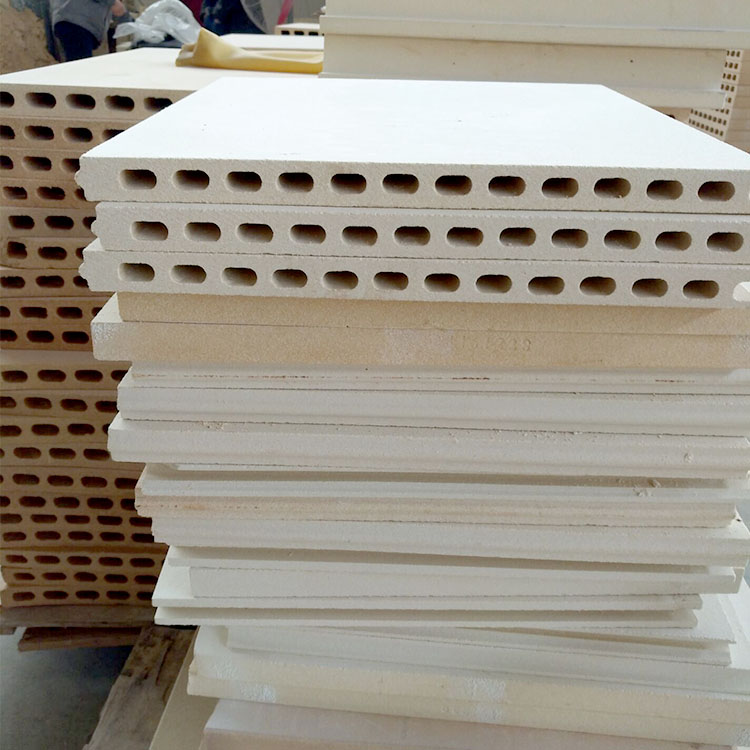
Casting method process for shaping chrome corundum bricks

Comparative Performance Metrics & Application Scenarios

Property Rotary Kiln Firing Casting Method
Flexural Strength (MPa) ≥55 ≈45
Abrasion Resistance (g/cm² ASTM G65) ≤0.19 ≈0.22
Thermal Shock Resistance (cycles 150°C - 1000°C) 80-100 Up to 120
Chemical Corrosion Resistance Excellent for acidic & alkaline Excellent, slightly better for customized blends

Practical Insight: A cement plant in Turkey switched to rotary kiln-fired chrome corundum bricks for their furnace lining, reporting a 35% increase in service life under high abrasion conditions. Meanwhile, a steel mill in India prefers casting method bricks for areas subjected to rapid temperature cycling due to superior thermal shock adaptation.
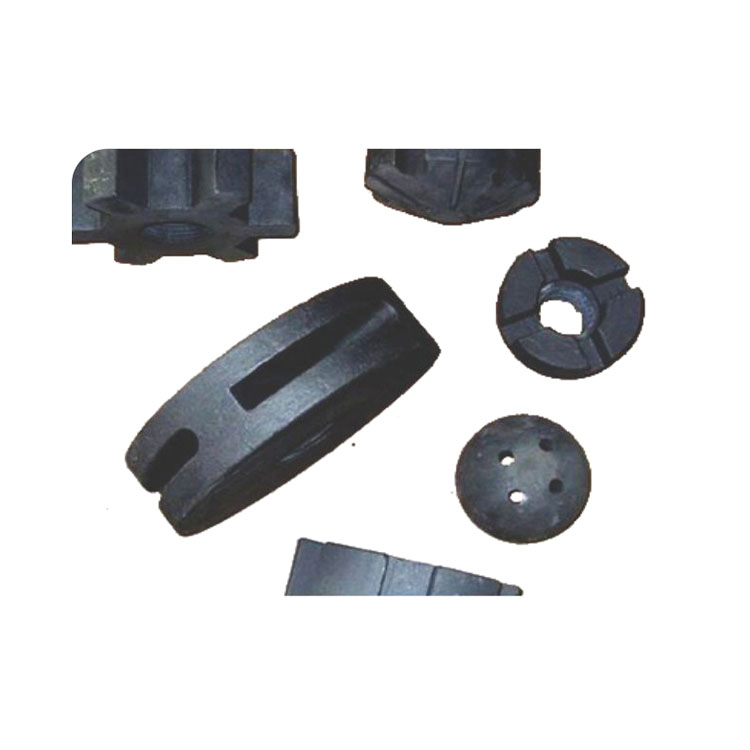
Industrial application of chrome corundum bricks in high-temperature zones

Engage with Us for Tailored Chrome Corundum Solutions

Understanding these production distinctions is crucial when selecting chrome corundum bricks tailored to your operational stresses and longevity requirements. Whether prioritizing ultimate hardness or thermal resilience, our expert team can guide you to the optimal choice.

We invite you to contact us for detailed technical consultations or to arrange a visit to our production facility. Witness firsthand the precision and quality controls embedded in every batch of chrome corundum bricks manufactured. Our commitment is to empower your decision-making with transparent data, real-world cases, and unmatched support.

Name *
Email *
Message*

Recommended Products

<#if (articleDetails.articleDetailsRelatedArticles.articleList?has_content)?? && (articleDetails.articleDetailsRelatedArticles.articleList?size>0)> <#if (articleDetails.articleDetailsRelatedArticles.isShow)?? && articleDetails.articleDetailsRelatedArticles.isShow> <#if (articleDetails.articleDetailsRelatedArticles.title)?? && articleDetails.articleDetailsRelatedArticles.title!="">

${articleDetails.articleDetailsRelatedArticles.title}

<#list articleDetails.articleDetailsRelatedArticles.articleList as list>
<#if (list.imgUrl?has_content)?? && (list.imgUrl?has_content)> ${list.imgAlt} <#else> img

${list.title}

${(list.updateTime)?number_to_datetime?string('dd MM ,yyyy')}
Contact us
Contact us
https://shmuker.oss-accelerate.aliyuncs.com/tmp/temporary/60ec5bd7f8d5a86c84ef79f2/60ec5bdcf8d5a86c84ef7a9a/thumb-prev.png