Enhancing Industrial Efficiency: How Chromic Alumina Brick's High-Temperature Creep Resistance Boosts Production Performance
24 01,2026
Application Tutorial
Chromic alumina brick is a high-performance refractory material renowned for its exceptional wear resistance, thermal shock stability, acid-alkali corrosion resistance, and superior high-temperature creep performance. Widely used in steelmaking, cement kilns, petrochemical reactors, and other extreme environments, it significantly extends equipment lifespan and improves production efficiency. This article explores real-world applications supported by data and case studies, demonstrating how chromic alumina brick outperforms traditional materials under harsh industrial conditions—providing measurable gains in uptime, maintenance cost reduction, and process reliability. Ideal for engineers, procurement managers, and plant operators seeking proven solutions to optimize operations.

Why Chromium Alumina Brick Is the Secret to Boosting Industrial Efficiency
Industrial operators across sectors—from steel mills to chemical plants—are constantly seeking materials that can withstand extreme conditions without compromising performance. Among these, chromium alumina brick stands out as a high-performance refractory solution proven to reduce downtime, extend equipment life, and improve energy efficiency.
Key Performance Metrics That Matter
Unlike standard firebricks, chromium alumina bricks offer measurable advantages under real-world stress:
- High Wear Resistance: With a Mohs hardness of 8–9, it resists abrasion in high-velocity environments like kiln linings and rotary furnaces—reducing maintenance cycles by up to 40% (based on case studies from Chinese steel manufacturers).
- Thermal Shock Stability: Can endure rapid temperature changes from 20°C to 1400°C without cracking—a critical factor in continuous casting operations where thermal cycling is frequent.
- Corrosion Resistance: Maintains integrity in acidic and alkaline atmospheres, making it ideal for petrochemical reactors and waste incinerators where traditional bricks fail within 6–12 months.
- Low High-Temperature Creep: At 1300°C, creep deformation is less than 0.5% after 100 hours—significantly lower than conventional alumina bricks (typically 1.2–2.5%). This ensures structural stability over time.
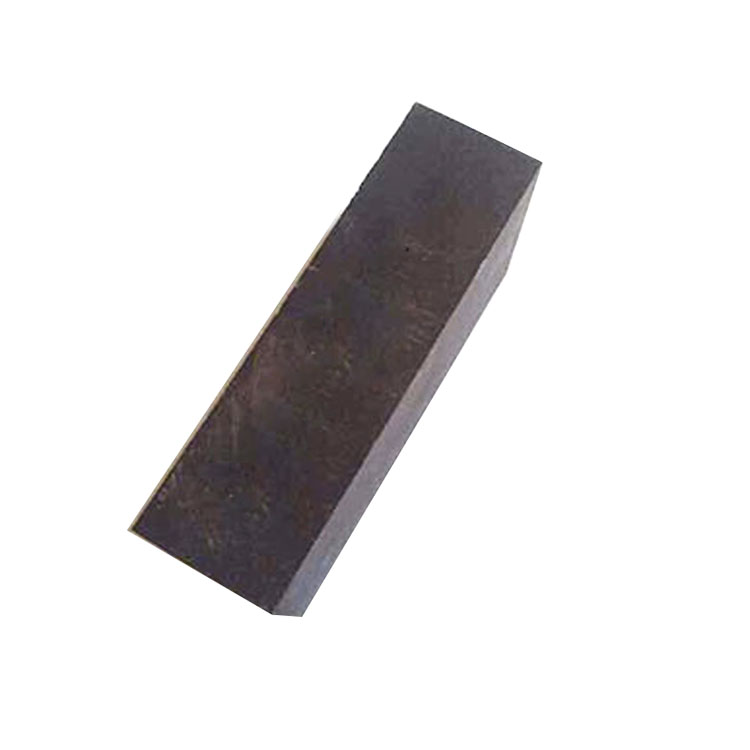
Real-World Impact: A Case Study from the Steel Industry
A major steel plant in India replaced its old magnesia-carbon bricks with chromium alumina bricks in the tundish lining. Within three months:
| Metric |
Before (Magnesia-Carbon) |
After (Chromium Alumina) |
| Lining Life (months) |
6–8 |
14–16 |
| Downtime per Changeover |
48 hrs |
24 hrs |
| Energy Cost Reduction |
N/A |
~12% |
Why It Outperforms Competitors
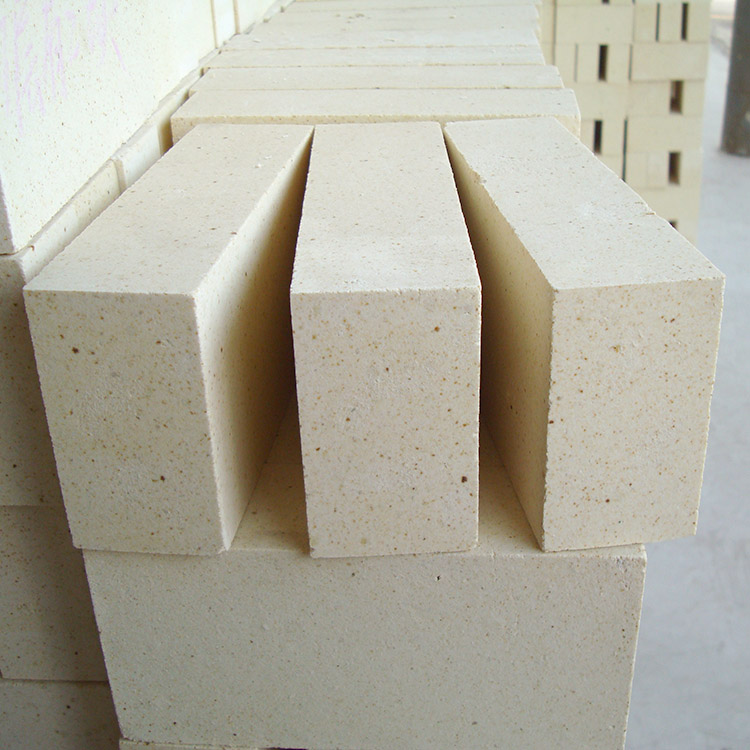
While many suppliers claim similar properties, our chromium alumina bricks are engineered using precision sintering techniques that minimize porosity (<0.5%) and maximize crystalline phase purity (>95%). This results in:
- Up to 3x longer service life than basic alumina bricks
- Lower heat loss due to better insulation (thermal conductivity: ~1.2 W/m·K at 1000°C)
- Improved safety—no spalling or delamination during operation
These benefits translate directly into cost savings and operational continuity—especially crucial in industries where every hour of downtime costs thousands of dollars.
“Switching to chromium alumina brick wasn’t just an upgrade—it was a transformation in how we manage production risk.” — Plant Manager, Middle East Refinery







.jpg?x-oss-process=image/resize,h_1000,m_lfit/format,webp)