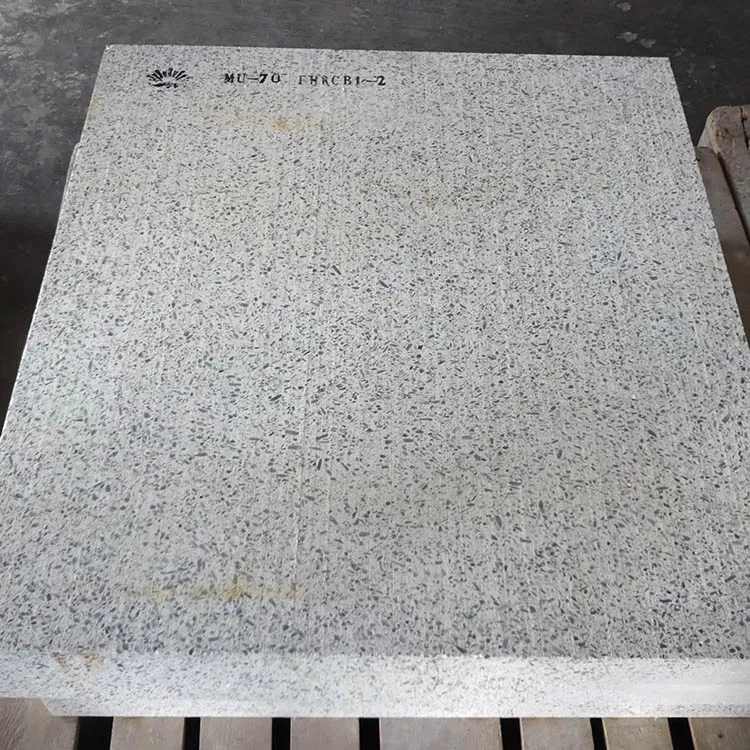
In the realm of industrial materials, choosing the right refractory material is crucial for enhancing production efficiency and extending equipment lifespan. Chromium corundum bricks, a revolutionary product in the refractory industry, have been gaining significant attention due to their remarkable performance advantages. This article aims to provide a comprehensive analysis of chromium corundum bricks, comparing them with traditional refractory materials and exploring their industrial applicability.
Before delving into the details of chromium corundum bricks, it's essential to understand the pain points of target customers in different industrial sectors. Industries such as steel, cement, and chemical processing often face challenges related to high friction, extreme temperature fluctuations, and chemical corrosion. Traditional refractory materials may not be able to withstand these harsh conditions, leading to frequent replacements, increased maintenance costs, and reduced production efficiency.
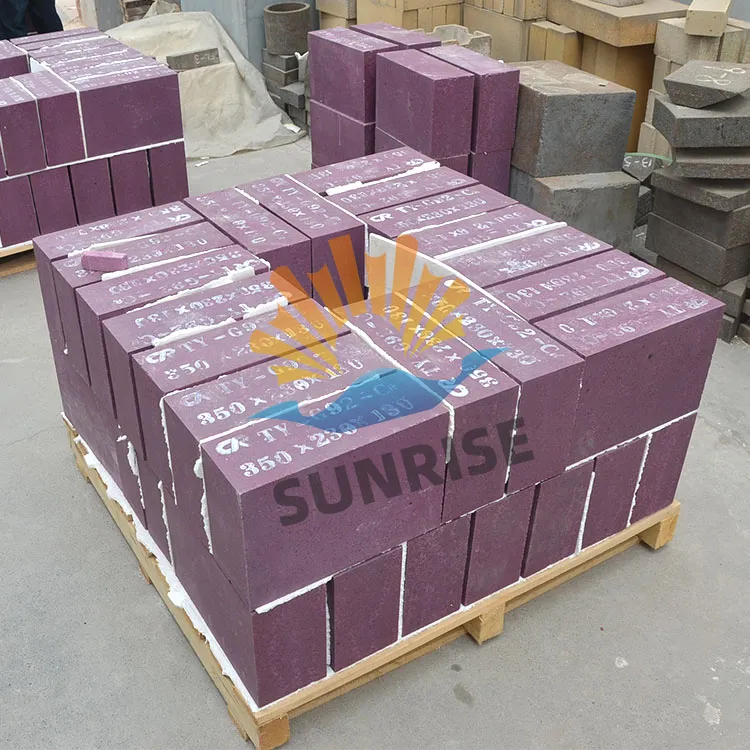
Chromium corundum bricks are renowned for their excellent wear resistance, thermal shock stability, acid - alkali corrosion resistance, and high - temperature creep characteristics. Let's take a closer look at these core performance indicators:
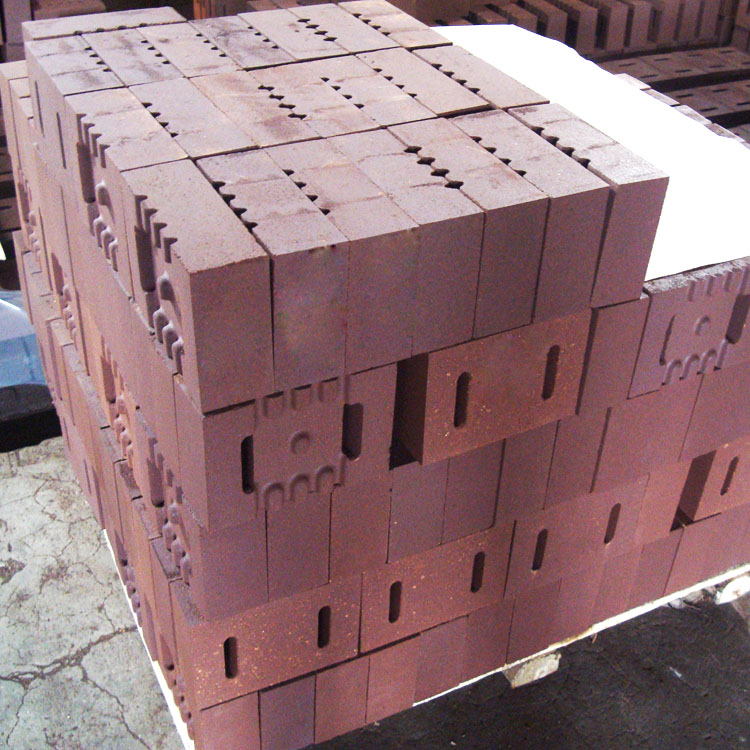
To better understand the practical performance of chromium corundum bricks, let's examine some typical industrial application cases:
A steel plant was facing frequent problems with the lining of its blast furnace due to high - temperature abrasion and chemical corrosion. After replacing the traditional refractory materials with chromium corundum bricks, the lining's service life was extended from 1 - 2 years to 3 - 4 years, reducing maintenance costs by approximately 40% and increasing production efficiency by 15%.
A chemical processing factory that dealt with strong acids and alkalis was using traditional refractory materials in its reaction vessels. However, these materials were quickly corroded, leading to production disruptions. By switching to chromium corundum bricks, the corrosion rate was significantly reduced, and the production cycle was extended by 50%, resulting in substantial cost savings.

When comparing chromium corundum bricks with traditional refractory materials, it's clear that the former has several advantages, while traditional materials also have their own merits. Here is a detailed comparison:
| Performance Aspect | Chromium Corundum Bricks | Traditional Refractory Materials |
|---|---|---|
| Wear Resistance | Excellent | Good, but lower than chromium corundum bricks |
| Thermal Shock Stability | High | Medium |
| Acid - Alkali Corrosion Resistance | Outstanding | Varies, generally lower |
| High - Temperature Creep Resistance | Low | Relatively high |
Chromium corundum bricks offer a comprehensive solution for various industrial applications. Whether it's in the steel, cement, chemical, or other industries, they can provide customized solutions to meet different customer needs. By choosing chromium corundum bricks, customers can not only improve production efficiency but also reduce costs and enhance the lifespan of their equipment.
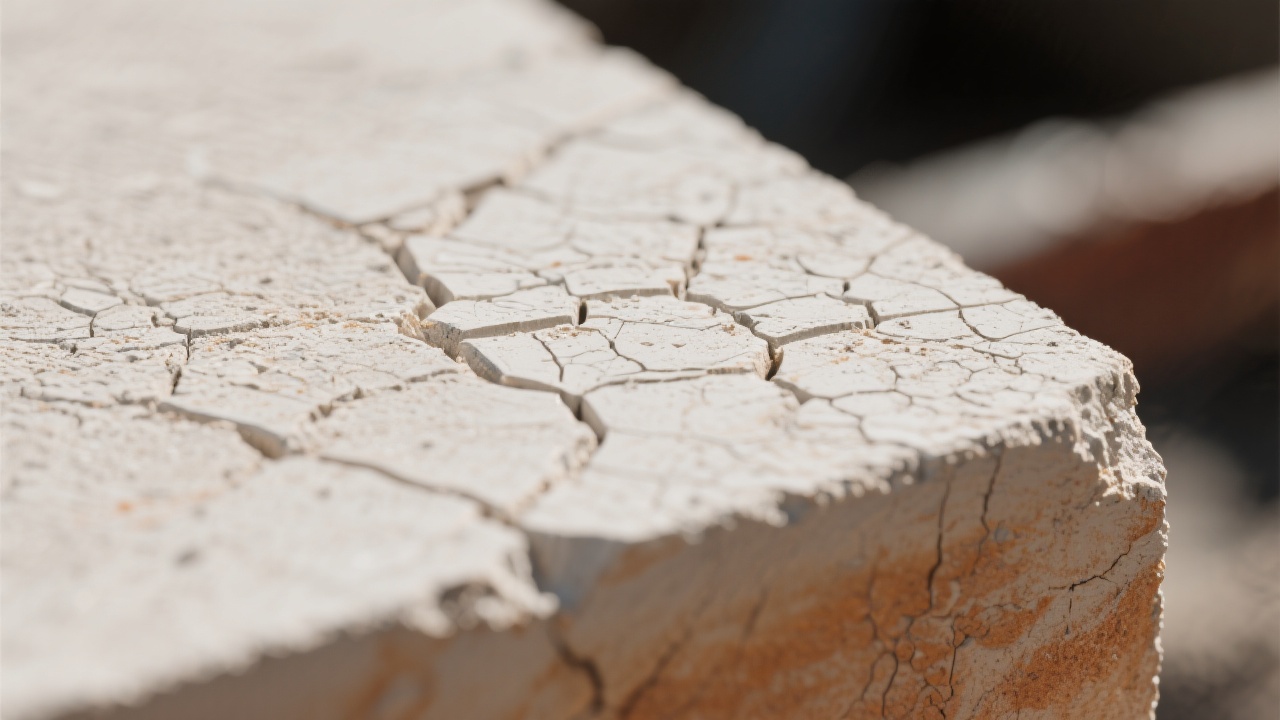
Don't miss the opportunity to enhance your industrial production with the superior performance of chromium corundum bricks. Click here to learn more about how chromium corundum bricks can transform your operations and provide you with a competitive edge in the market!



.jpg?x-oss-process=image/resize,h_1000,m_lfit/format,webp)
.jpg?x-oss-process=image/resize,h_1000,m_lfit/format,webp)