Chromium Corundum Bricks Selection and Maintenance for Acid-Base Corrosion Resistance in Chemical Industry
This article focuses on the acid-base corrosion resistance and key selection and maintenance techniques of chromium corundum bricks, aiming to provide practical and effective solutions for stable production in the chemical and related industries. It details the bricks' superior wear resistance, excellent thermal shock stability, outstanding acid-base corrosion durability, and high-temperature creep resistance. Through real industrial case studies, the article demonstrates the bricks’ remarkable performance and economic benefits in various high-friction, high-temperature, and corrosive environments. Supported by scientific data and comparative analysis, it helps users accurately match product capabilities to industrial needs, enhance equipment lifespan, improve production efficiency, and foster trust in product choice, ultimately helping enterprises maintain competitive advantages.
.jpg?x-oss-process=image/resize,h_1000,m_lfit/format,webp)
Choosing and Maintaining Chrome Corundum Bricks for Acid-Base Corrosion Resistance: Enhancing Stability in Chemical Industry Production
In the demanding environments of chemical processing and related heavy industries, protecting equipment against acid-base corrosion and abrasion is vital for maintaining uninterrupted and efficient production. Chrome corundum bricks, known for their exceptional resistance to harsh chemical attacks, wear, and thermal shocks, have become indispensable in industrial lining applications. This article delves into the key performance characteristics of chrome corundum bricks, offers practical guidance on selection and maintenance, and highlights their proven benefits in real-world industrial scenarios.
Core Advantages of Chrome Corundum Bricks
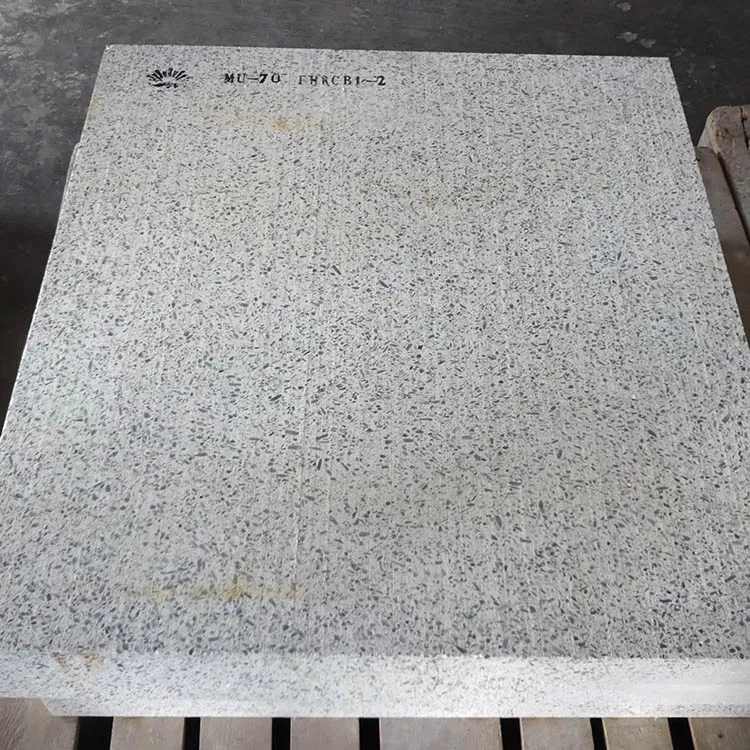
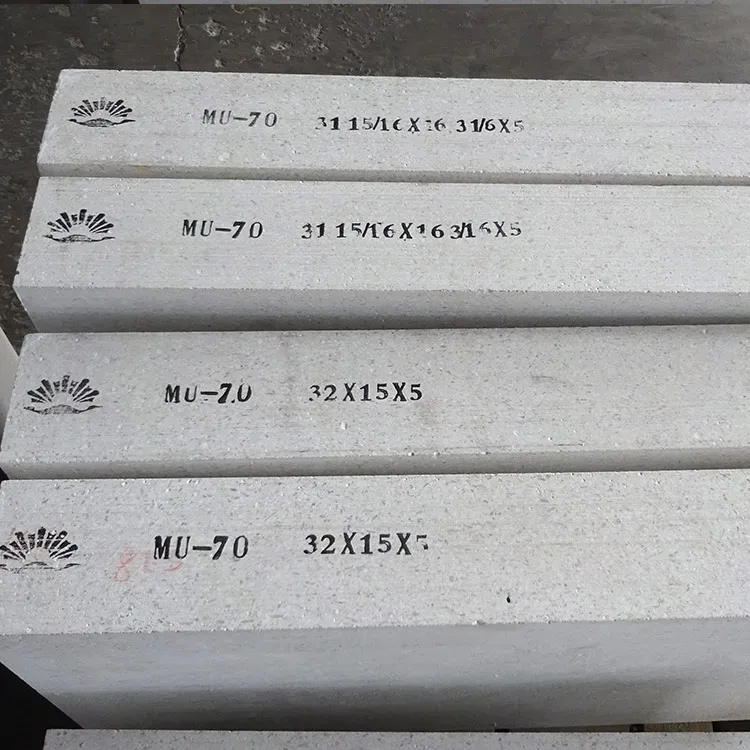
Chrome corundum bricks combine two primary materials—high-purity corundum (Al₂O₃) and chromic oxide (Cr₂O₃)—resulting in a dense, wear-resistant ceramic lining with superior properties:
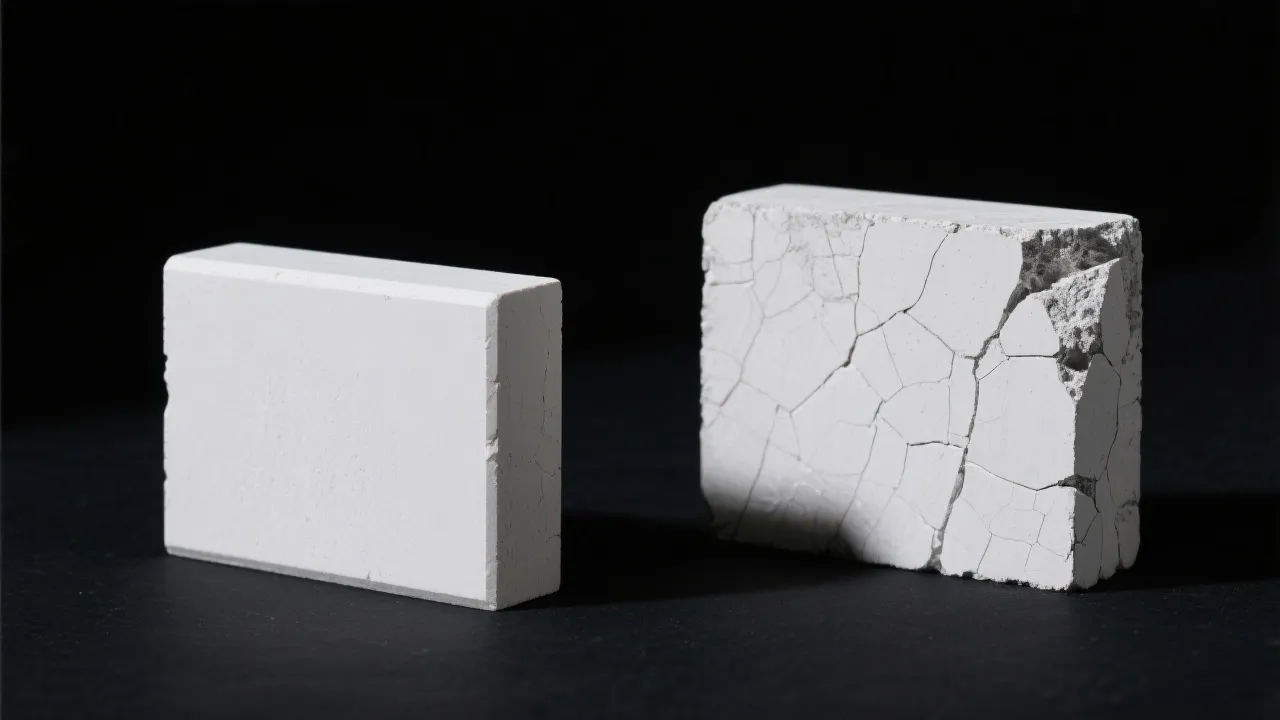
- High Abrasion Resistance: Capable of enduring intense mechanical wear, chrome corundum bricks reduce equipment downtime by extending service life by up to 30-50% compared to standard fireclay bricks.
- Excellent Thermal Shock Stability: With thermal shock resistance exceeding 200 cycles of rapid temperature changes between ambient and 1100°C, these bricks minimize cracking caused by sudden operational fluctuations.
- Outstanding Acid-Base Corrosion Resistance: Resistant to a wide range of corrosive media, including sulfuric, hydrochloric acids, and alkalis, chrome corundum bricks maintain structural integrity in aggressive chemical environments.
- High-Temperature Creep Strength: Maintaining shape and strength under constant high temperatures (up to 1600°C), these bricks support continuous operation in furnaces and reactors.
Industrial Applications and Case Insights
Multiple chemical plants and industrial facilities worldwide have benefited from integrating chrome corundum bricks into their equipment lining systems:
Case Study 1: Sulfuric Acid Storage Tanks
A leading chemical manufacturer reported a 40% increase in maintenance intervals after relining storage tanks with chrome corundum bricks. The bricks’ resistance to sulfuric acid corrosion effectively prevented lining degradation, reducing leak risks and avoiding costly downtime.
Case Study 2: Alkali Recovery Boilers
By replacing conventional refractory lining with chrome corundum bricks, an industrial boiler operator achieved a 25% improvement in operational life despite exposure to corrosive alkali vapors and high abrasion. This upgrade resulted in a significant decrease in spare part consumption and labor costs.
How to Properly Select Chrome Corundum Bricks
Selecting the right chrome corundum brick for your application entails considering several technical and operational factors:
- Chemical Environment: Analyze the types and concentrations of acids or alkalis involved. Higher Cr₂O₃ content bricks (20-27%) tend to offer better chemical resistance.
- Operating Temperature: Confirm the maximum service temperature. Standard chrome corundum bricks function optimally up to 1600°C, but thermal stability varies by grade.
- Mechanical Wear: Estimate abrasion loads. Choice between fused vs. sintered bricks depends on desired wear performance; fused bricks typically provide superior hardness.
- Installation Method: Consider mortar compatibility and thermal expansion matching to prevent premature lining failures.
Maintenance Strategies to Maximize Lifespan
While chrome corundum bricks are engineered for durability, proactive maintenance ensures long-term operational benefits:
- Regular Inspections: Schedule periodic visual and ultrasonic tests to detect early cracks or erosion.
- Thermal Cycle Control: Avoid rapid heating or cooling beyond specified thermal shock limits to reduce brick stress.
- Timely Repairs: Replace localized damaged bricks promptly to prevent cascading failure.
- Cleaning Protocols: Remove corrosive deposits using non-invasive techniques to preserve brick integrity.
Performance Comparison With Alternative Materials
When compared to other refractory materials, chrome corundum bricks generally outperform in:
| Material |
Acid Resistance |
Abrasion Resistance |
Thermal Shock Resistance |
Max Service Temperature |
| Chrome Corundum Brick |
Excellent |
High |
High (>200 cycles) |
Up to 1600°C |
| Fireclay Brick |
Moderate |
Moderate |
Moderate (50-80 cycles) |
Up to 1400°C |
| Silica Brick |
Low |
Moderate |
Low (20-30 cycles) |
Up to 1500°C |
Join the Discussion
How does your facility manage refractory lining challenges related to corrosion and abrasion? Share your experiences, questions, or concerns with industry peers and experts in the comments below. We welcome your insights and look forward to fostering a knowledge-driven dialogue.

.jpg)


.jpg?x-oss-process=image/resize,h_1000,m_lfit/format,webp)


.jpg?x-oss-process=image/resize,h_1000,m_lfit/format,webp)



.jpg?x-oss-process=image/resize,h_1000,m_lfit/format,webp)