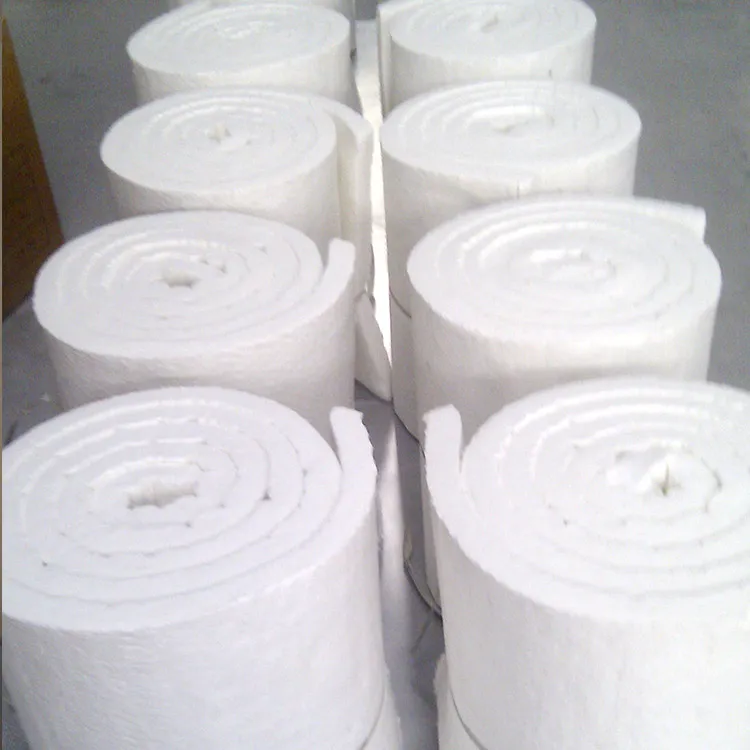
Enhancing Ceramic Kiln Lifespan and Firing Efficiency with High-Performance Corundum Bricks

11 01,2026
Sunrise
Application Tutorial
This article explores the critical role of high-temperature resistant corundum bricks in ceramic kiln applications, highlighting their exceptional cold compressive strength, wear resistance, and chemical corrosion durability. It demonstrates how corundum bricks effectively extend kiln service life and improve firing efficiency. Supported by real-world case studies from various ceramic manufacturers, the article compares corundum bricks with other refractory materials, emphasizing their superior performance and cost-effectiveness. Designed to guide ceramic industry decision-makers in selecting optimal refractory solutions, this piece also offers tailored recommendations to optimize kiln structure, enhance product quality, and increase production efficiency, ultimately driving sustained competitive advantages.
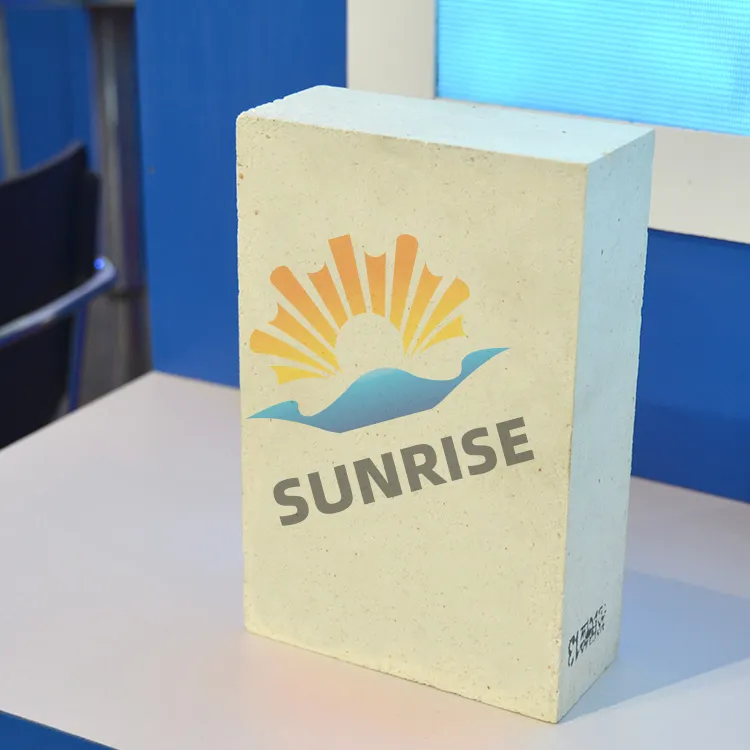
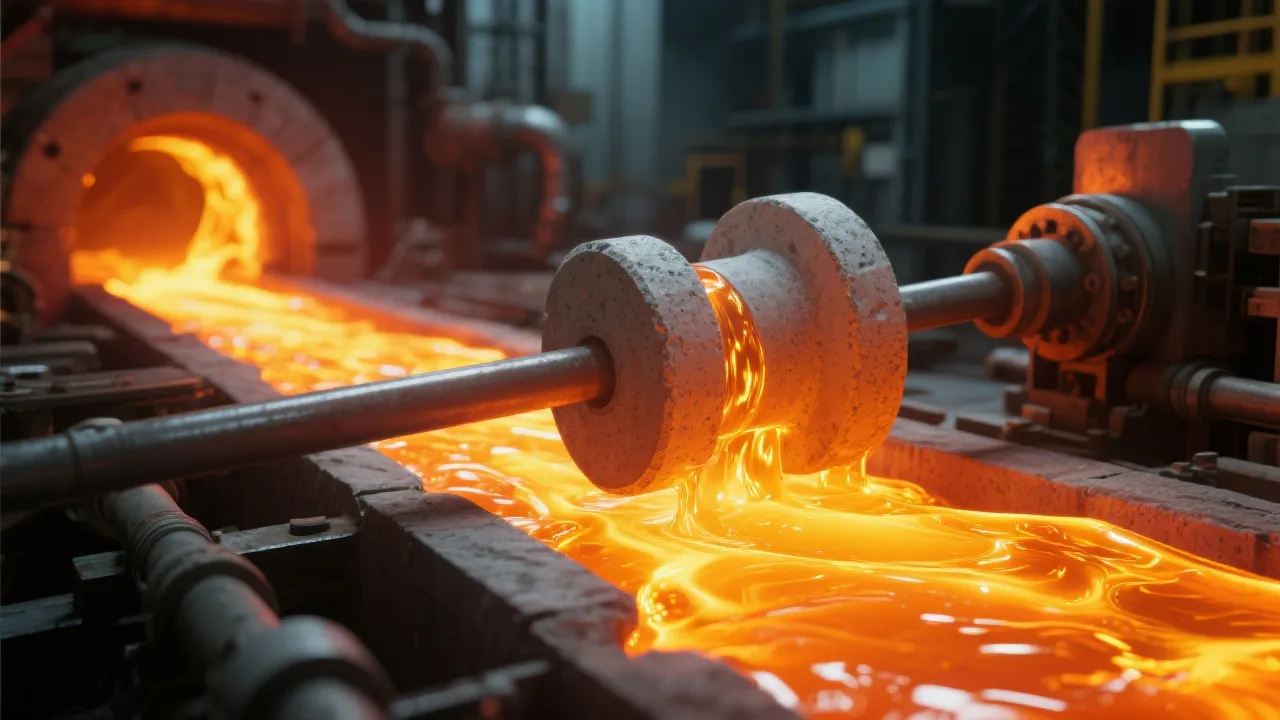
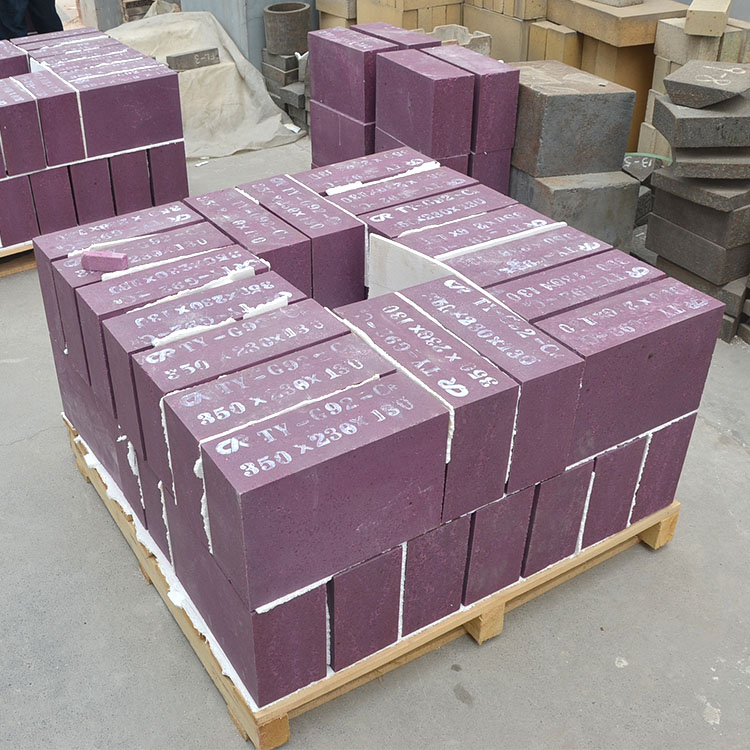
Corundum bricks installed lining in a high-temperature ceramic kiln, showing durability and resistance

Enhancing Ceramic Kiln Longevity and Firing Efficiency with Corundum Bricks

In the ceramic manufacturing industry, the durability and efficiency of high-temperature kilns directly impact production costs and product quality. Corundum bricks, renowned for their exceptional cold crushing strength and resistance to wear and chemical corrosion, are increasingly recognized as a strategic material choice for kiln lining. Integrating corundum bricks within ceramic kilns can substantially extend service life while optimizing firing efficiency, offering a clear competitive advantage to manufacturers.

Challenges Faced by Ceramic Kilns at High Temperatures

Ceramic kilns operate under extreme high-temperature conditions, often exceeding 1600°C, where materials are exposed to continuous thermal cycling, abrasive wear from raw material movements, and aggressive chemical interactions caused by alkalis and fluxes. Traditional refractory materials, such as fireclay or silica bricks, frequently succumb to spalling, corrosion, and dimensional instability, resulting in frequent maintenance shutdowns and production losses.

Why Corundum Bricks Stand Out as Optimal Kiln Materials

Corundum bricks are composed predominantly of alumina (Al2O3) with purity levels often greater than 95%, offering high melting points above 2050°C and superior mechanical properties. Key technical specifications include:

  • Cold Crushing Strength: Typically 80-110 MPa, outperforming common fireclay bricks by over 50%.
  • Wear Resistance: Corundum bricks resist abrasive wear up to 3 times longer in cyclic firing environments.
  • Chemical Stability: Outstanding resistance against alkali vapors and slag corrosion prevalent in ceramic processes.
  • Thermal Stability: Maintain structural integrity and volume stability under rapid temperature changes up to 1800°C.

These characteristics directly translate into longer kiln lining lifetimes and reduced downtime for repairs, enabling manufacturers to maintain steady production flows.

Real-World Impact: Corundum Brick Applications Across Ceramic Enterprises

Case studies from various ceramic producers demonstrate how corundum bricks have Drive measurable benefits:

- Company A, a large-scale tile manufacturer, reported a 30% increase in kiln lining life from 12 months to 16 months, decreasing annual maintenance shutdowns by 2 cycles and boosting overall throughput by 8%.

- Company B, specializing in porcelain wares, achieved a marked improvement in fired product consistency due to the enhanced thermal stability of corundum bricks which elevated finished product yield by 5%.

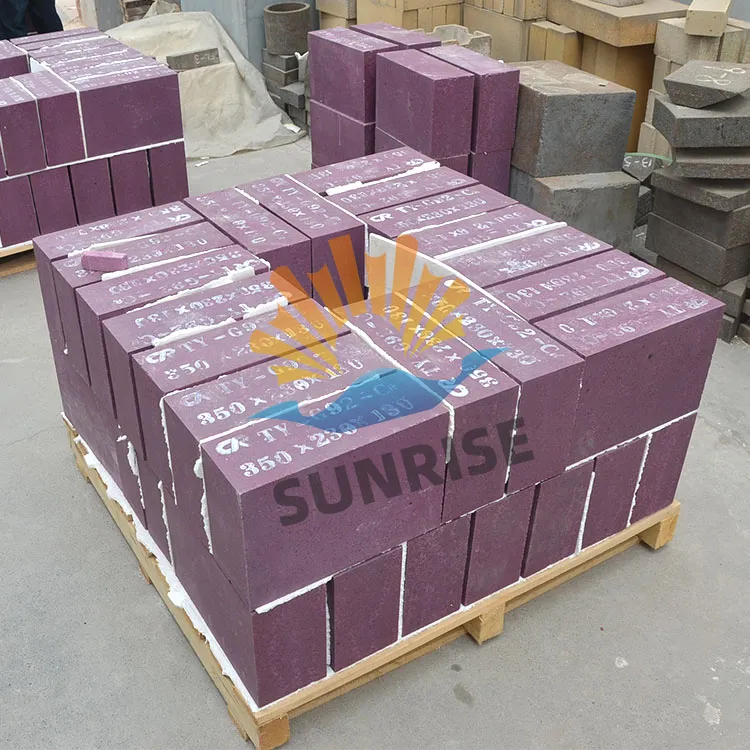
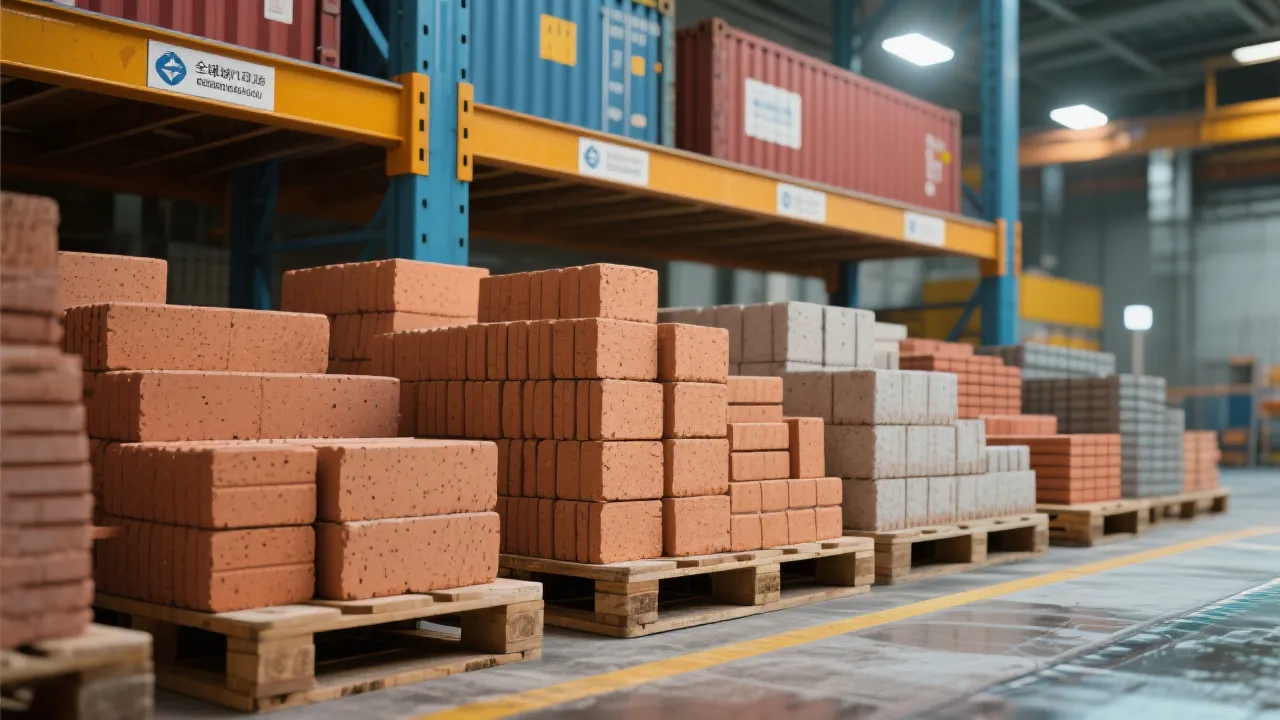
Corundum bricks installed lining in a high-temperature ceramic kiln, showing durability and resistance

Comparative Advantage: Corundum Bricks Versus Traditional Refractory Materials

A side-by-side comparison reveals the superior attributes of corundum bricks:
Property Corundum Brick Fireclay Brick Silica Brick
Cold Crushing Strength (MPa) 80-110 40-60 30-50
Wear Resistance (Relative) High Medium Low
Thermal Stability Excellent (up to 1800°C) Good (up to 1600°C) Moderate (up to 1500°C)
Corrosion Resistance High Medium Low
Typical Service Life 15-18 months 9-12 months 7-10 months
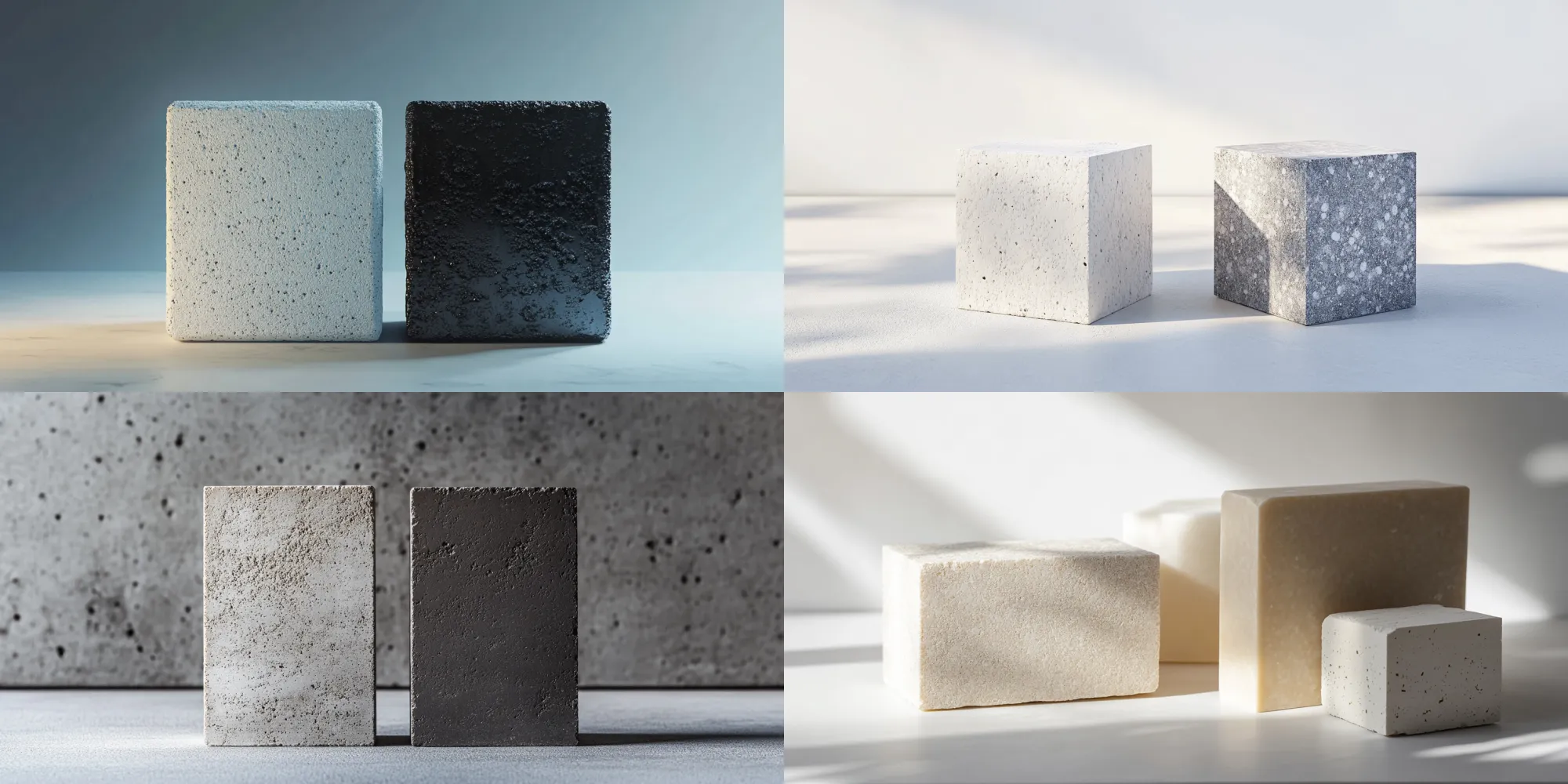
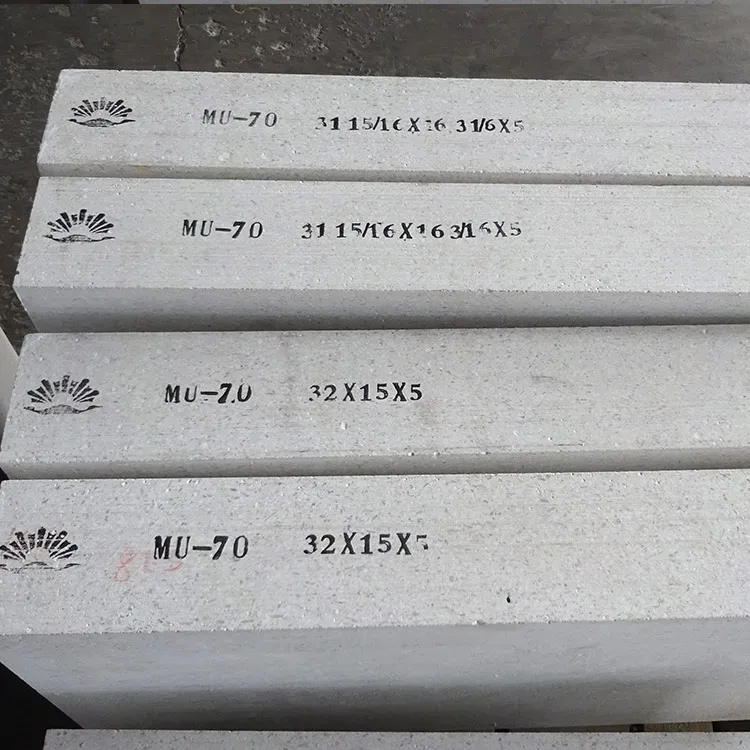
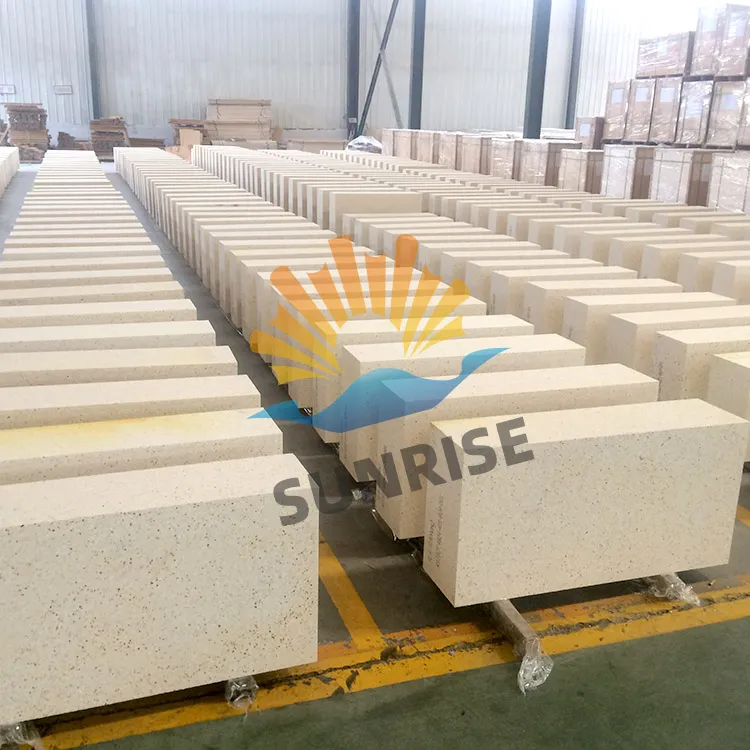
Comparison chart of wear resistance and thermal stability between corundum bricks and traditional refractory materials for ceramic kilns

Tailored Solutions for Diverse Ceramic Enterprises

The selection and installation of corundum bricks should consider kiln type, firing temperature range, raw material characteristics, and production scale. Our industry experts recommend the following:

  1. Customized Brick Composition: Adjust alumina content and grain size for optimal thermal shock resistance and mechanical strength based on kiln usage.
  2. Modular Brick Shapes: Utilize precision-engineered brick sizes to enhance installation efficiency and minimize gaps that cause heat loss.
  3. Preventive Maintenance Schedule: Integrate corundum brick inspection within routine kiln maintenance, targeting wear-prone zones early.
  4. Process Optimization: Combine corundum bricks with kiln atmosphere control to reduce chemical corrosion and extend refractory lifetime further.
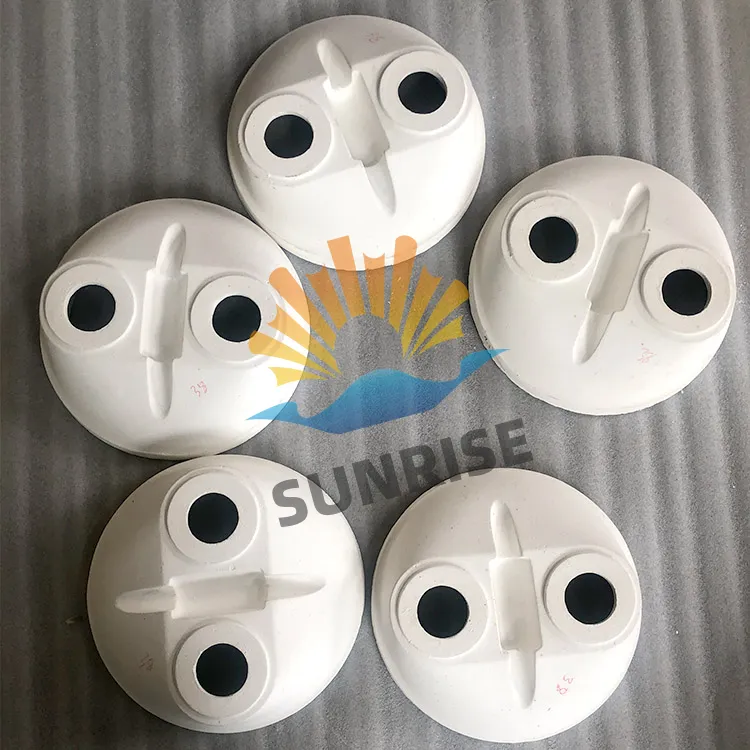
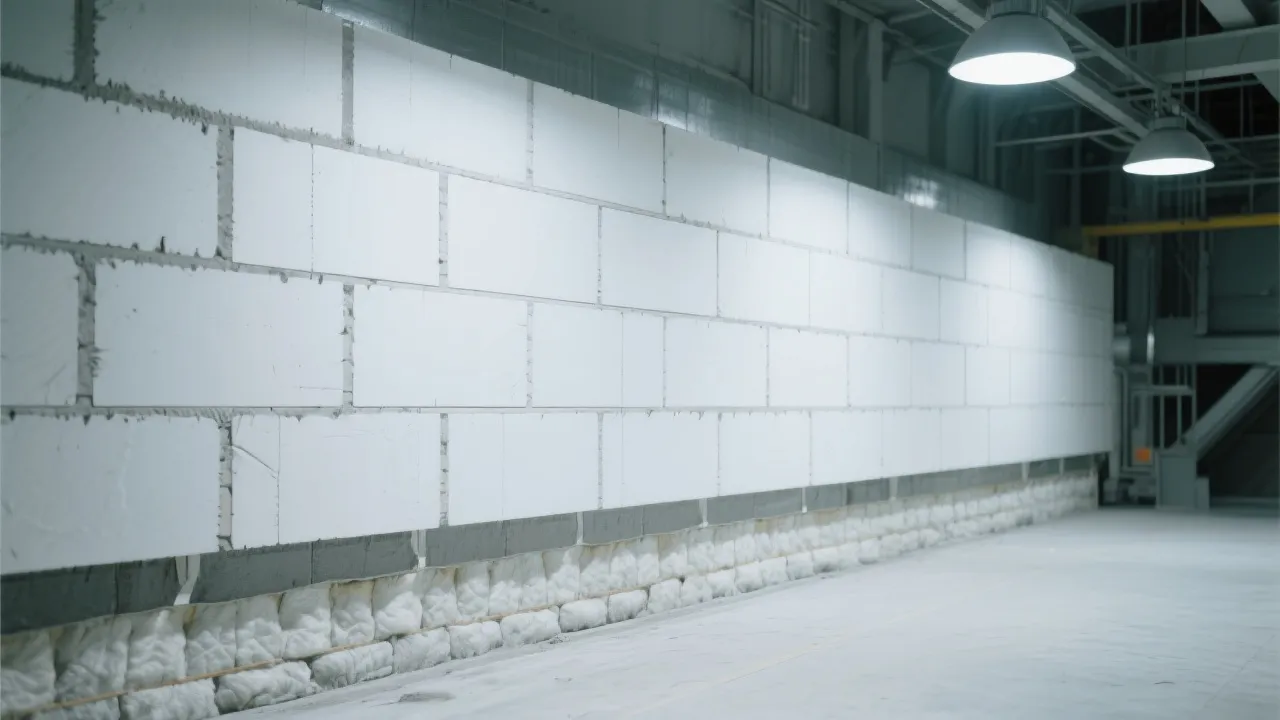
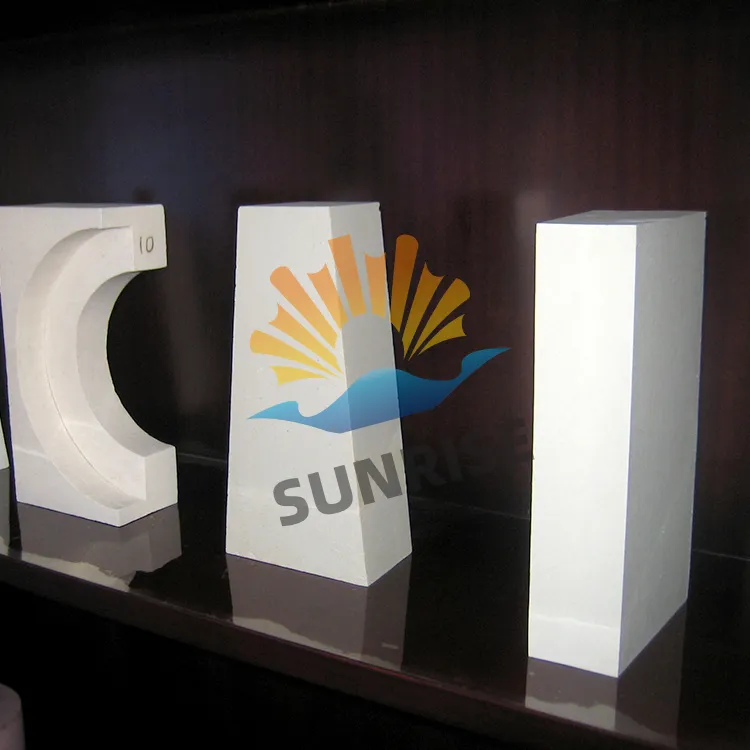
Installation of customized modular corundum bricks in a ceramic kiln to enhance kiln structural efficiency and longevity

Unlocking Long-Term Benefits for Your Ceramic Production

By integrating corundum bricks, ceramic manufacturers can not only extend kiln life by up to 50% compared to traditional linings but also realize energy savings through improved thermal insulation and reduced thermal cycling downtime. The resultant improvement in firing consistency elevates product quality, reduces waste, and strengthens enterprise competitiveness in a cost-conscious market.
Name *
Email *
Message*

Recommended Products

Popular articles
Recommended Reading

Related Reading

Contact us
Contact us
https://shmuker.oss-accelerate.aliyuncs.com/tmp/temporary/60ec5bd7f8d5a86c84ef79f2/60ec5bdcf8d5a86c84ef7a9a/thumb-prev.png