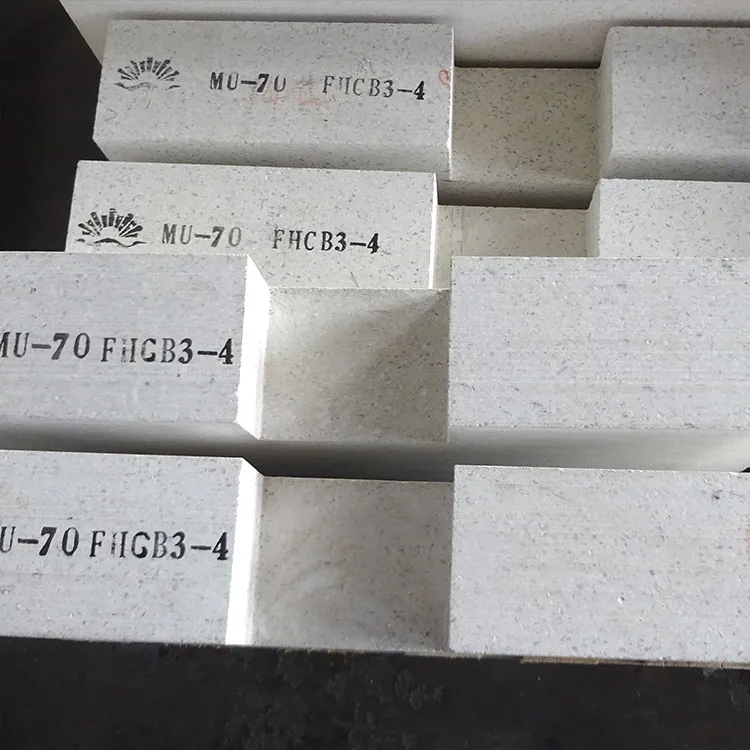
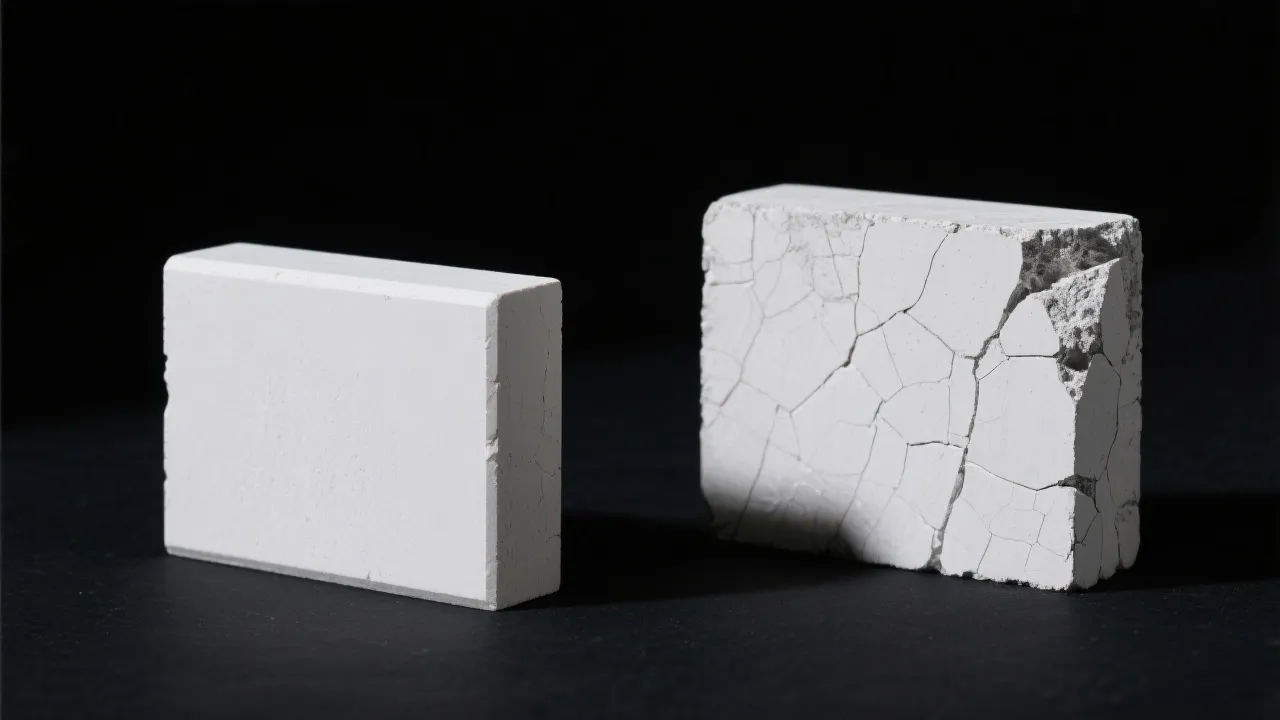
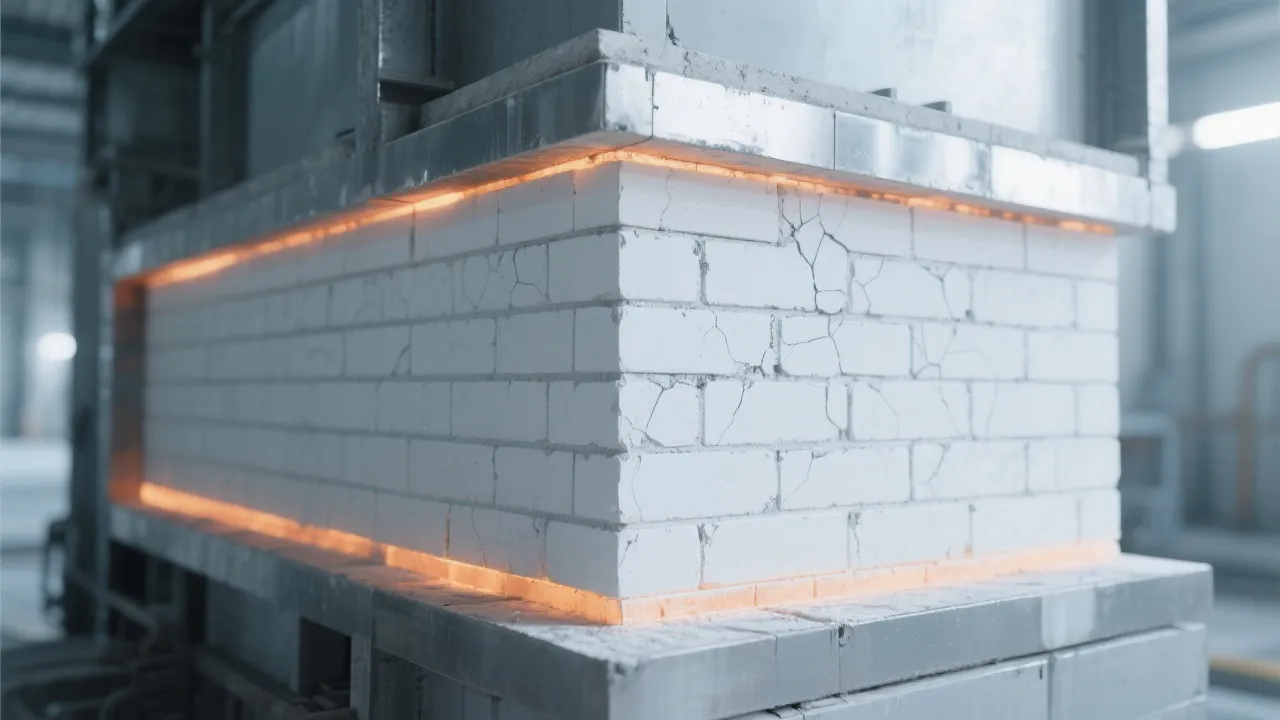
Ceramic firing high - temperature kilns are constantly confronted with high - temperature challenges. Traditional refractory materials often have limitations such as rapid wear and tear, short kiln lifespan, and unstable product quality. For instance, in some ceramic factories, the traditional clay bricks used in kilns need to be replaced every 1 - 2 years, which not only incurs high replacement costs but also disrupts the normal production schedule.
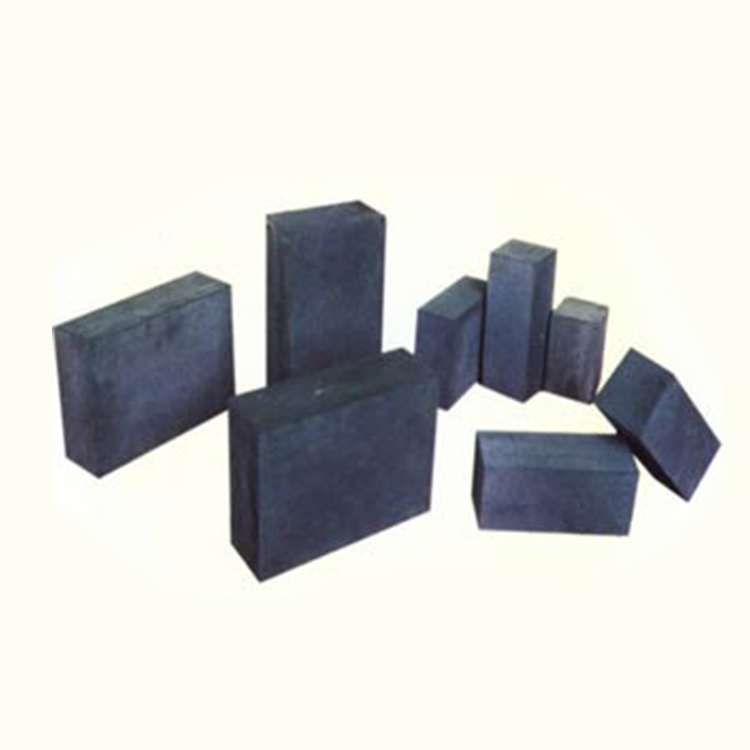
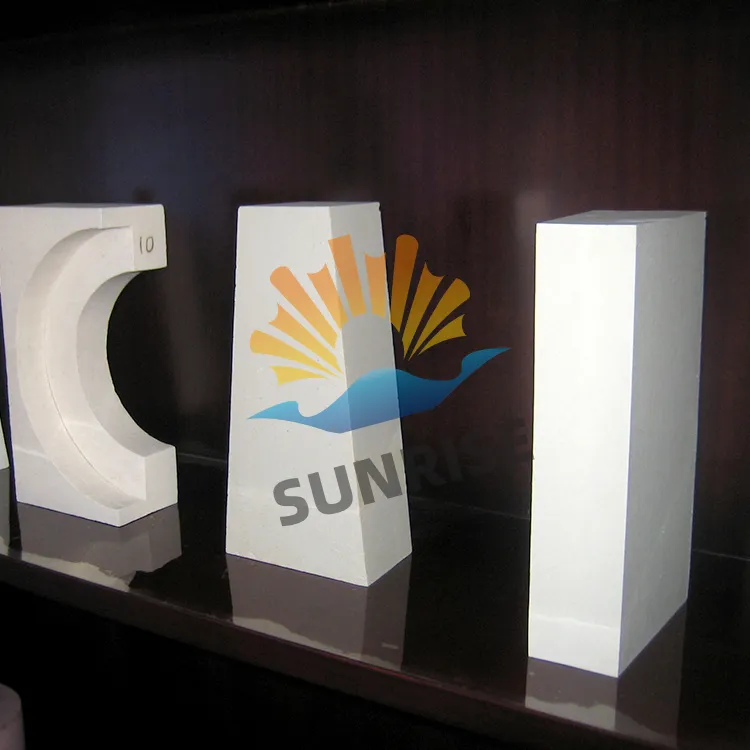
Corundum bricks stand out as an ideal choice for high - temperature kilns in the ceramic industry. They possess high wear resistance and corrosion resistance, and can maintain stable performance at temperatures above 1700°C. This stability ensures that the kiln can operate continuously at high temperatures without significant material degradation. In terms of wear resistance, corundum bricks can withstand the abrasion caused by the movement of ceramic products inside the kiln, which is 3 - 5 times higher than that of traditional clay bricks.
Moreover, their high corrosion resistance allows them to resist the chemical corrosion of various fluxes and gases generated during the ceramic firing process. This helps to maintain the integrity of the kiln structure and ensures the stability of the firing environment, thereby improving the quality of ceramic products.
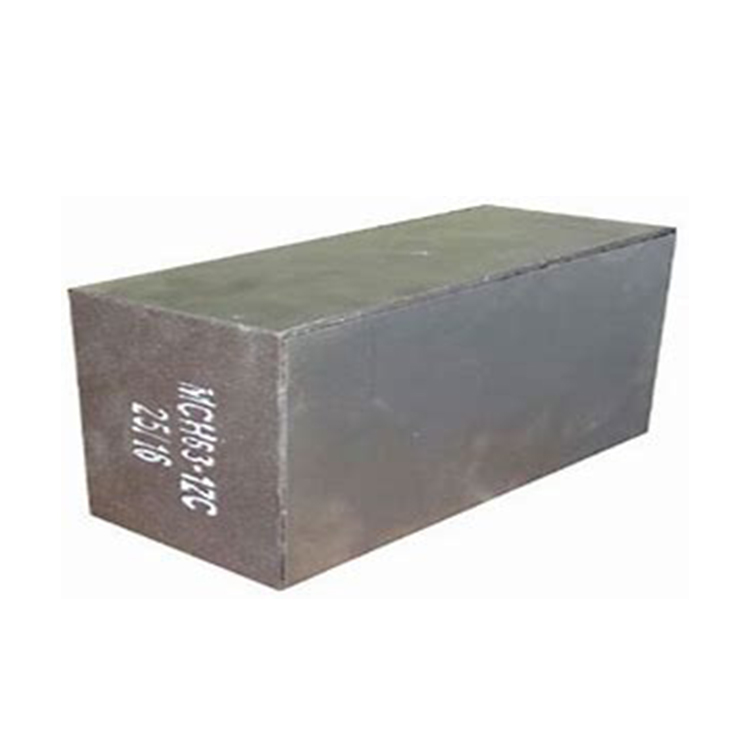
Let's look at some real - world cases. A small - scale ceramic enterprise used corundum bricks in its kiln. Before the replacement, the kiln needed to be shut down for maintenance every 6 months, and the defective rate of ceramic products was about 15%. After using corundum bricks, the kiln maintenance cycle was extended to 3 years, and the defective rate dropped to less than 5%.
In a large - scale ceramic production line, the use of corundum bricks increased the kiln's service life from 2 years to 5 years, and at the same time, energy consumption was reduced by about 20%. These data clearly demonstrate the effectiveness of corundum bricks in improving kiln life and product quality.
"Since we switched to corundum bricks in our kilns, we have seen a significant improvement in our production efficiency and product quality. The long - term cost savings are also very obvious." - A ceramic enterprise manager
When comparing corundum bricks with other common refractory materials such as clay bricks and high - alumina bricks, we can see significant differences. In terms of performance, corundum bricks have much higher refractoriness and stability compared to clay bricks. High - alumina bricks, although having better performance than clay bricks, still cannot match the comprehensive performance of corundum bricks in high - temperature environments.
In terms of cost - benefit, although the initial purchase cost of corundum bricks is relatively high, considering the long - term savings in maintenance costs, replacement costs, and energy consumption, corundum bricks are more cost - effective in the long run. For example, the total cost of using clay bricks in a 10 - year period may be 2 - 3 times higher than that of using corundum bricks.
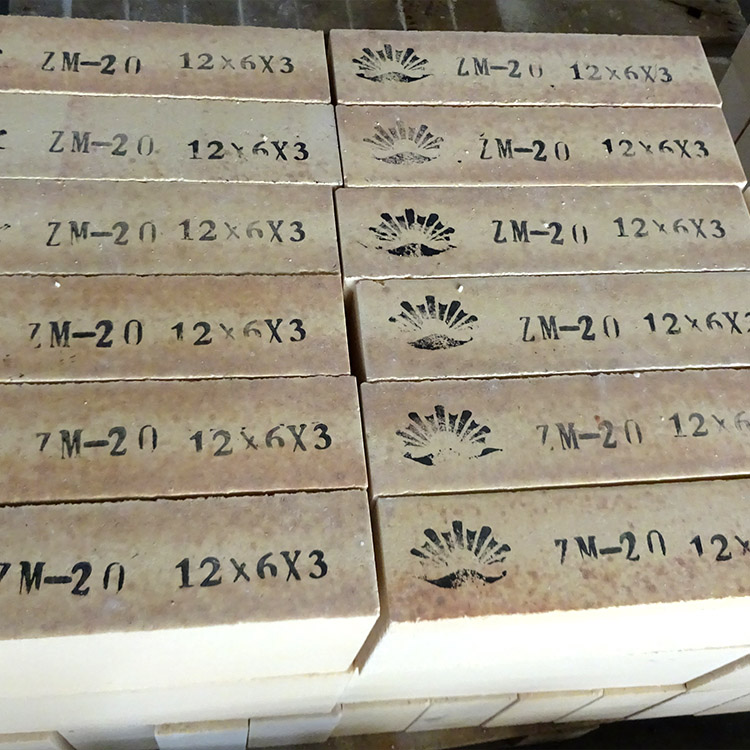
For small and medium - sized enterprises, we recommend using a combination of standard - sized corundum bricks to meet the basic needs of the kiln. This can effectively control costs while ensuring the performance of the kiln. For large - scale production lines, customized corundum bricks can be designed according to the specific structure and process requirements of the kiln to achieve the best performance.
By choosing the right corundum brick configuration, ceramic enterprises can not only improve the service life of the kiln and the quality of products but also reduce production costs and enhance their sustainable competitiveness in the market.
Discover the Best Corundum Brick Solution for Your Kiln Now!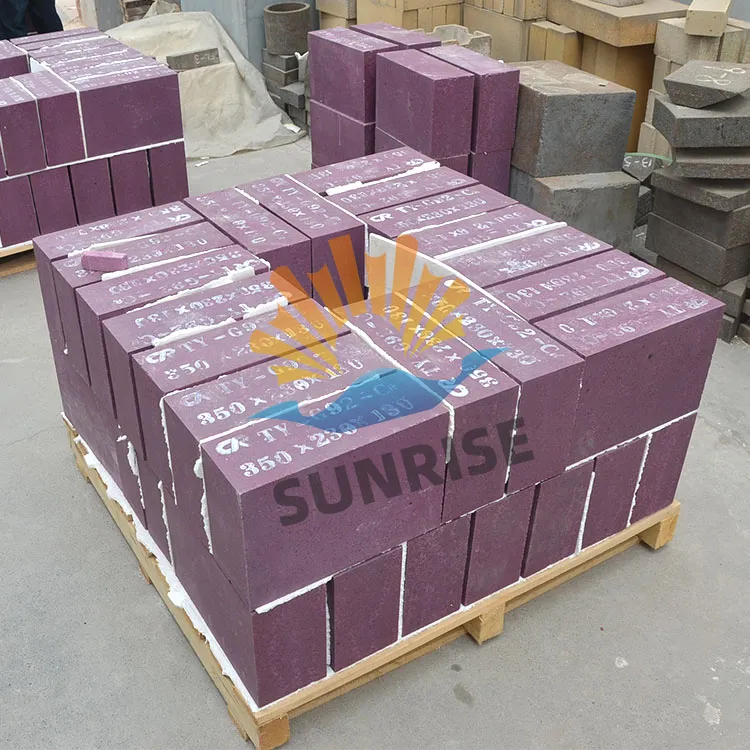





.jpg?x-oss-process=image/resize,h_1000,m_lfit/format,webp)