

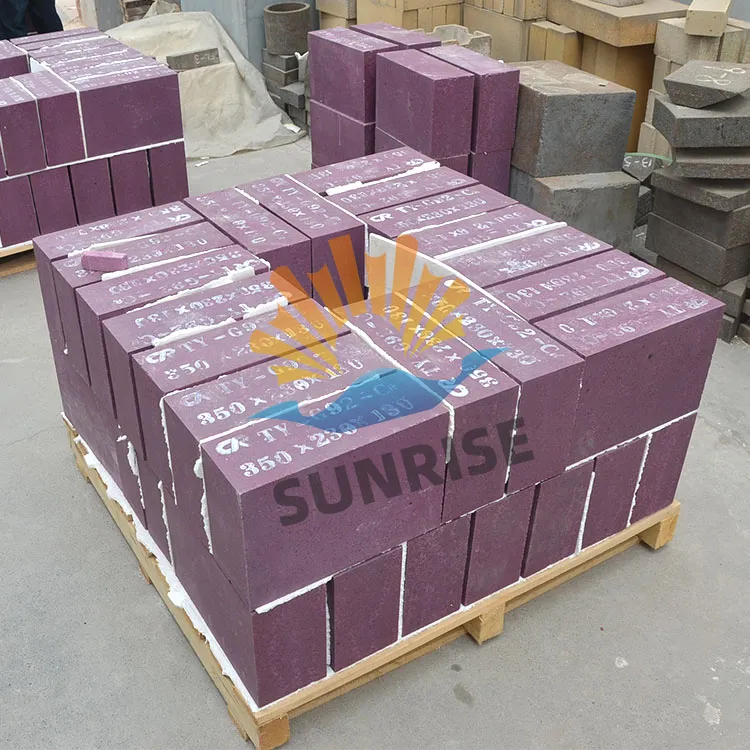
In the unforgiving environment of steel production, where temperatures soar above 1600°C and corrosive slags constantly attack furnace linings, material selection becomes a make-or-break decision for operational efficiency. For over three decades, Sunrise has been at the forefront of providing advanced refractory solutions that address these extreme challenges. Corundum bricks, with their exceptional alumina content and structural integrity, have emerged as the material of choice for modern steelmakers aiming to maximize furnace uptime and minimize maintenance costs.
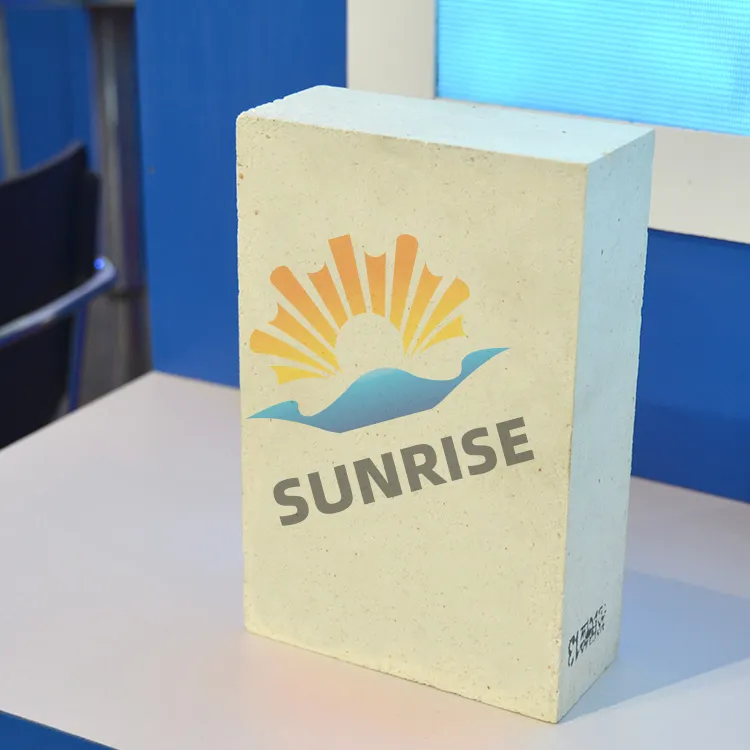
The secret behind corundum bricks' superior performance lies in their chemical composition and manufacturing process. With Al₂O₃ content exceeding 90%, these bricks form a dense, crystalline structure that exhibits remarkable resistance to thermal shock and chemical erosion. According to ASTM C163 standard testing, premium corundum bricks typically demonstrate cold crushing strengths exceeding 100 MPa and maintain structural stability even under load at temperatures up to 1700°C.
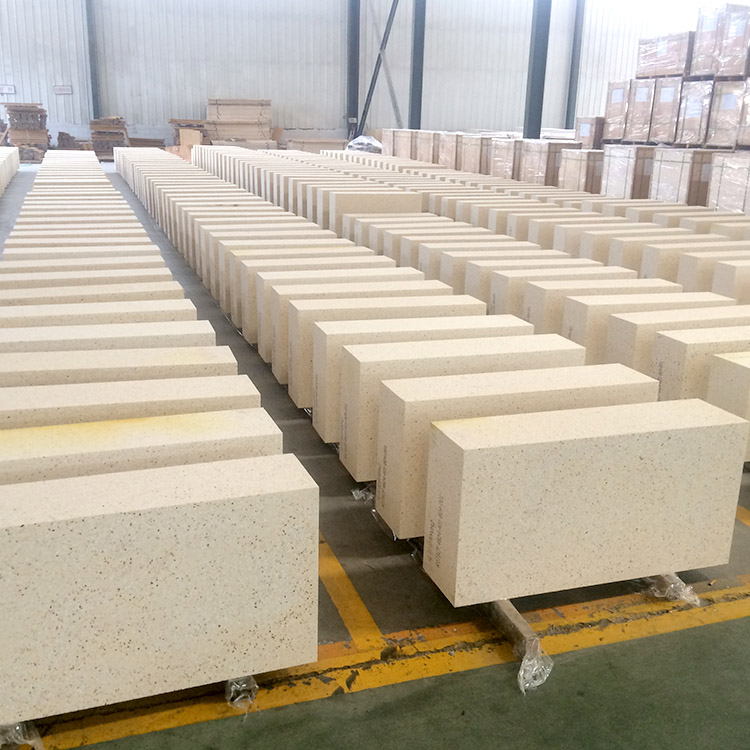
When comparing corundum bricks to conventional refractory materials, several critical performance indicators stand out:
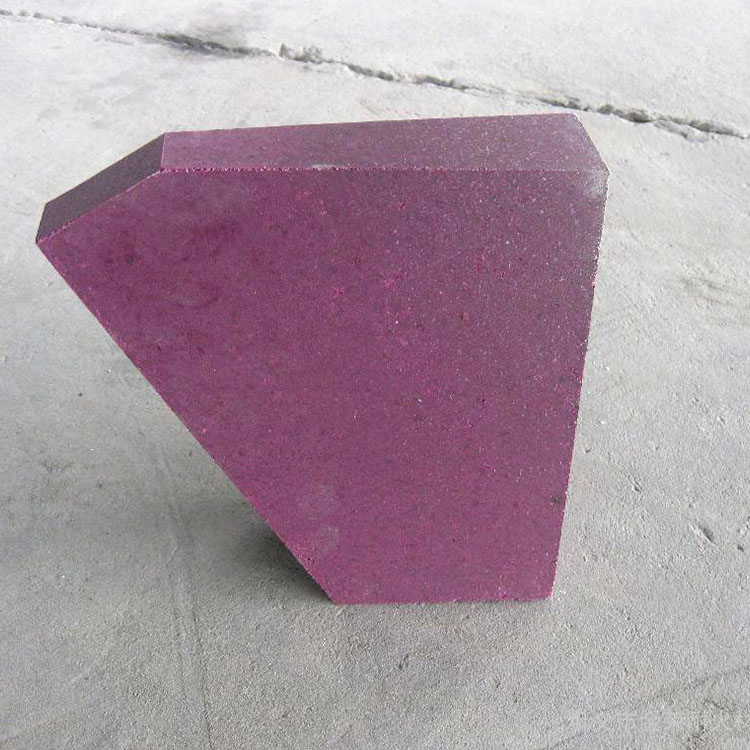
Steel producers worldwide have reported significant operational improvements after switching to corundum brick linings. In one case study at a major Chinese steel mill, replacing traditional magnesia bricks with Sunrise sintered corundum bricks in electric arc furnace sidewalls resulted in:
Similar results have been documented in converter applications, where corundum's resistance to oxidation and thermal shock has proven invaluable during decarburization cycles.
Understanding the differences between sintered and fused corundum bricks is essential for optimizing performance and cost-effectiveness:
| Property | Sintered Corundum | Fused Corundum |
|---|---|---|
| Al₂O₃ Content | 90-95% | 99%+ |
| Thermal Shock Resistance | Excellent | Good |
| Slag Resistance | Very Good | Excellent |
| Typical Applications | EAF sidewalls, ladles | Converter linings, tapholes |
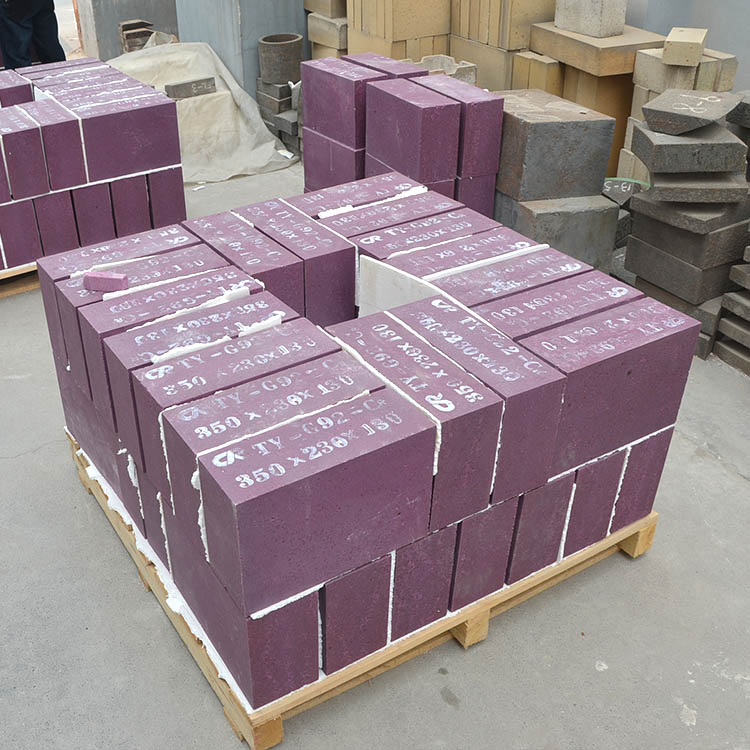
Steel producers consistently face two major refractory-related challenges: unexpected downtime due to lining failures and the rising cost of refractory materials. Sunrise corundum bricks directly address both issues through:
Discover how Sunrise corundum bricks can reduce your refractory costs while increasing furnace availability. Our technical team will conduct a free assessment of your current operations and provide a customized solution tailored to your specific challenges.
Get Your Free Refractory Optimization AnalysisEvery steel producer knows that consistent production is the key to profitability. When your furnace lining fails unexpectedly, the costs add up quickly—not just for replacement materials, but for lost production, labor, and missed delivery deadlines. The choice of refractory material directly impacts your bottom line, making it one of the most critical decisions in your operation.
What specific challenges have you faced with your current refractory solutions? Have you experienced unexpected downtime due to lining failures? Share your experiences in the comments below—our technical experts regularly engage with industry professionals to address real-world refractory challenges.


.jpg?x-oss-process=image/resize,h_1000,m_lfit/format,webp)


