High-Temperature Alumina Refractory Bricks: Performance, Applications, and Global Market Potential
09 01,2026
Product description
This article explores the exceptional performance of high-temperature alumina refractory bricks in ceramic kilns, highlighting their superior wear resistance, corrosion resistance, and chemical stability. By analyzing real-world case studies and comparative data, it demonstrates how these bricks extend kiln lifespan, improve ceramic quality, and reduce maintenance costs—offering strong cost-effectiveness over traditional refractories. Tailored solutions for small, medium, and large ceramic enterprises are presented to support informed material selection and competitive advantage in international markets.

Why High-Temperature Alumina Brick Is the Smart Choice for Ceramic Kiln Operators
In the ceramic manufacturing industry, kiln longevity and product consistency are not just operational goals—they’re competitive advantages. Yet many facilities still rely on outdated refractory materials that degrade under intense heat and chemical exposure, leading to costly downtime and inconsistent quality. That’s where high-performance alumina brick comes in.
The Science Behind Superior Performance
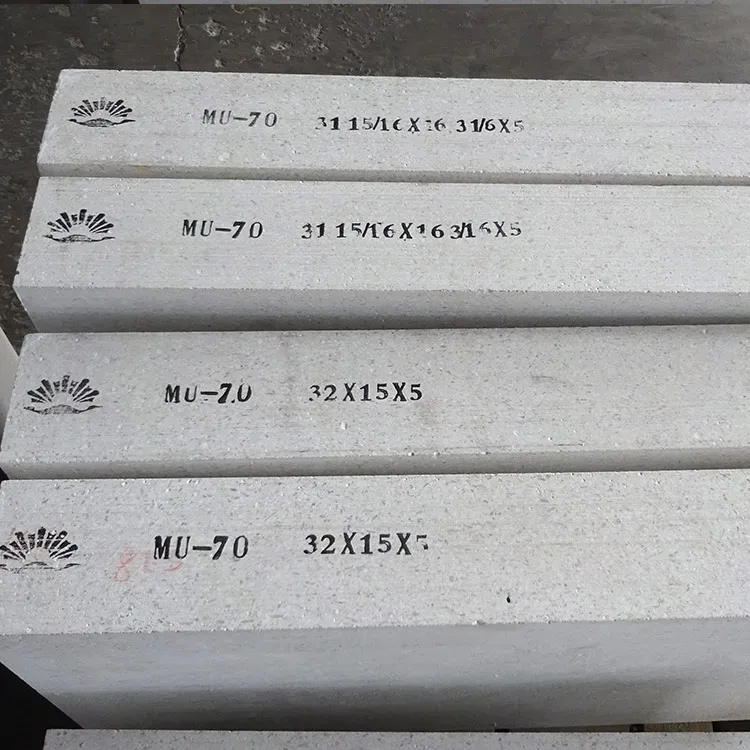
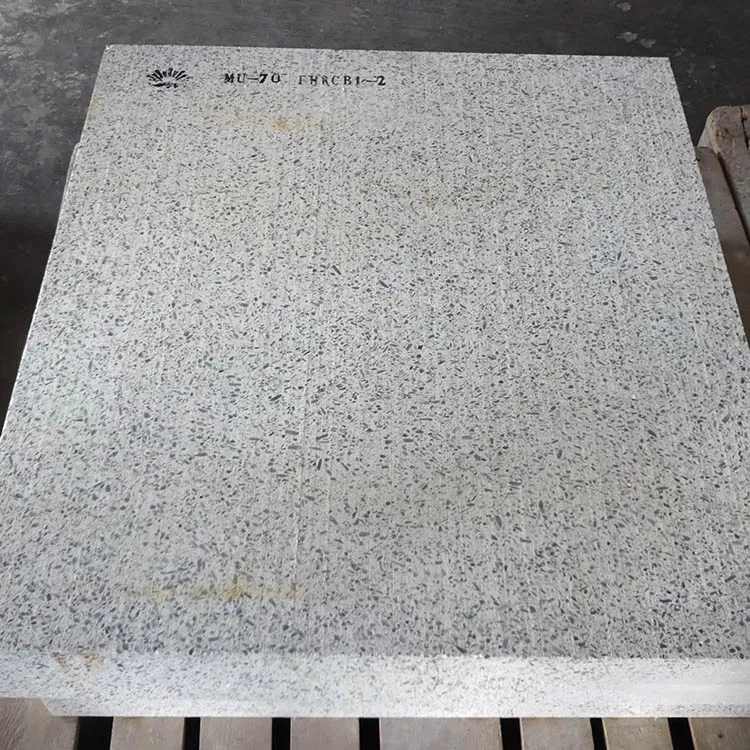
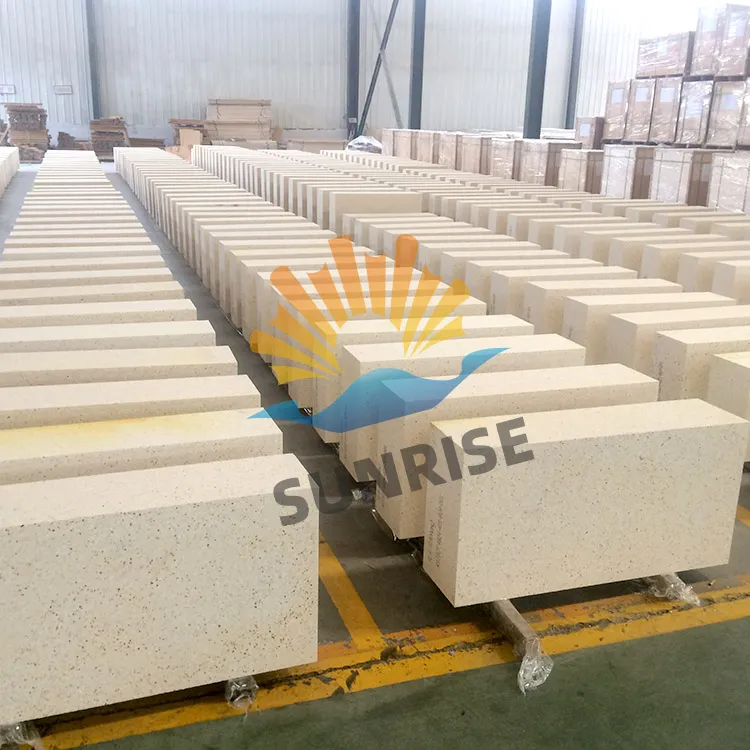
Alumina brick (also known as aluminum oxide brick) is engineered with over 90% pure alumina (Al₂O₃), which gives it exceptional properties:
- High Wear Resistance: With a Mohs hardness of ~9, it outperforms standard fireclay bricks by up to 3x in abrasion resistance.
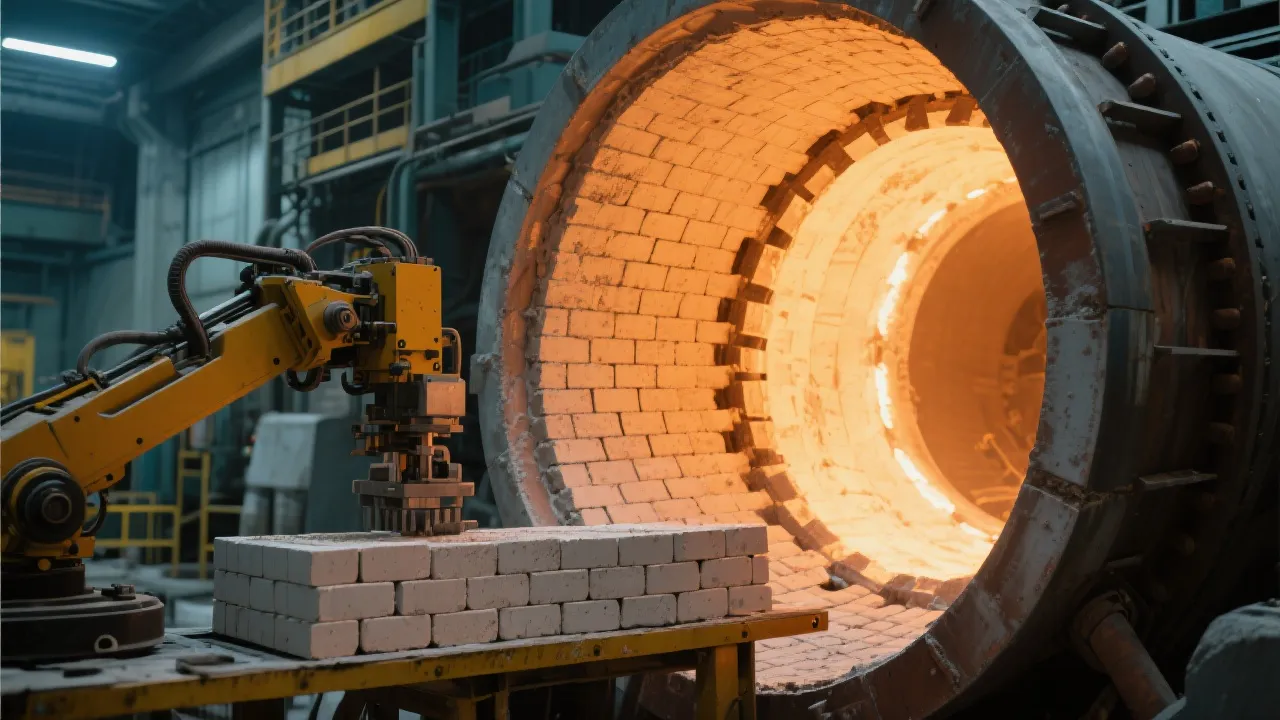
- Thermal Stability: Maintains structural integrity up to 1700°C—ideal for continuous firing cycles in tunnel or roller kilns.
- Chemical Inertness: Resists attack from glaze fluxes and alkali vapors, reducing spalling and surface degradation.
Real Results from Real Plants
A case study from a mid-sized tile manufacturer in Italy showed a 42% reduction in kiln maintenance costs after switching to alumina brick. Their average kiln lifespan increased from 18 months to 26 months—a direct result of reduced thermal shock and better chemical resistance.
Another example: A porcelain producer in India reported fewer rejects due to surface defects—up to 15% improvement in first-pass yield—after replacing traditional magnesia-carbon bricks with alumina-based solutions.
Cost-Benefit Snapshot (Per Kiln Year)
| Material Type |
Avg. Lifespan |
Annual Maintenance Cost |
| Standard Fireclay |
12–15 months |
$8,500 |
| Alumina Brick |
24–26 months |
$4,200 |
Tailored Solutions for Every Scale
Whether you run a small artisan studio or a large-scale production line, we offer customized alumina brick configurations:
- Small/Mid-Sized Producers: Standard-grade alumina bricks with optimized installation guides for quick retrofitting.
- Larger Facilities: Custom-formulated bricks with enhanced thermal conductivity for energy-efficient kiln design.
- Specialty Ceramics: High-alumina bricks (95%+) tailored for zirconia or technical ceramics requiring ultra-stable environments.
These aren’t just bricks—they’re strategic investments in uptime, product quality, and long-term profitability.
Ready to Optimize Your Kiln Performance?
Get a free technical consultation and a sample pack delivered within 5 business days. No obligation—just real insights from engineers who’ve seen what works in global kiln operations.
Download Technical Brochure & Request Sample



.jpg?x-oss-process=image/resize,h_1000,m_lfit/format,webp)