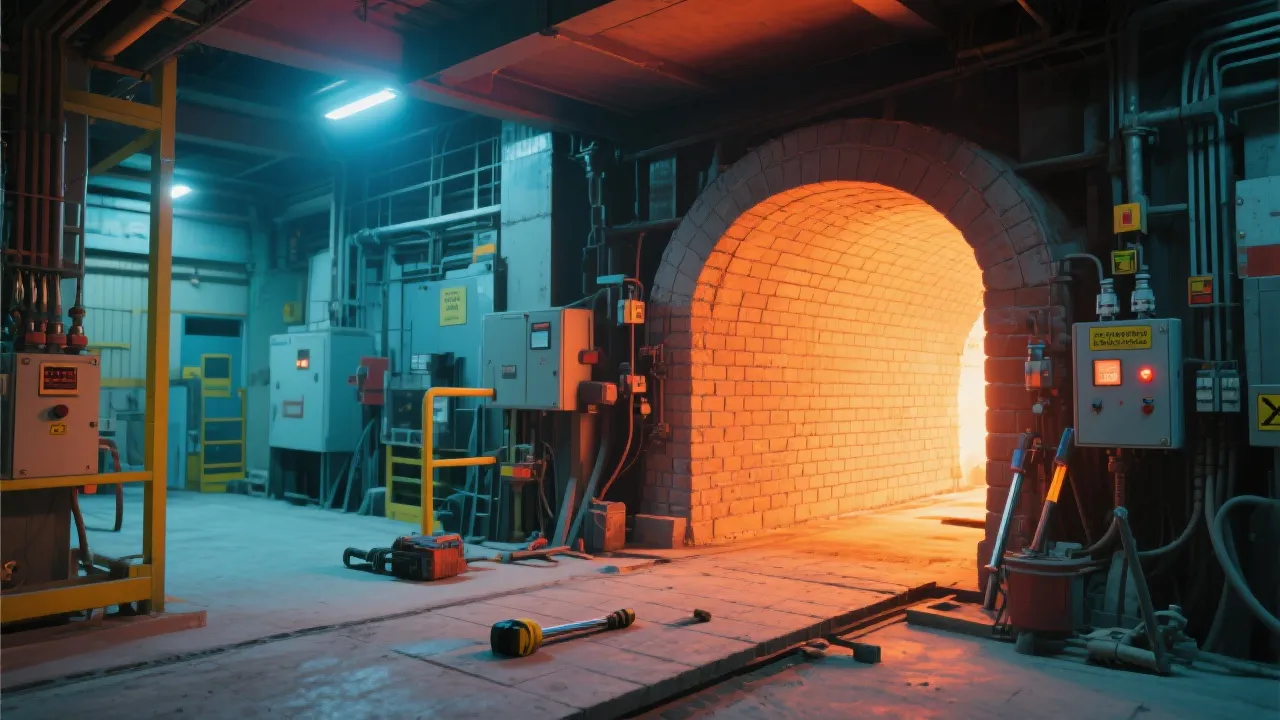
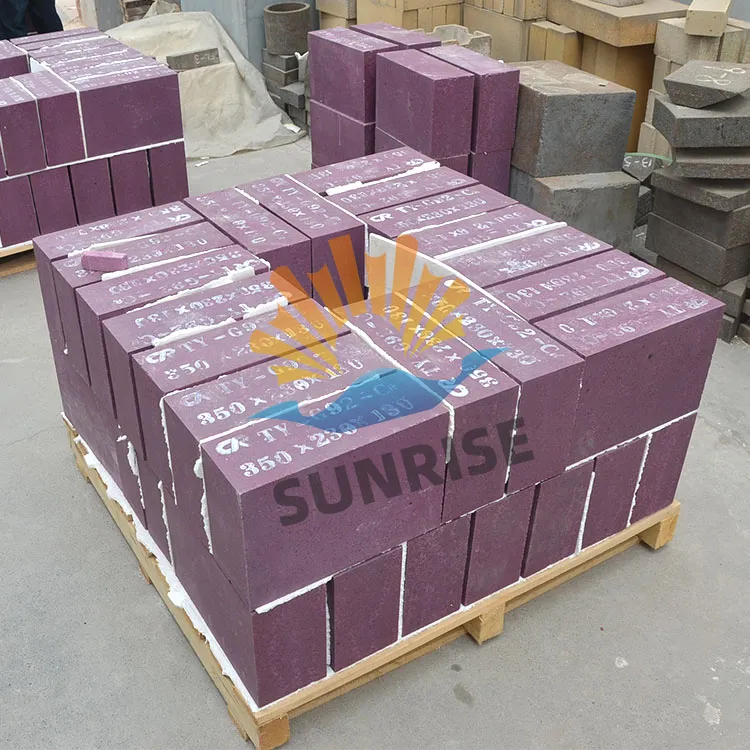
In chemical processing plants, refractory material failure isn’t just an operational headache—it’s a direct cost driver. According to industry data, over 40% of unplanned downtime in high-temperature reactors stems from premature refractory degradation. That’s where high-purity alumina refractory bricks (Al₂O₃ > 90%) come in—not as a replacement, but as a strategic upgrade.
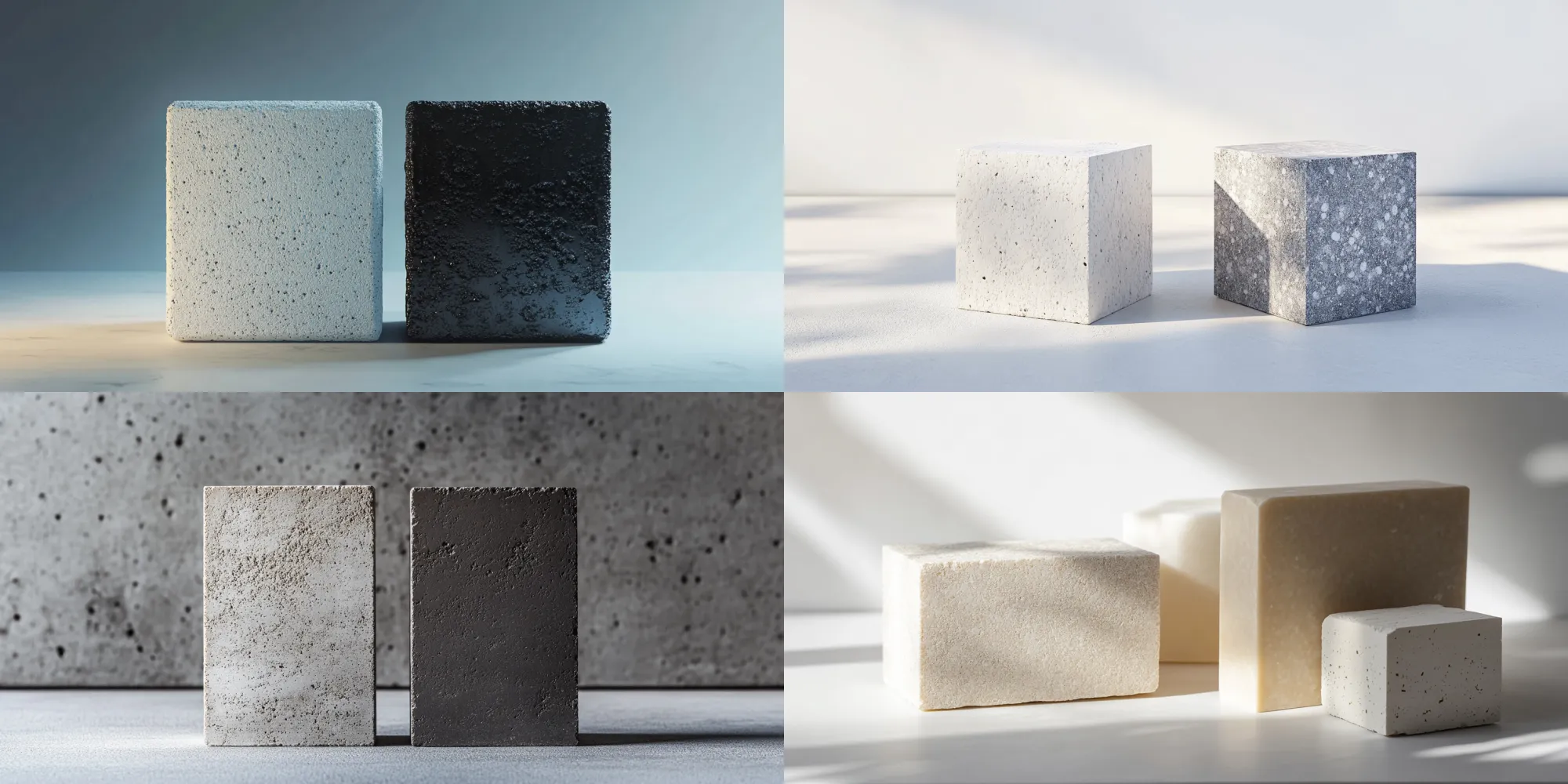
These bricks aren't just another ceramic product—they’re engineered for extreme environments. Whether it's a fluidized bed reactor at 1,500°C or a sulfuric acid furnace with aggressive alkali slag, their crystalline structure resists both thermal shock and chemical attack. The two main types—sintered and electric-fused—offer distinct advantages:
Case Study – PetroChem Solutions, UAE: After switching from traditional high-alumina brick to electric-fused alumina brick in their sulfur recovery unit, they reported a 30% increase in lining life and a 15% drop in energy consumption due to improved heat retention.
Another example: A European specialty chemical manufacturer saw a 25% reduction in maintenance costs within six months after replacing clay bricks in their calcination kiln with sintered alumina bricks. Why? Because these materials resist acid and base corrosion better than any standard refractory on the market.
| Refractory Type | Max Temp (°C) | Lifespan Increase vs. Clay Brick | Cost per kg (USD) |
|---|---|---|---|
| Clay Brick | 1,200 | Baseline | $0.80 |
| High-Alumina Brick | 1,450 | +15% | $1.50 |
| Alumina Refractory Brick (90%+ Al₂O₃) | 1,600–1,700 | +30%–40% | $2.20 |
Don’t guess—match your process parameters:
Remember: choosing alumina refractory bricks isn’t just about durability—it’s about reducing downtime, cutting fuel use, and ensuring consistent product quality. In short, selecting high-purity alumina bricks = choosing stable production.
Get a free technical consultation tailored to your plant’s specific conditions—including custom recommendations based on your operating temperature, chemical exposure, and budget constraints.
Download Our Free Refractory Selection Guide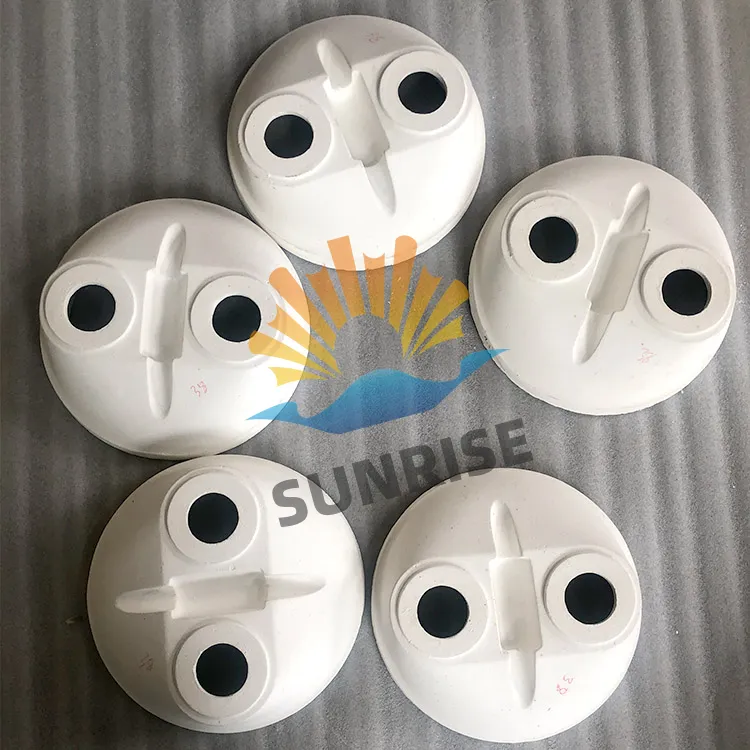
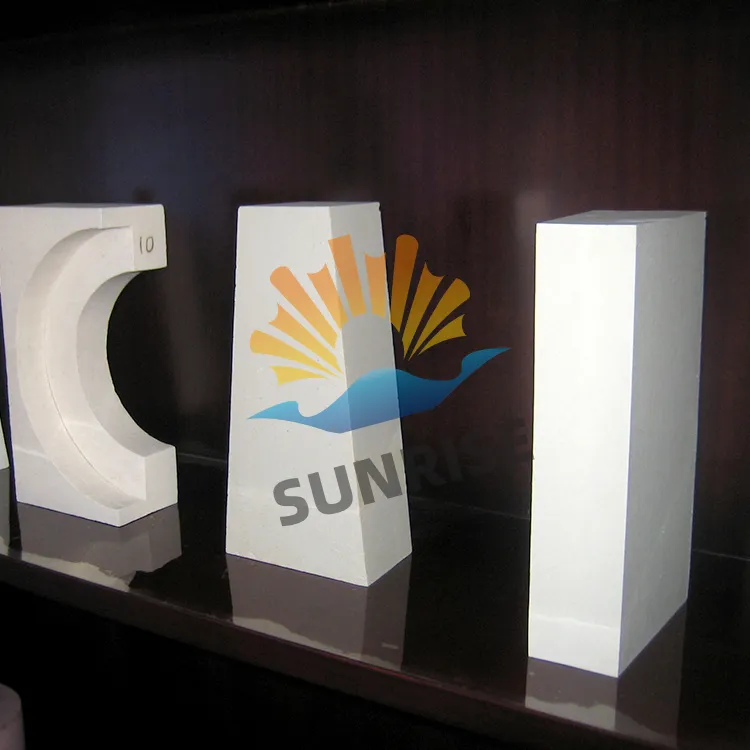
.jpg?x-oss-process=image/resize,h_1000,m_lfit/format,webp)





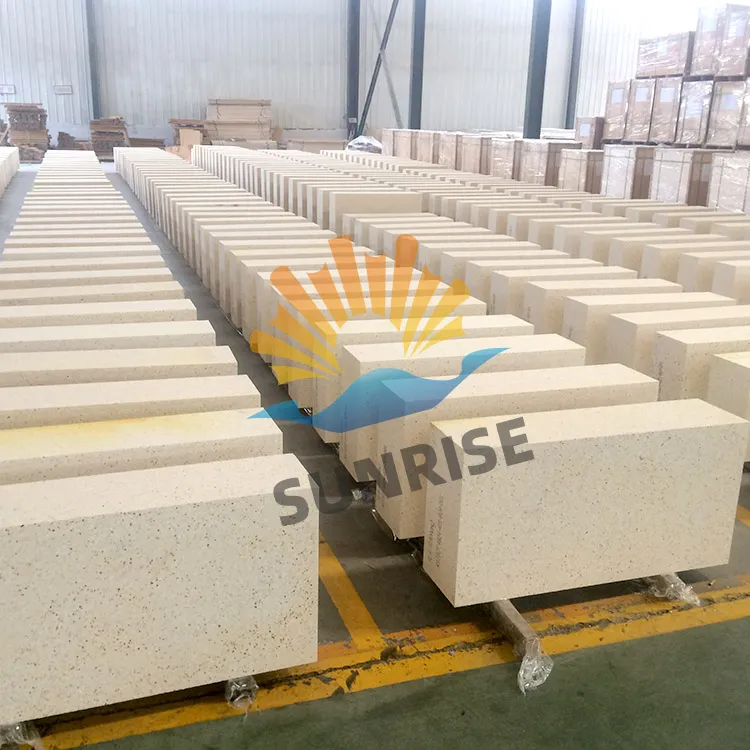
.jpg?x-oss-process=image/resize,h_1000,m_lfit/format,webp)