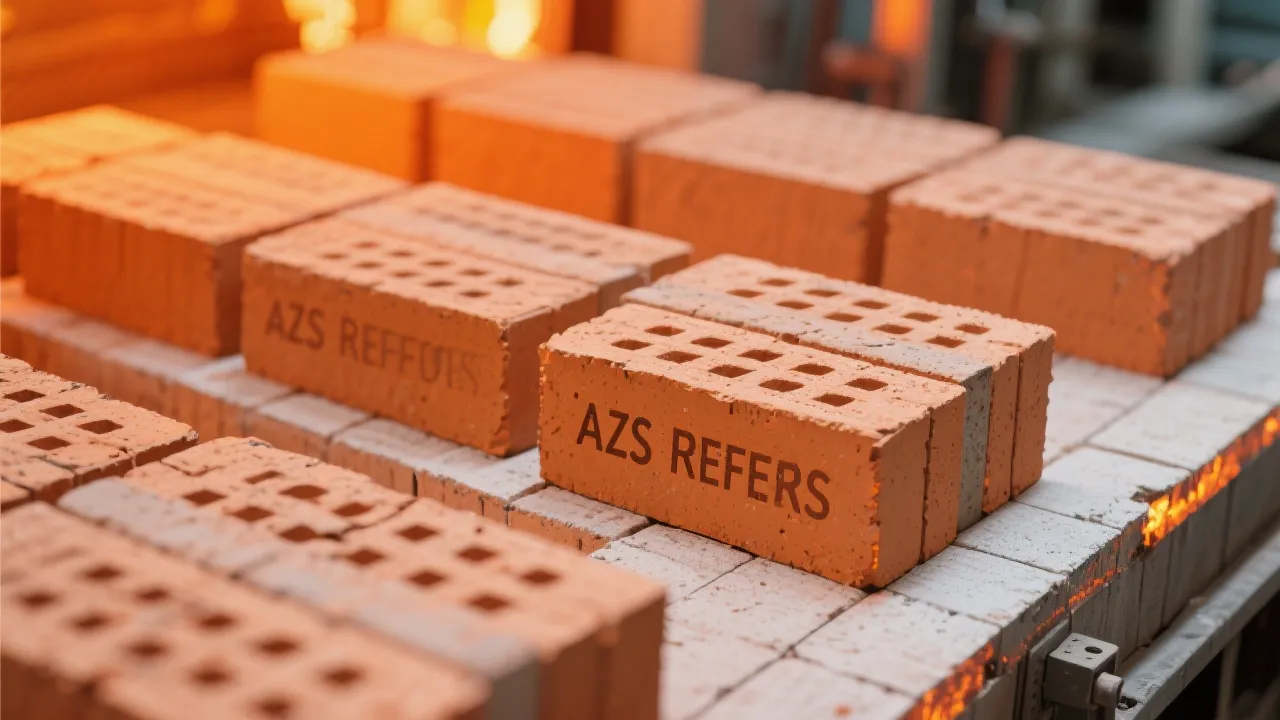
In the demanding world of industrial high-temperature processes, selecting the right refractory material can mean the difference between smooth operations and costly downtime. For decades, corundum bricks have stood out as the material of choice for industries ranging from steelmaking to glass manufacturing. But what exactly makes these bricks so indispensable? Let's explore the technical advantages that have established Sunrise corundum bricks as the benchmark in high-temperature industrial applications.
"In high-temperature industrial processes, material performance directly impacts production efficiency, maintenance costs, and overall operational safety. Corundum bricks have consistently demonstrated their superiority in these critical areas."
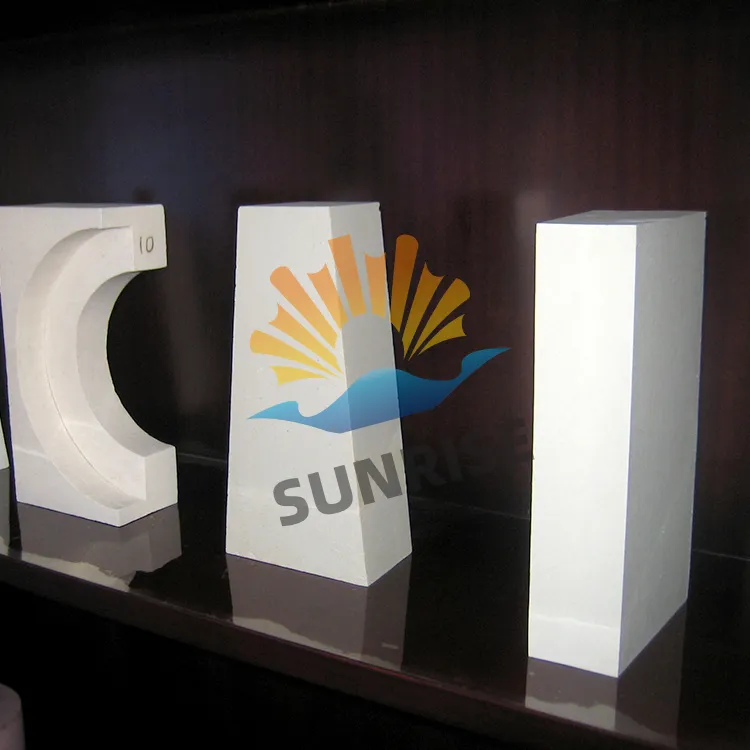
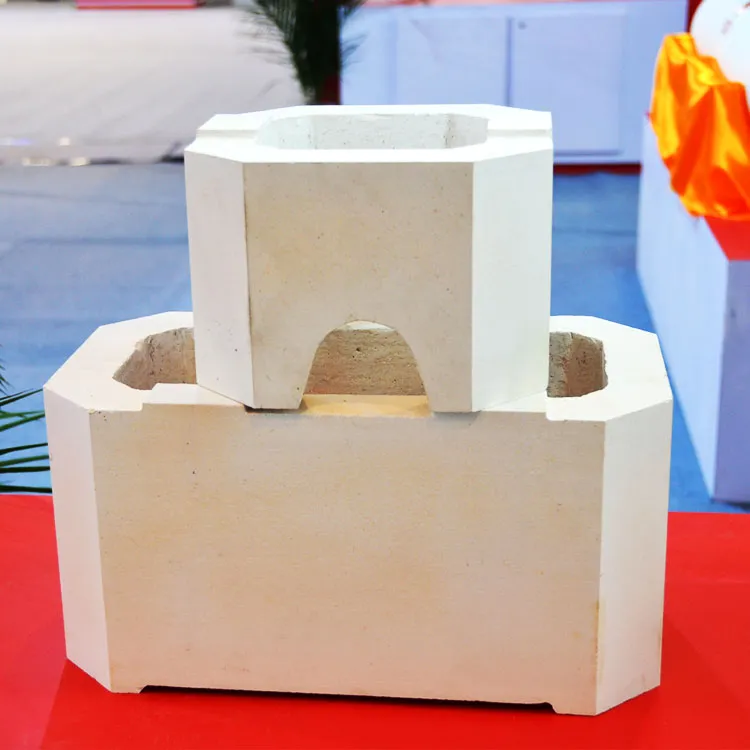
At the heart of corundum bricks' exceptional performance lies their unique composition and manufacturing process. With an alumina (Al₂O₃) content exceeding 90%, these bricks offer a combination of properties that make them ideal for the most challenging high-temperature environments.
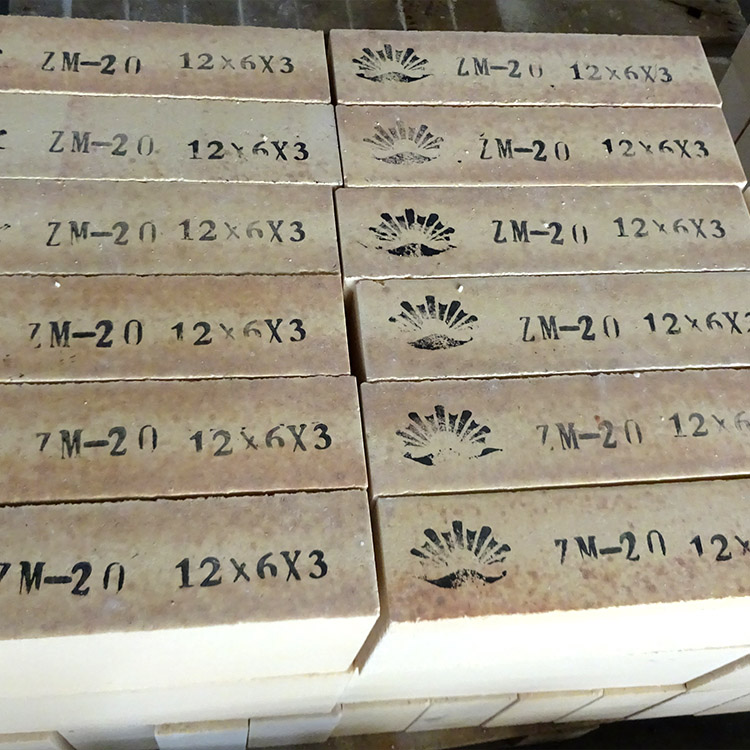
Corundum bricks maintain their structural integrity even at temperatures exceeding 1700°C, making them suitable for the most extreme industrial processes. This thermal stability ensures minimal deformation under prolonged heat exposure, a critical factor in maintaining窑炉 (kiln) geometry and process consistency.
With cold crushing strengths typically ranging from 150 to 250 MPa, corundum bricks provide excellent structural support even in the cold state. This characteristic is particularly important during窑炉 (kiln) startup and shutdown cycles, where thermal expansion and contraction can create significant stress on refractory linings.
The dense structure of corundum bricks, combined with their high hardness (Mohs hardness of 9), provides exceptional resistance to abrasion and erosion. This property is crucial in environments where refractory surfaces are exposed to moving materials or high-velocity gas flows.
Corundum bricks exhibit remarkable resistance to chemical attack from slags, molten metals, and glass melts. Their low porosity and high alumina content minimize penetration by corrosive agents, extending service life in chemically aggressive environments.
The versatility of corundum bricks makes them suitable for a wide range of industrial applications. Let's examine their performance in two key sectors:
In steel production, corundum bricks play a vital role in ladles, tundishes, and electric arc furnaces. Their ability to withstand extreme temperatures and resist attack from molten steel and slag has made them indispensable.
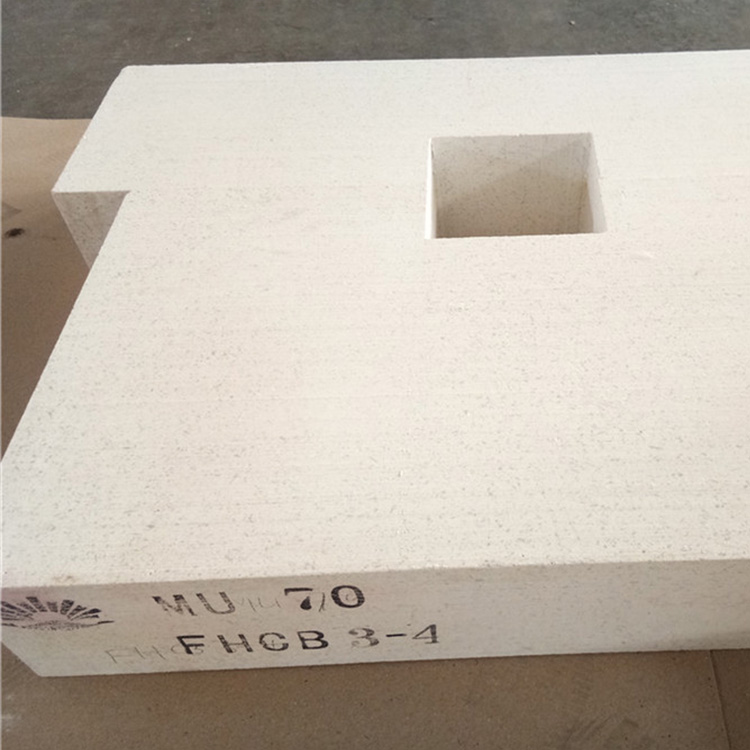
Glass production requires refractory materials that can withstand not only high temperatures but also the corrosive effects of molten glass. Corundum bricks have proven particularly effective in glass furnace regenerators and melting tanks.
Understanding the differences between sintered and fused corundum bricks is essential for selecting the optimal material for specific applications:
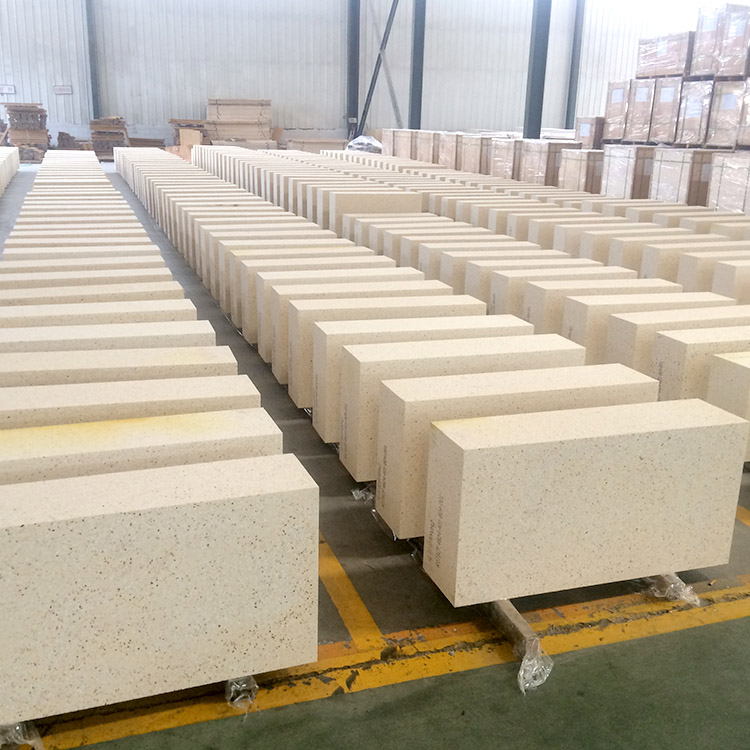
While corundum bricks may represent a higher initial investment compared to conventional refractory materials, their extended service life and reduced maintenance requirements deliver significant long-term savings. Industry studies have consistently shown that the total cost of ownership for corundum bricks is 20-35% lower than traditional refractories over a typical窑炉 (kiln) lifecycle.
选对材料,就是省下千万维修费 (Choosing the right material saves millions in maintenance costs)
For industrial operators facing challenges such as frequent窑炉 (kiln) repairs, inconsistent production, or rising maintenance costs, upgrading to high-quality corundum bricks often represents the most cost-effective solution. The improved durability translates directly to fewer production interruptions, more consistent product quality, and ultimately, enhanced profitability.
Discover how Sunrise corundum bricks can transform your high-temperature operations. Our technical experts can help you select the perfect refractory solution tailored to your specific industrial application.
Request Your Custom Corundum Brick SolutionEvery industrial environment presents unique challenges, and selecting the right refractory material requires careful consideration of temperature profiles, chemical exposure, mechanical stresses, and production goals. By understanding the technical advantages of corundum bricks and how they align with specific industrial requirements, operators can make informed decisions that optimize both performance and cost-effectiveness.




.jpg?x-oss-process=image/resize,h_1000,m_lfit/format,webp)