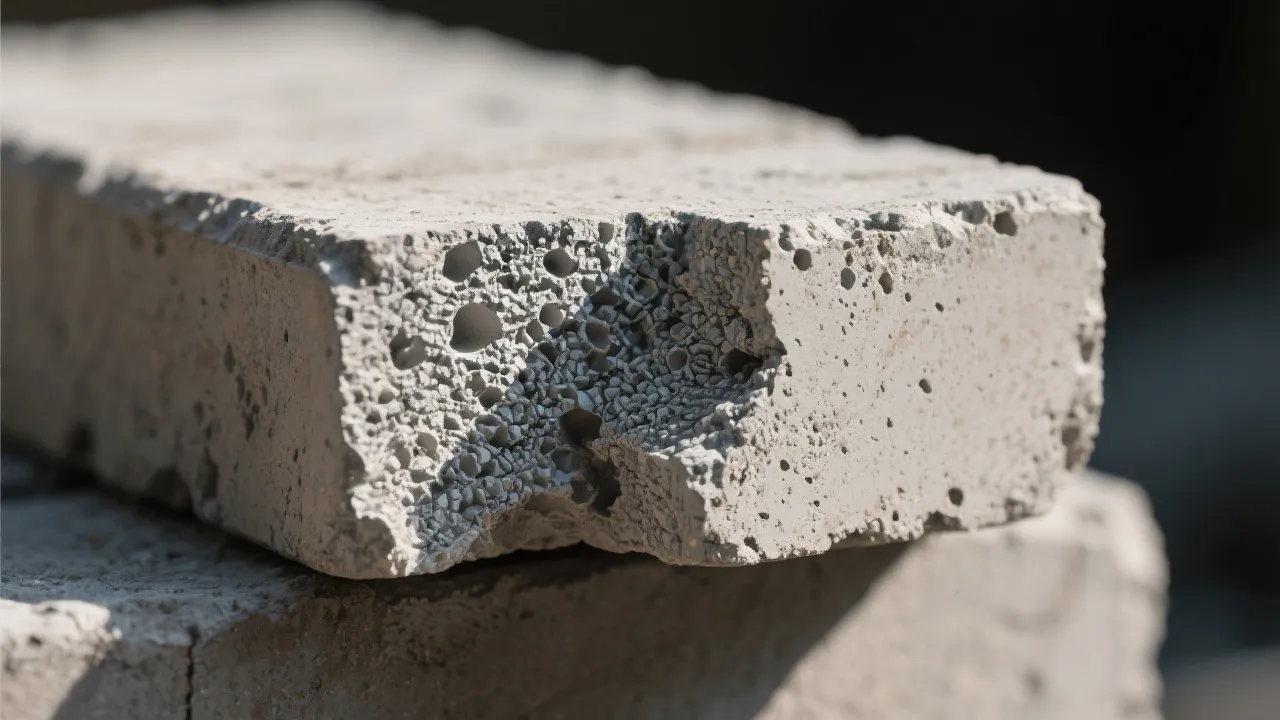
In the high-stakes world of chemical manufacturing, where extreme temperatures and corrosive environments are the norm, the choice of refractory materials directly impacts operational efficiency, safety, and bottom-line results. For over three decades, Sunrise has been at the forefront of providing advanced refractory solutions, with our high-temperature corundum bricks emerging as the material of choice for chemical processing plants worldwide.
"Chemical processors report an average 30% reduction in maintenance costs and 22% increase in furnace uptime after switching to high-quality corundum brick linings, according to industry research by the Refractory Materials Association."
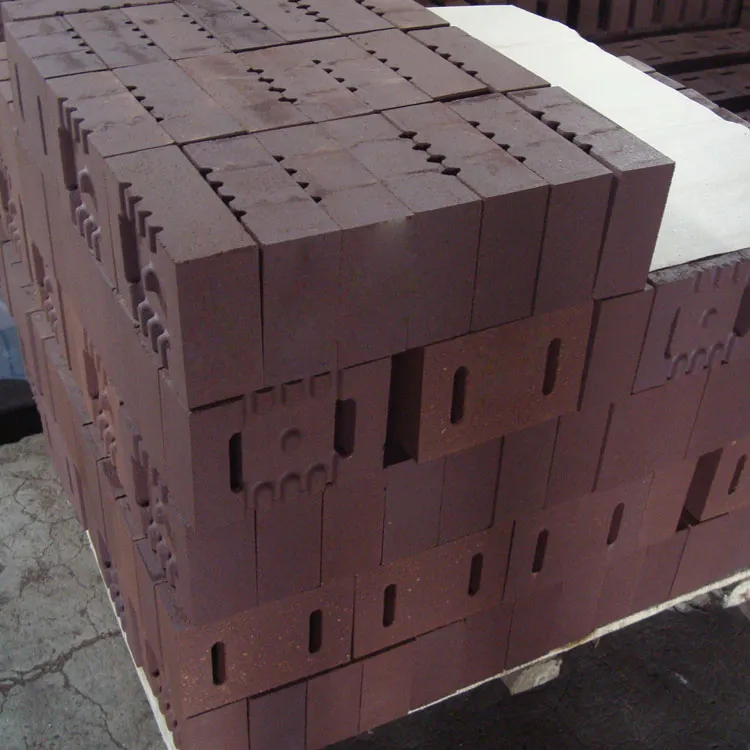
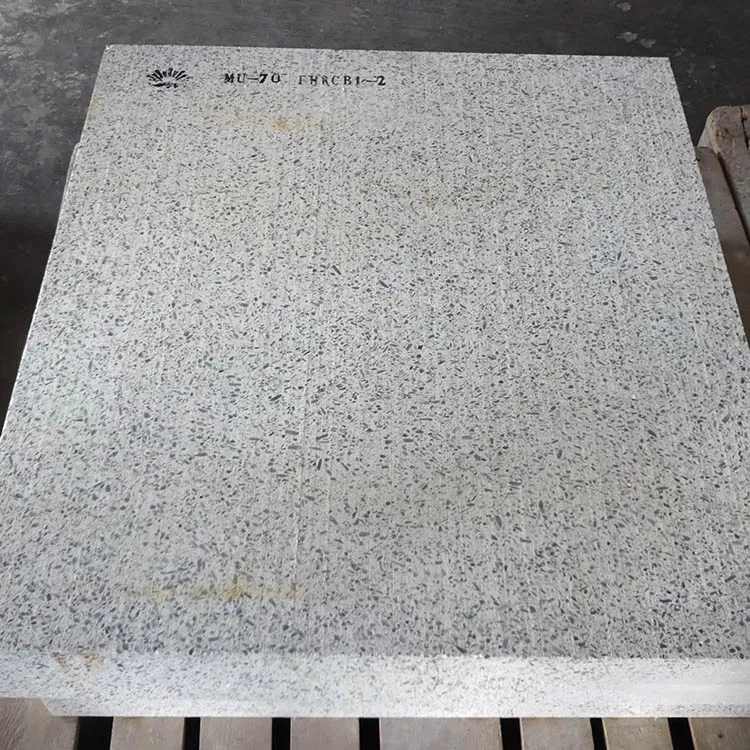
Corundum bricks are engineered from aluminum oxide (Al₂O₃) with purity levels ranging from 75% to 99%, creating a material capable of withstanding temperatures exceeding 1700°C. The manufacturing process significantly influences their final properties, resulting in two primary classifications:
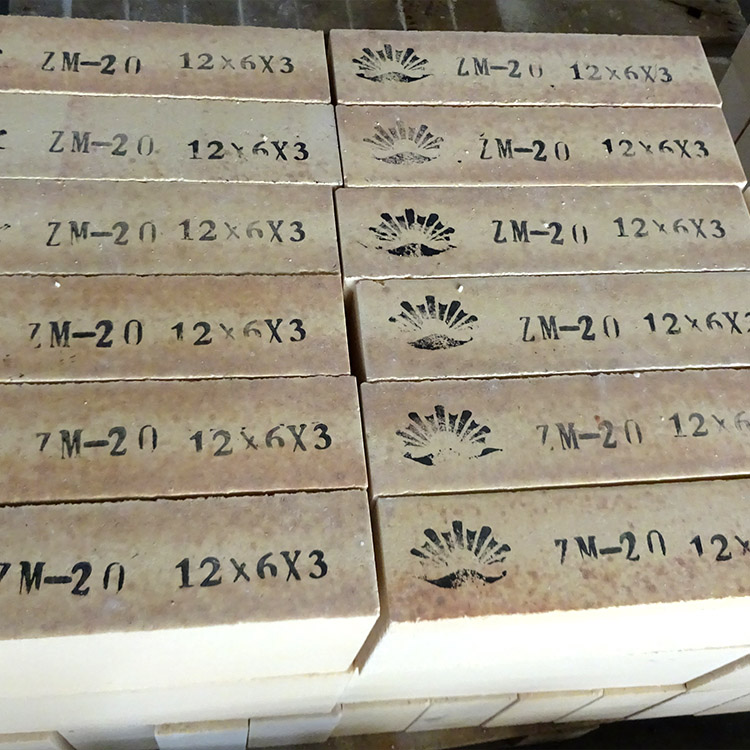
What sets corundum bricks apart in chemical furnace applications is their unique combination of properties that directly address industry challenges:
Maintains structural integrity with cold crushing strength exceeding 200 MPa even at 1600°C, preventing deformation under extreme loads
Resists attack from acids, alkalis, and molten salts common in chemical reactions, with corrosion rates up to 70% lower than conventional refractories
Withstands rapid temperature changes (ΔT up to 800°C) without cracking, reducing downtime during process startups and shutdowns
Corundum bricks have proven their value across various chemical processing applications. In a recent case study with a leading petrochemical manufacturer in Texas, replacing traditional fireclay bricks with Sunrise electrofused corundum bricks in their ethylene cracking furnaces resulted in:
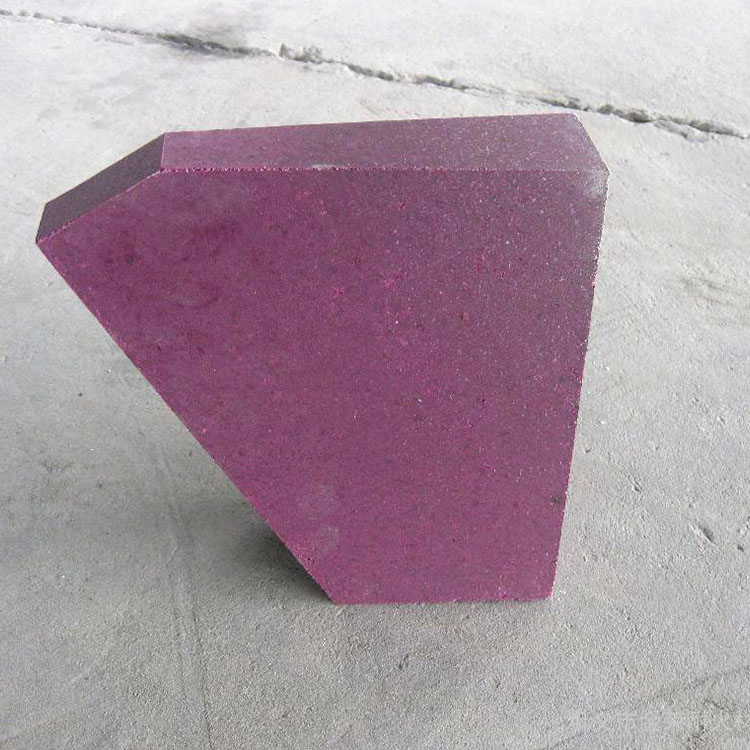
Another significant application is in sulfuric acid production, where corundum bricks resist the highly corrosive environment of contact process reactors. A European chemical giant reported that using Sunrise sintered corundum bricks in their acid plants reduced lining replacements from every 2 years to once every 5 years, while improving process stability.
Choosing the right corundum brick requires careful consideration of specific operating conditions. Factors to evaluate include:
| Application | Recommended Type | Key Considerations |
|---|---|---|
| High-temperature cracking furnaces | Electrofused corundum (>90% Al₂O₃) | Continuous operation, high thermal load |
| Batch reactors with temperature cycling | Sintered corundum (85-90% Al₂O₃) | Thermal shock resistance critical |
| Corrosive chemical environments | High-purity electrofused corundum | Acid/alkali resistance requirements |
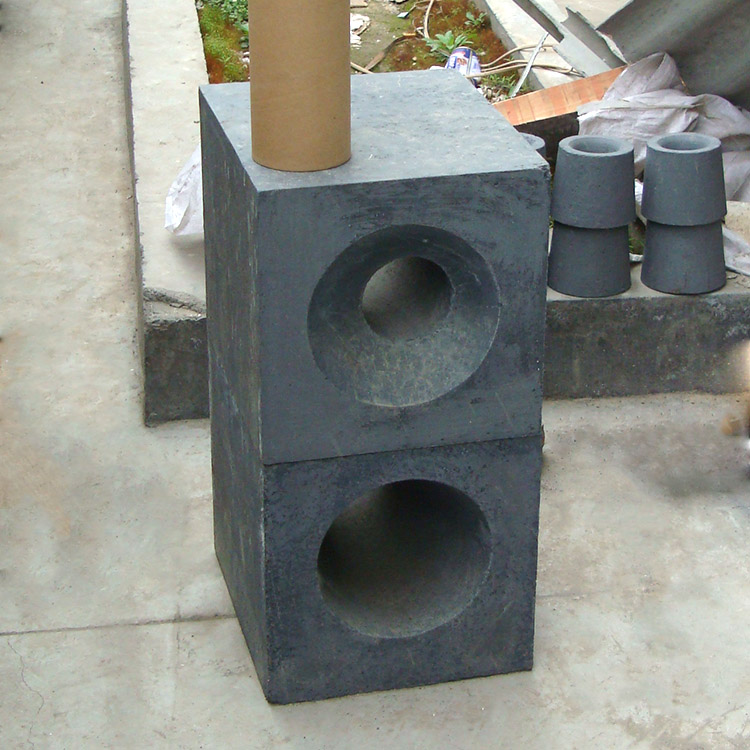
When upgrading to corundum brick linings, proper installation and transition planning are crucial for maximizing performance. Chemical plants should consider:
Discover how Sunrise high-temperature corundum bricks can reduce your maintenance costs while increasing furnace reliability and production efficiency.
Get Your Custom Corundum Brick Solution NowMany chemical manufacturers initially hesitate to invest in premium refractory materials, concerned about upfront costs. However, the lifecycle cost analysis consistently shows that corundum bricks deliver positive ROI within 12-18 months through reduced downtime, lower energy consumption, and decreased maintenance requirements.
As chemical processes become more intensive and production demands increase, the reliability of furnace linings becomes ever more critical. With Sunrise corundum bricks, chemical plants gain not just a refractory material, but a strategic asset that contributes directly to operational excellence and competitive advantage in the global marketplace.


.jpg?x-oss-process=image/resize,h_1000,m_lfit/format,webp)