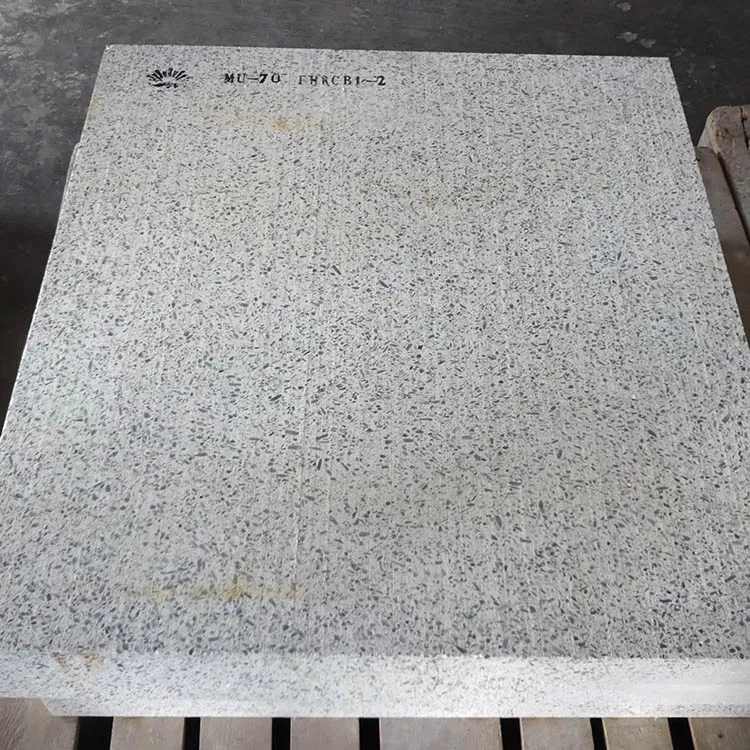
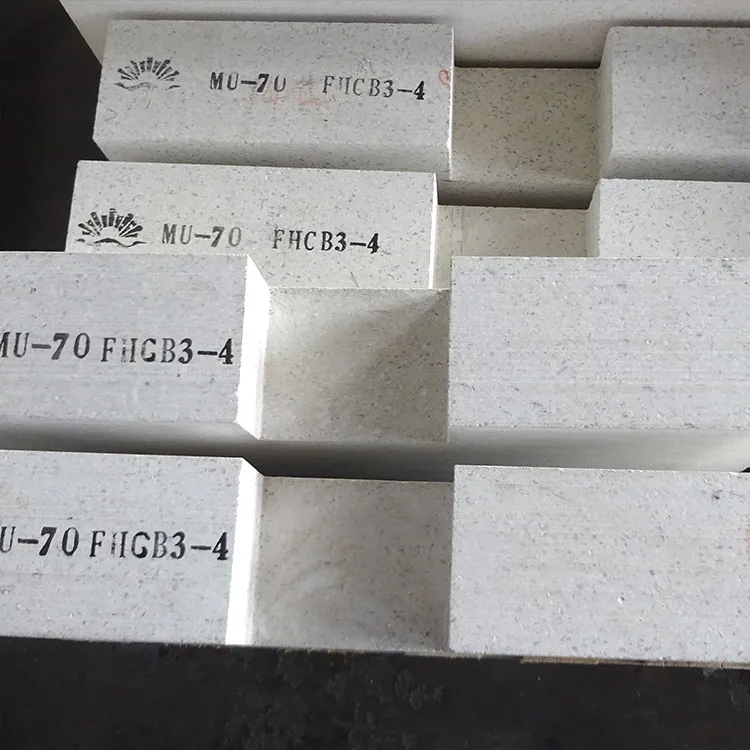
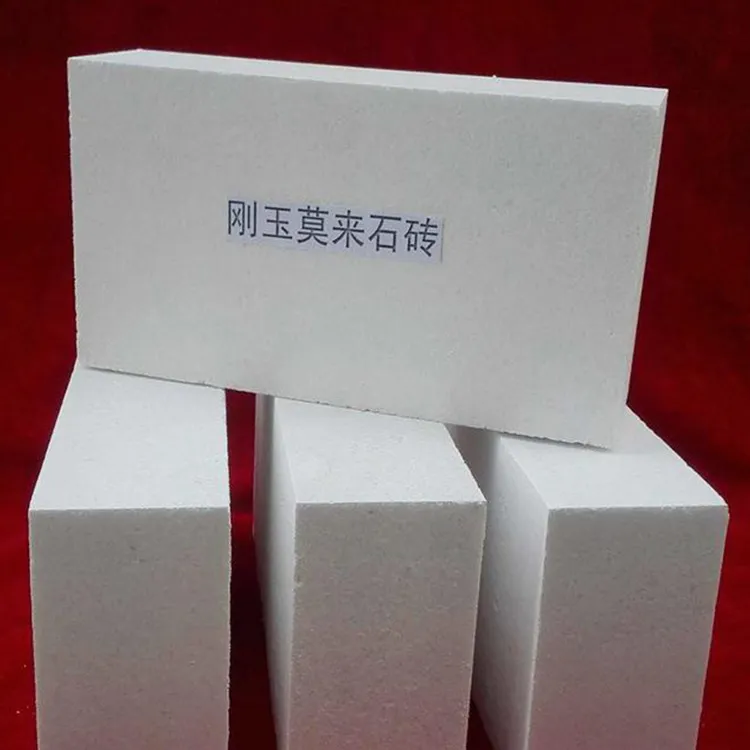
In the chemical industry, operational environments frequently involve extreme temperatures and corrosive media, challenging the durability and reliability of refractory materials. Selecting the optimal refractory lining is crucial for ensuring process efficiency, equipment longevity, and cost-effectiveness. High-temperature corundum bricks, composed primarily of α-Al2O3 (corundum), stand out as an exceptional solution for high-temperature processes in chemical plants.
Chemical reactors, high-temperature furnaces, and incinerators operate under thermal stresses often exceeding 1600°C, frequently accompanied by corrosive gases and molten slags. Poor refractory selection risks premature failure, unscheduled downtime, and product contamination. Industrial data indicate that skilled selection of refractory linings can improve furnace lifespan by up to 30%, directly impacting operational ROI and safety.
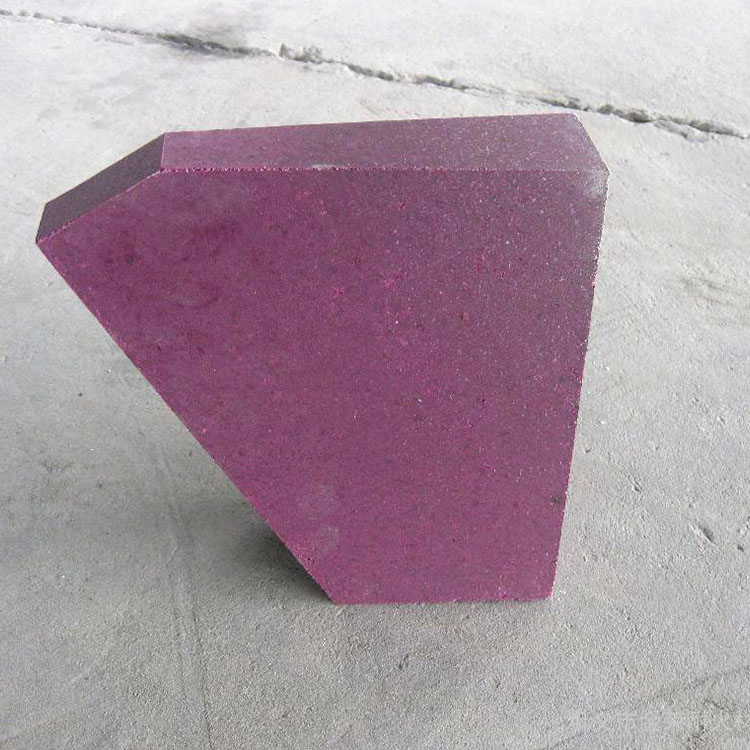
Corundum bricks are primarily composed of highly crystallized α-Al2O3 with purity ranging from 85% to over 95%, ensuring high refractoriness above 1780°C. Variants include dense and semi-dense types, each tailored for specific mechanical and thermal shock resistance requirements. Their microstructure offers impressive hardness (Mohs hardness of 9), excellent abrasion resistance, and superior corrosion resistance to alkalis and slags.
Key properties of corundum bricks include:
Chemical reactors and furnaces endure cyclic thermal shocks, corrosive atmospheres with gases like SO2, Cl2, and molten salts. Corundum bricks maintain structural integrity under these conditions, preventing lining degradation that can lead to operational failures. Tests show that corundum brick-lined units demonstrate 15%-25% longer service life compared to other alumina-silicate refractories under identical operating conditions.
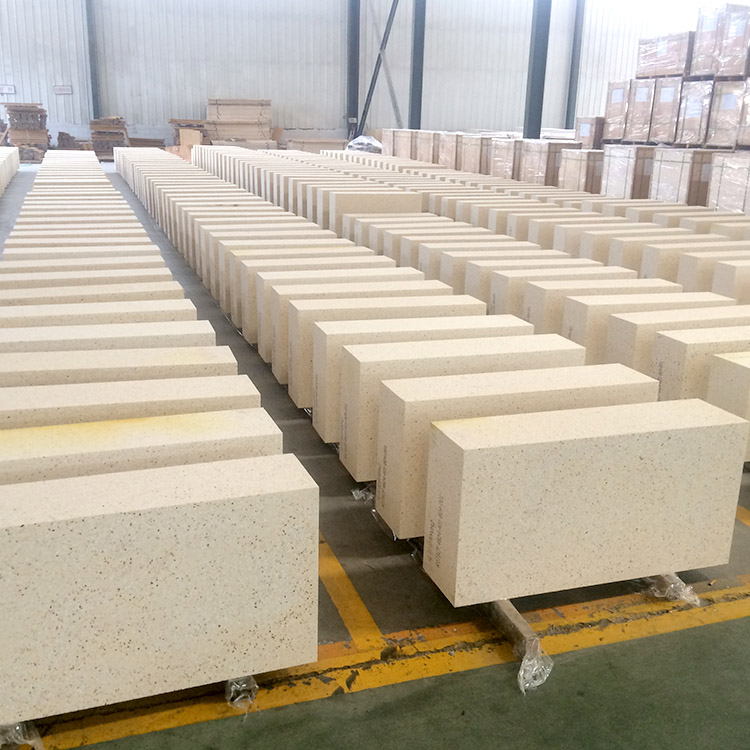
One leading chemical enterprise reported a 20% reduction in shutdown frequency after switching to high-purity corundum bricks for their high-temperature acid regeneration furnace. Operational downtime was cut by over 100 hours per annum, delivering an estimated cost-saving of $180,000 annually. Another case showed improved product yield by 7% thanks to improved temperature uniformity and reduced contamination risks—directly linked to corundum bricks’ chemical inertness.
These examples demonstrate measurable benefits: extended refractory lifespan, less frequent maintenance, improved thermal efficiency, and reduced operational risks.
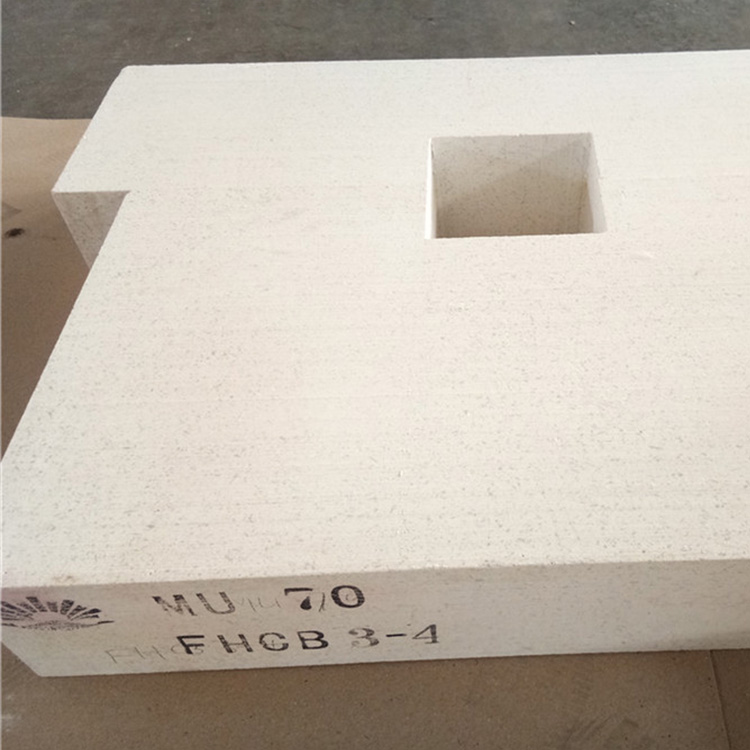
When benchmarked against common refractory types such as fireclay, magnesia-carbon bricks, and mullite, corundum bricks excel in refractory temperature, corrosion resistance, and mechanical strength, albeit with a higher initial cost. For instance, fireclay bricks typically withstand 1400-1500°C but degrade faster under acidic slag attack. Magnesia-carbon options resist basic slags but are vulnerable to oxidation in oxidizing atmospheres. Corundum bricks offer balanced performance for complex corrosive and thermal environments.
Here is a summary table for clarity:
| Refractory Type | Max Temperature (°C) | Chemical Resistance | Service Life |
|---|---|---|---|
| Corundum Brick | >1780 | Excellent (acid & alkali) | Long (3-5 years typical) |
| Fireclay Brick | 1400-1500 | Moderate (weak against acids) | Short (1-2 years) |
| Magnesia-Carbon Brick | >1800 | Good (alkaline slag) | Moderate (oxidizes easily) |
For chemical enterprises considering corundum bricks, critical factors include raw material purity, manufacturing technology, and supplier reliability. The following decision points streamline procurement:
Partnering with experienced refractory suppliers can further optimize brick selection and installation, minimizing installation errors and ensuring full lifecycle benefits.
What challenges do you face in your high-temperature chemical processes? How might improved refractory materials reshape your operational outcomes? Share your thoughts or contact our experts to tailor a durable, cost-effective refractory solution for your plant.



.jpg?x-oss-process=image/resize,h_1000,m_lfit/format,webp)
.jpg?x-oss-process=image/resize,h_1000,m_lfit/format,webp)
.jpg?x-oss-process=image/resize,h_1000,m_lfit/format,webp)