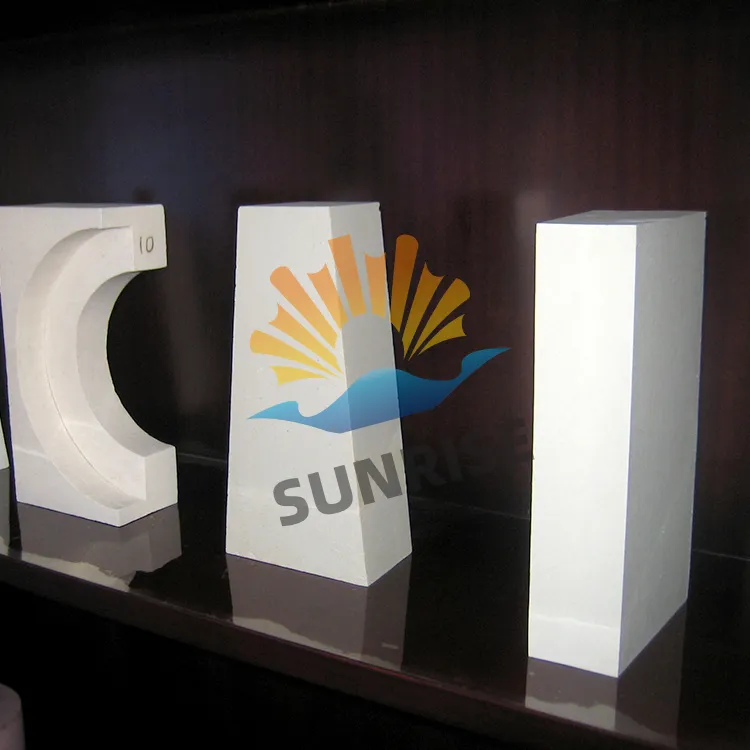
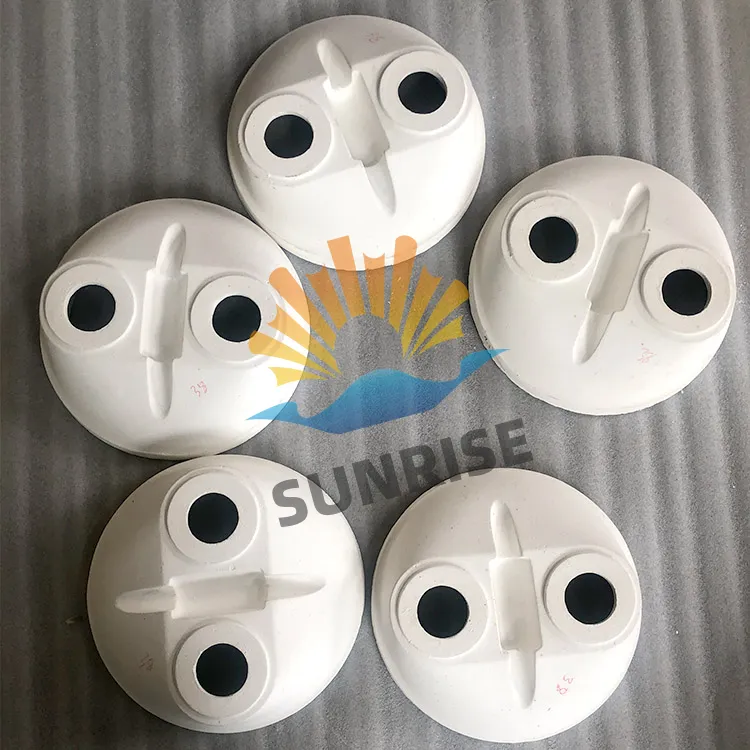
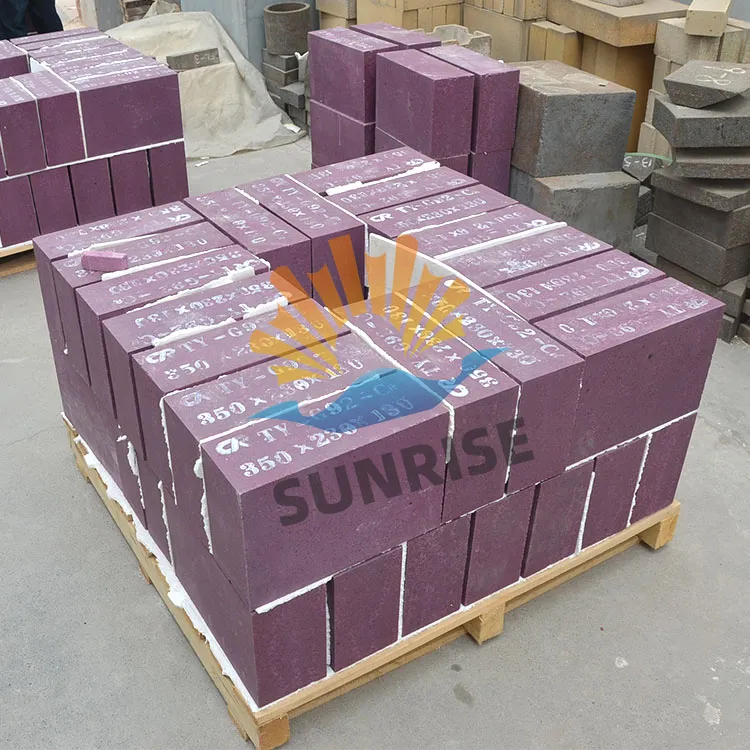
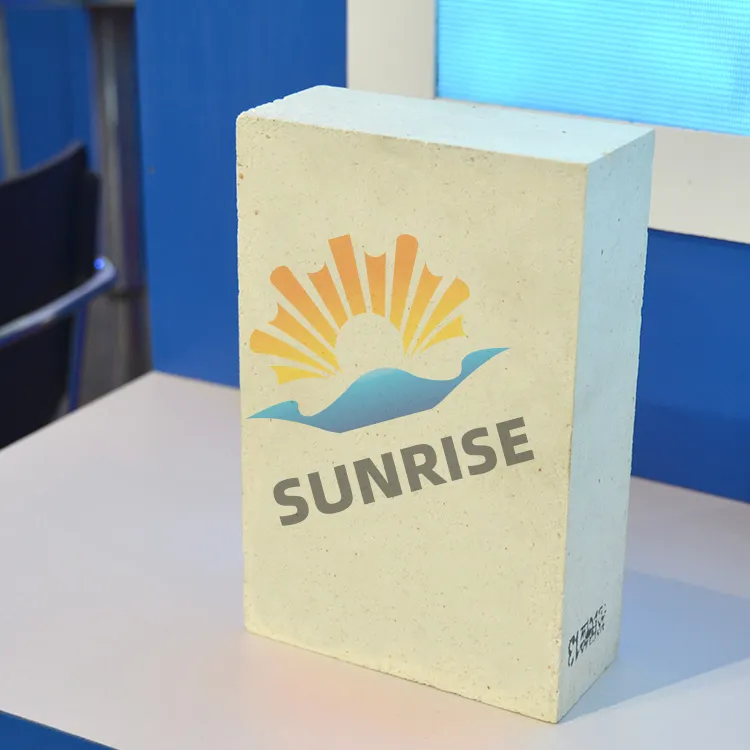
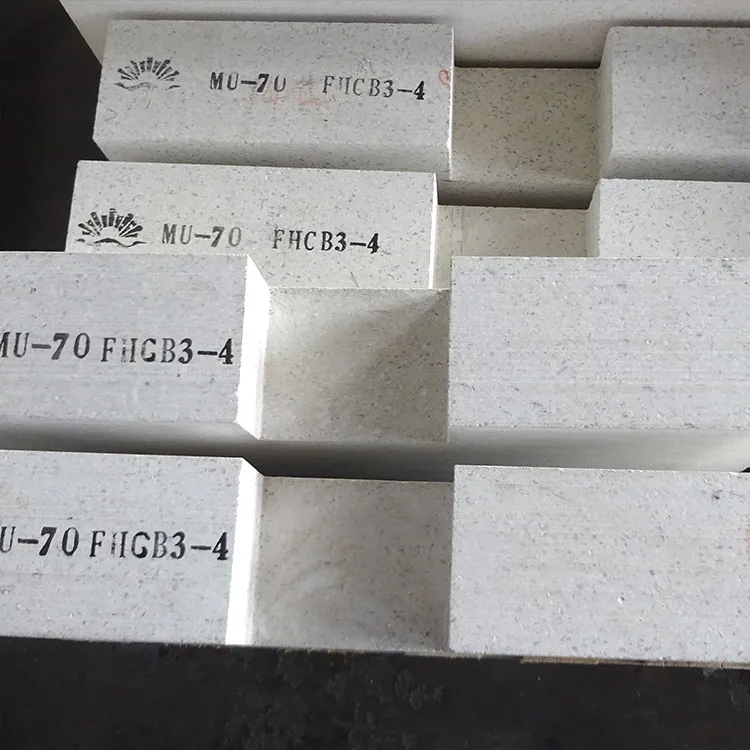
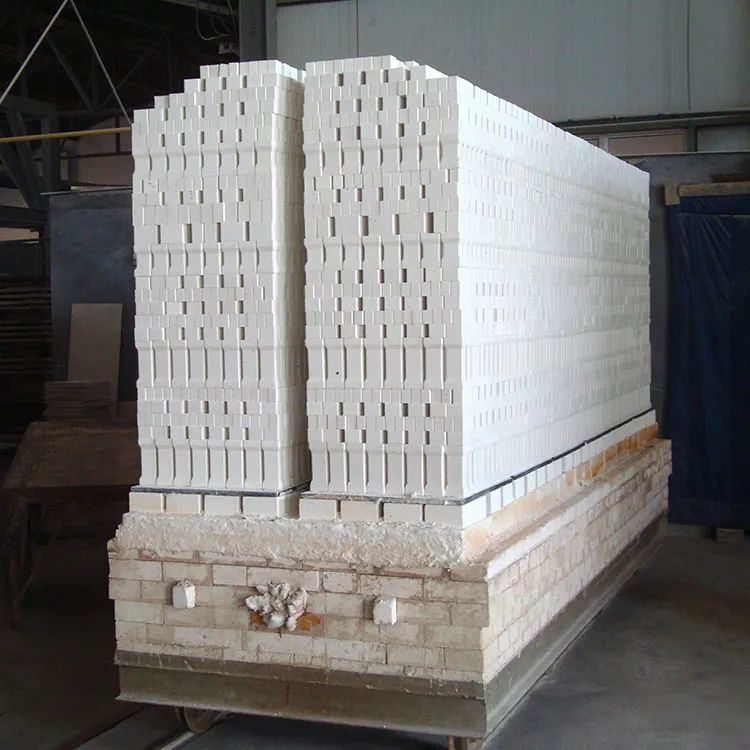
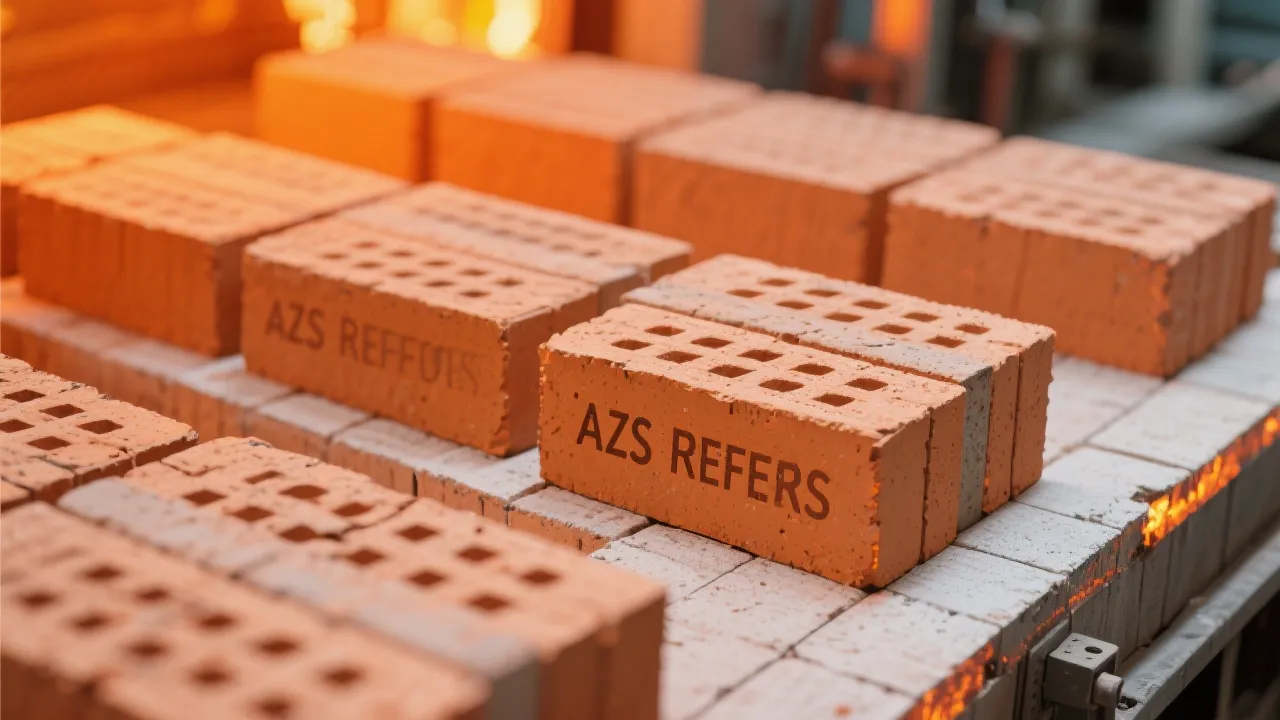
Industrial kilns and furnaces operate in some of the harshest environments on earth, with temperatures often exceeding 1600°C and constant exposure to corrosive materials. According to industry research, kiln downtime due to refractory failure costs manufacturers an average of $250,000 per day in lost production. For glass manufacturers alone, refractory maintenance represents 15-20% of total production costs. The search for durable, heat-resistant materials has led industry experts to a proven solution: sillimanite bricks.
Sillimanite bricks, when properly calcined at temperatures between 1350-1500°C, undergo a remarkable transformation. The naturally occurring sillimanite mineral (Al₂SiO₅) converts to a composite structure of mullite (3Al₂O₃·2SiO₂) and free silica, creating a material with exceptional thermal properties.
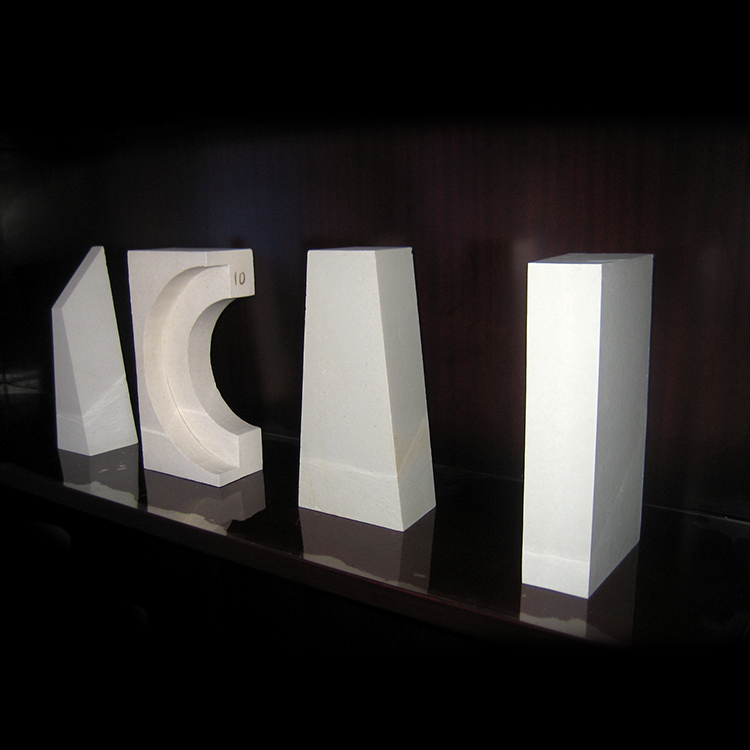
This unique microstructure gives Sunrise sillimanite bricks their industry-leading characteristics: fire resistance up to 1770-1830°C, low thermal expansion rate (3.5-4.0 x 10⁻⁶/°C), and excellent thermal shock resistance withstanding 15+ cycles of rapid temperature change from 1000°C to room temperature without failure.
The versatility of sillimanite bricks makes them ideal for various high-temperature industrial applications. Let's examine their performance in key sectors:
In glass melting furnaces, sillimanite bricks have demonstrated 30-40% longer service life compared to conventional alumina-silica refractories. A major European glass manufacturer reported reducing relining frequency from every 18 months to 24-26 months after switching to Sunrise sillimanite bricks in their furnace crown and sidewalls.
For blast furnace hearths and bosh regions, sillimanite bricks provide superior resistance to iron oxide penetration and thermal cycling. Field data shows a 25% reduction in maintenance costs and 18% increase in campaign life when using sillimanite refractories in critical furnace zones.
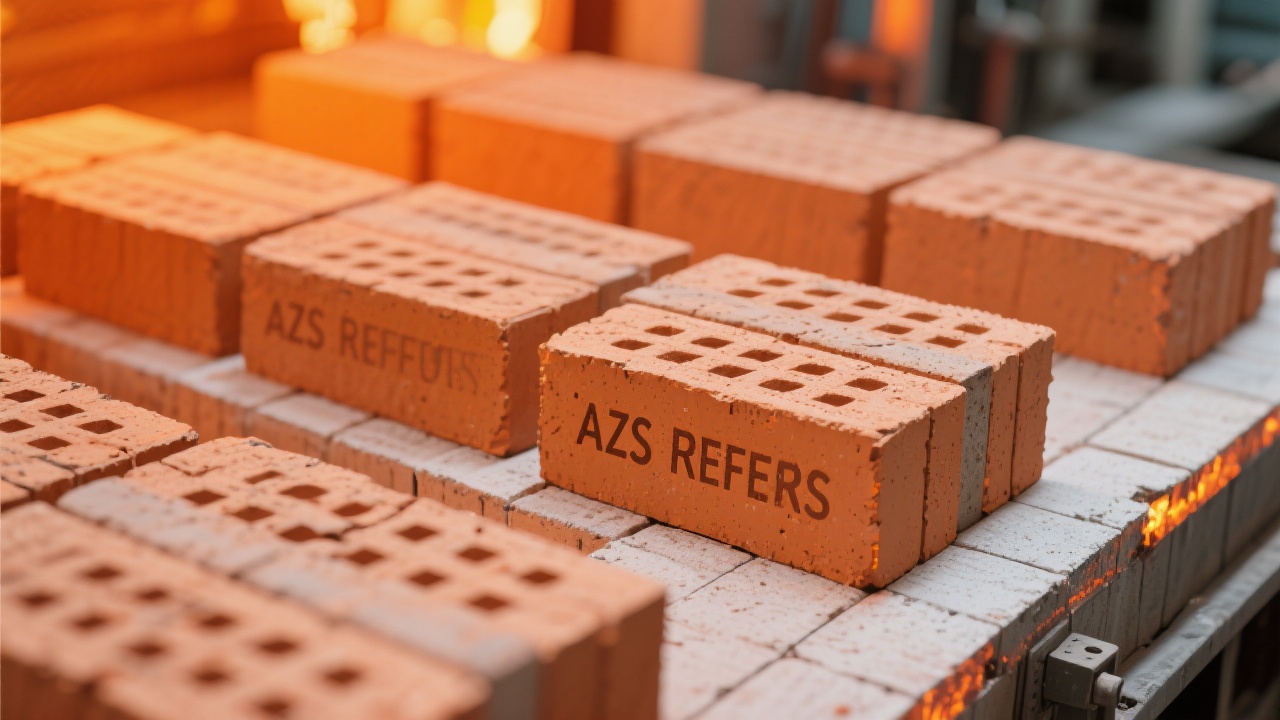
A leading ceramic tile manufacturer in Southeast Asia was facing significant production losses due to frequent kiln shutdowns. Their tunnel kiln, operating at 1280°C, required complete refractory replacement every 14 months, causing production interruptions and high maintenance costs.
After consulting with Sunrise refractory specialists, the company implemented a sillimanite brick solution in the preheating and firing zones. The results were impressive: kiln maintenance cycles extended to 22 months, energy consumption reduced by 8% due to improved insulation properties, and product quality consistency improved with more stable temperature distribution.
"The switch to sillimanite bricks has transformed our production efficiency," noted the plant engineering manager. "We've reduced unplanned downtime by 65% and seen a return on investment in less than 9 months."
The technical superiority of sillimanite bricks directly translates to tangible business benefits for industrial operators. Beyond the obvious advantage of extended service life, these refractories offer:
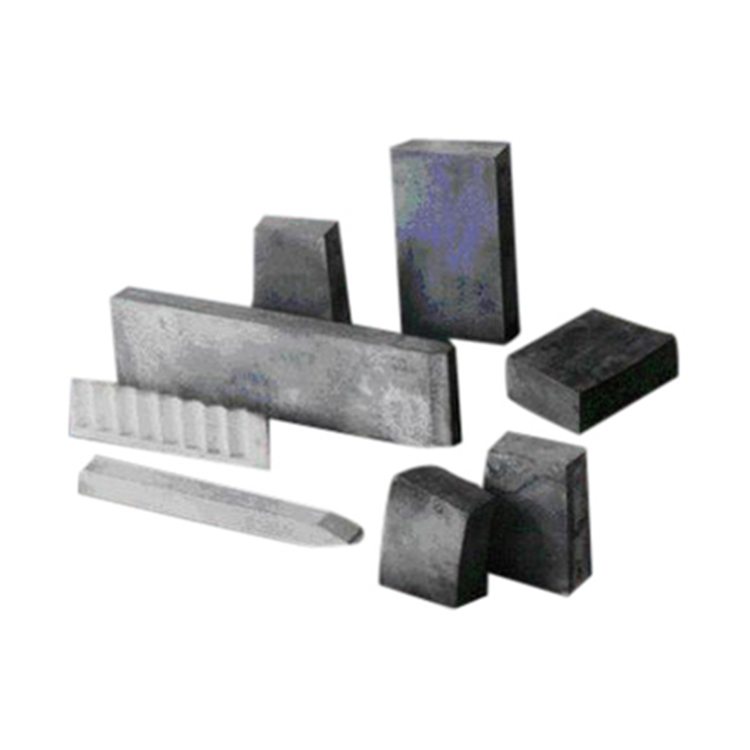
Selecting the right refractory solution requires careful consideration of operating conditions, temperature profiles, and chemical environments. Sunrise engineers work closely with clients to conduct thorough kiln assessments and recommend customized sillimanite brick solutions tailored to specific industrial processes.
Discover how Sunrise sillimanite bricks can solve your industrial kiln corrosion challenges and improve operational efficiency.
Request Your Technical Consultation NowAs industries face increasing pressure to improve sustainability and reduce operational costs, the choice of refractory materials becomes ever more critical. Sillimanite bricks represent not just a material solution, but a strategic investment in long-term operational efficiency and reliability.
With proper installation and maintenance, Sunrise sillimanite bricks continue to set the standard for high-temperature corrosion resistance, helping manufacturers around the world meet their production goals while minimizing downtime and maintenance expenses.