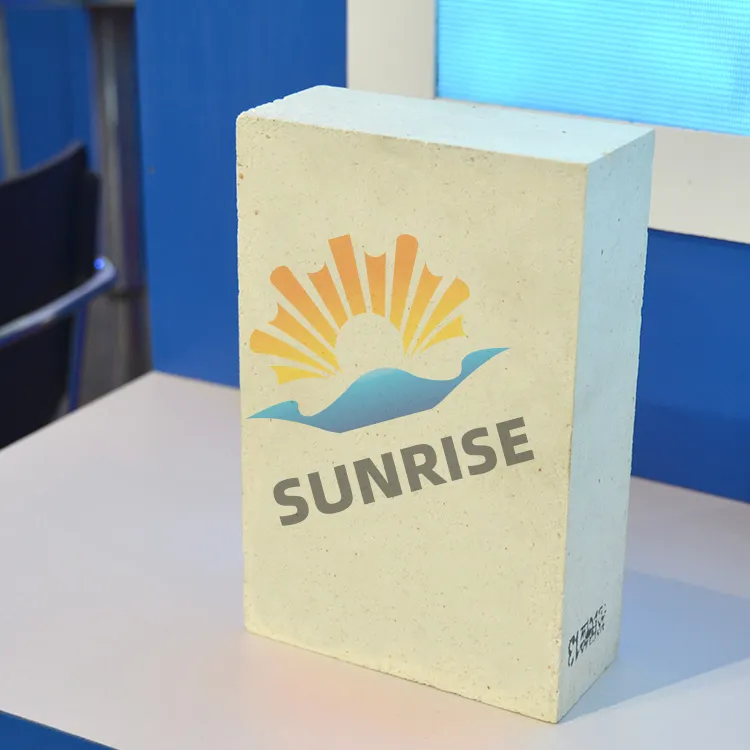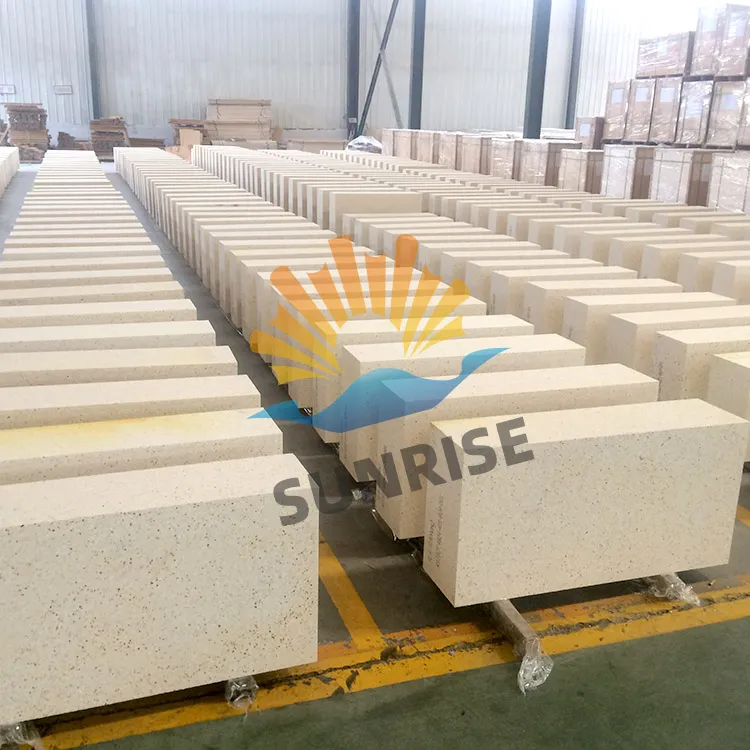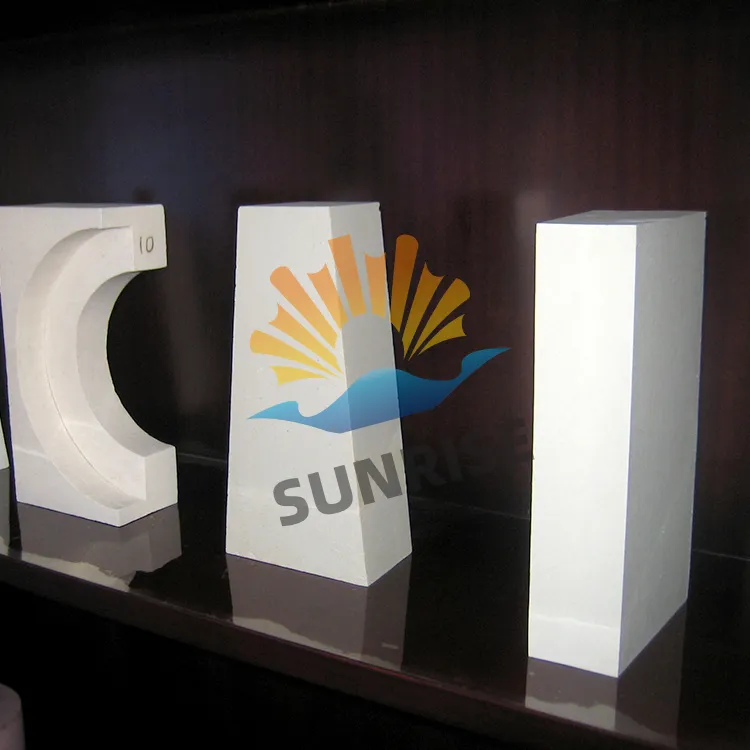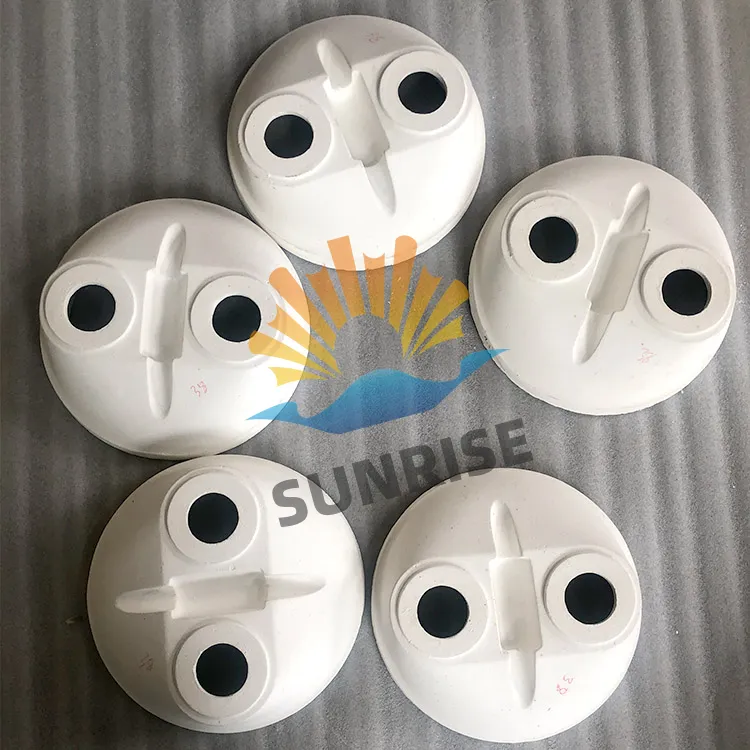
In industrial manufacturing, high-temperature furnaces are the backbone of production, yet they face relentless challenges from extreme heat and corrosive environments. A recent industry report revealed that furnace downtime due to material failure costs manufacturers an average of $250,000 per hour in lost production. This article explores how sillimanite bricks have emerged as a game-changing solution, addressing the critical issue of corrosion resistance in industrial kilns.
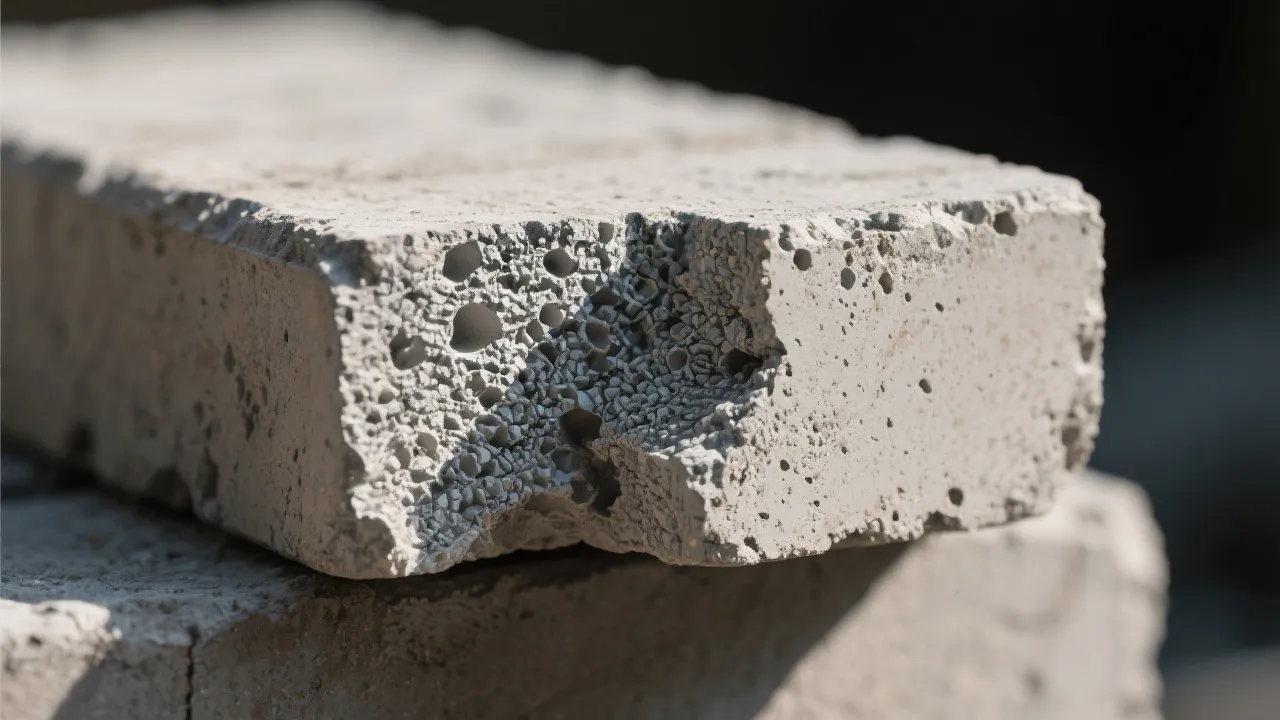
Industrial kilns operating in environments exceeding 1500°C face a dual challenge: maintaining structural integrity while withstanding chemical corrosion from molten materials and atmospheric gases. Traditional refractory materials typically degrade by 30-40% within 12-18 months of continuous operation, leading to frequent maintenance cycles and unplanned downtime.
A leading glass manufacturer in Ohio reported that before switching to sillimanite bricks, they experienced furnace relining every 14 months at a cost of $1.2 million per shutdown, plus $800,000 in lost production during each maintenance period.
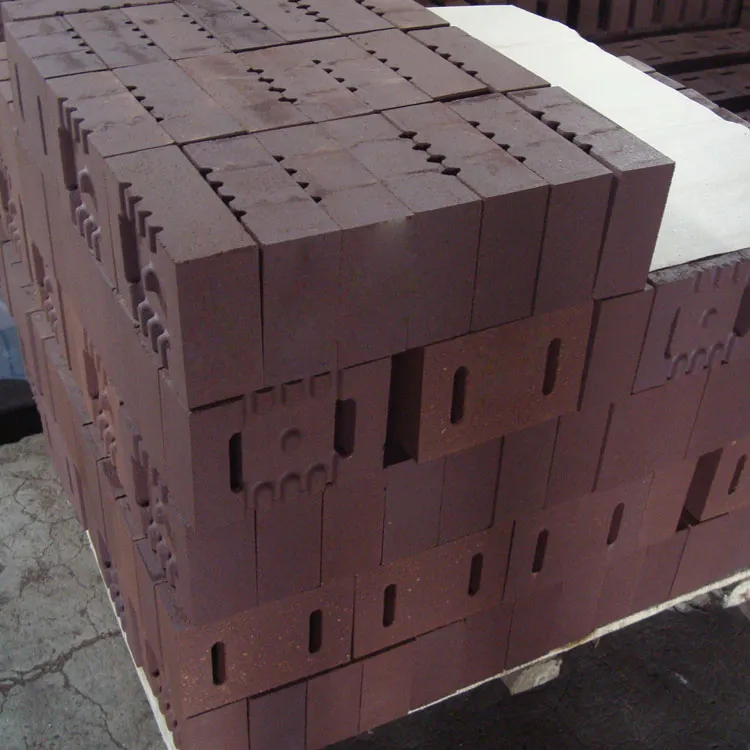
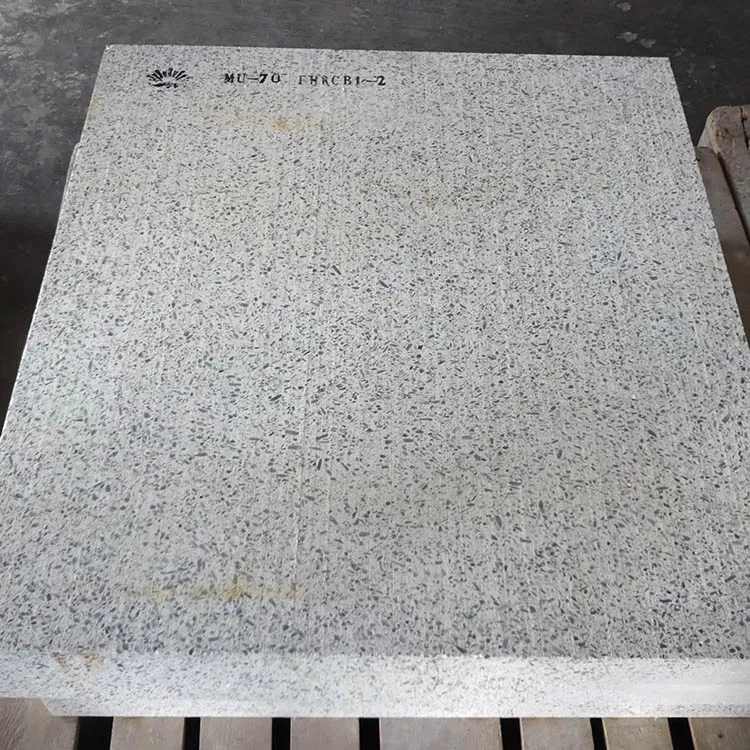
At the heart of sillimanite brick's exceptional performance lies its unique transformation during high-temperature calcination. The manufacturing process converts raw sillimanite minerals (Al₂SiO₅) into a microstructure composed primarily of mullite (3Al₂O₃·2SiO₂) and free silica, creating a material with extraordinary thermal and chemical resistance properties.
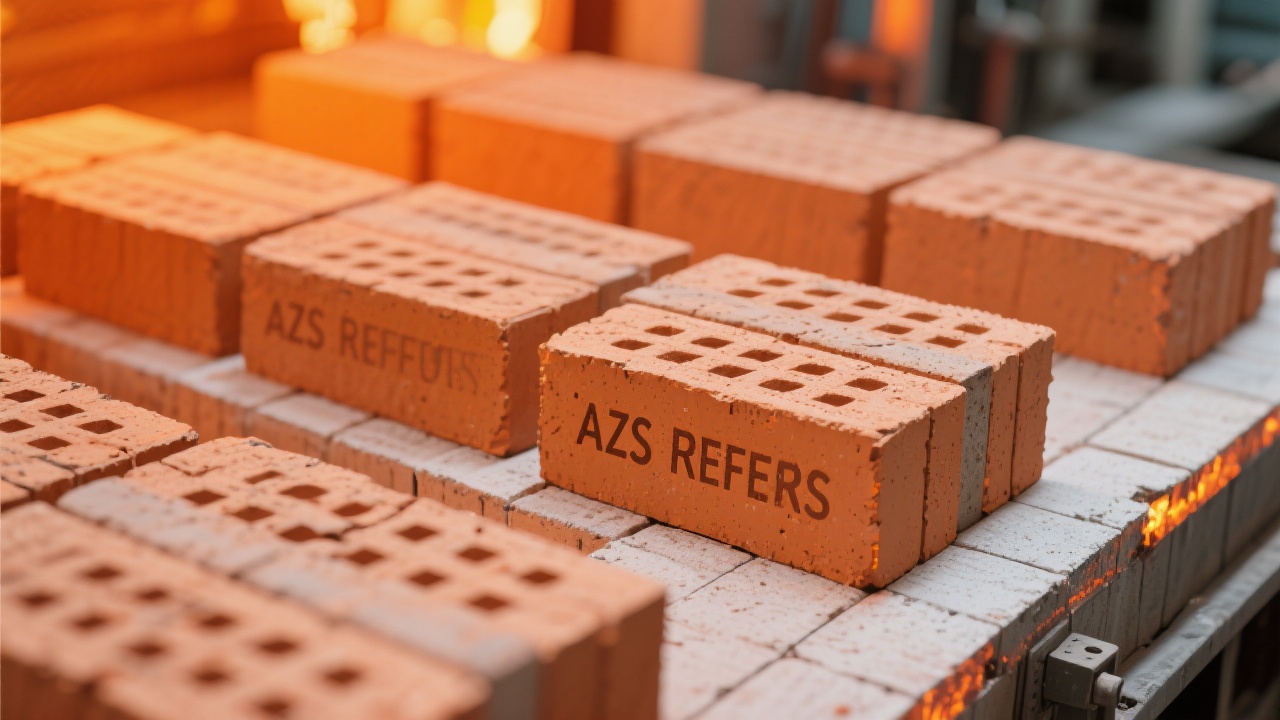
Different industrial environments present unique challenges, and sillimanite bricks have proven their value across multiple sectors:
In glass manufacturing, the contact with molten glass at 1500-1600°C demands exceptional resistance to alkali corrosion. Sillimanite bricks have demonstrated 2-3 times longer service life compared to traditional alumina-silica refractories in glass furnace crowns and sidewalls.
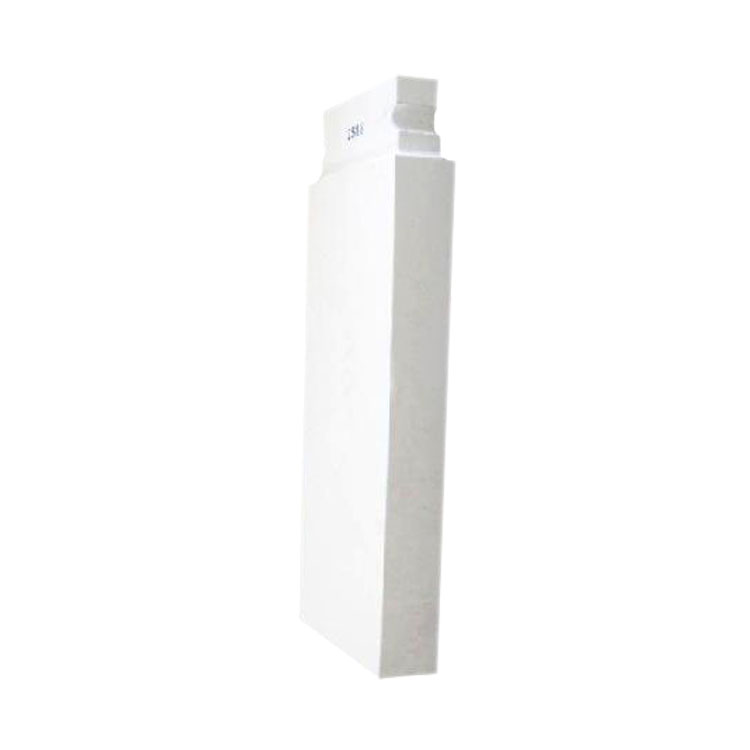
Blast furnace linings and throat areas承受 extreme thermal cycling and mechanical stress. Steel producers using Sunrise sillimanite bricks report 35-40%延长的维护周期, translating to significant operational cost savings.
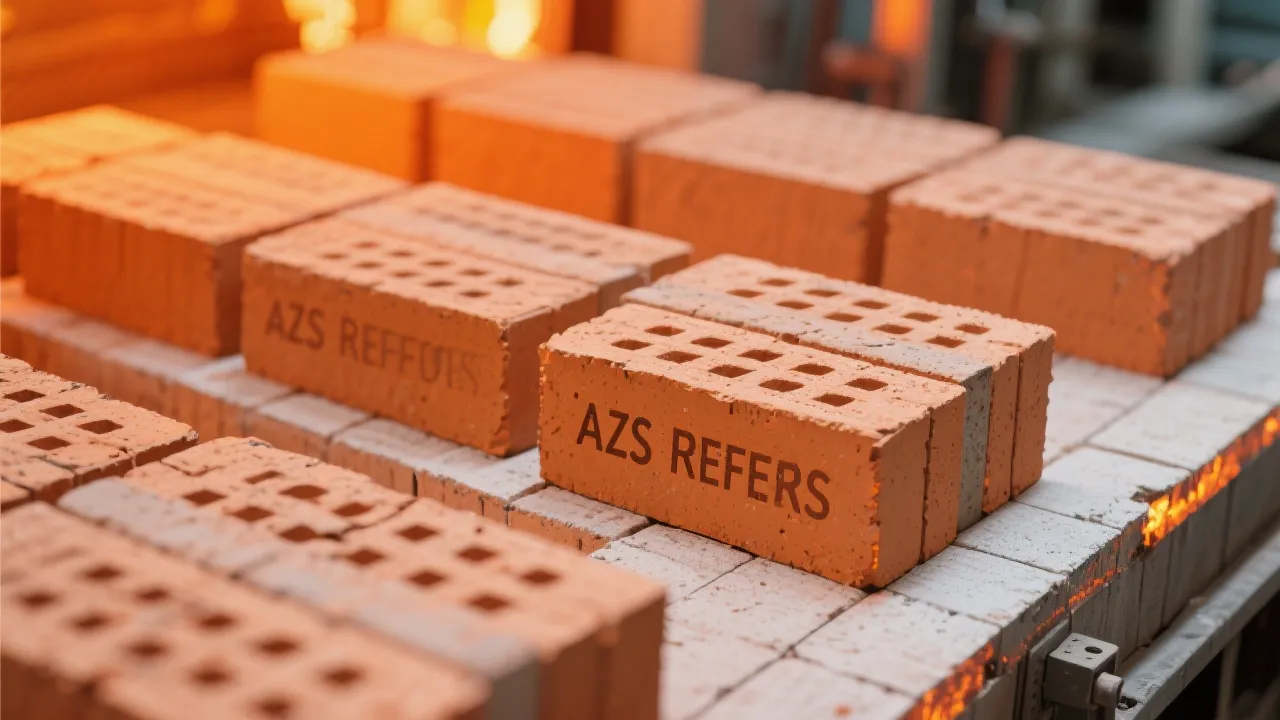
The controlled atmosphere and temperature uniformity required in ceramic firing make sillimanite bricks an ideal choice. Their stable thermal properties contribute to more consistent product quality and reduced energy consumption.
"After installing Sunrise sillimanite bricks in our glass melting furnace, we've seen a dramatic reduction in maintenance requirements. What used to be quarterly brick replacements have extended to 18-month intervals, and our energy consumption has decreased by 8% due to improved thermal insulation."
— Plant Operations Manager, Leading European Glass Manufacturer
This manufacturer documented total annual savings of approximately $420,000 after switching to sillimanite bricks, with ROI achieved in less than 9 months. The extended furnace life also reduced production disruptions, improving on-time delivery rates by 15%.
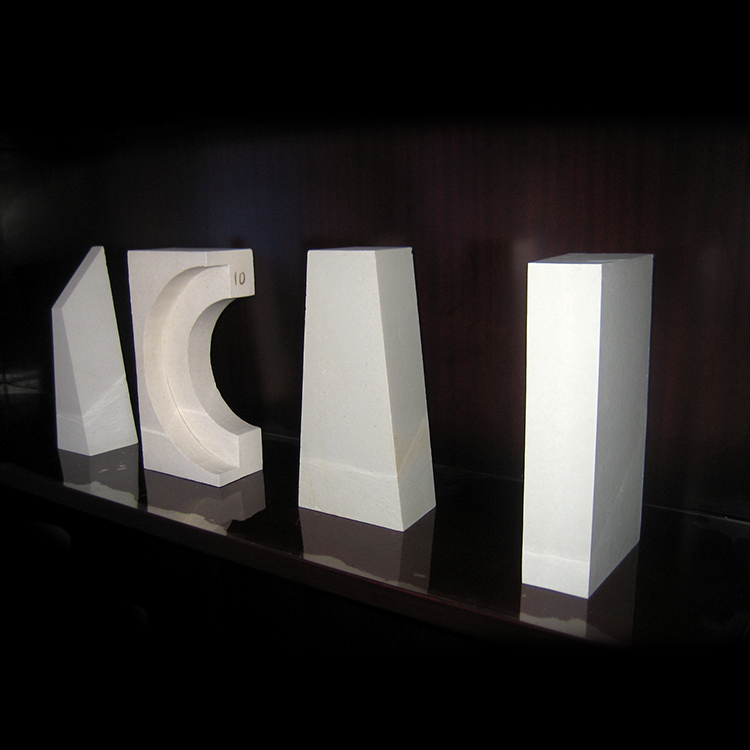
When considering refractory materials, the initial cost should be weighed against the total lifecycle expenses. Sillimanite bricks typically represent a 20-30% higher upfront investment compared to standard refractories, but deliver 2-3 times longer service life and reduced maintenance costs.
For operations running 24/7, even a single unplanned shutdown can offset the premium cost of sillimanite bricks. The key is to evaluate not just material costs, but the full impact of downtime, labor for replacements, and energy efficiency.
Discover how Sunrise sillimanite bricks can extend your furnace life, reduce maintenance costs, and improve operational efficiency.
Download Your Free Technical Specification GuideEvery industrial furnace presents unique challenges based on operating conditions, temperature profiles, and chemical environments. Working with refractory experts to conduct a thorough analysis of your specific application ensures optimal material selection and performance.
By investing in high-performance materials like sillimanite bricks, manufacturers are not just extending equipment life—they're gaining a competitive edge through improved reliability, consistent product quality, and reduced operational costs in an increasingly demanding industrial landscape.