Every year, manufacturing facilities worldwide lose an estimated $4.5 billion due to furnace downtime, maintenance, and premature equipment failure caused by high-temperature corrosion. For plant managers and engineers responsible for glass melting furnaces, blast furnaces, and ceramic kilns, finding effective refractory solutions isn't just a technical challenge—it's a critical business imperative.
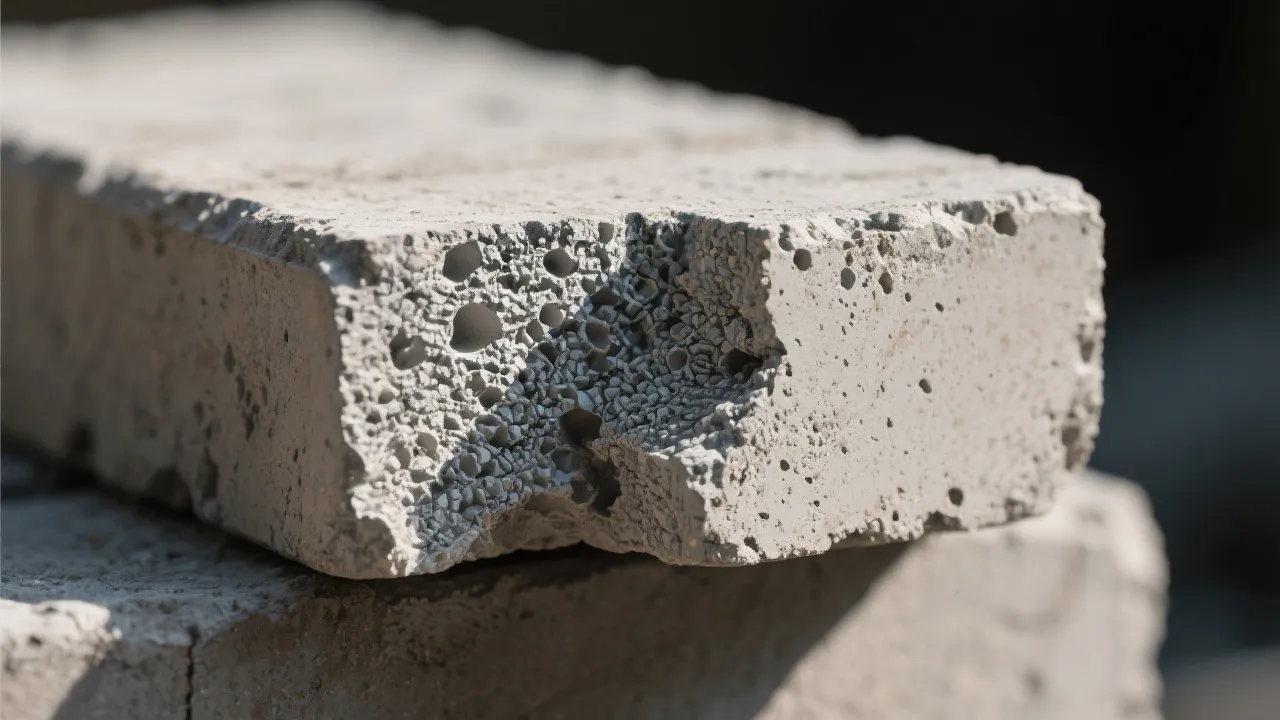
Industrial furnaces operate in some of the harshest environments imaginable, facing a triple threat that compromises their performance and lifespan:
A recent industry study revealed that glass manufacturers experience an average of 3.2 unplanned shutdowns annually due to refractory issues, resulting in production losses exceeding $250,000 per incident.
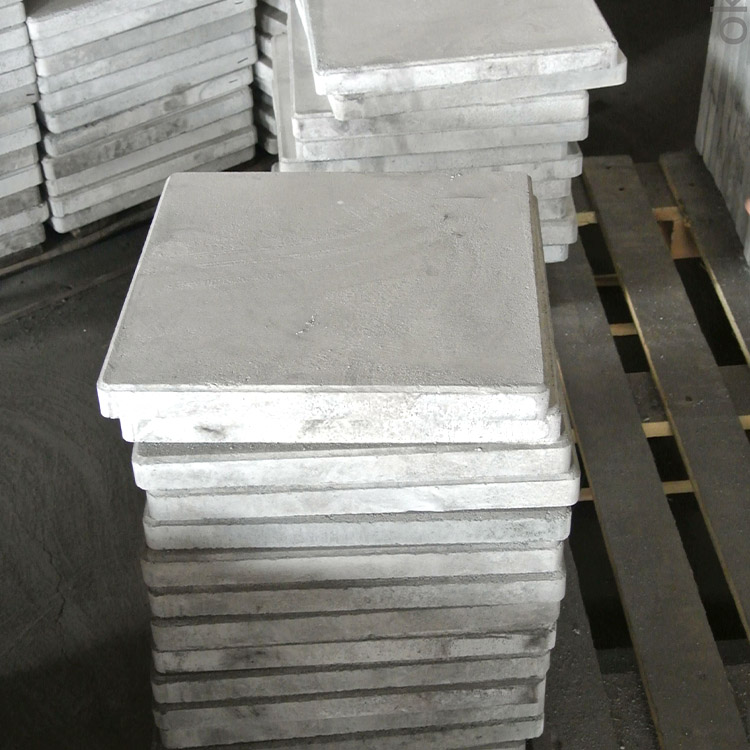
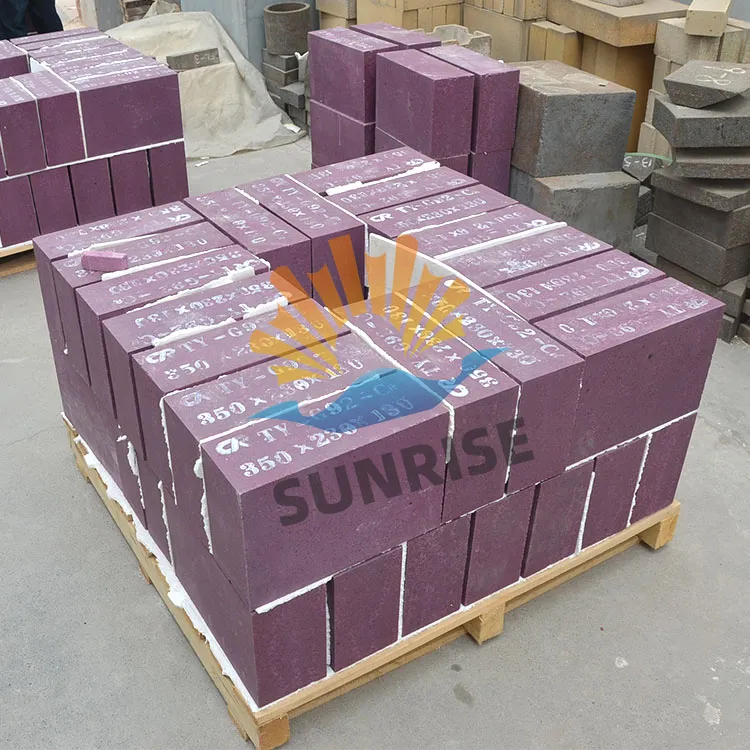
At the heart of Sunrise's advanced refractory solution lies a remarkable mineral transformation process. Sillimanite (Al₂SiO₅) undergoes a controlled high-temperature calcination that converts it into a unique microstructure composed of:
Critical Phase Transformation:
60-70% Mullite (3Al₂O₃·2SiO₂) + 25-35% Free Silica (SiO₂) + 5-10% Secondary Phases
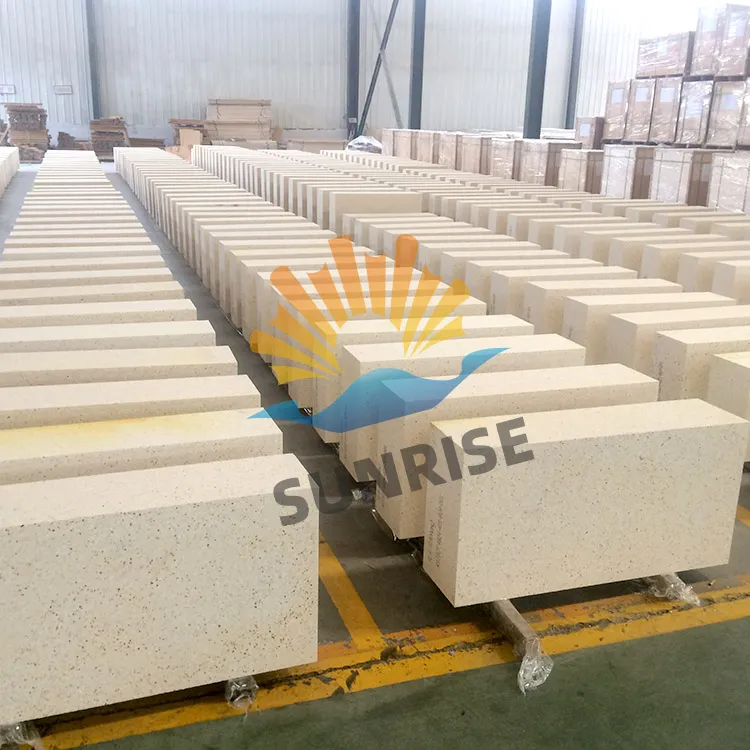
This transformation creates a material with exceptional properties that address the core challenges of furnace operation. The mullite crystals form an interlocking network that provides structural stability, while the controlled silica content enhances chemical resistance against aggressive slags.
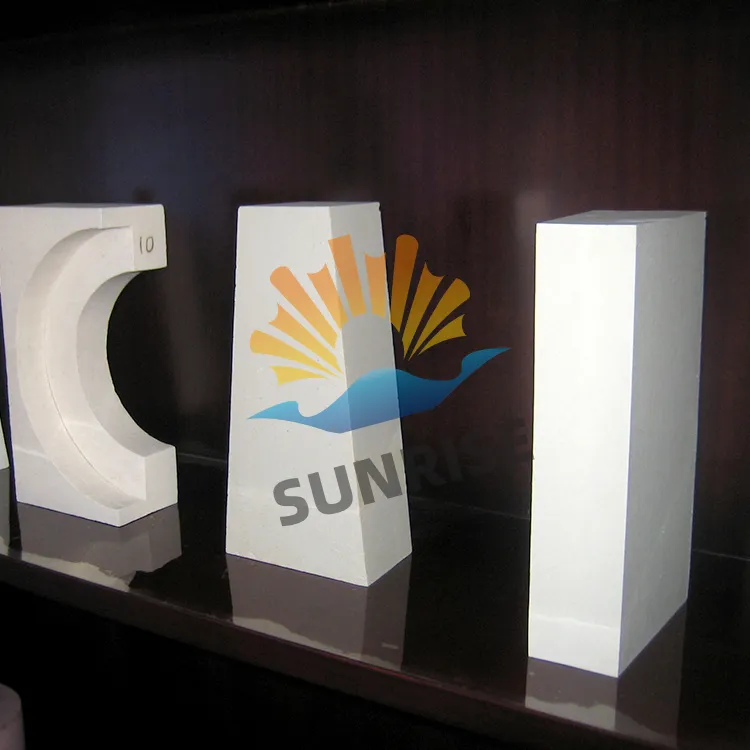
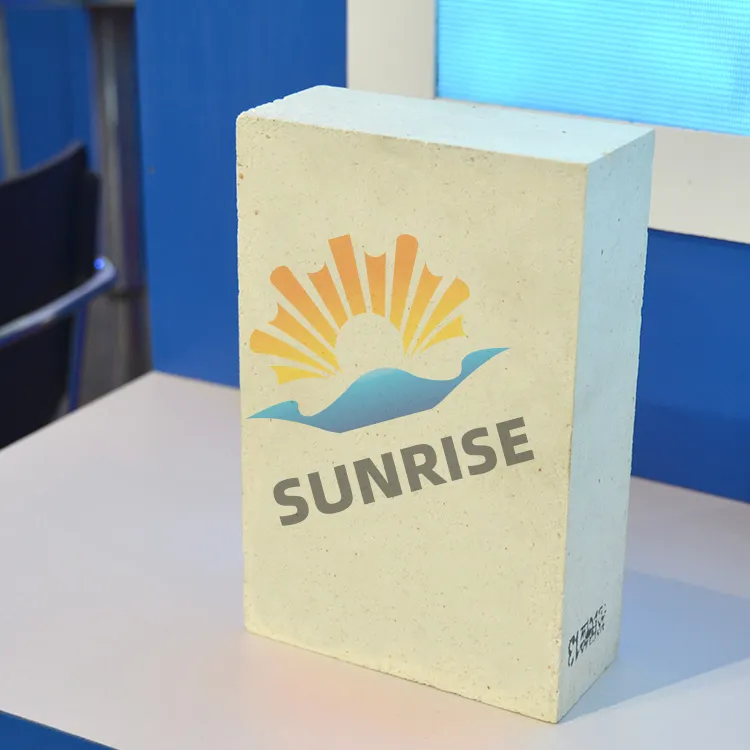
With a working temperature range of 1770-1830°C and a refractoriness under load (RUL) exceeding 1650°C at 0.2MPa, Sunrise sillimanite bricks outperform traditional fireclay and high-alumina refractories by 15-20% in extreme temperature applications.
Coefficient of thermal expansion (20-1000°C) of only 5.2-5.8 × 10⁻⁶/°C minimizes thermal stress during rapid temperature changes, reducing cracking and spalling incidents by up to 40%.
Maintains structural integrity after 30+ thermal cycles (1100°C to room temperature, air quenched), significantly outperforming industry standards of 15-20 cycles for conventional refractories.
Specialized composition resists penetration and corrosion by acidic, basic, and neutral slags, with corrosion rates reduced by 50-60% compared to standard alumina-silica refractories.
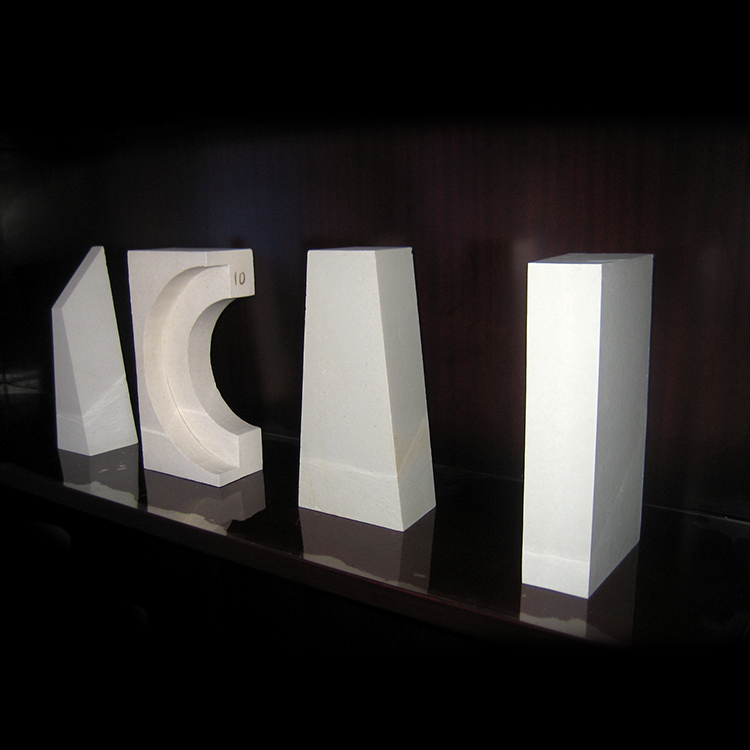
In glass manufacturing, where temperatures reach 1550-1650°C and alkaline vapors attack refractories, Sunrise sillimanite bricks have demonstrated:
For iron and steel producers facing aggressive slag attack and thermal cycling, the benefits include:
.jpg)
A leading European glass manufacturer recently converted their regenerator chambers to Sunrise sillimanite bricks. The results after 18 months of operation were impressive:
| Performance Metric | Previous Refractories | Sunrise Sillimanite Bricks | Improvement |
|---|---|---|---|
| Campaign Life | 14 months | 18+ months | +29% |
| Maintenance Intervals | Every 6 weeks | Every 12 weeks | +100% |
| Heat Loss Reduction | Baseline | 12.3% | 12.3% |
| Total Cost Savings | Baseline | $187,500 | 18.4% |
The plant manager noted, "The switch to Sunrise sillimanite bricks has been transformative for our operations. We've reduced unplanned downtime by nearly 40% and seen significant improvements in energy efficiency."
Download our comprehensive technical guide "Advanced Refractory Solutions for High-Temperature Industrial Furnaces" and discover how Sunrise sillimanite bricks can reduce your operational costs while improving reliability.
Get Your Free Technical Guide NowNote: Proper installation by certified refractory specialists is recommended to ensure optimal performance. Sunrise provides technical support and installation guidance to all customers, including material selection assistance based on specific furnace conditions and operating parameters.