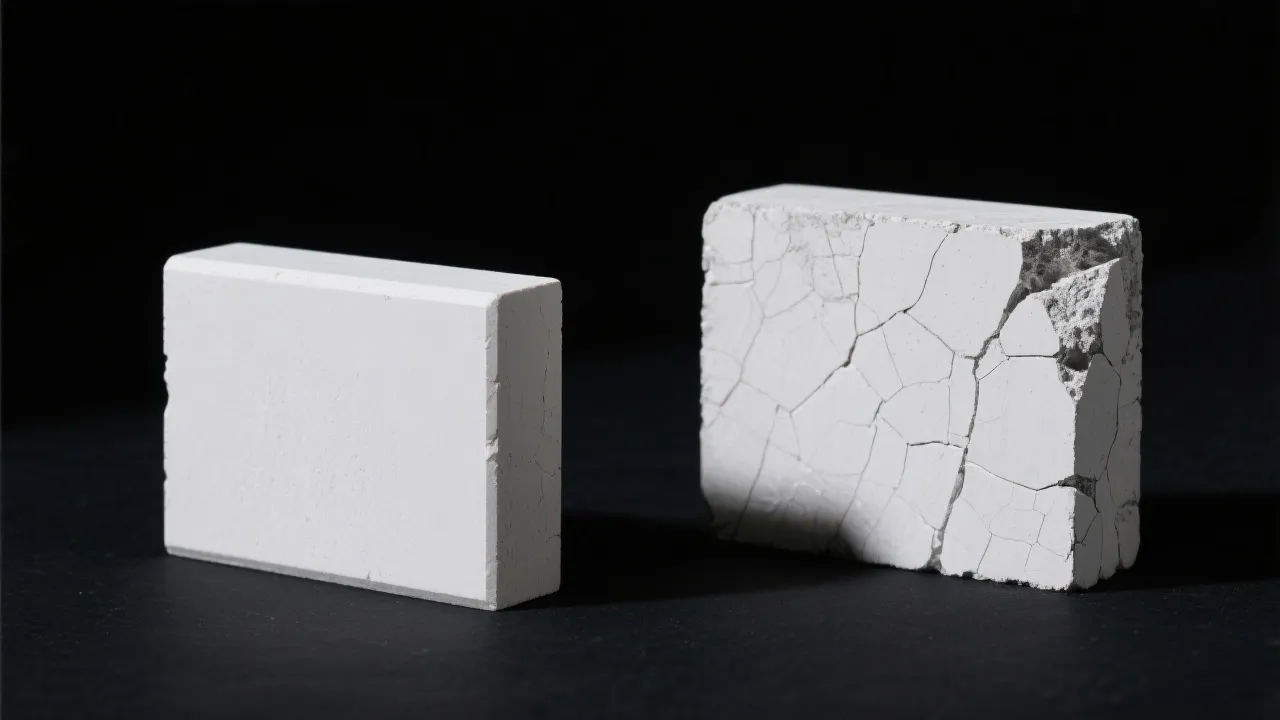
Chrome corundum bricks are renowned for their outstanding performance in various industrial environments. Their high wear resistance is a key feature. Tests have shown that in high - friction environments, chrome corundum bricks can withstand up to 50% more friction compared to ordinary refractory bricks. This means that in industries such as cement production, where equipment is constantly in contact with abrasive materials, chrome corundum bricks can significantly reduce the wear rate of equipment.
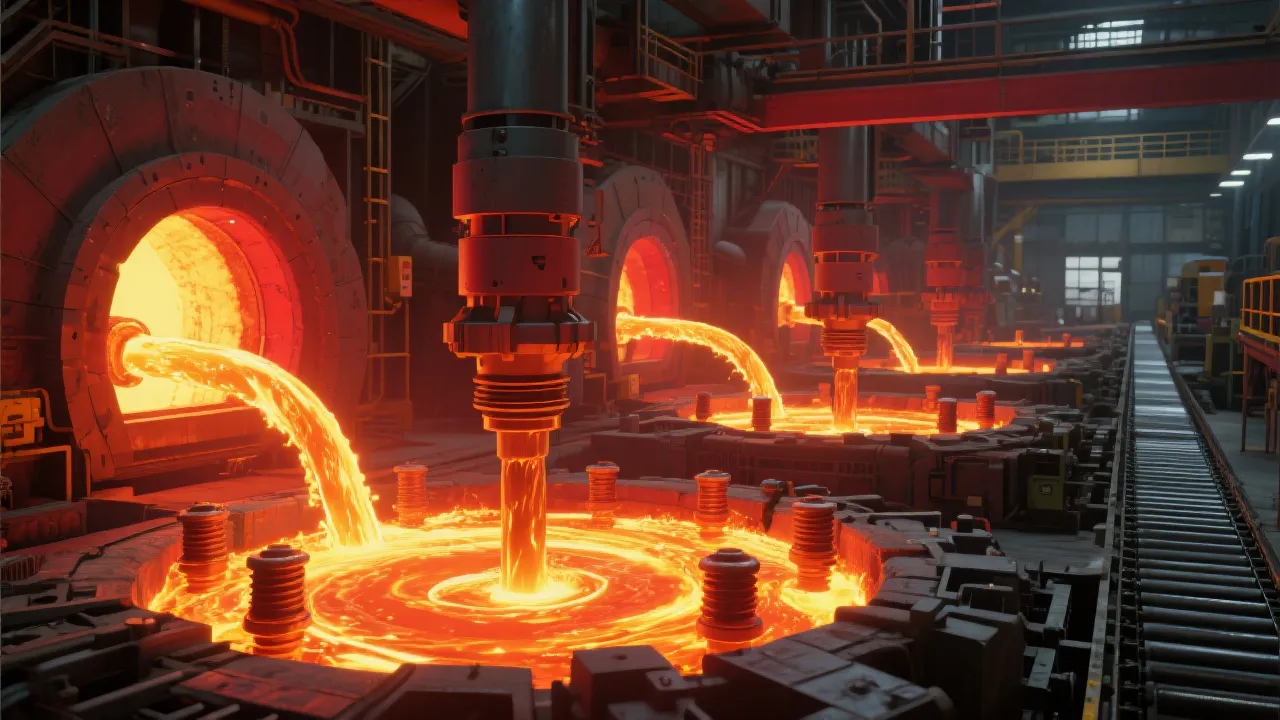
Another important property is their thermal shock stability. In industrial processes with rapid temperature changes, like steelmaking, materials need to endure sudden temperature variations without cracking. Chrome corundum bricks can tolerate temperature differences of up to 800°C without significant damage, while some other materials may start to crack at a temperature difference of only 300°C. This excellent thermal shock stability ensures the long - term operation of equipment in high - temperature environments.
When it comes to acid - base corrosion resistance, chrome corundum bricks are also top - notch. In chemical industries where corrosive substances are prevalent, they can resist the corrosion of strong acids and alkalis for a long time. For example, in a sulfuric acid - rich environment, chrome corundum bricks can maintain their integrity for more than 5 years, while other common materials may be corroded within 1 - 2 years.
High - temperature creep resistance is equally crucial. In high - temperature and high - pressure industrial settings, such as glass melting furnaces, materials may deform over time under the influence of high temperature and pressure. Chrome corundum bricks have a very low creep rate, with a deformation of less than 1% after 100 hours at 1600°C, ensuring the structural stability of equipment in high - temperature and high - pressure environments.
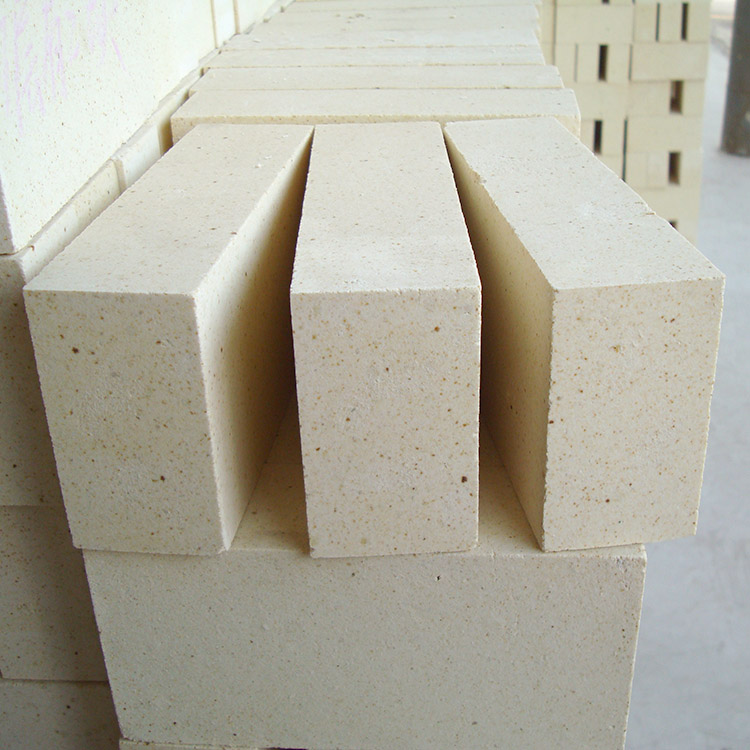
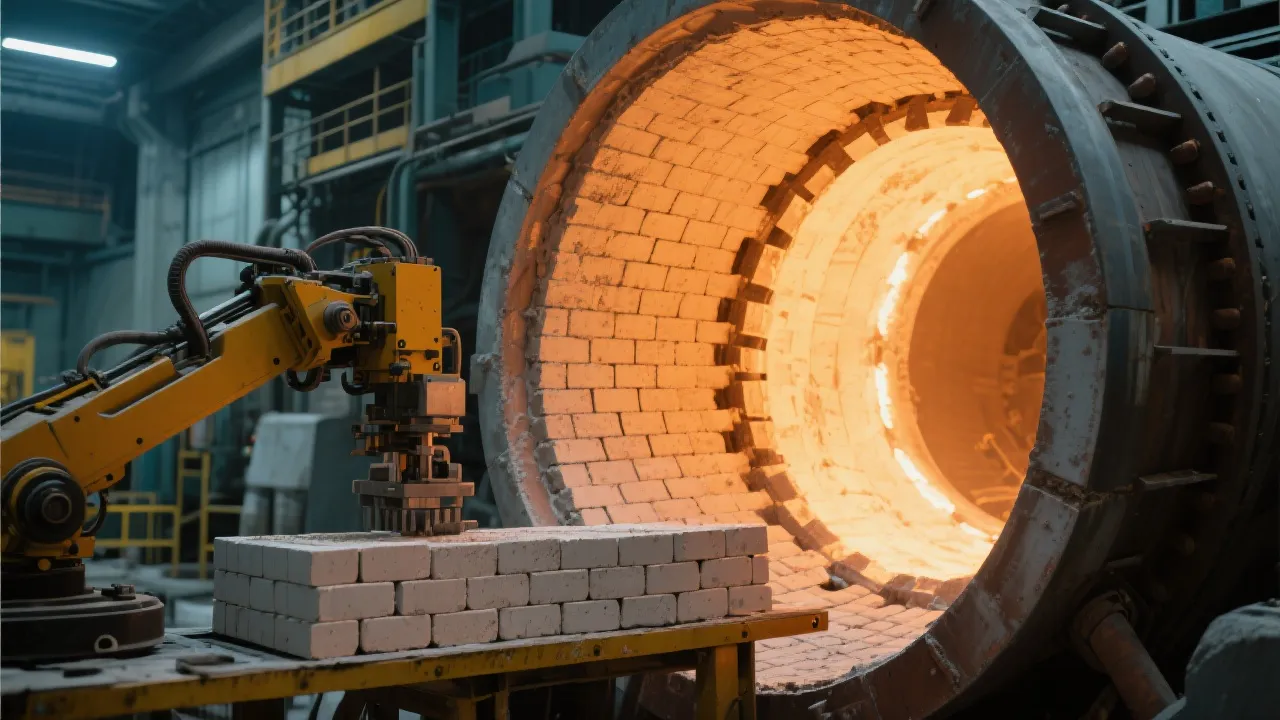
A large - scale cement plant in the United States was facing the problem of frequent replacement of refractory linings in its rotary kilns due to high - wear conditions. After replacing the original refractory bricks with chrome corundum bricks, the service life of the lining increased from 6 months to 18 months. This not only reduced the maintenance cost by 40% but also increased the production efficiency by 15% as the downtime for maintenance was significantly reduced.
In a steel mill in Germany, the ladles used for transporting molten steel were experiencing thermal shock damage. By using chrome corundum bricks as the lining material, the number of cracks in the ladles decreased by 70%. This led to a longer service life of the ladles, reduced the risk of molten steel leakage, and improved the overall safety of the steel - making process.
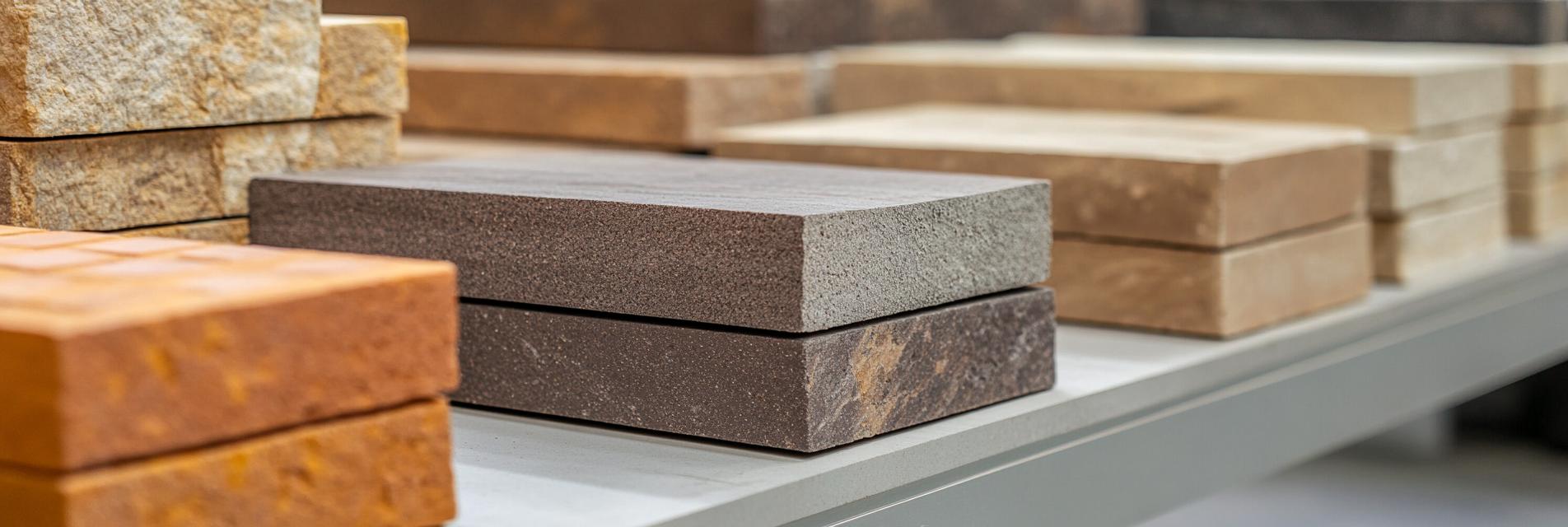
| Material | Wear Resistance | Thermal Shock Stability | Acid - Base Corrosion Resistance | High - Temperature Creep Resistance |
|---|---|---|---|---|
| Chrome Corundum Bricks | High | Excellent | Superb | Outstanding |
| Ordinary Refractory Bricks | Low | Poor | Weak | Average |
From the comparison table, it is clear that chrome corundum bricks have significant advantages over ordinary refractory bricks in all aspects, making them the ideal choice for industrial equipment protection.
.jpg)
We encourage you to share your thoughts, ask questions, or provide feedback on your specific needs. Whether you are in the cement, steel, chemical, or other industries, chrome corundum bricks can be your reliable solution for improving equipment performance and longevity.
Choose Chrome Corundum Bricks to Boost Your Equipment's Lifespan!




.jpg?x-oss-process=image/resize,h_1000,m_lfit/format,webp)