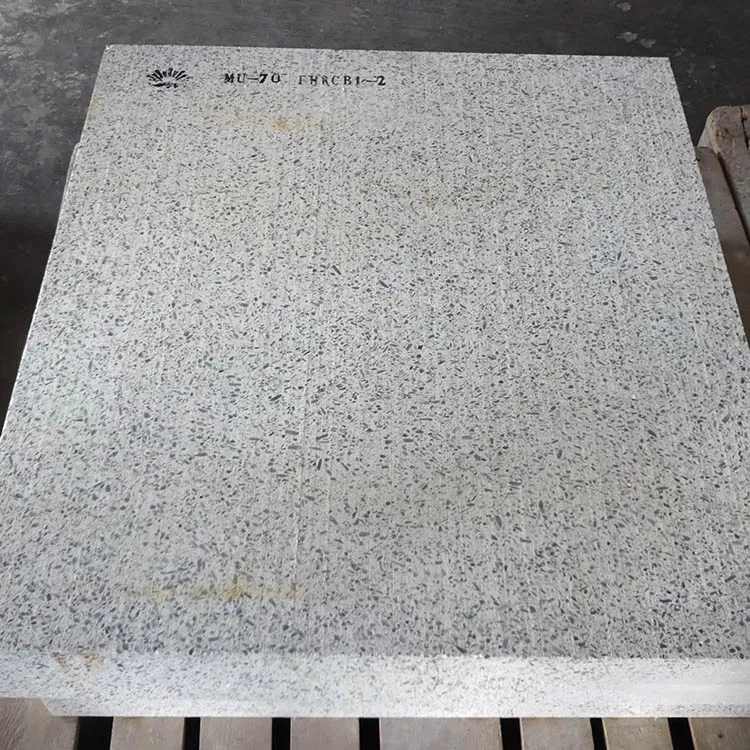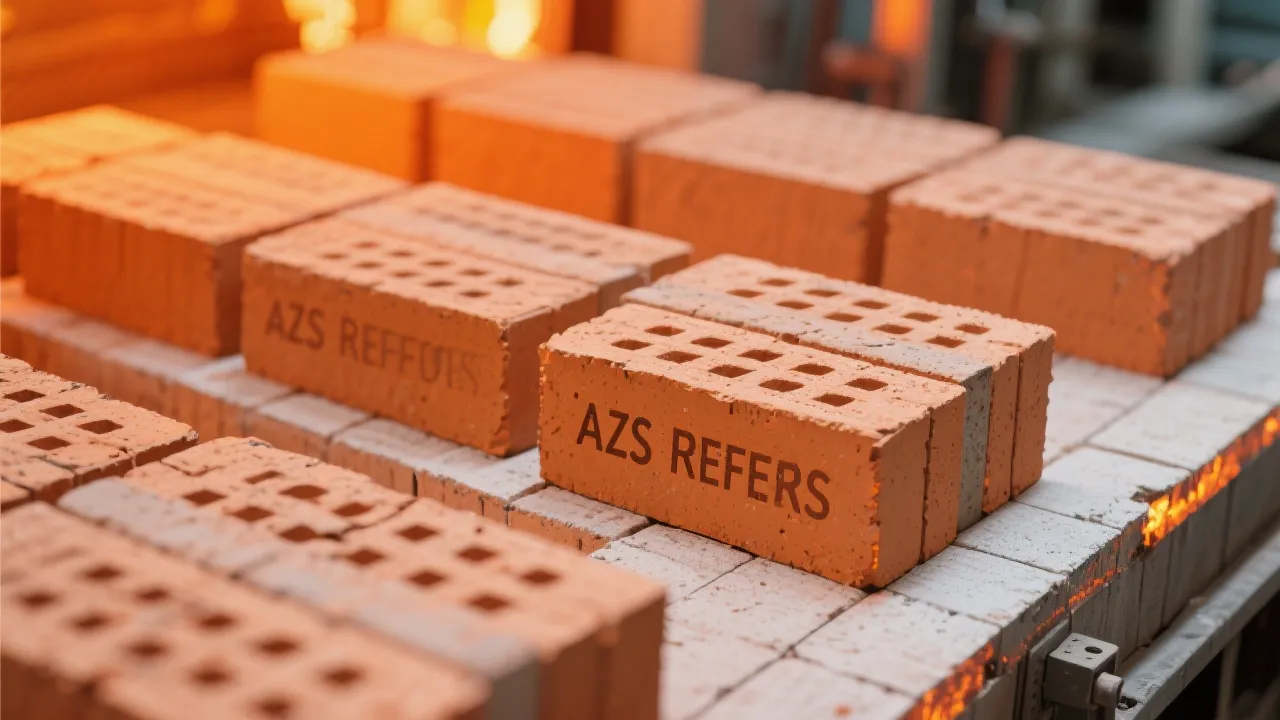
In the heart of every high-temperature industrial process—from steelmaking to cement production—lies a critical component that often goes unnoticed yet ensures operational safety and efficiency: refractory materials. Among these, large castable sillimanite bricks stand out for their exceptional thermal stability and durability. But what exactly goes into creating these industrial workhorses? Let's take an exclusive look inside the manufacturing journey of Sunrise's premium castable sillimanite bricks, where science, craftsmanship, and precision converge to produce materials that withstand temperatures exceeding 1700°C.
The journey of a high-quality castable sillimanite brick begins with the careful selection of raw materials—nature's馈赠 that forms the brick's inherent properties. Sillimanite, an aluminum silicate mineral with the chemical formula Al₂SiO₅, serves as the primary ingredient, renowned for its ability to maintain structural integrity under extreme heat. Sunrise sources sillimanite ore from select deposits in India and South Africa, where geological conditions have produced ore with sillimanite content exceeding 95%—a critical factor in achieving the brick's exceptional refractory performance.
Complementing sillimanite are carefully chosen additives: high-purity alumina (Al₂O₃) to enhance refractoriness, zirconia (ZrO₂) for improved thermal shock resistance, and ultra-fine silica (SiO₂) to optimize the matrix structure. This precise blend ensures the final product achieves a thermal expansion coefficient as low as 3.5×10⁻⁶/°C—significantly lower than traditional fireclay bricks, reducing thermal stress and extending service life in cyclical temperature environments.
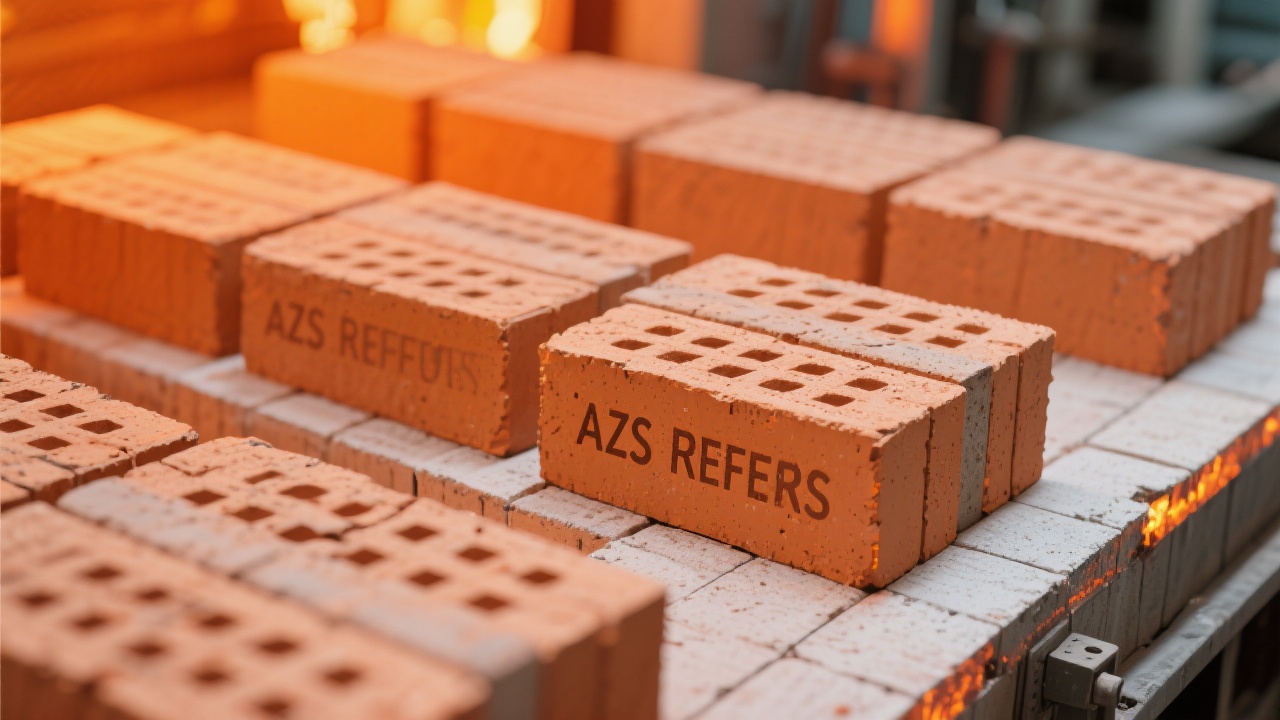
Once raw materials pass rigorous quality control—including X-ray fluorescence analysis to verify chemical composition—they undergo a meticulous preparation process. The materials are crushed and ground to specific particle sizes: coarse aggregates (3-5mm) for structural strength, medium particles (1-3mm) for density, and fine powders (<0.074mm) for matrix bonding. This gradation is critical; as refractory engineering expert Dr. Michael Chen notes, "The particle size distribution directly influences the brick's density, porosity, and ultimately its thermal conductivity and mechanical strength."
The dry ingredients are then mixed with a proprietary aqueous binder system in a high-shear mixer. The resulting slurry must achieve precise viscosity—measured using a rotational viscometer—to ensure optimal flow during casting while maintaining structural stability. Sunrise's process engineers monitor this step with real-time viscosity measurements, targeting a range of 500-800 cP to balance workability and green strength.
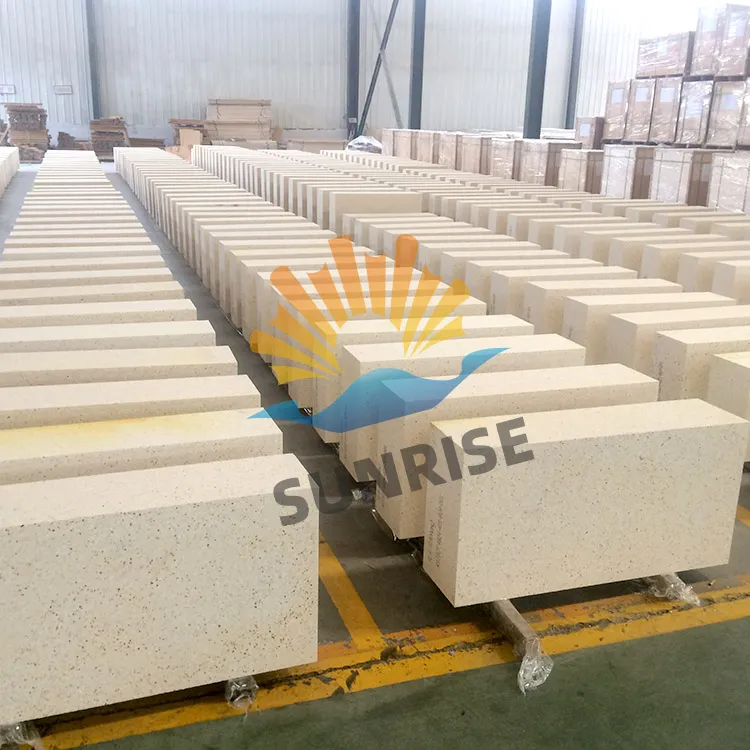
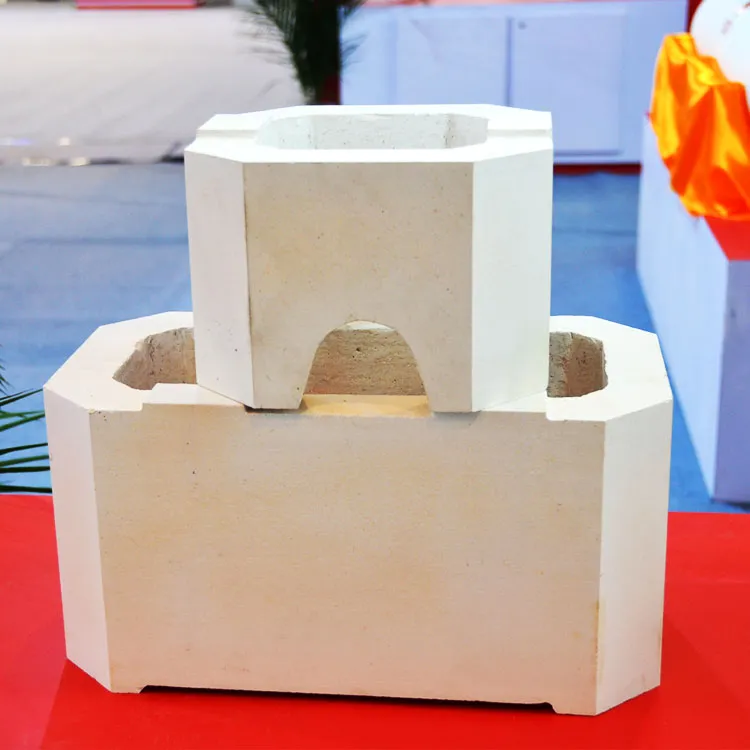
Unlike conventional pressed refractory bricks, large castable sillimanite bricks require the artisanal technique of manual casting into gypsum molds—a process that allows for complex shapes and large dimensions up to 1.2 meters in length. The gypsum molds, carefully crafted to exact specifications, provide both the shape and initial structural support for the brick.
Skilled technicians pour the prepared slurry into the molds in a controlled environment maintained at 23±2°C and 50±5% relative humidity. The molds are vibrated at 60-80 Hz to eliminate air bubbles—a critical step that prevents porosity defects. After casting, the bricks undergo an initial setting period of 12-16 hours, during which the binder system initiates the hardening process. This hands-on approach ensures each brick meets Sunrise's stringent dimensional tolerances of ±1mm, essential for proper installation in industrial furnaces.
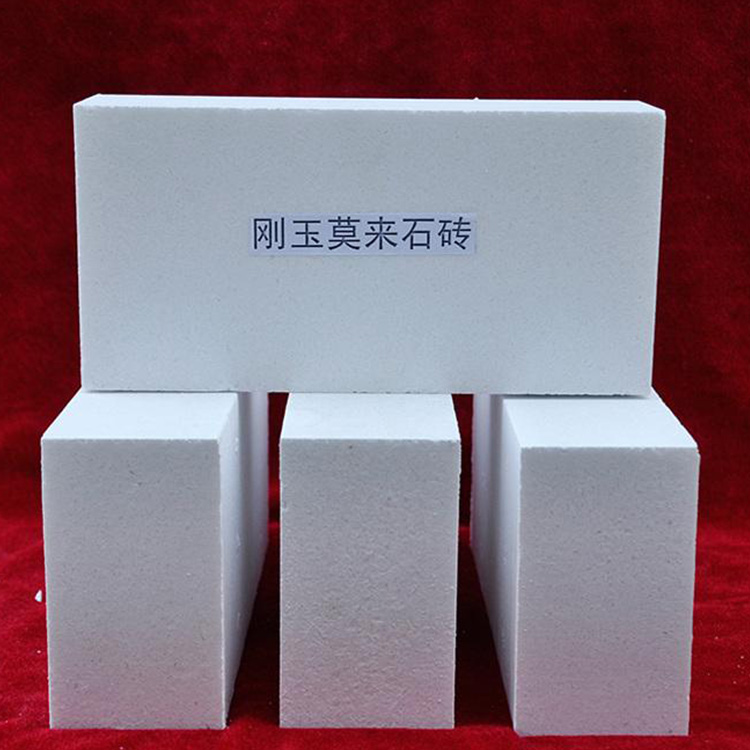
The green bricks—now solid but still containing moisture—enter a carefully controlled drying process. Over 72 hours, the temperature is gradually increased from ambient to 120°C, removing free water while preventing cracking from rapid moisture loss. This stage reduces the brick's moisture content to below 1%, preparing it for the critical firing process.
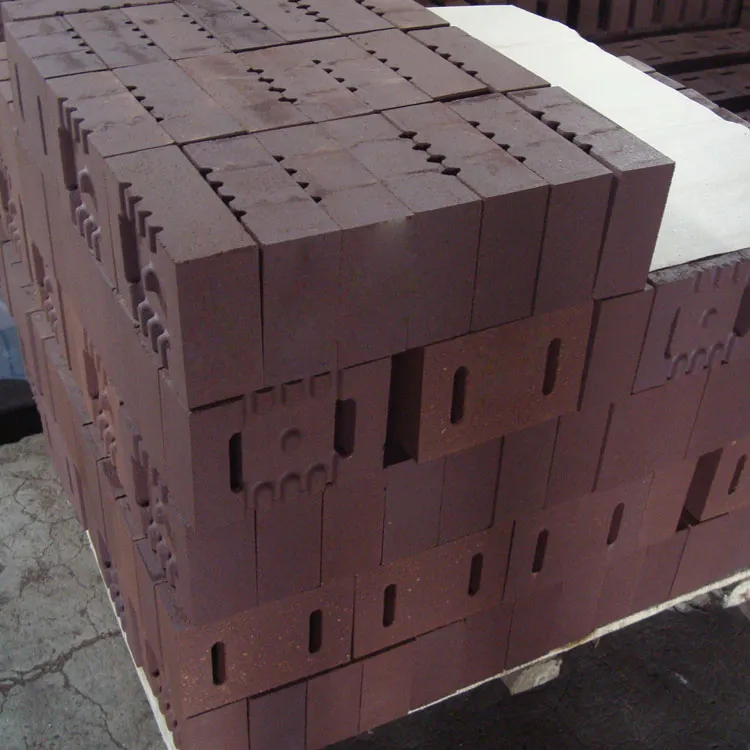
The firing, or sintering, process takes place in tunnel kilns where bricks are exposed to temperatures reaching 1650°C for 36 hours. This thermal treatment triggers a series of mineralogical transformations: sillimanite converts to mullite (3Al₂O₃·2SiO₂), a stable aluminum silicate phase with exceptional high-temperature properties. The controlled heating rate—5°C per hour up to 1000°C, then 10°C per hour to peak temperature—ensures complete phase transformation without thermal shock.
Sunrise's castable sillimanite bricks achieve exceptional thermal shock resistance (≥30 cycles at 1100°C water quench) through controlled mullite formation and microcrack development during firing. This microstructure allows the brick to absorb thermal stress without catastrophic failure—a critical advantage in industries with frequent temperature fluctuations.
Before leaving the facility, each batch of sillimanite bricks undergoes comprehensive testing in Sunrise's ISO 17025-accredited laboratory. Key performance indicators include:
These stringent quality checks ensure that every Sunrise castable sillimanite brick meets the demanding requirements of modern high-temperature industries, from steel ladles to cement kilns.
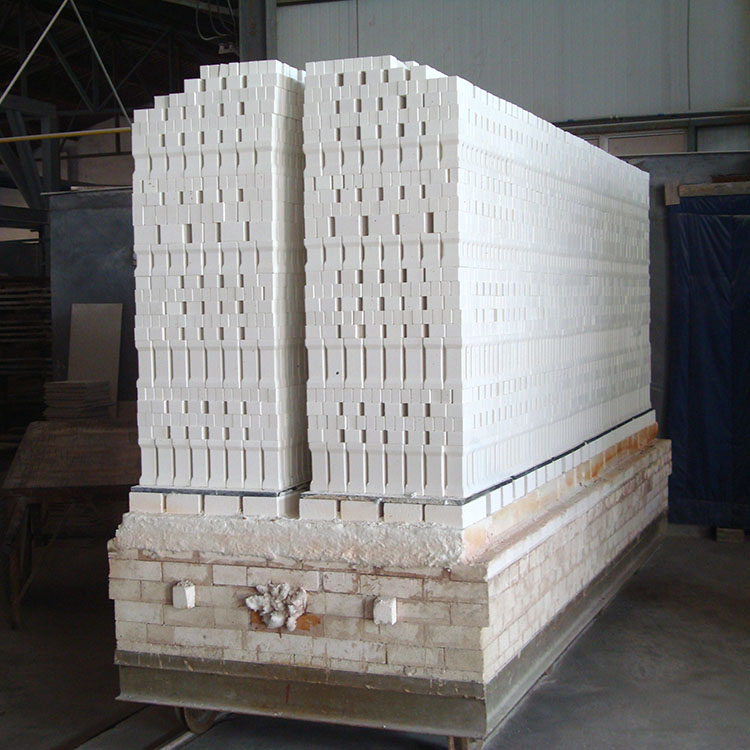
Sunrise's castable sillimanite bricks deliver proven performance in the most demanding industrial environments, helping clients reduce downtime, lower maintenance costs, and improve operational efficiency. With a track record of serving over 200 industrial clients across 35 countries, we understand the unique challenges of high-temperature processes.
Our technical team will analyze your specific application requirements and provide tailored recommendations within 48 hours.
For over three decades, Sunrise has been at the forefront of refractory innovation, combining traditional craftsmanship with advanced materials science to create solutions that push the boundaries of high-temperature performance. Each castable sillimanite brick represents not just a product, but a commitment to reliability and excellence that industrial operators can depend on, day in and day out, in the harshest of environments.




.jpg?x-oss-process=image/resize,h_1000,m_lfit/format,webp)