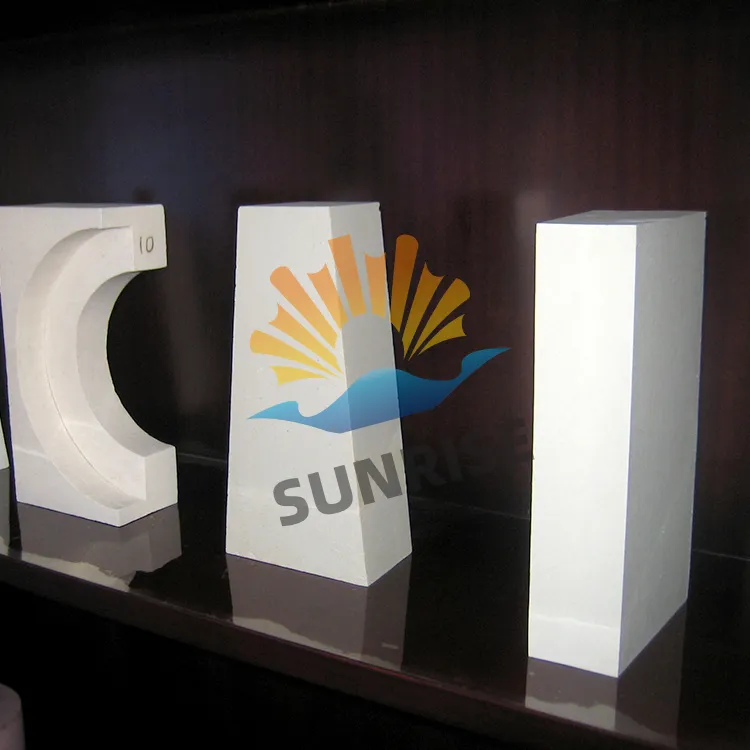
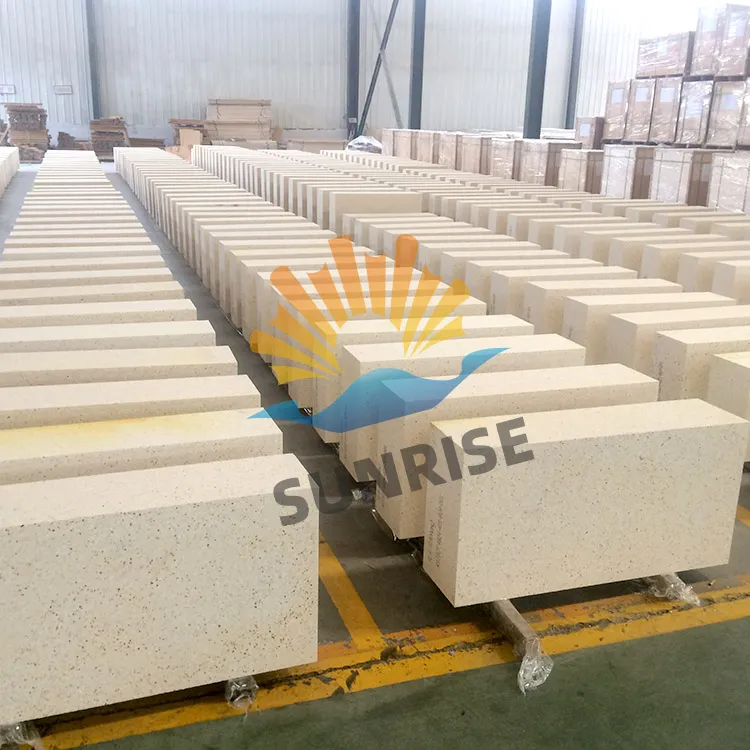
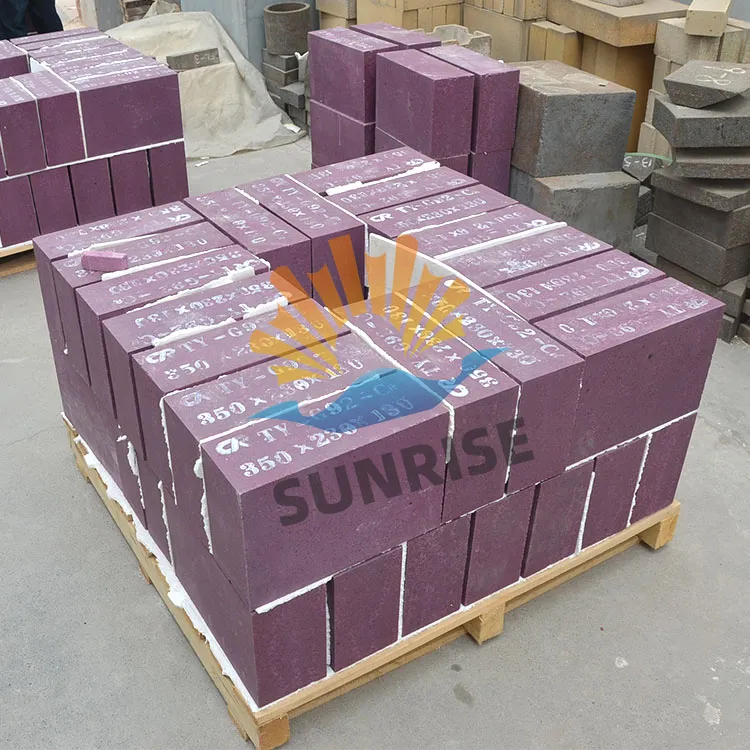
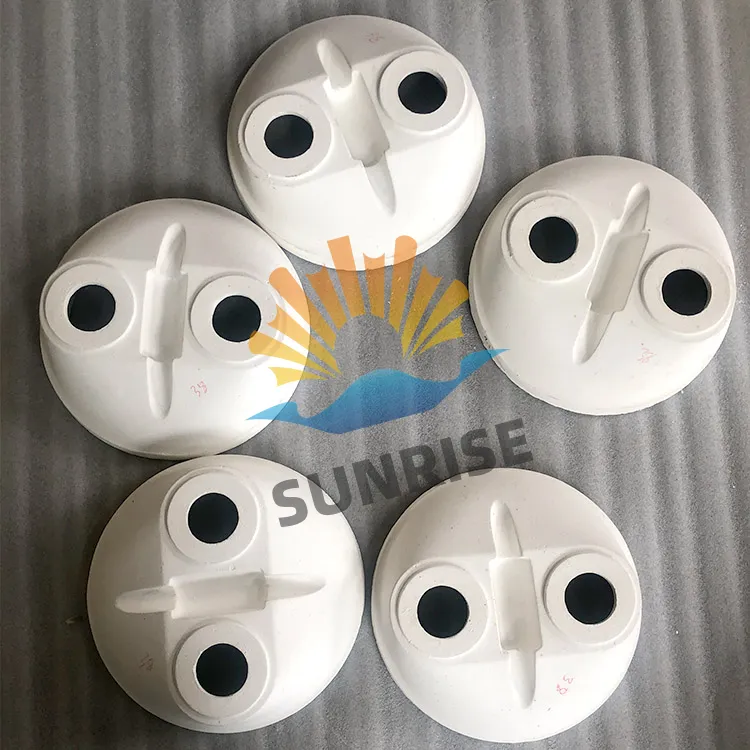
In the heart of steel mills, glass manufacturing plants, and petrochemical refineries, one component stands between operational success and catastrophic failure: refractory materials. Among these, large cast sillimanite bricks play an irreplaceable role, withstanding temperatures exceeding 1830°C while maintaining structural integrity. But what transforms raw minerals into these industrial workhorses? Let's explore the meticulous craftsmanship behind Sunrise's large cast sillimanite bricks.
The journey of creating superior refractory bricks begins with原料 selection (raw material selection) that borders on scientific precision. Unlike conventional bricks, sillimanite-based refractories demand exceptional purity and mineral composition to achieve their remarkable thermal properties.
Sunrise's material scientists conduct over 12 quality checks on each raw material batch, ensuring only those meeting these stringent criteria proceed to production. This uncompromising approach directly translates to bricks with superior hot strength and thermal shock resistance—properties that can extend industrial furnace lifespans by up to 30% compared to standard refractory solutions.
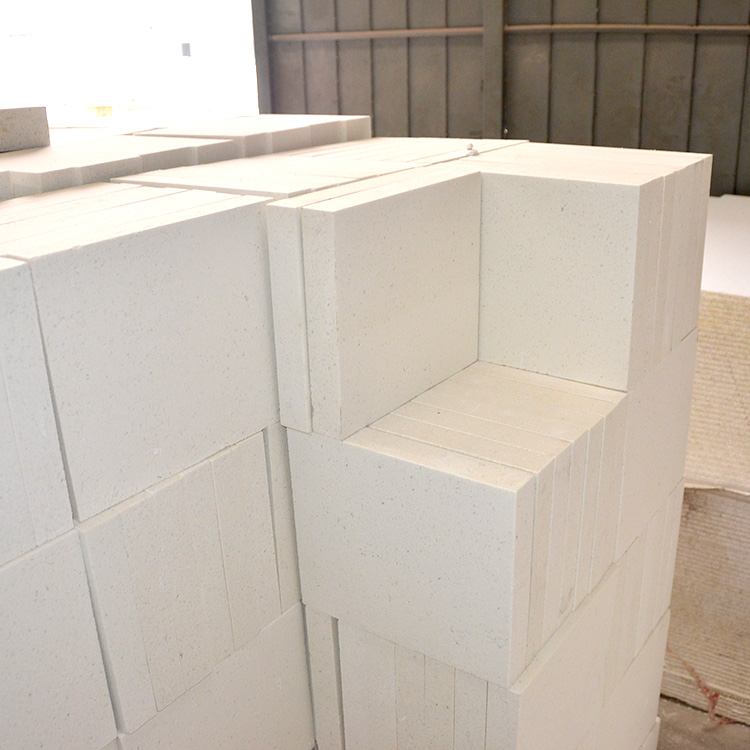
The transformation from raw minerals to functional refractory begins in the mixing chamber. Here, precisely measured ingredients undergo a proprietary blending process that combines dry materials with a controlled amount of water and organic binders. The resulting slurry must achieve exact viscosity parameters—typically between 150-200 cP (centipoise)—to ensure optimal flow characteristics during casting while maintaining structural integrity.
This stage requires constant monitoring, with technicians checking slurry density every 15 minutes using specialized hydrometers. Even minor deviations (±2% from target density) can affect the final product's porosity and thermal conductivity.
Unlike mass-produced standard bricks, large cast sillimanite bricks demand a more hands-on approach. Skilled artisans carefully pour the prepared slurry into custom gypsum molds, each designed to the exact specifications of the client's furnace architecture. This manual casting process allows for the creation of complex,异形耐火砖 (special-shaped refractory bricks) that perfectly fit unique furnace designs—a capability that sets Sunrise apart in the industry.
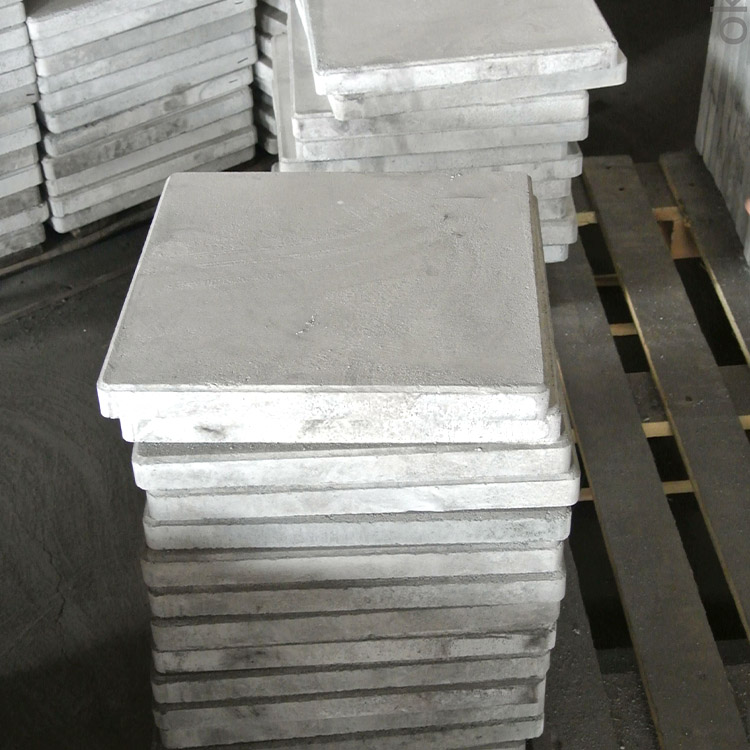
The drying process represents a critical juncture where improper handling can ruin weeks of meticulous work. Cast bricks are transferred to climate-controlled drying chambers where temperature and humidity are precisely regulated. The drying cycle typically spans 7-10 days, with temperatures gradually increasing from 25°C to 120°C.
Technical Insight: Rapid drying causes uneven moisture evaporation, leading to internal cracks and structural weaknesses. Sunrise's proprietary drying curve reduces moisture content from 18-20% to below 2% while maintaining brick integrity—a process validated through ultrasonic testing at three key stages.
The final transformation occurs in gas-fired kilns where bricks undergo temperatures reaching 1600-1650°C. This firing process triggers crucial mineralogical changes, including the formation of mullite crystals that give sillimanite bricks their exceptional thermal properties.
The firing cycle follows a precisely programmed temperature curve: 10°C per hour ramp-up to 600°C, 5°C per hour from 600-1200°C, and 2°C per hour from 1200-1650°C, followed by a 48-hour controlled cooling period. This meticulous schedule ensures complete sintering without thermal stress.

At Sunrise, quality control isn't a final step but an integral part of the entire manufacturing process. Each brick undergoes a battery of tests before leaving the facility:
| Test Type | Standard | Sunrise Specification |
|---|---|---|
| Cold Crushing Strength | ≥50 MPa | ≥65 MPa |
| Apparent Porosity | ≤22% | ≤18% |
| Thermal Shock Resistance | ≥15 cycles | ≥25 cycles |
| Refractoriness Under Load | ≥1520°C (0.2% deformation) | ≥1600°C (0.2% deformation) |
Additionally, every 20th brick undergoes destructive testing to verify internal structure, while ultrasonic scanning detects any hidden defects. This rigorous quality regime ensures that every Sunrise brick经得起极端考验 (stands up to extreme challenges) in the most demanding industrial environments.
When your operation depends on reliable refractory performance, compromise isn't an option.
Discover How Sunrise Sillimanite Bricks Enhance Your Furnace PerformanceFor industrial operators facing the challenges of high-temperature processes, understanding the craftsmanship behind refractory materials isn't merely academic—it's a critical factor in ensuring operational efficiency, safety, and cost-effectiveness. The next time you evaluate your refractory solutions, consider not just the product, but the decades of expertise and meticulous processes that create it.
With applications ranging from steel ladles to glass tank regenerators, Sunrise's large cast sillimanite bricks continue to set industry standards for performance and durability. The difference isn't just in the final product, but in every step of its creation—from the careful selection of raw materials to the precision of the firing process.