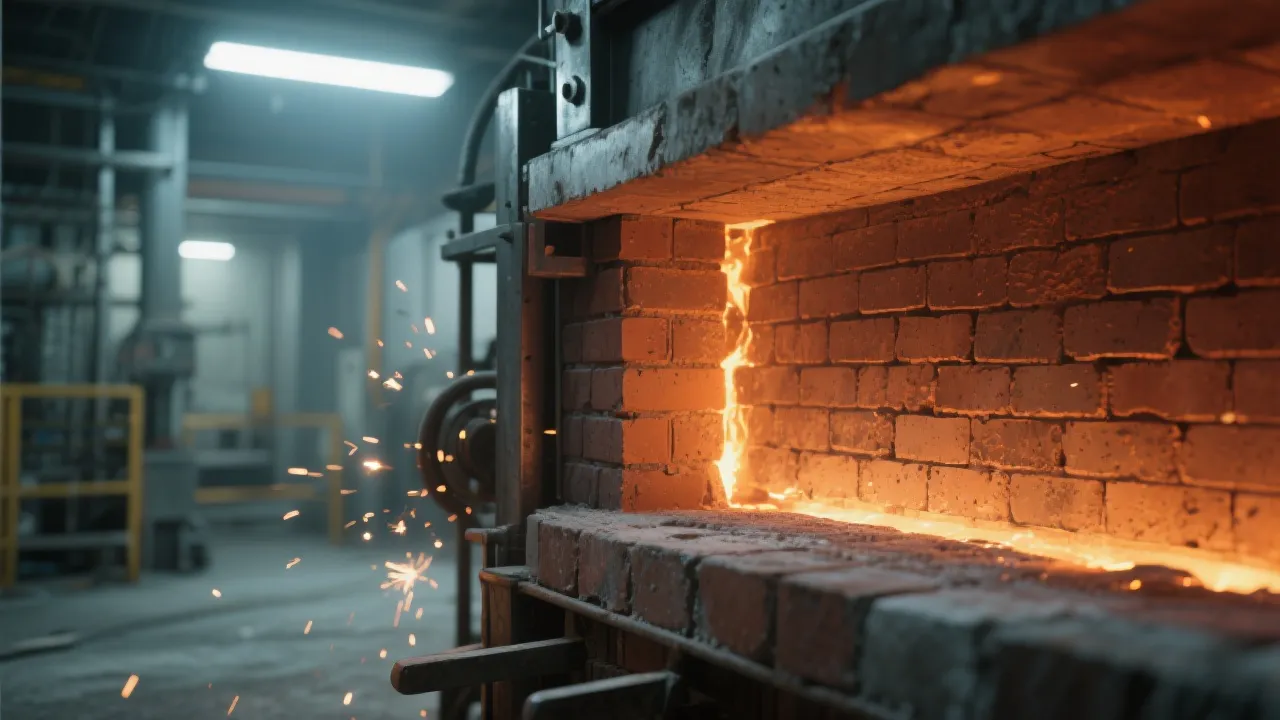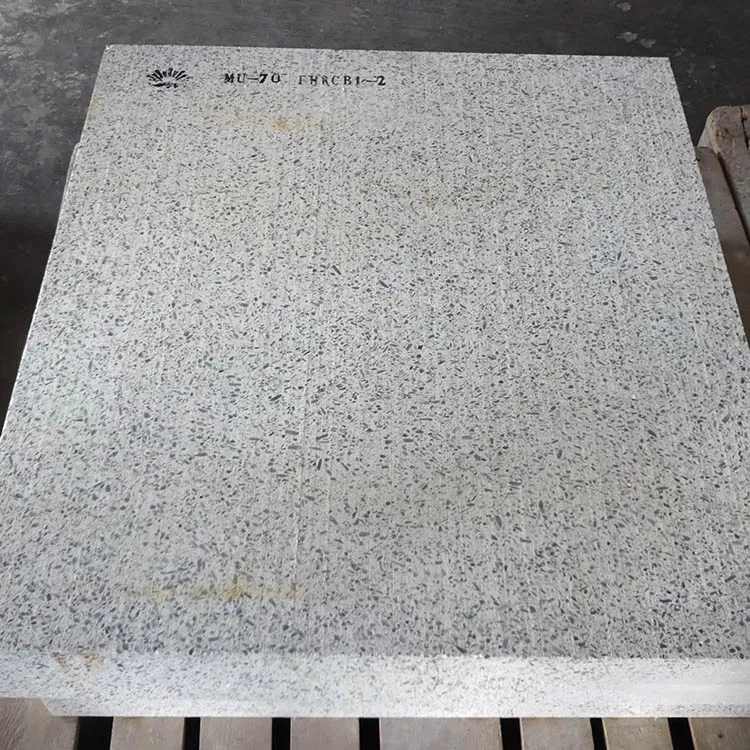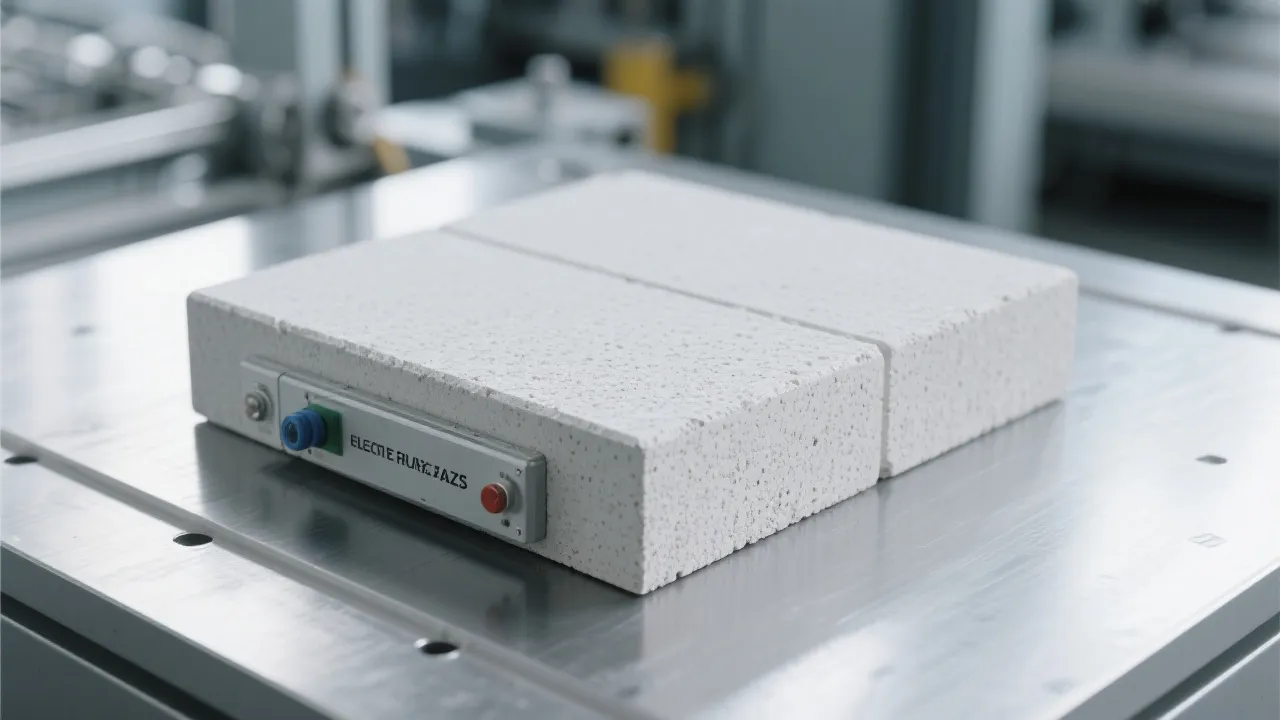
In the demanding world of refractory materials, producing complex-shaped components without compromising quality has long been a challenge. That’s where our large cast silicon carbide brick comes in — not just another product, but a proven solution for global clients facing unique design needs.
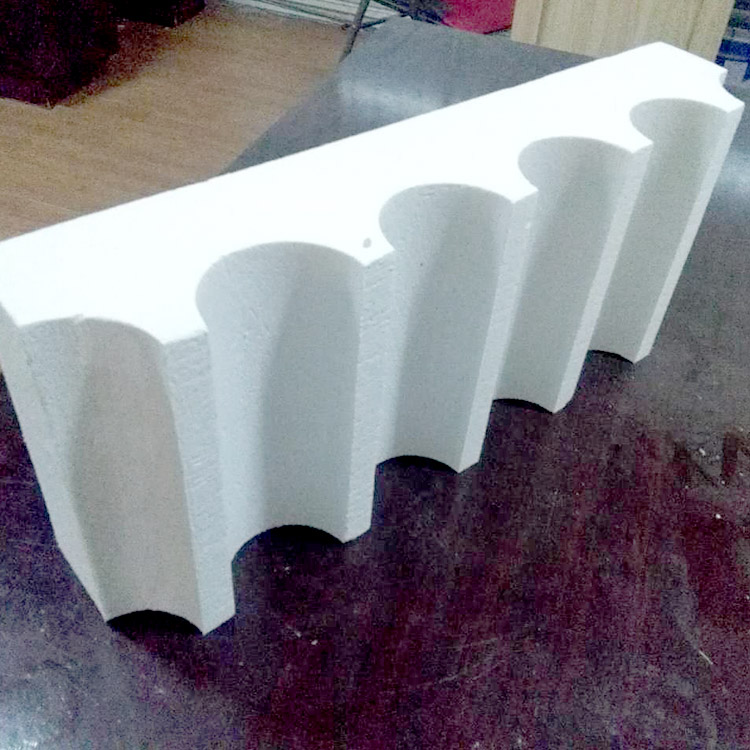
Our proprietary casting process begins with precise raw material blending — typically 95%+ pure silicon carbide powder mixed with specialized binders and additives. This ensures uniformity and structural integrity. The mixture is then poured into custom-designed gypsum molds, which allow for intricate geometries impossible to achieve via traditional pressing methods.
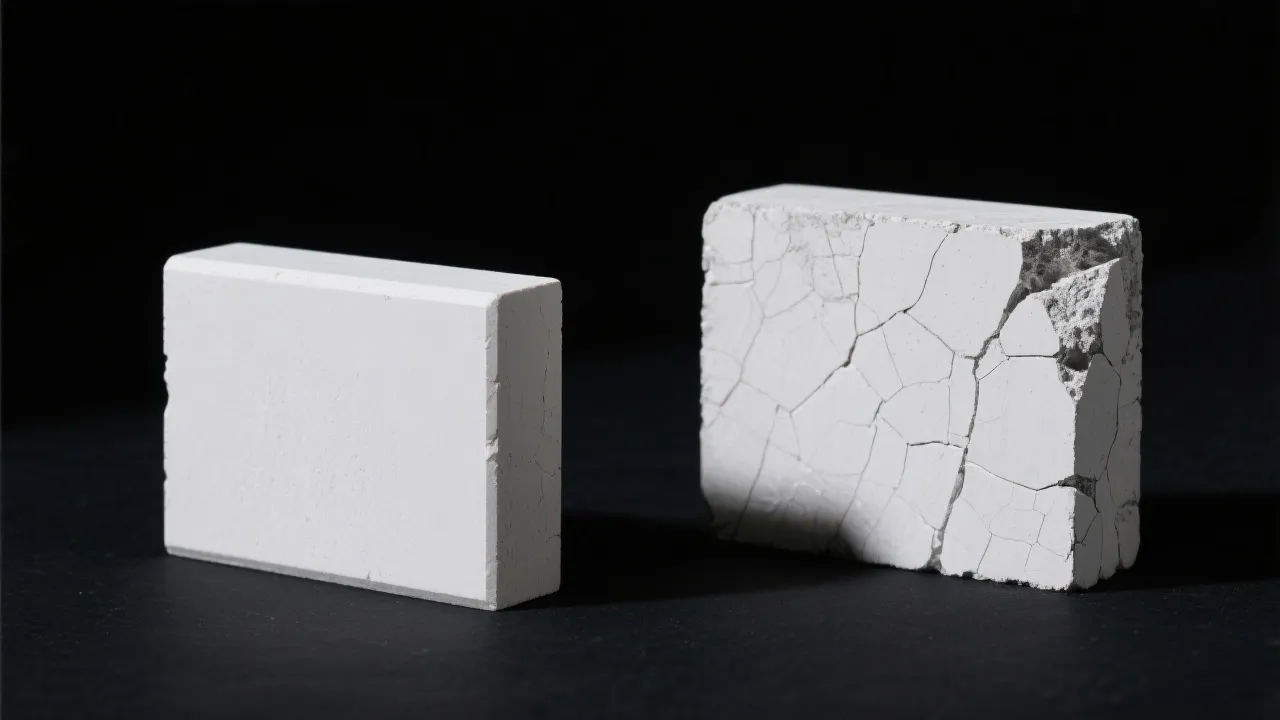
After drying at controlled humidity (typically 24–48 hours), the green body undergoes a high-temperature firing cycle (up to 1700°C). According to internal lab tests, this method reduces cracking risk by up to 68% compared to conventional pressing techniques — a critical advantage when dealing with large or thin-walled shapes.
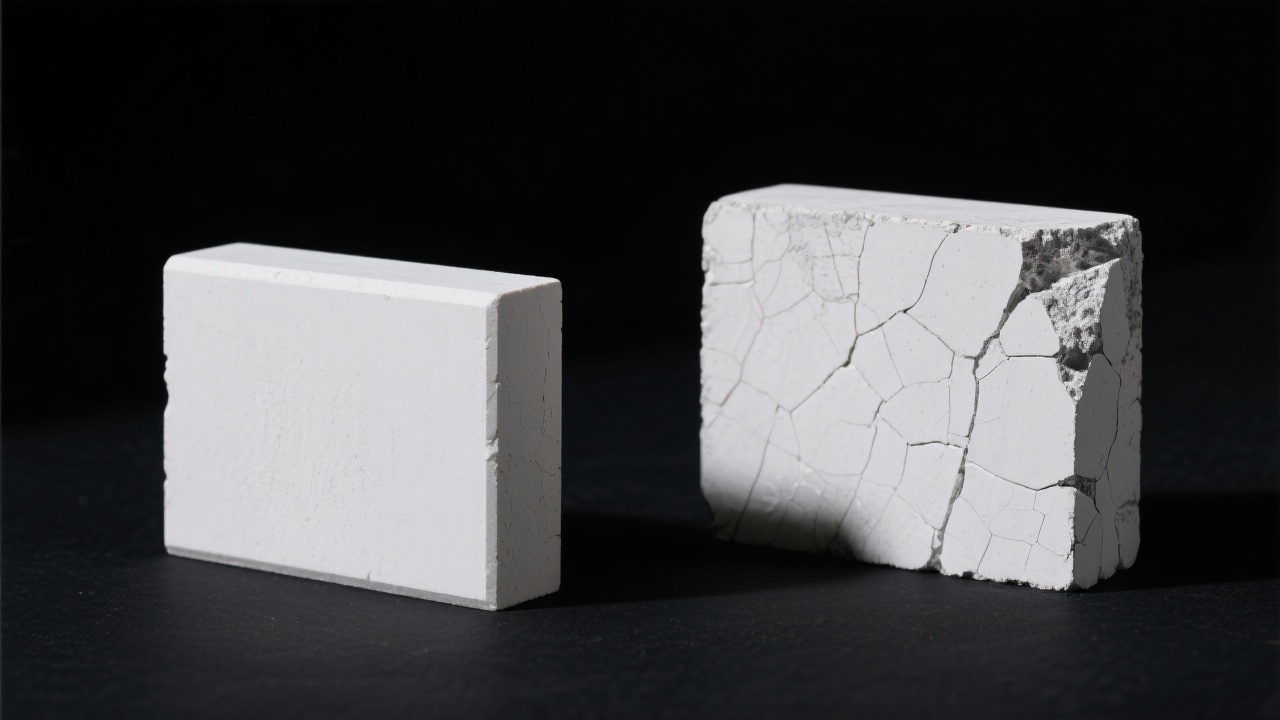
Take one example from a European steel plant that needed a 1.2-meter-long curved refractory block for their ladle lining. Traditional methods resulted in frequent breakage and inconsistent performance. After switching to our cast bricks, they reported a 40% increase in service life and zero defects over six months of continuous operation.
Another case involved an Asian automotive foundry requiring custom-shaped inserts for die-casting machines. Our team worked closely with their engineers to adjust grain size distribution and binder ratios — resulting in a 30% faster installation time and improved thermal shock resistance.
| Feature | Traditional Pressing | Large Cast Silicon Carbide Brick |
|---|---|---|
| Max Dimension | ≤ 0.8 m | Up to 2 m |
| Defect Rate | ~12% | ~3% |
| Lead Time | 3–4 weeks | 2–3 weeks |

We know your biggest hurdles aren’t just about getting a quote — it’s about avoiding costly rework, ensuring compatibility with existing systems, and meeting tight deadlines. That’s why we offer free technical consultations and sample kits tailored to your specific shape requirements.
“If you’re tired of rejecting designs because of material limitations — try us first.” — Dr. Lena Müller, R&D Manager, German Steelworks Co.
Get a free technical evaluation + sample kit for your next project — no obligation, just real solutions.
Explore Custom Casting Solutions Now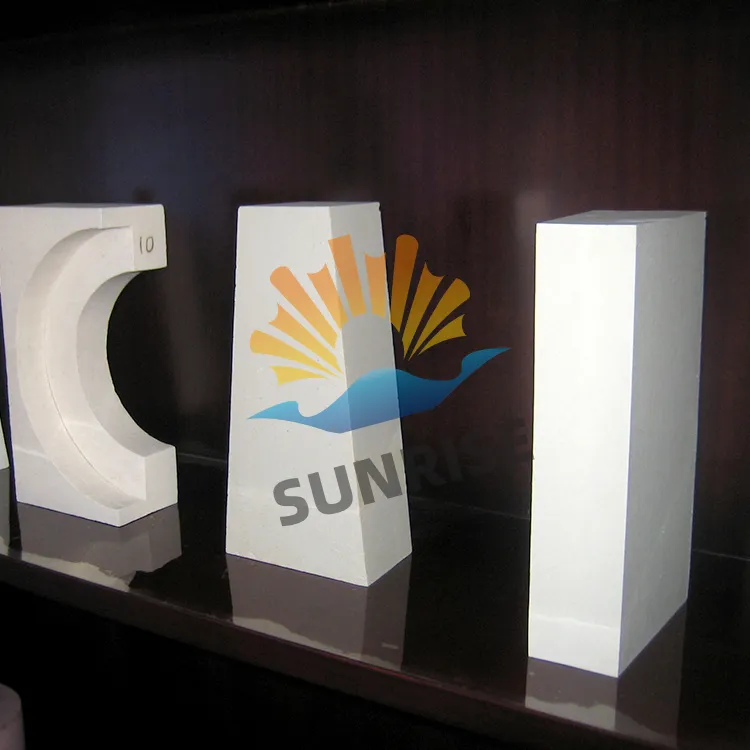



.jpg?x-oss-process=image/resize,h_1000,m_lfit/format,webp)