Why Choose Large Cast Sillimanite Bricks for Complex Shaped Refractory Components?

27 12,2025
Sunrise
Solution
This article explores the advantages of using large cast sillimanite bricks in manufacturing complex shaped refractory components. It details the unique casting process—from raw slurry preparation and gypsum mold pouring to natural drying and high-temperature sintering—highlighting how this method overcomes traditional forming challenges. Real-world applications in rotary kiln linings, electric furnace doors, and custom-shaped burner parts demonstrate superior adaptability. Compared to pressing and prefabricated block assembly, the large cast process offers higher precision, greater flexibility, and lower scrap rates, making it ideal for customized, non-standard designs. Engineers and procurement specialists alike will find practical solutions to common production pain points, ensuring efficient, high-quality outcomes.
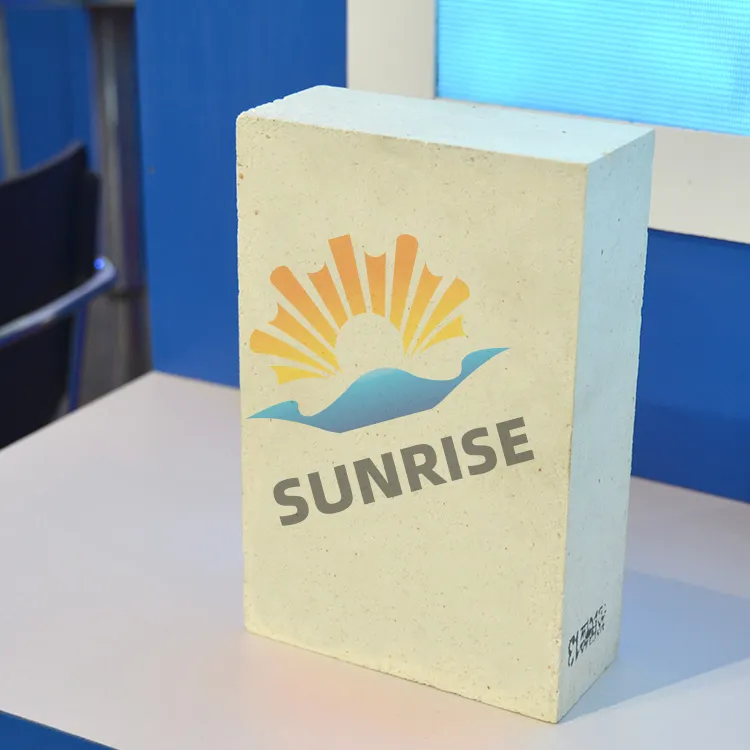
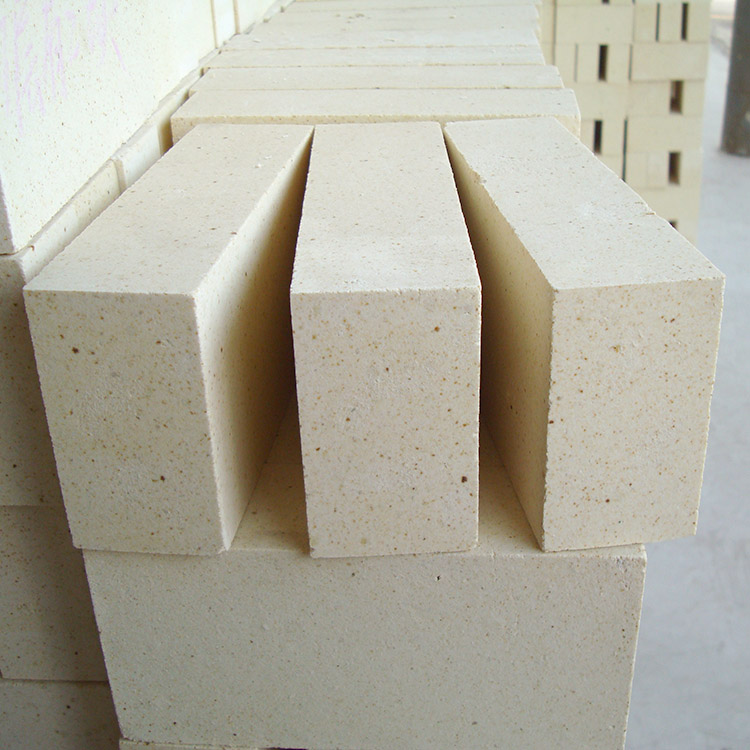
Multi-compound-spinel-brick-4.jpg

Why Large Cast Mullite Bricks Are the Breakthrough Solution for Complex Shaped Components

In high-temperature kiln operations, manufacturing complex-shaped refractory components remains a serious challenge. Traditional forming methods such as pressing and block assembly often struggle to meet the demands of intricate geometries, resulting in high production costs, increased waste, and compromised product quality. Large cast mullite bricks, employing advanced pouring techniques, offer an innovative way to overcome these limitations, enabling engineers and procurement specialists to realize custom, non-standard designs with unmatched precision and reliability.

Industry Pain Points in Complex Refractory Shaping

Conventional refractory forming techniques traditionally fall short when dealing with irregular shapes. Pressing methods lack the flexibility to accommodate multi-dimensional complexity, often causing inaccuracies and surface defects. Pre-fabricated block拼装 increases assembly time and joint failure risk under thermal shock. This complexity leads to higher material scrap rates, extended downtime, and ultimately, increased operational expenditure. For critical applications such as rotary kiln linings, electric furnace doors, and custom burners, these shortcomings present a significant bottleneck.

Decoding the Large Cast Mullite Brick Manufacturing Process

The large cast mullite brick process pivots around a meticulous four-step workflow: slurry preparation, gypsum mold pouring, natural drying, and high-temperature sintering. Each stage contributes vital technical advantages that traditional methods cannot replicate.

  • Slurry Preparation: High-purity raw materials are mixed into a uniform, stable slurry ensuring consistent chemical composition and fluidity, enabling impeccable mold filling.
  • Gypsum Mold Pouring: Complex shapes are formed by hand-pouring slurry into custom gypsum molds, allowing precise replication of intricate geometries without mechanical pressure.
  • Natural Drying: The cast bricks undergo controlled drying to reduce internal stresses and minimize cracking risk, enhancing dimensional stability.
  • High-Temperature Sintering: Firing at temperatures typically between 1500-1700°C achieves optimal mullite phase development, dramatically improving thermal shock resistance and mechanical integrity.

This workflow results in refractory bricks with superior surface finish and dimensional accuracy, perfectly tailored for challenging kiln environments.

Real-World Applications Demonstrating Exceptional Performance

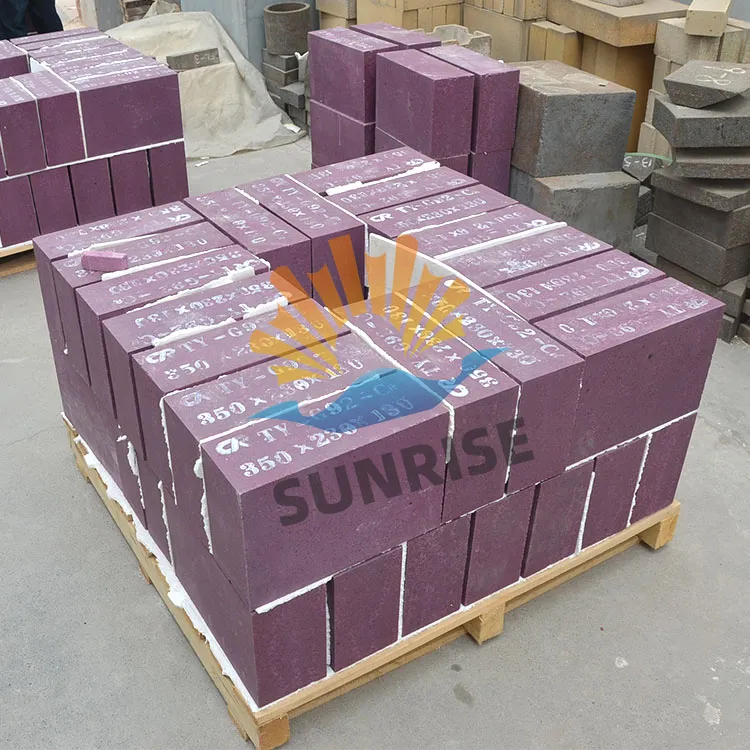
Large cast mullite bricks have been successfully deployed in demanding industrial scenarios including rotary kiln linings that endure cyclic thermal stresses, electric furnace doors requiring airtight seals, and customized combustion components where strict shape compliance is critical. Customers report up to a 25% reduction in thermal deformation and a 15% increase in flexural strength compared to pressed alternatives, substantiated by independent laboratory tests.
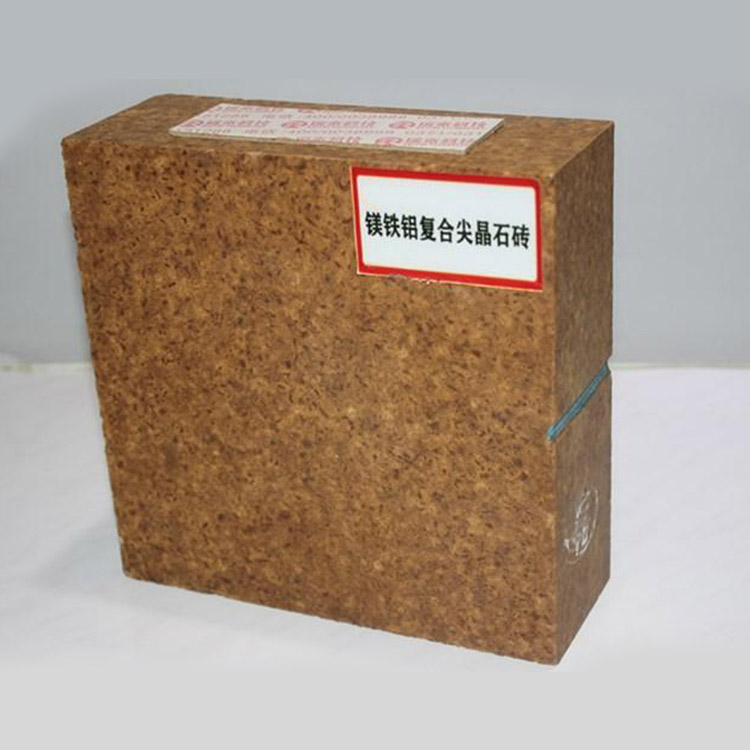
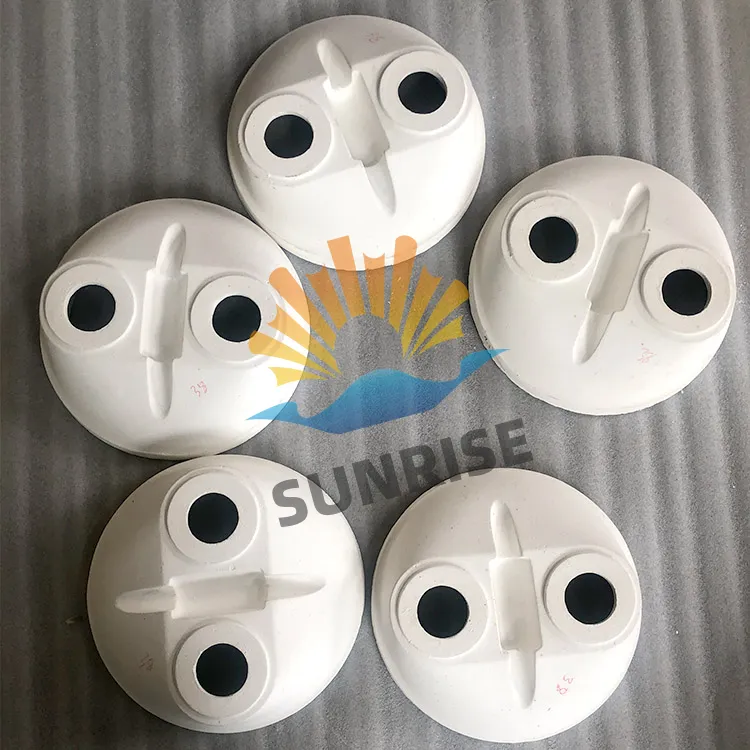
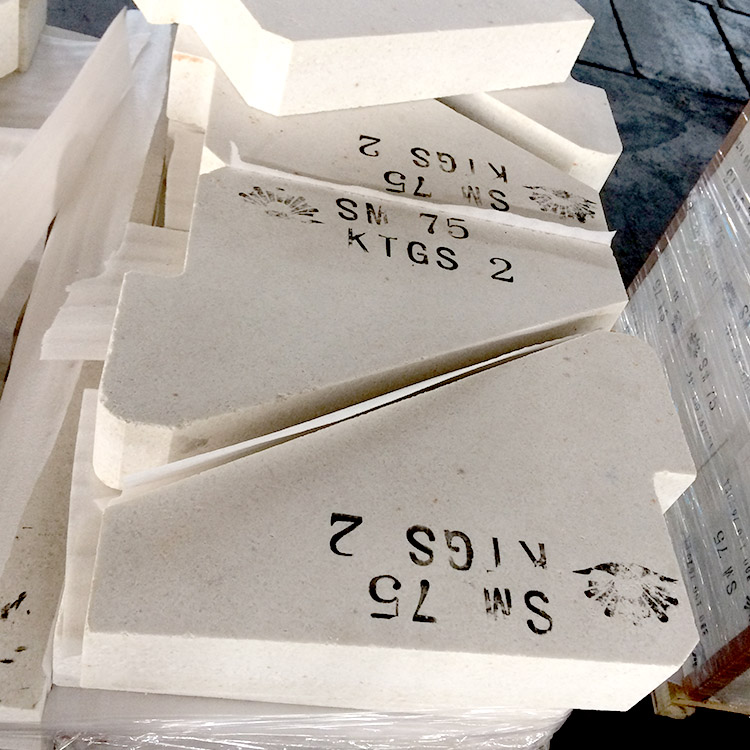
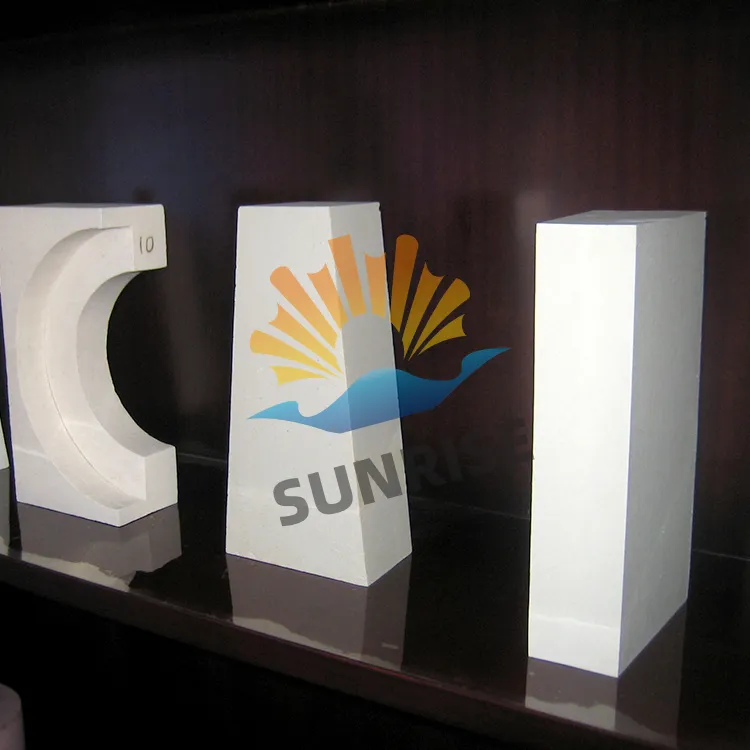
Large cast mullite brick with complex geometry for rotary kiln liners

Comparative Advantages: Casting vs. Pressing and Block Assembly

When stacked against pressing and block拼装, large cast mullite bricks distinctly outshine in several key performance parameters:

Parameter Large Cast Mullite Pressed Bricks Block Assembly
Dimensional Accuracy ±0.5 mm ±1.5 mm Dependent on joint fit
Thermal Shock Stability Improved by 20% Standard Reduced due to joints
On-Site Installation Speed Fast; single-piece reduces assembly time Moderate Slow; alignment challenges

Data-Driven Proof: Laboratory & Customer Feedback

Independent testing highlights that cast mullite bricks exhibit an average flexural strength increase of 18% and a thermal expansion coefficient reduction of nearly 10% compared to pressed bricks. User testimonials from large cement plants underscore up to 30% extension in component service life, attributing reduced downtime and maintenance costs directly to the casting approach.
Technical data comparison chart of refractory bricks flexural strength and thermal expansion

From a Customer’s Perspective: Why Choose Large Cast Mullite Bricks?

Buyers considering refractory components for complex geometries prioritize reliability, customization capability, and cost-effectiveness. Large cast mullite bricks offer:

  • Reduced Labor Time: Seamless, single-piece components minimize assembly and adjustment effort onsite.
  • Lower Material Waste: Superior dimensional control and fracture resistance mean fewer rejects and reorders.
  • Improved Production Quality: Enhanced thermal properties lead to longer service intervals and operational stability.
  • Tailored Solutions: Flexibility in molds enables intricate custom shapes aligning precisely with project demands.

Let every complex design no longer be constrained by manufacturing bottlenecks. Provide your customized projects with a stable, dependable materials backbone.
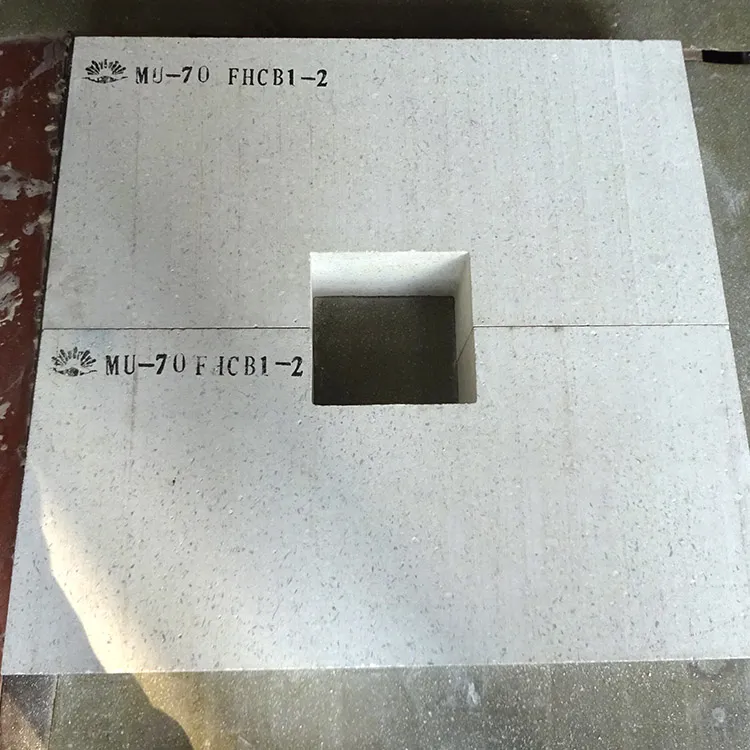
Customized large cast mullite refractory components installation in electric furnace door

We invite you to share your unique challenges in shaping complex refractory components below. Your experience enriches industry insights for all.
Name *
Email *
Message*

Recommended Products

Popular articles
Recommended Reading
<#if (articleDetails.articleDetailsRelatedArticles.articleList?has_content)?? && (articleDetails.articleDetailsRelatedArticles.articleList?size>0)> <#if (articleDetails.articleDetailsRelatedArticles.isShow)?? && articleDetails.articleDetailsRelatedArticles.isShow> <#if (articleDetails.articleDetailsRelatedArticles.title)?? && articleDetails.articleDetailsRelatedArticles.title!="">

${articleDetails.articleDetailsRelatedArticles.title}

<#list articleDetails.articleDetailsRelatedArticles.articleList as list>
<#if (list.imgUrl?has_content)?? && (list.imgUrl?has_content)> ${list.imgAlt} <#else> img

${list.title}

${(list.updateTime)?number_to_datetime?string('dd MM ,yyyy')}
Contact us
Contact us
https://shmuker.oss-accelerate.aliyuncs.com/tmp/temporary/60ec5bd7f8d5a86c84ef79f2/60ec5bdcf8d5a86c84ef7a9a/thumb-prev.png