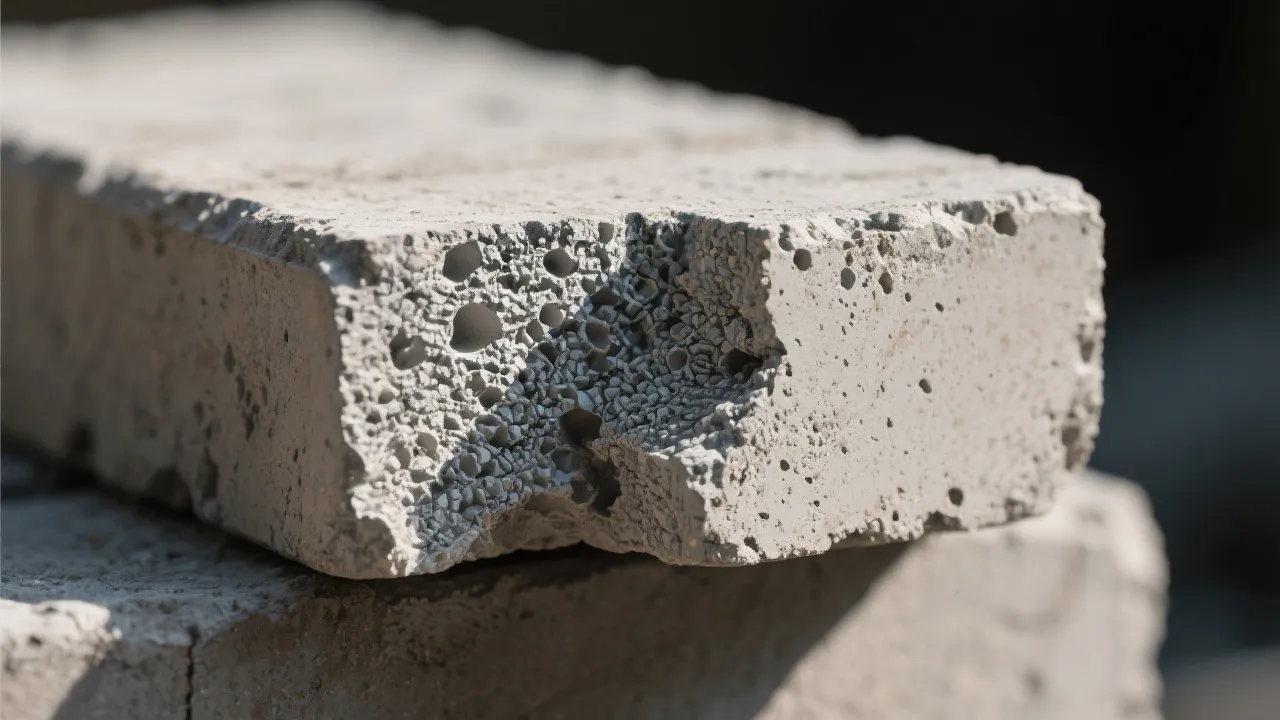
In the high-temperature industrial sectors where reliability and performance are non-negotiable, the quality of refractory materials can make or break operational efficiency. Among these critical components, large cast andalusite bricks stand out for their exceptional thermal shock resistance and chemical stability. Today, we take you behind the scenes of how Sunrise manufactures these industrial workhorses that protect furnaces and reactors in some of the world's most demanding production environments.
Andalusite's unique crystal structure (Al₂SiO₅) gives it remarkable properties that make it ideal for high-temperature applications. Unlike common fireclay refractories, andalusite maintains its strength even at temperatures exceeding 1700°C while offering a low thermal expansion coefficient of approximately 5.3 x 10⁻⁶/°C—significantly lower than silica-based refractories.
"The secret lies in andalusite's conversion to mullite at elevated temperatures," explains Dr. Wei Zhang, Materials Science Director at Sunrise. "This transformation creates a microstructure that resists thermal shock better than almost any other refractory material, reducing crack formation by up to 40% compared to traditional firebricks."
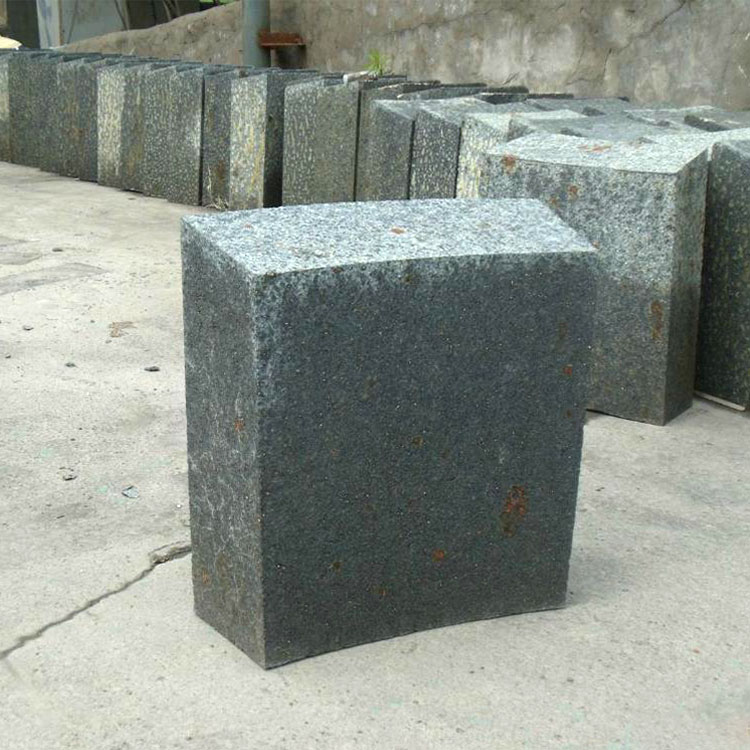
The process begins with严格的原料筛选. Sunrise sources andalusite ore with minimum 58% Al₂O₃ content, carefully blending it with selected additives to enhance specific properties. The dry mixing phase lasts 25-30 minutes to ensure homogeneity before water is added to create a workable slurry with precisely controlled viscosity—typically between 180-220 cP for optimal flow characteristics.
Master mixer Chen Jian, with 15 years of experience, emphasizes: "Consistency is everything. We check the slurry density every 15 minutes during production—even a 2% variation can affect the final product's density by up to 5%."
Unlike automated brick pressing, large cast andalusite bricks require skilled craftsmanship. The specially formulated slurry is manually poured into gypsum molds designed to exact specifications, a process that demands both strength and finesse. Each mold is vibrated at 45 Hz for 60-90 seconds to eliminate air bubbles—critical for preventing structural weaknesses.
"Every brick over 500mm in length needs special attention to ensure uniform density," notes production supervisor Li Mei. "Our craftsmen can feel when the mold is properly filled—it's a skill that takes years to develop."
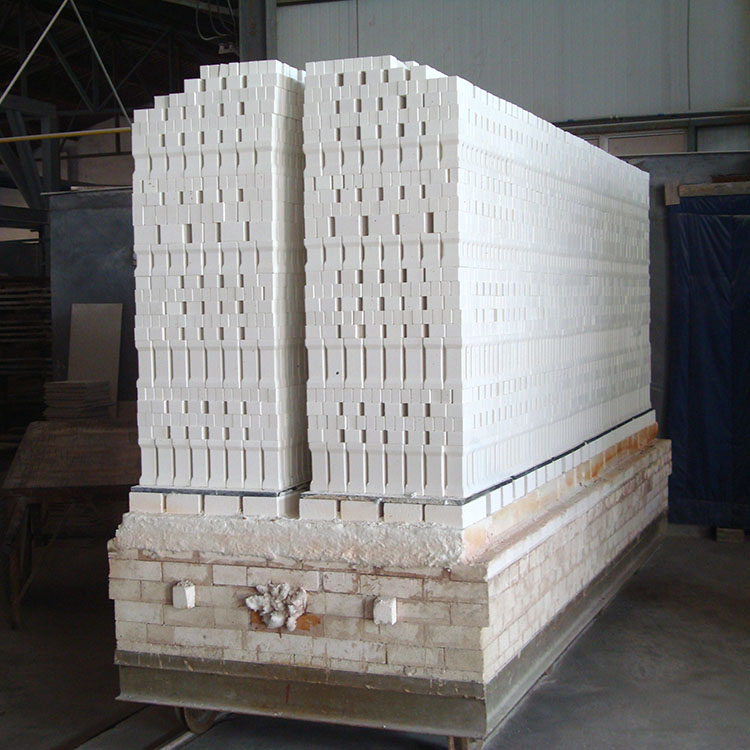
The green bodies undergo a carefully controlled drying process that spans 72-96 hours. Initial drying occurs at 40-50°C with 60% relative humidity, gradually increasing to 80°C to remove free water without causing thermal stress. This stage is critical—rapid drying can lead to cracking and dimensional distortion.
Sunrise's computer-controlled drying chambers maintain temperature uniformity within ±2°C, ensuring each brick loses moisture at an optimal rate of 0.8-1.2% per hour.
The final and most critical stage is firing in gas-fired tunnel kilns. The temperature profile follows a precise curve: reaching 1200°C in 12 hours, holding for 4 hours, then gradually increasing to the peak firing temperature of 1580-1620°C for 8 hours. This slow ramp-up prevents thermal shock while allowing complete mullitization.
"The firing curve is our most closely guarded secret," says kiln master Zhao Wei. "We've developed proprietary temperature profiles that maximize both density and thermal shock resistance."
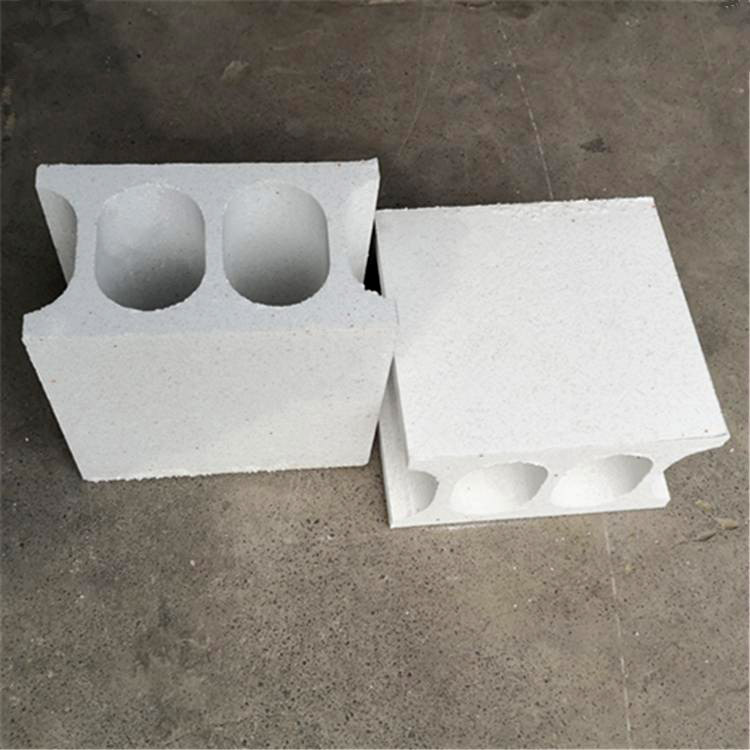
Sunrise's large cast andalusite bricks deliver measurable performance benefits in industrial applications:
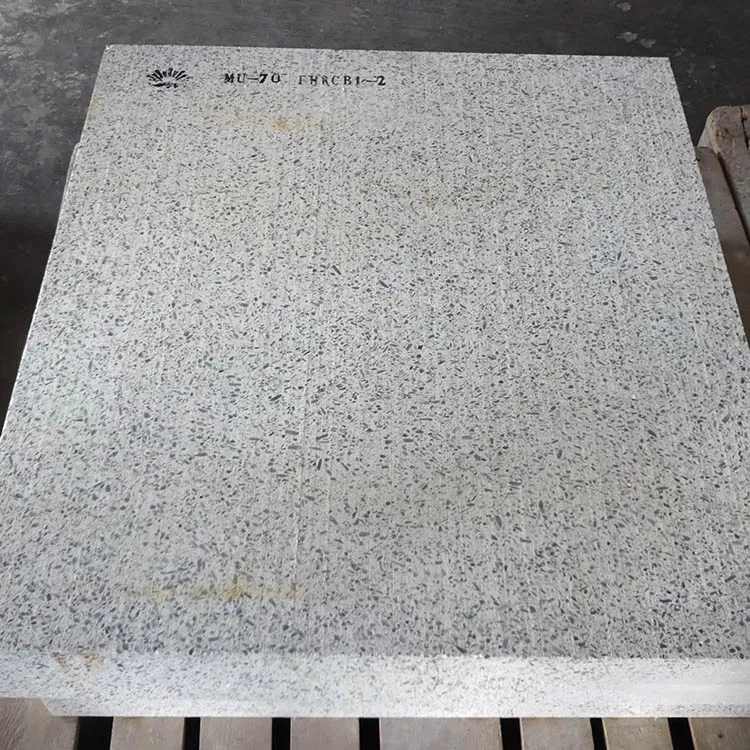
These properties make them particularly valuable in cement kilns, glass furnaces, and petrochemical reactors where temperature fluctuations and chemical attack are constant challenges.
Discover how Sunrise large cast andalusite bricks can reduce maintenance costs and extend furnace life in your specific application.
Request Your Custom Refractory SolutionEvery brick that leaves Sunrise's facility undergoes rigorous testing—including ultrasonic flaw detection, density measurement, and thermal shock testing—to ensure it meets the exacting standards required for modern industrial applications. This commitment to quality has made Sunrise a trusted partner for refractory solutions across five continents.
When your operation demands materials that can withstand extreme conditions while delivering consistent performance, the difference lies in the manufacturing details. From the careful selection of raw materials to the skilled craftsmanship of casting and the precision of firing, each step in creating large cast andalusite bricks contributes to the reliability that modern industry depends on.





.jpg?x-oss-process=image/resize,h_1000,m_lfit/format,webp)