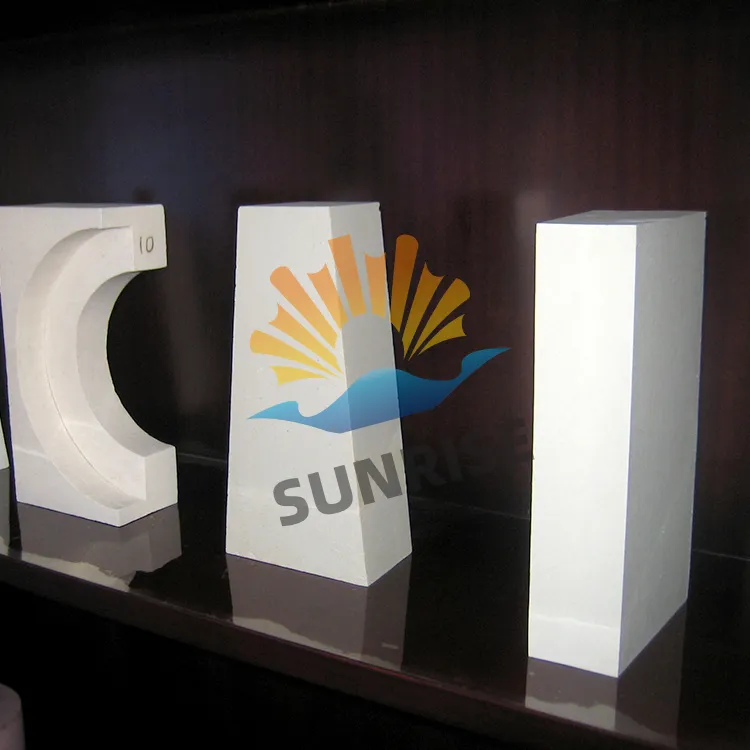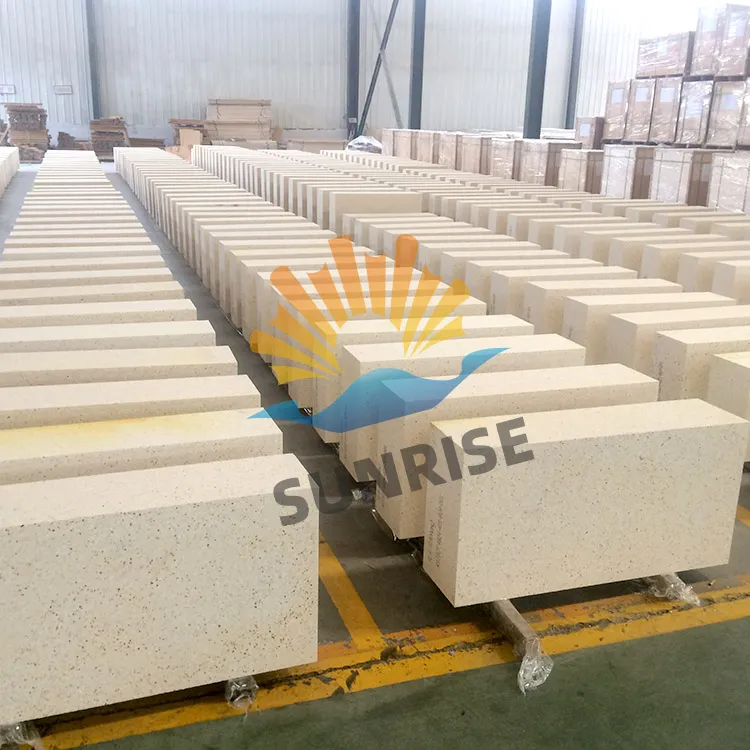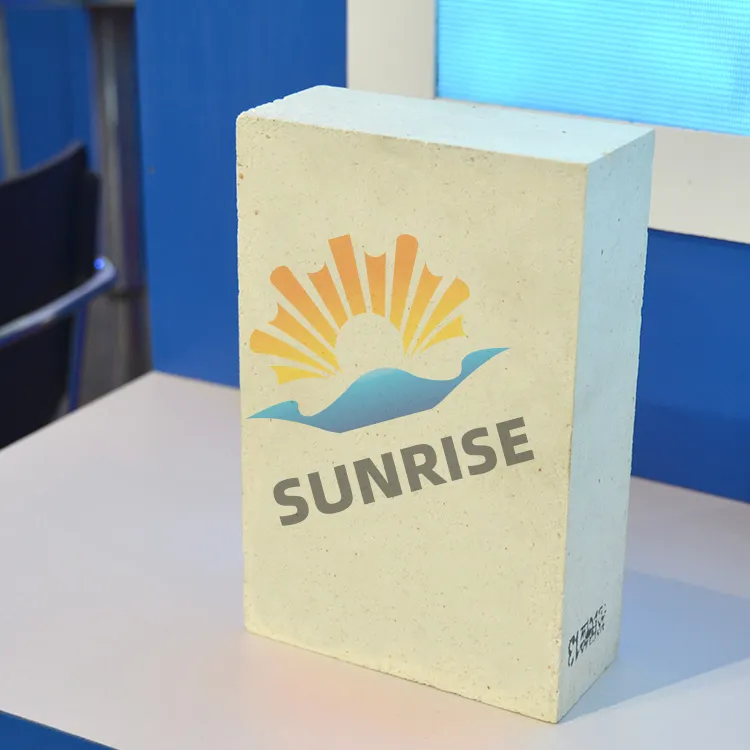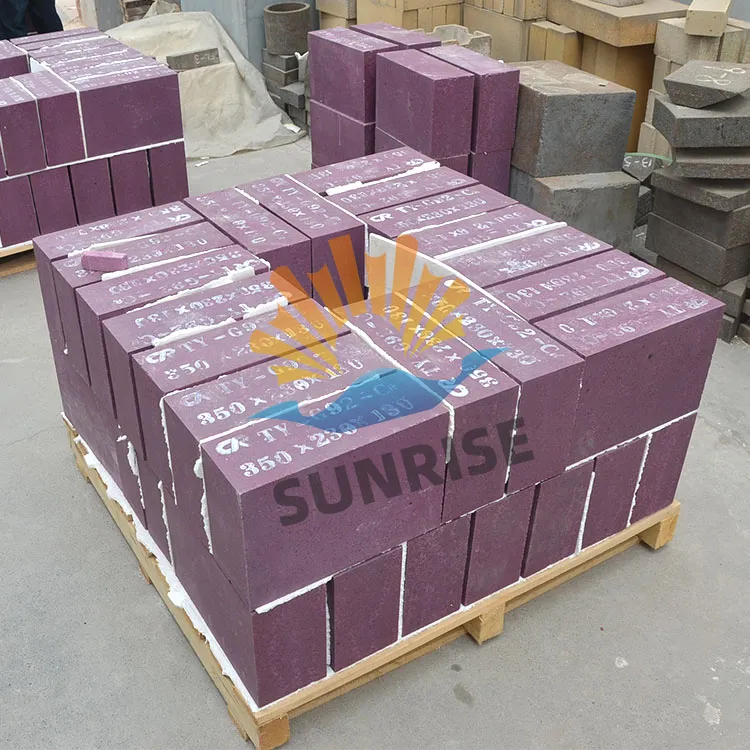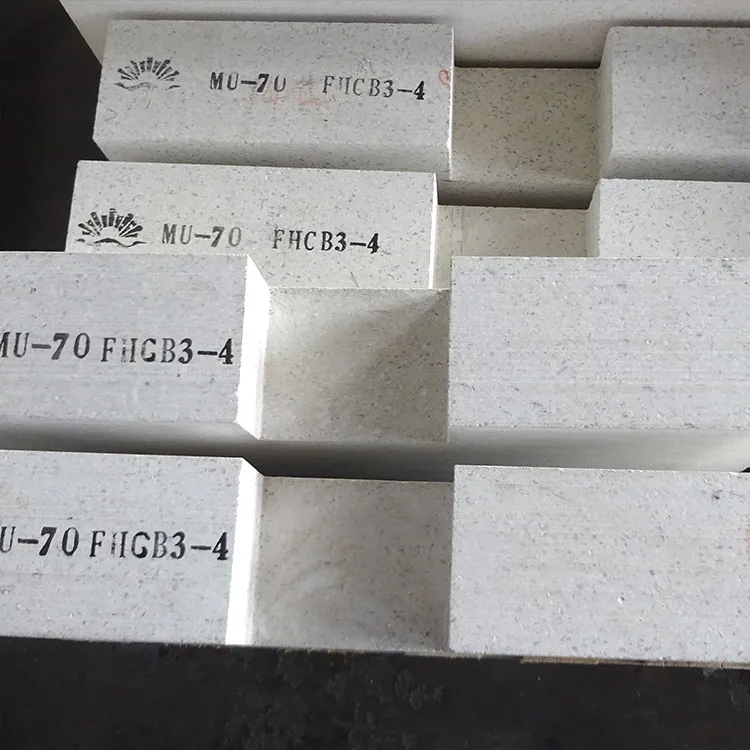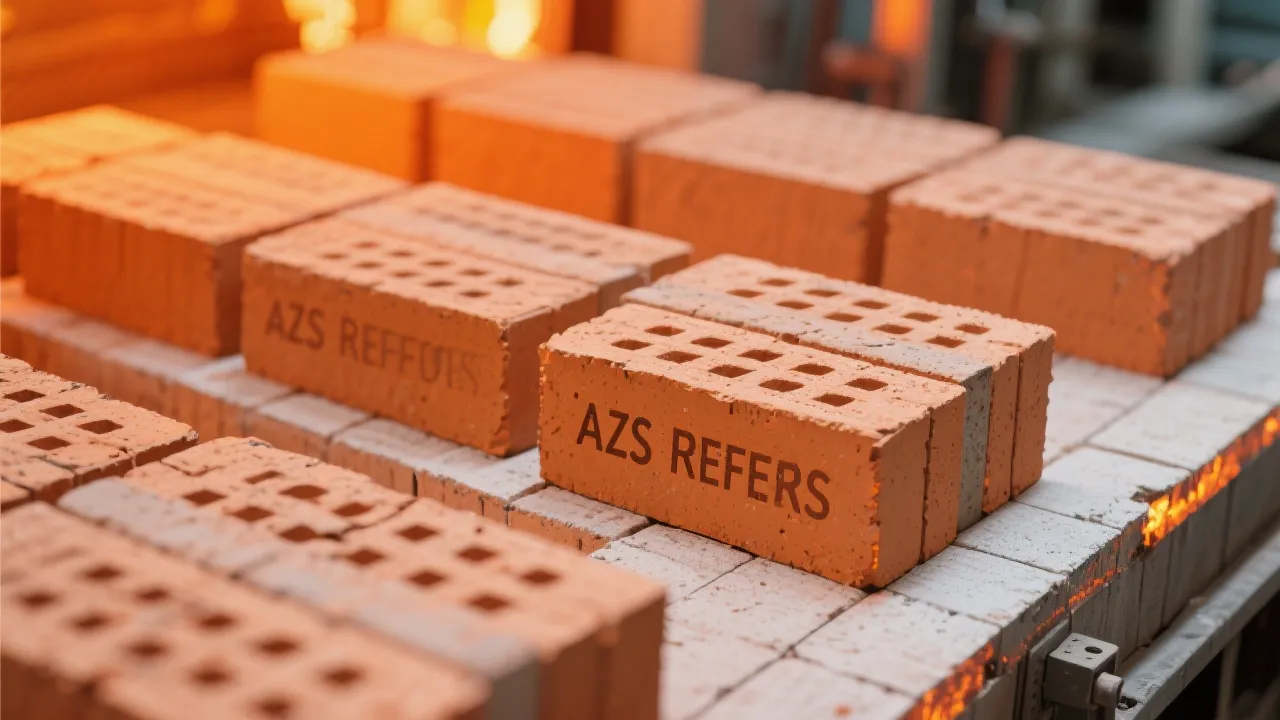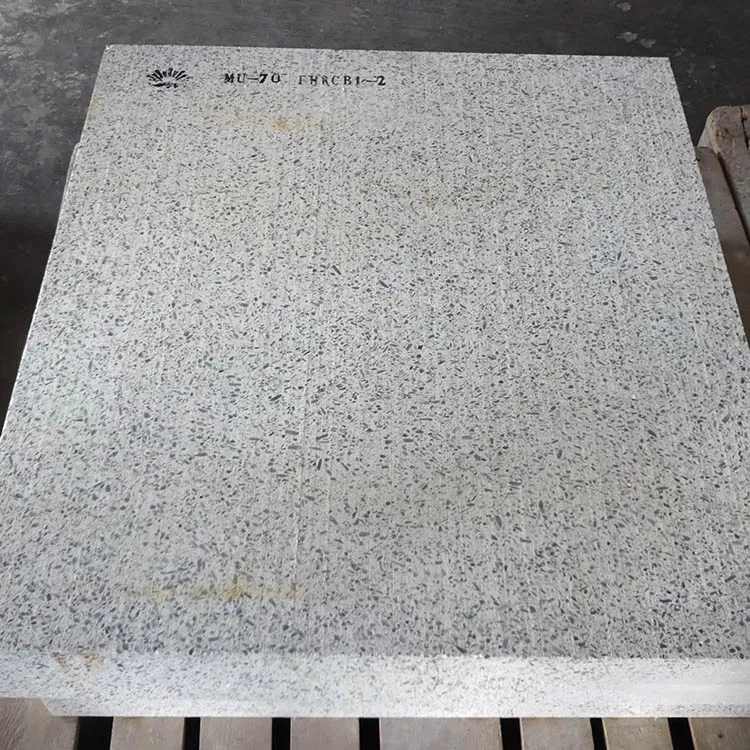
In the high-temperature industrial sectors of metallurgy and glass manufacturing, equipment reliability directly impacts production efficiency and safety. Among the critical components ensuring this reliability, refractory materials play an irreplaceable role. Today, we explore how low thermal expansion cast mullite bricks are revolutionizing high-temperature operations through advanced material science and engineering design.
Mullite (3Al₂O₃·2SiO₂) has long been valued in refractory applications for its excellent balance of thermal and mechanical properties. What truly distinguishes Sunrise's low thermal expansion cast mullite bricks is their precisely engineered microstructure. Unlike conventional refractory materials with thermal expansion coefficients (TEC) ranging from 5.5 to 8.0 × 10⁻⁶/°C, our advanced formulations achieve a TEC as low as 3.2 × 10⁻⁶/°C between 20-1000°C—representing a reduction of up to 57% compared to traditional alumina-silica refractories.
"The key to thermal shock resistance lies in controlling both the coefficient of thermal expansion and the material's ability to dissipate thermal stress. Our microstructural optimization achieves this balance through controlled grain growth and intergranular phase engineering." — Dr. Michael Chen, Materials Science Director at Sunrise Refractories
This remarkable thermal stability originates from the brick's unique crystalline structure. Through specialized casting and sintering processes, we develop a uniform matrix of needle-like mullite crystals interlocked with fine-grained alumina particles. This structure not only minimizes thermal expansion but also creates microcrack deflection paths that absorb thermal stress—a critical advantage in cyclic heating and cooling environments.
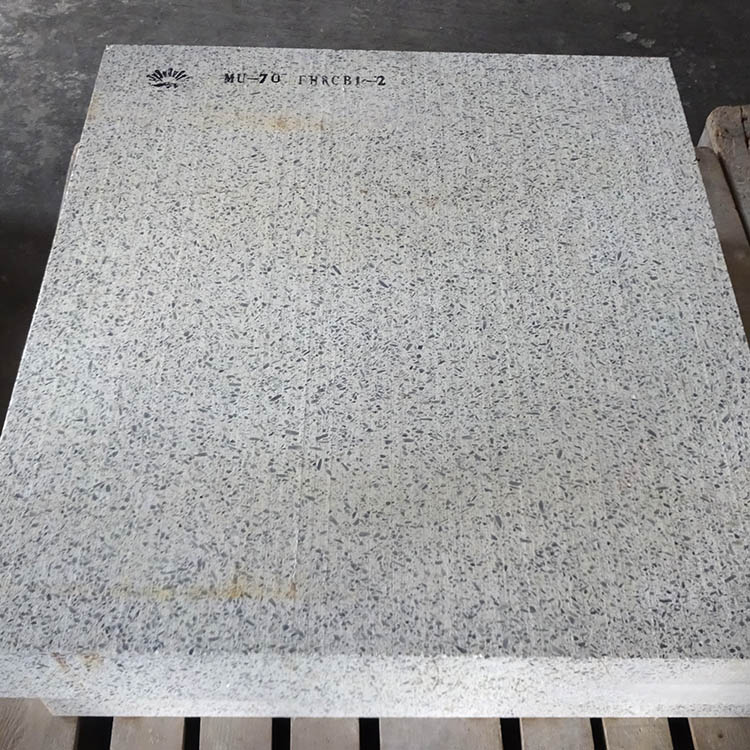
Thermal shock remains one of the primary causes of refractory failure in industrial furnaces. Traditional bricks typically fail after 15-25 thermal cycles (heating to 1000°C and rapid cooling to 20°C). In contrast, Sunrise low thermal expansion cast mullite bricks have demonstrated over 85 such cycles without significant structural degradation in third-party testing—a performance improvement of over 240%.
| Property | Sunrise Low Thermal Expansion Mullite | Traditional Mullite Brick | Performance Improvement |
|---|---|---|---|
| Thermal Expansion Coefficient (20-1000°C) | 3.2 × 10⁻⁶/°C | 6.8 × 10⁻⁶/°C | ~53% lower |
| Thermal Shock Resistance (cycles) | >85 | 15-25 | >240% improvement |
| Compressive Strength (hot, 1000°C) | >180 MPa | 120-140 MPa | ~30% higher |
In aggressive environments like glass melting furnaces, where molten glass and volatile compounds constantly attack refractory surfaces, chemical resistance is equally critical. The dense microstructure of Sunrise cast mullite bricks minimizes penetration pathways for corrosive agents. Our proprietary formulation reduces glass penetration by up to 65% compared to standard mullite refractories, significantly extending service life in glass contact zones.
Mechanical strength under high temperatures is another area where these bricks excel. Maintaining over 180 MPa compressive strength at 1000°C ensures structural integrity even under extreme thermal and mechanical loads—a critical factor in reducing unscheduled downtime and maintenance costs.
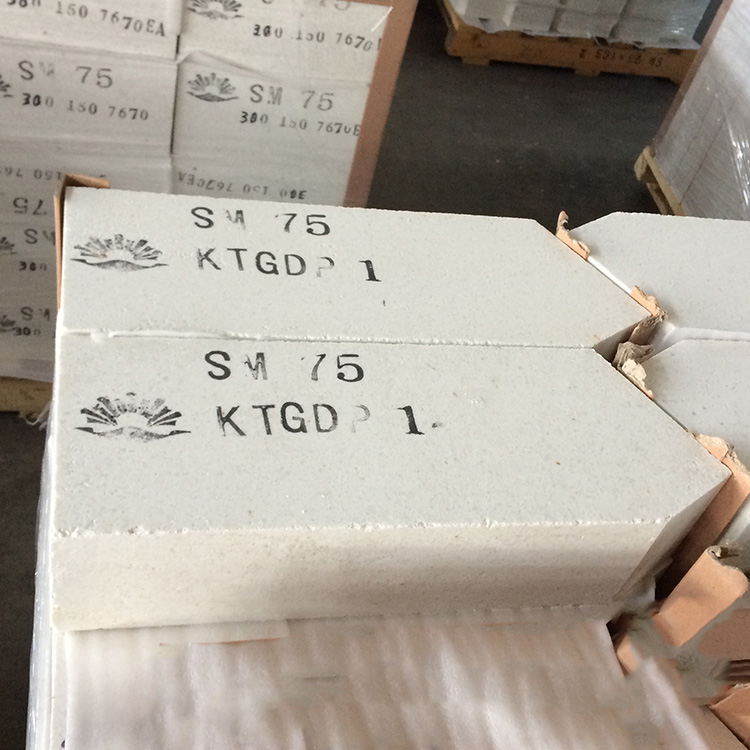
The practical benefits of low thermal expansion cast mullite bricks become most apparent in industrial applications. In a recent case study at a major Chinese steel producer, replacing traditional alumina-silica bricks with Sunrise low thermal expansion mullite in the ladle furnace sidewalls resulted in:
Similarly, in the glass industry, a European container glass manufacturer implemented these bricks in their forehearth zones, experiencing a 58% reduction in glass defects related to refractory erosion and a 29% increase in campaign length before scheduled maintenance.
The performance of cast mullite bricks is heavily influenced by manufacturing parameters. Our engineering team has identified critical factors that ensure optimal material properties:
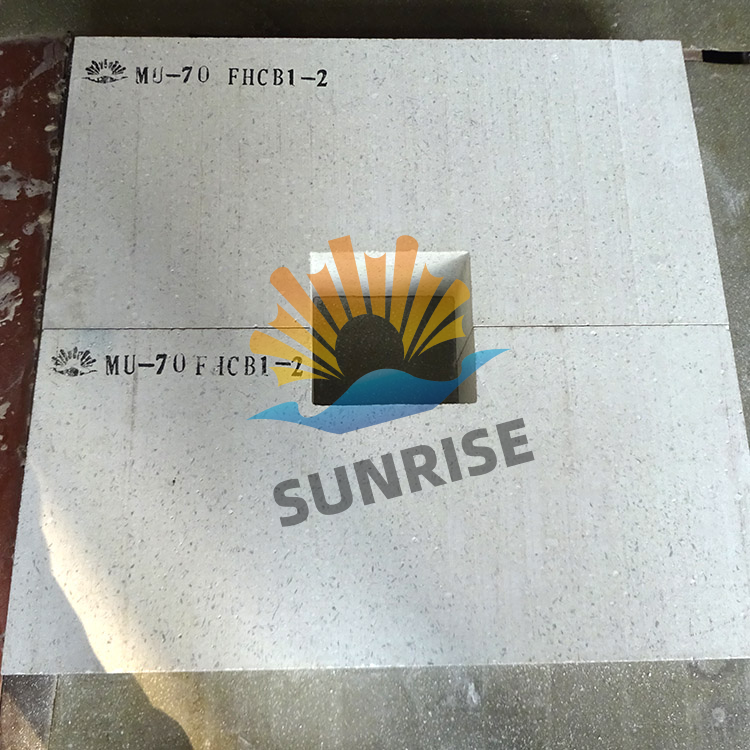
When specifying refractory materials for high-temperature applications, engineers must balance multiple factors beyond basic material properties. Thermal cycling frequency, temperature gradients, chemical environment, and mechanical loads all influence material performance and longevity. Our technical team works closely with clients to conduct thorough application assessments, ensuring optimal material selection and installation practices.
Common challenges like thermal spalling, chemical corrosion, and mechanical erosion require targeted solutions. For example, in areas with extreme thermal gradients, we recommend our premium low thermal expansion grade with enhanced microcrack resistance. In chemically aggressive environments, our zirconia-enhanced formulation provides superior corrosion resistance while maintaining the same low thermal expansion characteristics.
Download our comprehensive technical guide "Advanced Refractory Solutions for Modern Metallurgical and Glass Processes" to discover how Sunrise low thermal expansion cast mullite bricks can reduce downtime and maintenance costs.
Access Technical WhitepaperThe evolution of refractory materials continues to play a vital role in advancing high-temperature industrial processes. By focusing on microstructural engineering and material optimization, Sunrise is helping manufacturers achieve new levels of efficiency, reliability, and cost-effectiveness. As industries face increasing pressure to improve sustainability and reduce environmental impact, the extended service life and reduced material consumption offered by advanced refractories represent an often-overlooked opportunity for operational improvement.