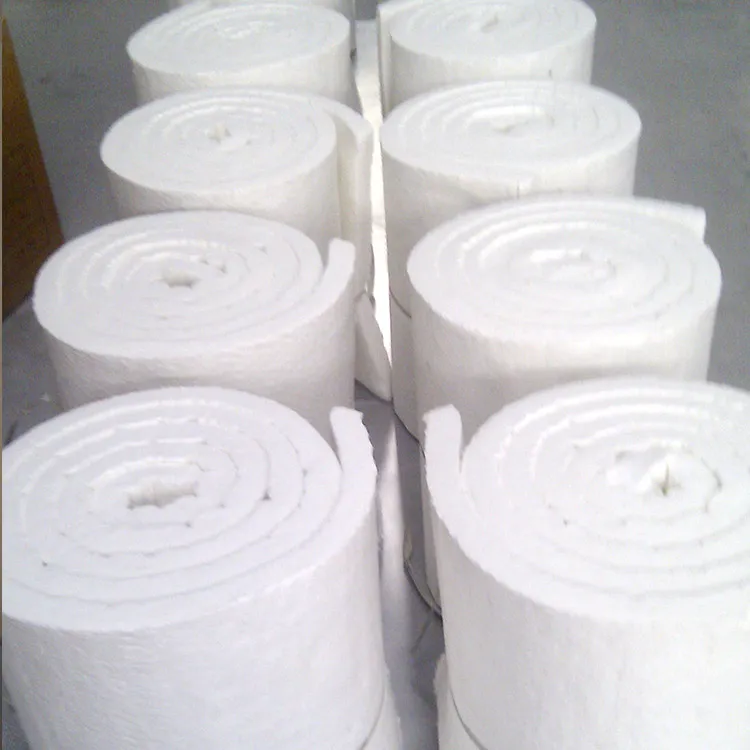
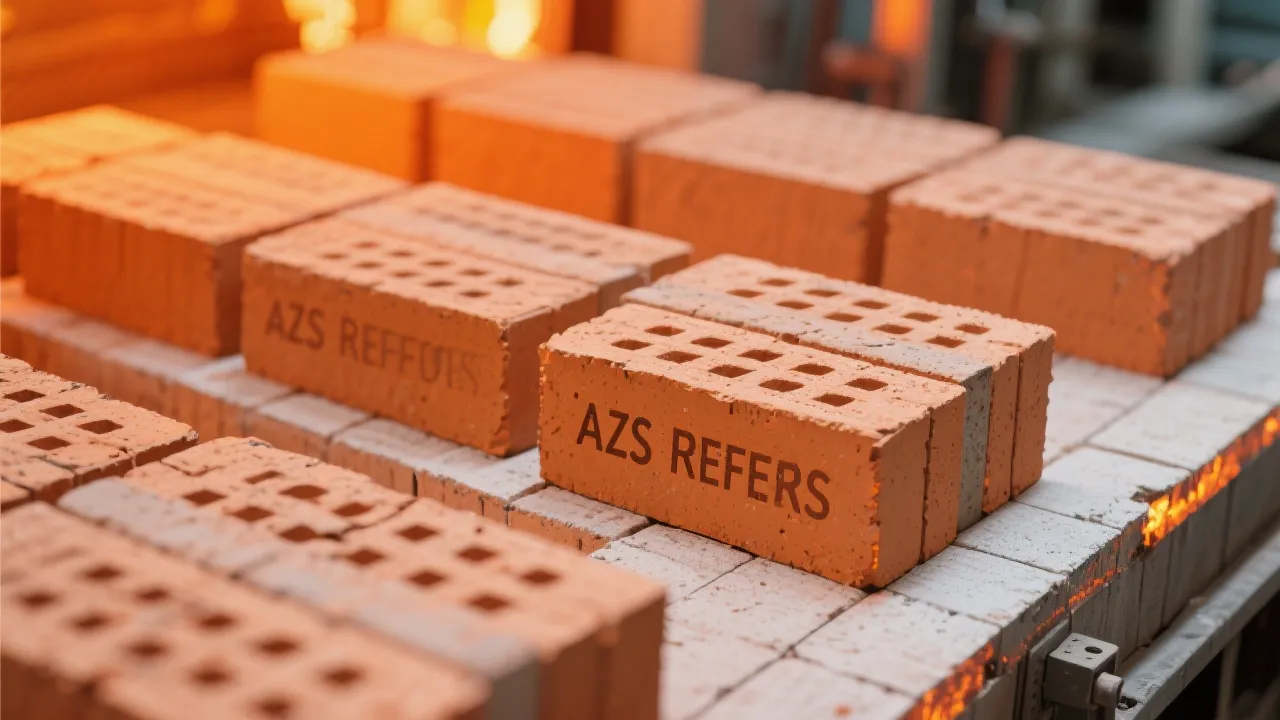
In high-temperature industrial processes, the performance of refractory materials directly impacts operational efficiency, safety, and overall production costs. Among advanced refractory solutions, low thermal expansion cast mullite bricks have emerged as a critical component in industries ranging from metallurgy to glass manufacturing. This article explores the fundamental properties, testing methodologies, and practical applications of these specialized refractory products, helping procurement professionals make informed technical decisions.
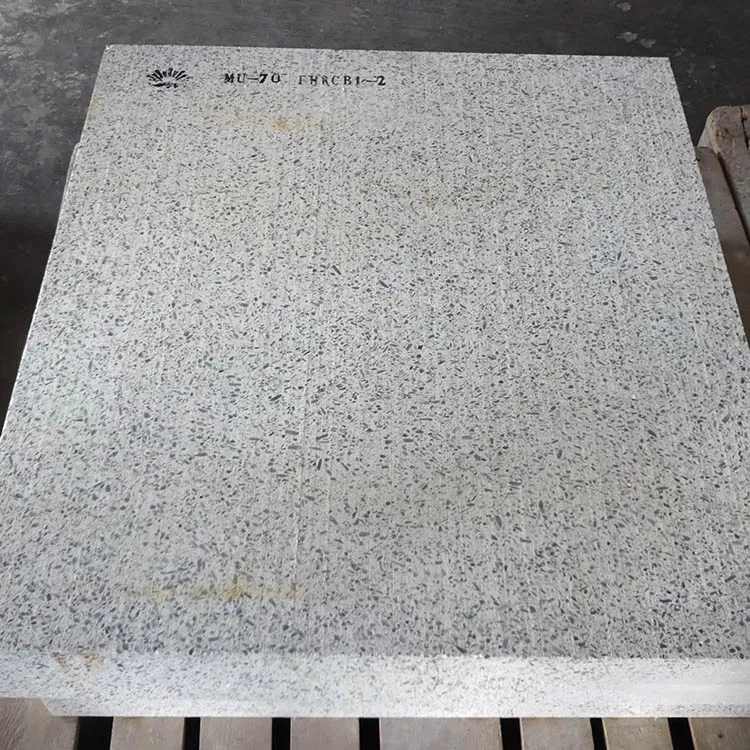
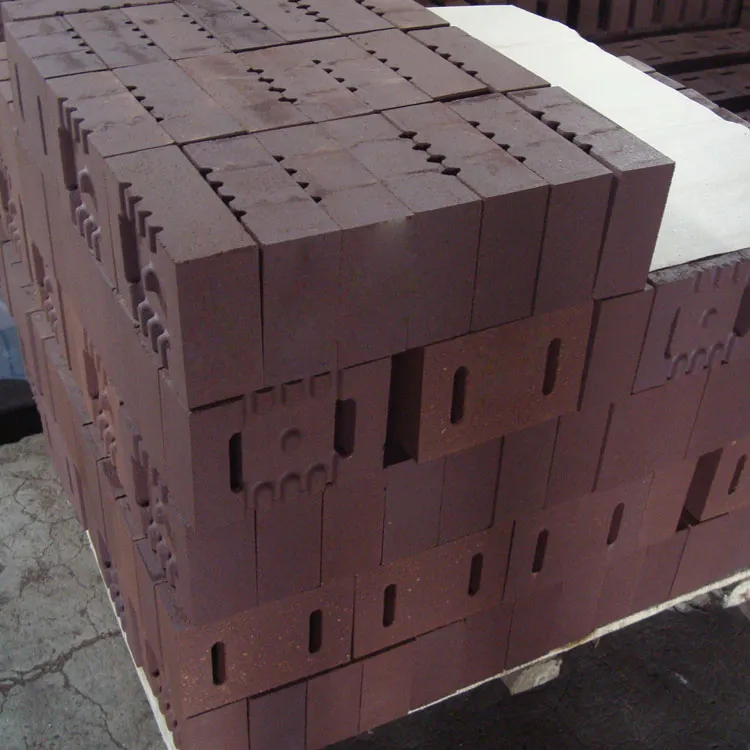
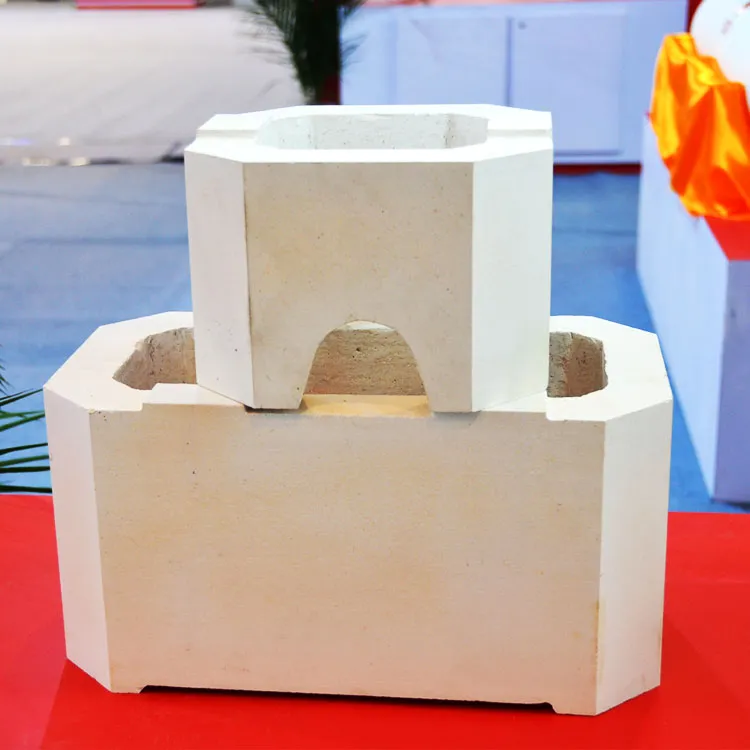
Cast mullite bricks are engineered refractory materials composed primarily of mullite (3Al₂O₃·2SiO₂), a mineral renowned for its exceptional thermal stability and mechanical strength. The "low thermal expansion" characteristic—typically ranging from 1.5 to 3.5 × 10⁻⁶/°C (20-1000°C)—distinguishes these bricks from conventional refractory options, making them particularly valuable in environments with rapid temperature fluctuations.
Sunrise, a leading manufacturer in the refractory industry, has optimized the production process of these bricks through advanced microstructural control and composite formulation techniques, resulting in products that consistently outperform standard industry benchmarks for thermal shock resistance and service life.
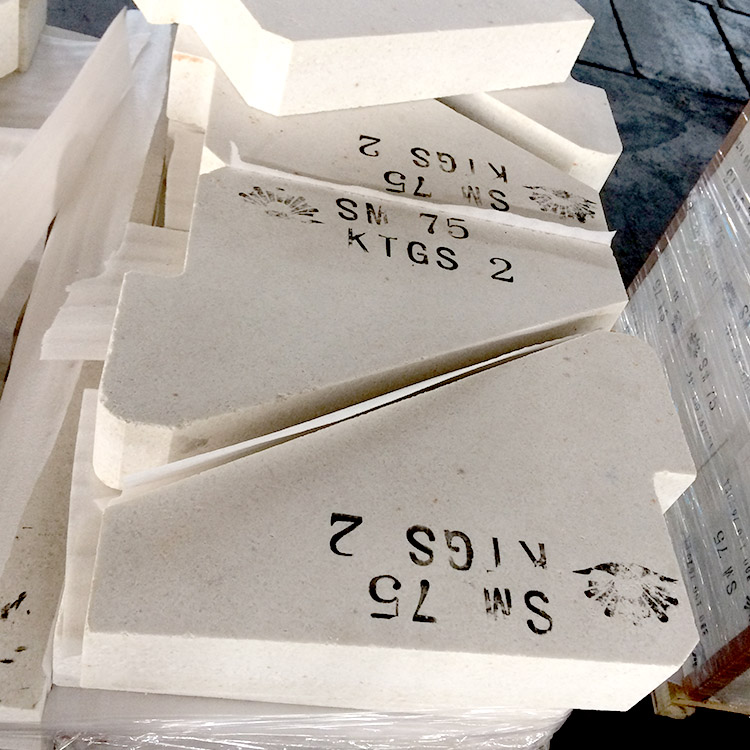
The performance of low thermal expansion cast mullite bricks is evaluated through several key parameters, each critical to determining suitability for specific industrial applications:
| Performance Indicator | Industry Standard Range | Sunrise Typical Values | Relevant Testing Standard |
|---|---|---|---|
| Linear Thermal Expansion | 1.5-3.5 × 10⁻⁶/°C | 2.1 × 10⁻⁶/°C | ASTM C374, GB/T 7320 |
| Cold Crushing Strength | ≥80 MPa | 95-110 MPa | ASTM C133, GB/T 2997 |
| Modulus of Rupture (1000°C) | ≥8 MPa | 12-15 MPa | ASTM C583, GB/T 3001 |
| Thermal Conductivity (1000°C) | 1.5-2.5 W/m·K | 1.8-2.2 W/m·K | ASTM C177, GB/T 5990 |
| Thermal Shock Resistance | ≥30 cycles (1100°C-water) | 45-55 cycles | ASTM C1171, GB/T 30873 |
Beyond physical properties, the chemical stability of low thermal expansion cast mullite bricks plays a pivotal role in their performance. These materials typically exhibit excellent resistance to acidic and alkaline environments, with alumina contents ranging from 65% to 75% providing a balance between chemical inertness and thermal properties.
In practical applications, this translates to reduced wear from slag infiltration in metallurgical furnaces and minimized corrosion from glass melts. The controlled porosity (usually 15-22%) of Sunrise's cast mullite bricks further enhances corrosion resistance by limiting the penetration of aggressive media while maintaining structural integrity.
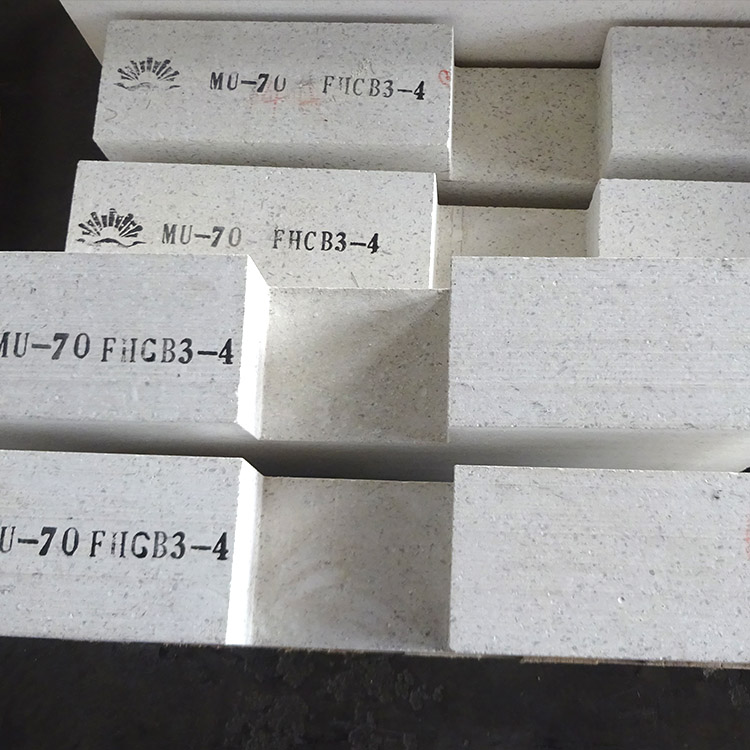
The unique combination of low thermal expansion and high mechanical strength makes these bricks ideal for several critical industrial applications:
Used in blast furnace hearths, ladle linings, and continuous casting tundishes, where temperature cycling is frequent and mechanical stress is high. Field data shows service life extensions of 30-40% compared to traditional high-alumina bricks.
Ideal for glass furnace regenerators and tank crowns, where low thermal expansion minimizes cracking and reduces heat loss by up to 15%, contributing to significant energy savings.
Valuable in reactor linings and catalytic cracking units, providing excellent resistance to chemical attack and thermal shock in processes operating between 800°C and 1600°C.
The energy efficiency benefits of low thermal expansion cast mullite bricks should not be underestimated. Their low thermal conductivity reduces heat loss through furnace walls, potentially lowering fuel consumption by 8-12% in continuous operation—an important consideration in today's sustainability-focused industrial landscape.
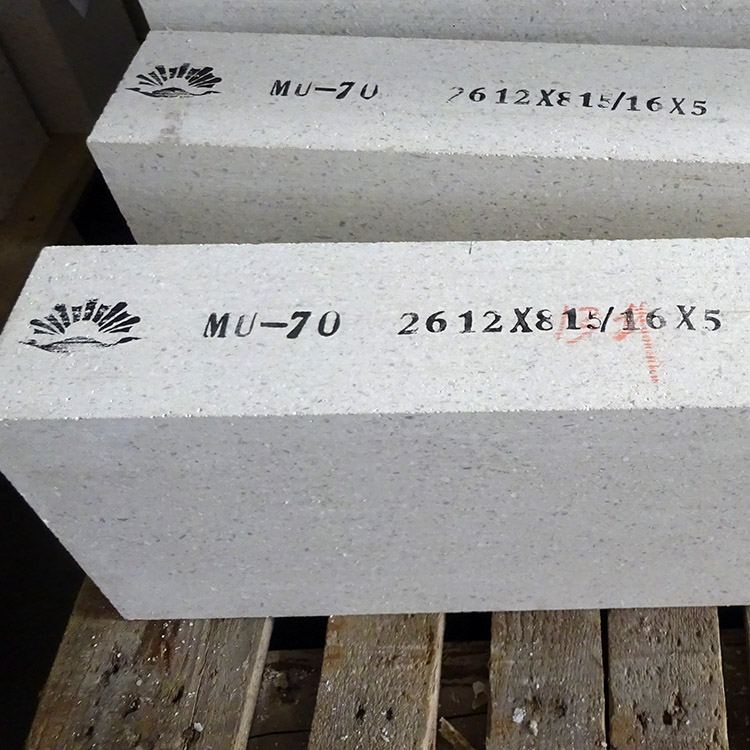
When specifying low thermal expansion cast mullite bricks, consider not just initial material costs but the total cost of ownership. A slightly higher upfront investment often yields significant returns through extended service life, reduced downtime, and energy savings.
Key selection factors include operating temperature range, thermal cycling frequency, chemical environment, and mechanical load requirements. Reputable manufacturers like Sunrise provide comprehensive technical support, including material selection guidance and performance testing data to ensure optimal lining design.
Download our comprehensive technical whitepaper "Advanced Refractory Solutions for Energy-Efficient High-Temperature Operations" to discover:
For specific application requirements or to discuss custom formulations, industry professionals are encouraged to consult with refractory engineering specialists who can provide tailored solutions based on your unique operational challenges and performance goals.



.jpg?x-oss-process=image/resize,h_1000,m_lfit/format,webp)