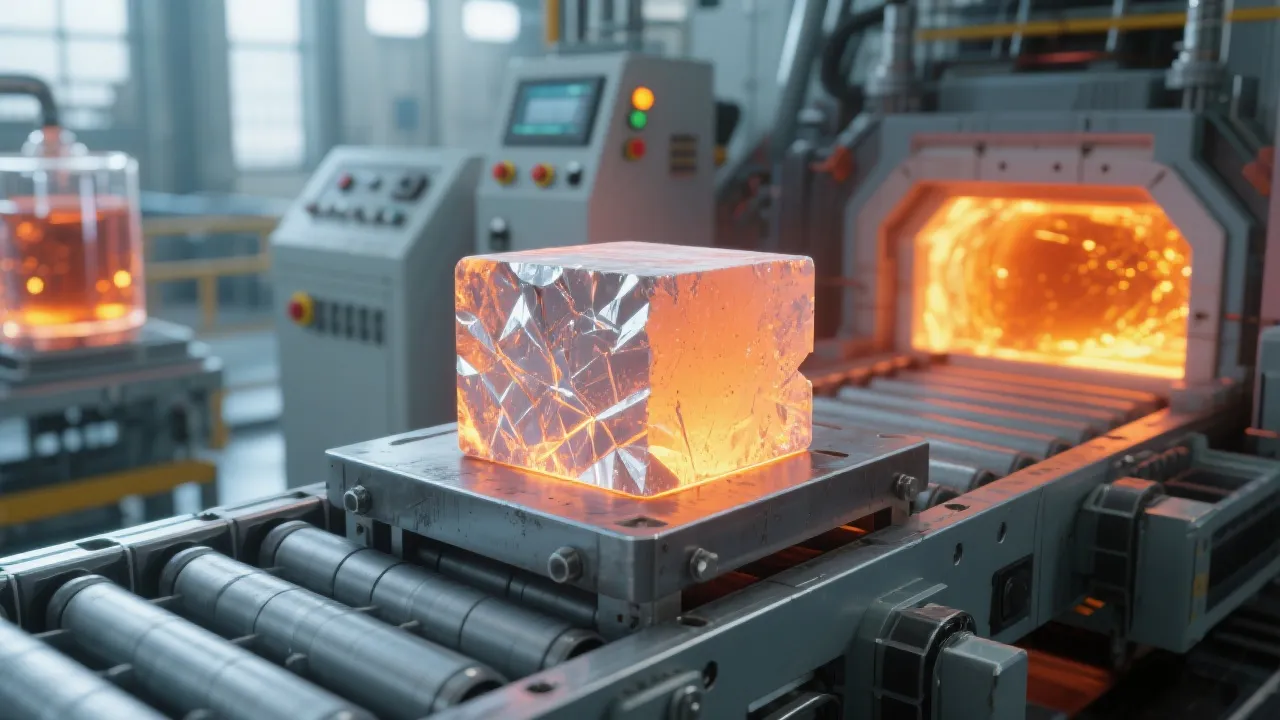
Selecting Highly Compatible Mullite-Shaped Products for Optimal Glass Production Equipment Performance
23 12,2025
Purchasing Decisions
As the glass industry strives to balance production efficiency and cost control, mullite-shaped bricks emerge as a critical material due to their outstanding thermal shock resistance and superior corrosion resistance against molten glass. This article explores the diverse forms of mullite-shaped products and analyzes their adaptability advantages in key glass production equipment such as feed systems and drawing pipes. It further elaborates on how these materials extend equipment lifespan and reduce maintenance frequency, maximizing production benefits. Offering practical guidance for purchasing decision-makers, the article helps enterprises scientifically evaluate and select products that support stable and efficient glass manufacturing. For in-depth product details and case studies, readers are invited to visit our website.

Optimizing Glass Production Efficiency: Selecting Versatile Mullite Shaped Products for Industrial Furnaces
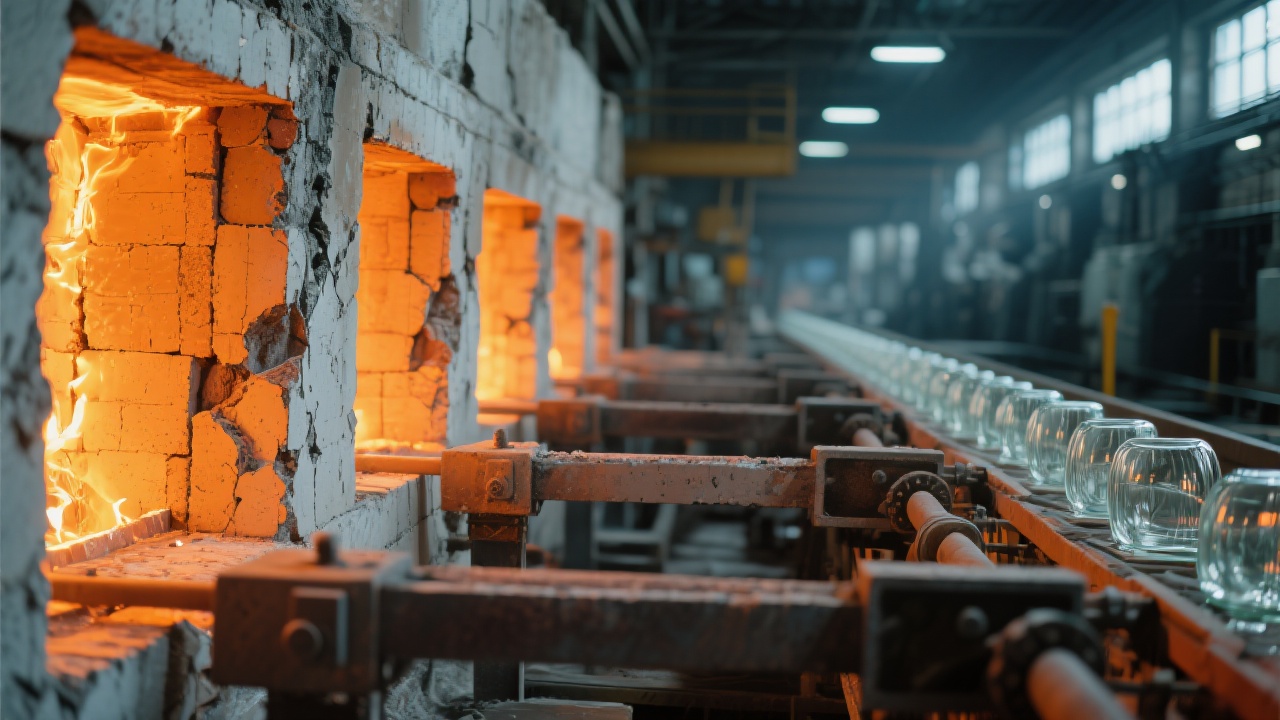
In the fiercely competitive glass manufacturing sector, balancing high production efficiency while controlling operational costs has never been more critical. A cornerstone to achieving this equilibrium lies in the refractory materials that line and protect glass melt and forming equipment — particularly mullite shaped products. Known for their superior thermal shock resistance and corrosion resistance against molten glass, these specialized refractories are driving a new standard of durability and reliability across feeders, feeder tubes, and glass drawing machinery.
Understanding Mullite Shaped Products and Their Physical Advantages
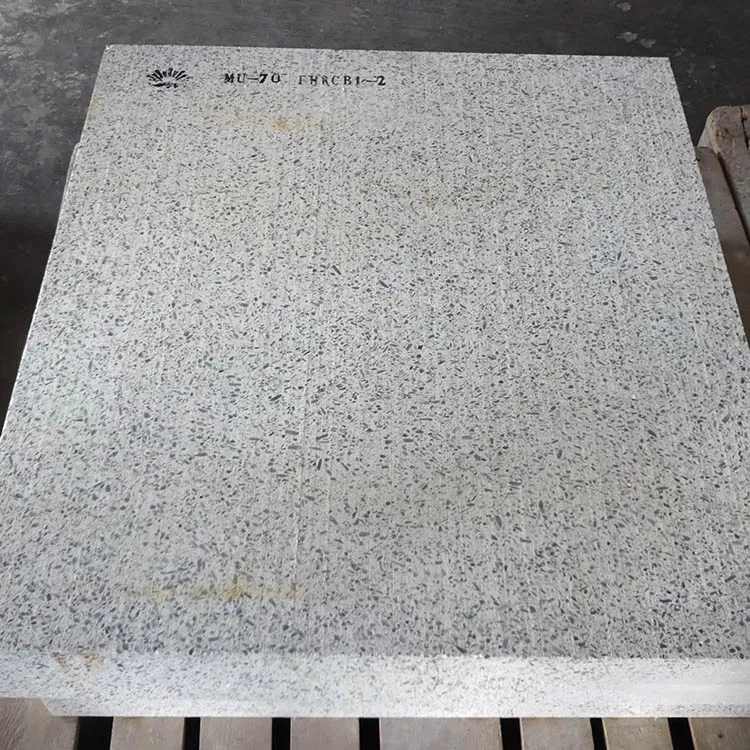
Mullite, a high-purity aluminosilicate compound (3Al2O3·2SiO2), exhibits an exceptional combination of properties crucial for high-temperature glass production environments. Its unique physicochemical properties include:
- Thermal Shock Stability: Withstand rapid temperature changes exceeding 1200°C without crack formation, significantly reducing downtime due to refractory failure.
- High Resistance to Molten Glass Erosion: Maintains structural integrity even after prolonged exposure to aggressive molten glass, extending service life by as much as 30% over conventional fireclay bricks (industry data).
- Mechanical Strength at Elevated Temperatures: Superior load-bearing capacity ensures operability under demanding conditions, minimizing deformation risks during continuous production runs.
Versatile Product Morphologies Enhancing Equipment Compatibility
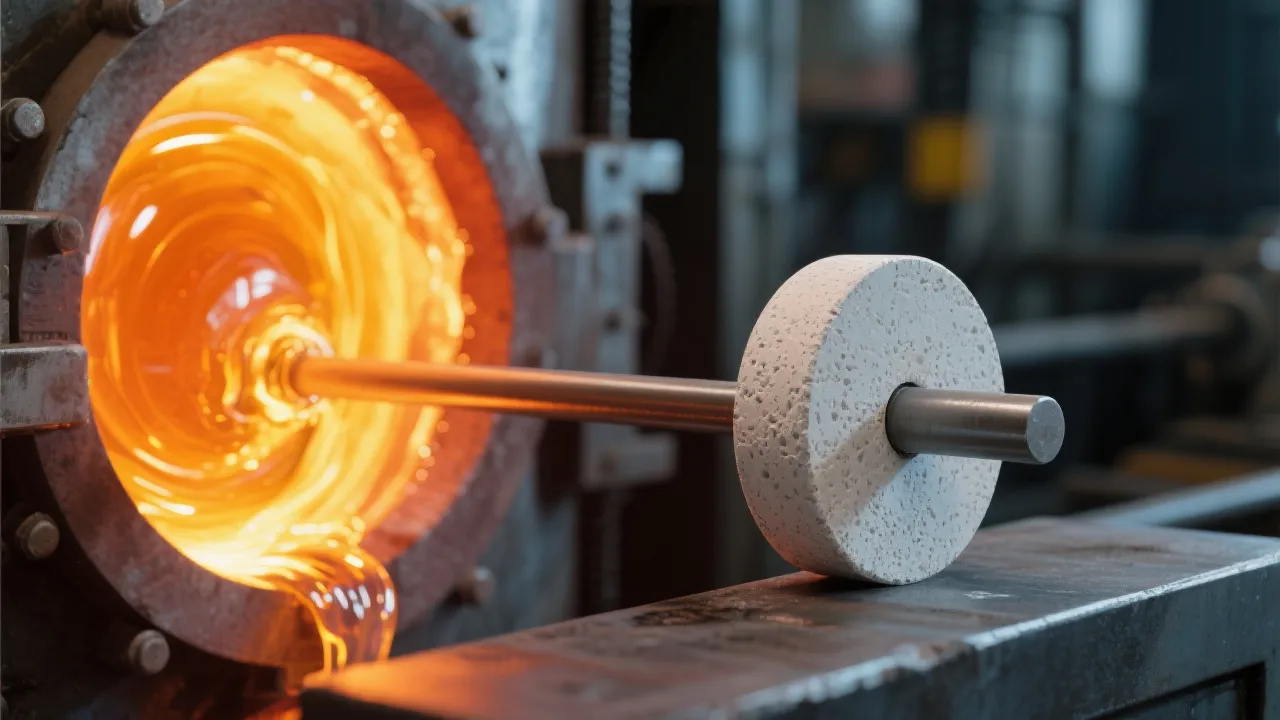
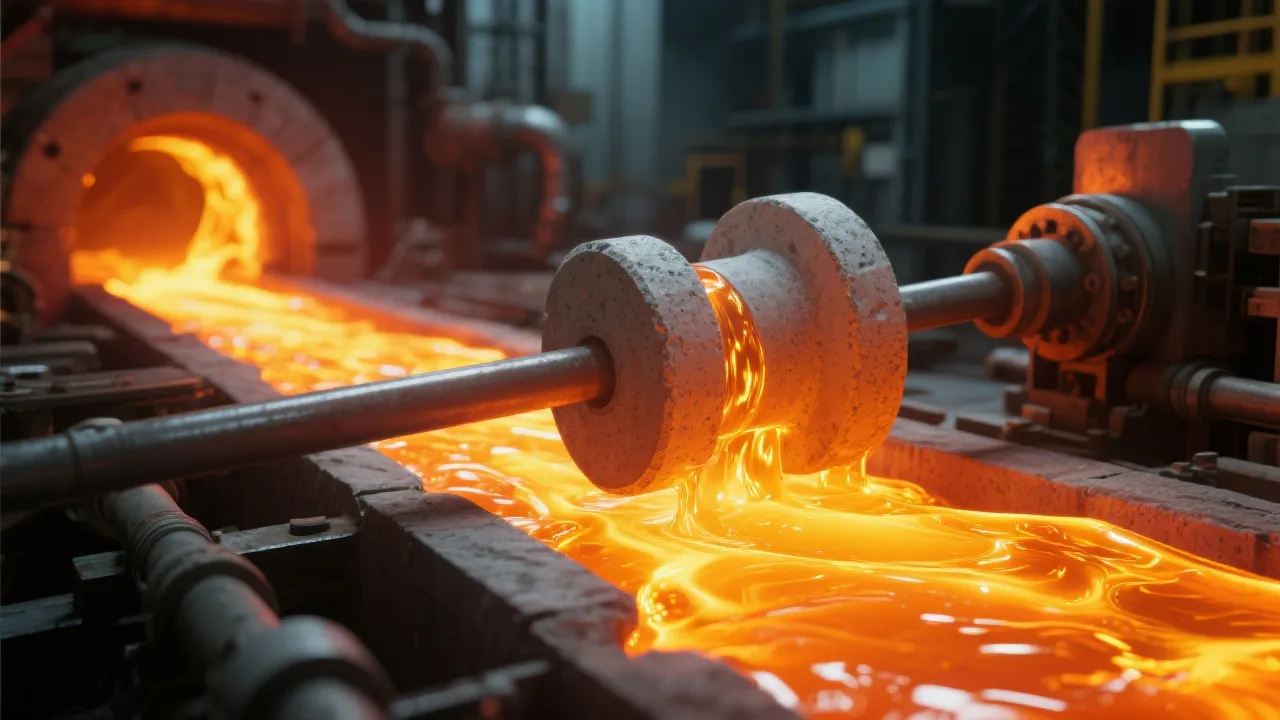
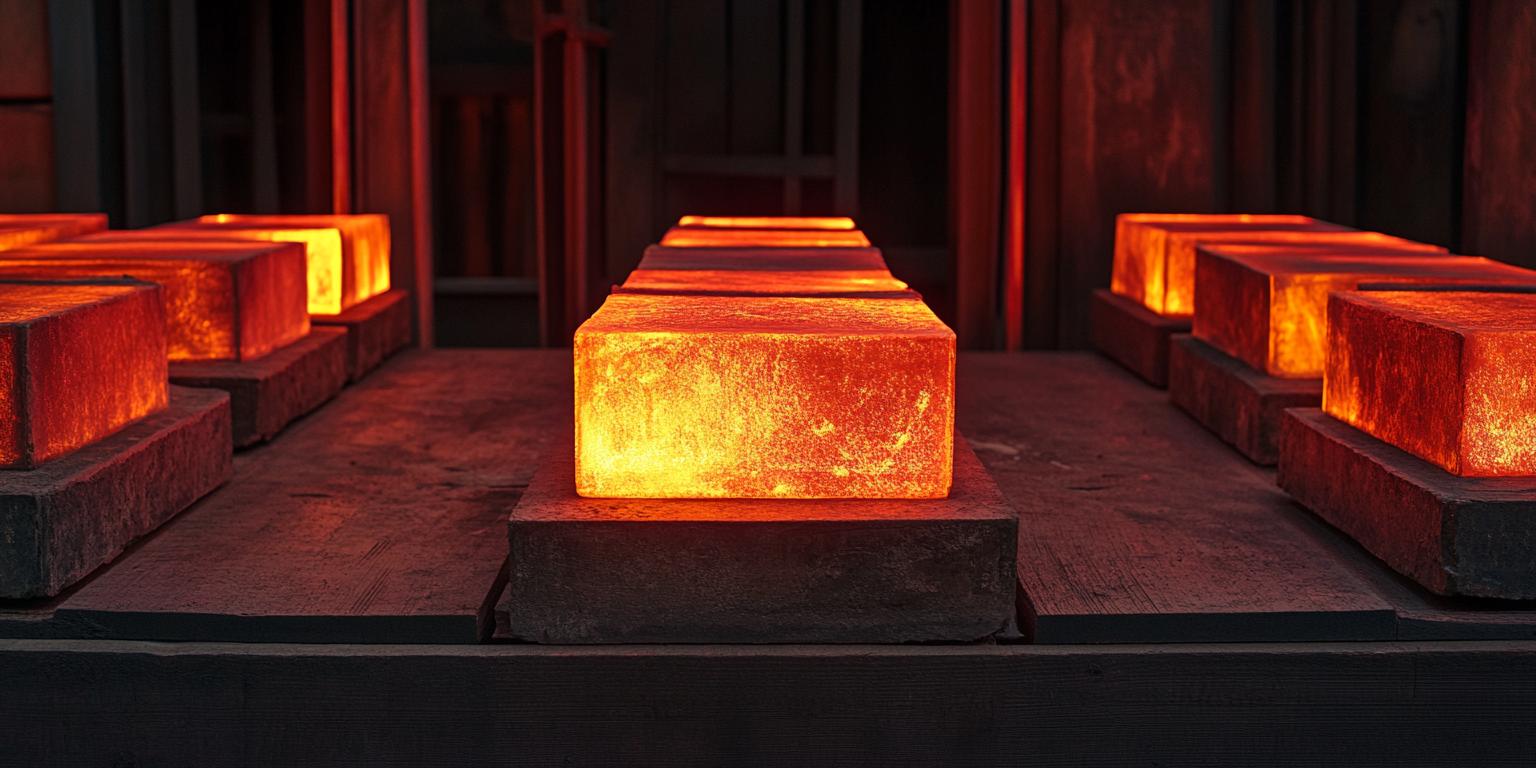
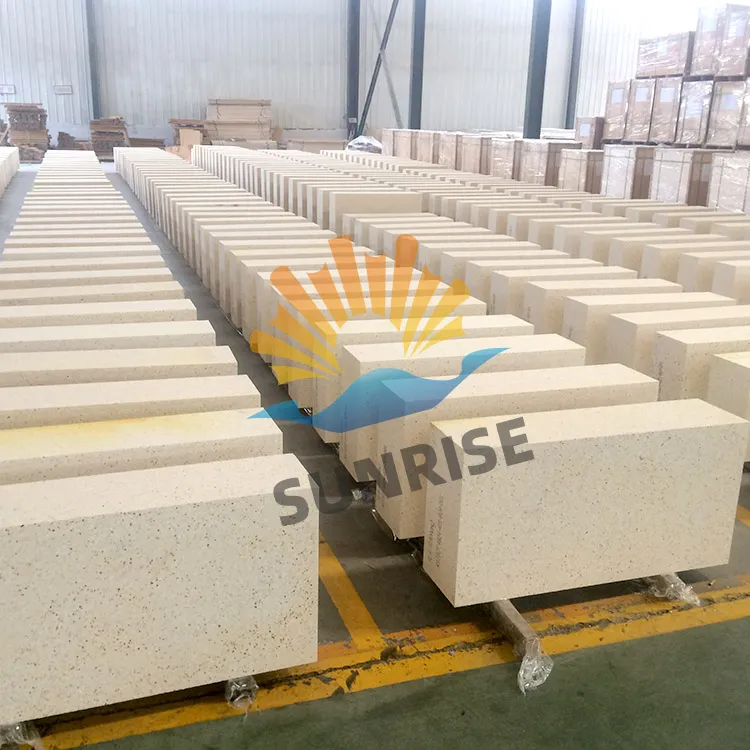
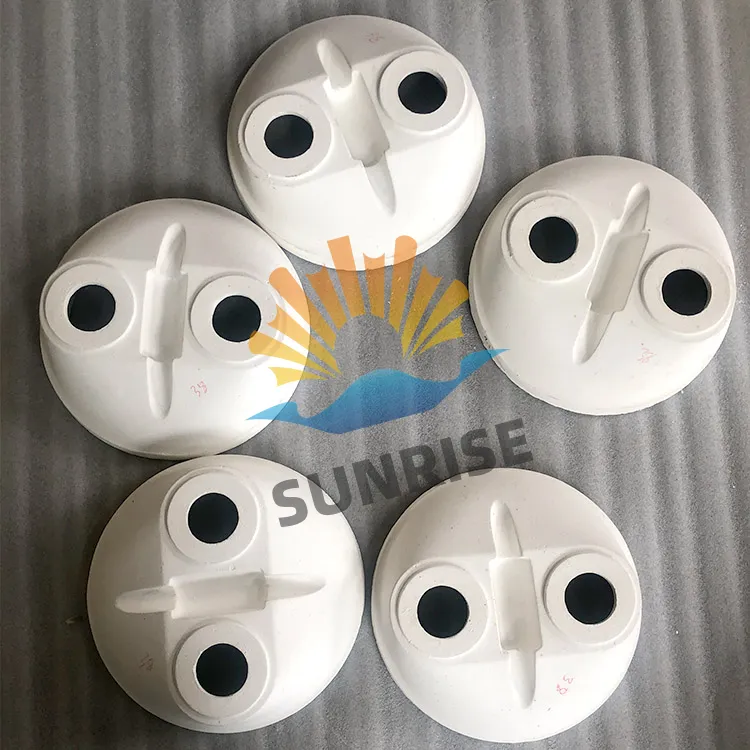
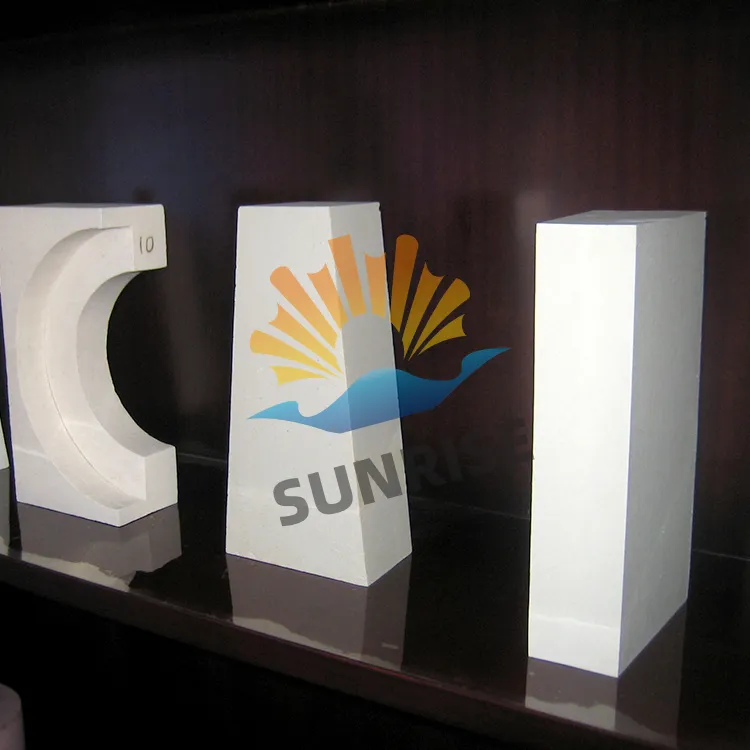
Mullite shaped bricks and components often come in custom-engineered forms, designed precisely to enhance compatibility with various glass production equipment such as feeders, feeder tubes, and drawing machines. These include:
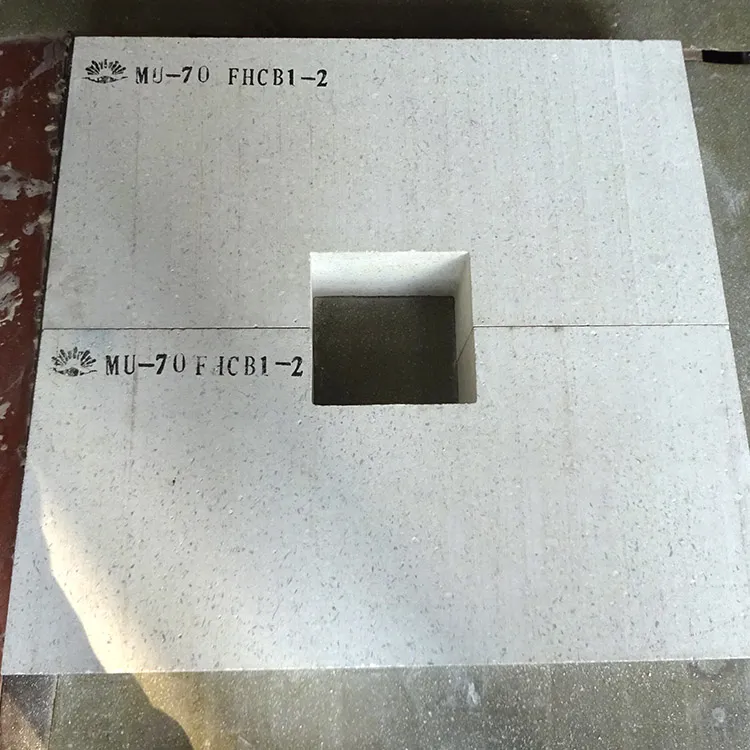
- Customized Channel Bricks: Precisely machined to ensure seamless integration with feeder channels, reducing thermal gaps and improving heat preservation.
- Complex Angled Bricks: Engineered to fit irregular geometries of drawing machines, maximizing refractory coverage while easing maintenance procedures.
- Interlocking Shapes: Designed to enhance structural stability and reduce joint wear during thermal cycling.
Impact on Equipment Lifespan and Maintenance Efficiency
Industry studies reveal that using tailored mullite shaped refractories can lengthen glass production equipment life by an average of 20-30%. This directly translates into fewer unplanned shutdowns for refractory replacement or repair and lowered maintenance costs.
By reducing the frequency of refractory failures, plants have documented up to 15% gains in overall equipment effectiveness (OEE) on critical units such as feeder systems. Moreover, improved thermal insulation properties help lower energy consumption by maintaining optimal temperature consistency.
Guidelines for Assessing Product Suitability During Procurement
For procurement professionals and technical decision-makers aiming to select the most suitable mullite shaped products, a strategic assessment protocol is invaluable:
- Verify Material Specifications: Ensure the product meets or exceeds standardized thermal shock resistance benchmarks (e.g., ASTM C1104) applicable to your operational temperatures.
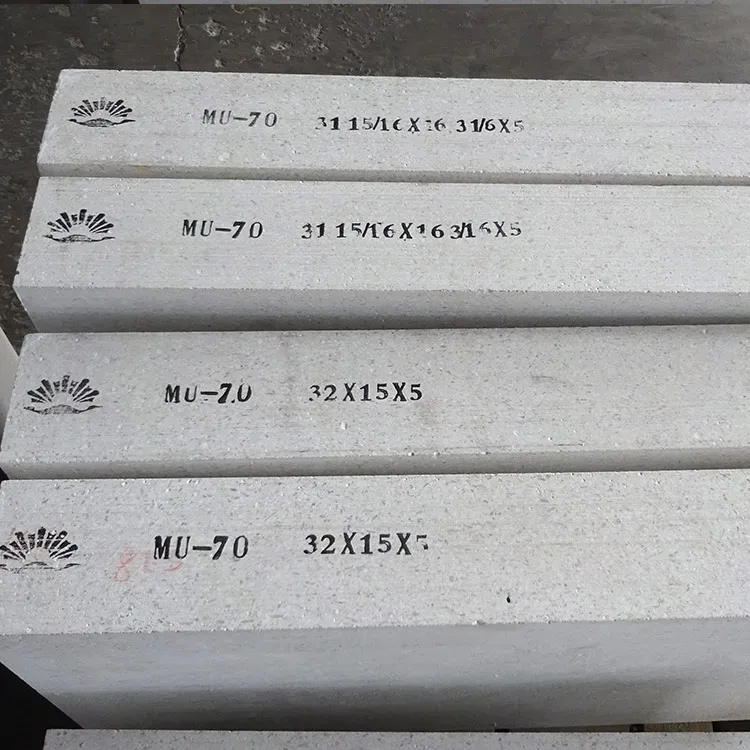
- Match Geometry and Dimensional Tolerances: Confirm the availability of custom shapes that conform to your specific feeder or drawing machine designs to minimize installation complexity.
- Review Performance Validation Documents: Request real-world case studies or third-party test results demonstrating erosion resistance and lifespan metrics in conditions simulating your glass compositions.
- Evaluate Supply Chain Reliability: Prioritize suppliers with proven track records in timeliness, consistent quality, and after-sales technical support.
"Implementing accurately matched mullite shaped bricks transformed our feeder system’s reliability, reducing maintenance downtime by over 25% during the past fiscal year," shared a production engineer at a major European glass manufacturer.
Future Trends and Industry Outlook
As global glass producers push towards sustainability and energy efficiency, refractory materials will increasingly incorporate higher mullite content tailored in precision shapes. Integration with Industry 4.0 diagnostics for predictive maintenance is also emerging, where refractory degradation data can optimize replacement timing—maximizing throughput without compromising equipment health.
For corporations seeking robust solutions to advance their glass production equipment capabilities, mullite shaped refractories represent a strategic investment. Their multi-dimensional benefits position manufacturers for operational excellence amidst evolving industrial demands.



.jpg?x-oss-process=image/resize,h_1000,m_lfit/format,webp)