
In today's competitive glass manufacturing industry, reducing downtime and improving furnace longevity are critical to maintaining profitability. Mullite shaped products—engineered refractory components tailored for glass production—offer exceptional thermal shock resistance and superior molten glass corrosion protection. These qualities contribute significantly to extending equipment life, minimizing maintenance frequency, and ultimately lowering operational costs.
The glass industry faces rising raw material prices and energy expenses, alongside increasing demands for higher throughput and quality consistency. Traditional refractory materials often fall short in withstanding the severe thermal cycles and corrosive environments in furnaces and feeder systems, leading to frequent repairs and unexpected downtimes that drive up production costs by up to 15%. This scenario necessitates innovative solutions that can improve equipment durability without compromising process efficiency.
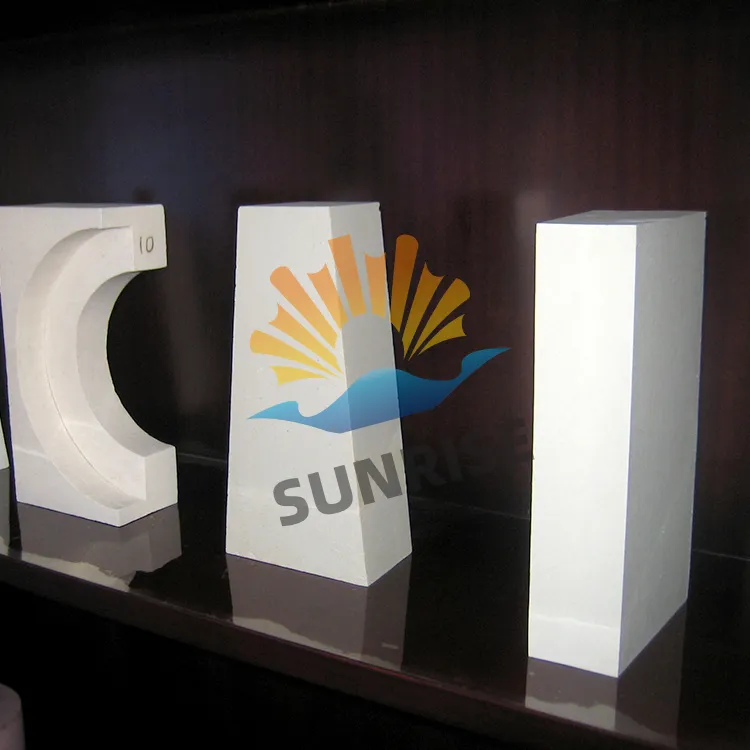
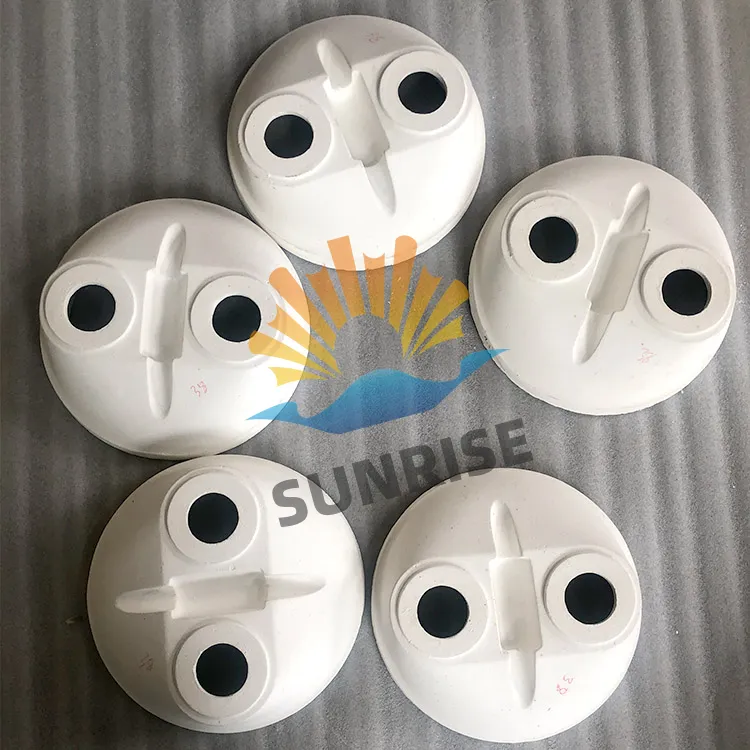
Mullite’s unique chemical composition grants its shaped bricks, nozzles, stirring plugs, pipes, and nozzle covers outstanding features:
For instance, tests indicate mullite nozzles exhibit 35% greater lifespan compared to traditional alumina-based components under identical operating conditions.*
The practical application of mullite shaped products in feeder apparatus and drawing machines can be broken down as follows:
Positioned at the interface between molten glass and the production environment, nozzles and their peripheral rings are exposed to intense heat and chemical attack. Mullite nozzles alleviate frequent clogging and corrosion problems, leading to a 20% increase in continuous operating hours before maintenance.
These components ensure uniform glass flow and temperature distribution. Mullite stirrers maintain structural integrity even after prolonged exposure to volatile thermal cycles, preventing costly production deviations.
Pipes crafted from mullite significantly reduce wear from abrasive glass batches. Coupled with high-performance nozzle covers, they contribute to optimized furnace atmosphere control and prevent glass leaks, further improving yield.
A major European glass manufacturer replaced its conventional components with mullite shaped products across its feeder units. Over a 12-month period, the client reported a 25% reduction in furnace downtime and a 15% decrease in refractory maintenance costs. These gains translated to an estimated annual savings exceeding $450,000 and reinforced production stability.
While the initial investment in mullite shaped bricks may be moderately higher compared to standard fireclay or alumina-based materials, the total cost of ownership overwhelmingly favors mullite. The extended lifecycle and lowered maintenance frequency reduce indirect costs such as labor, lost production time, and quality downgrades.
| Material | Thermal Shock Resistance | Erosion Resistance (hrs) | Maintenance Frequency |
|---|---|---|---|
| Mullite | Very High | 1500+ | Low (6-9 months) |
| Alumina | Moderate | 1000-1200 | Moderate (4-6 months) |
| Fireclay | Low | 700-900 | High (3-4 months) |
Integrating mullite shaped products into your production line is a strategic decision that aligns with the growing emphasis on sustainability and cost efficiency in glass manufacturing. By adopting these advanced refractory components, enterprises can boost furnace uptime, improve glass quality, and achieve measurable cost savings without compromising operational intensity.
 <#else>


