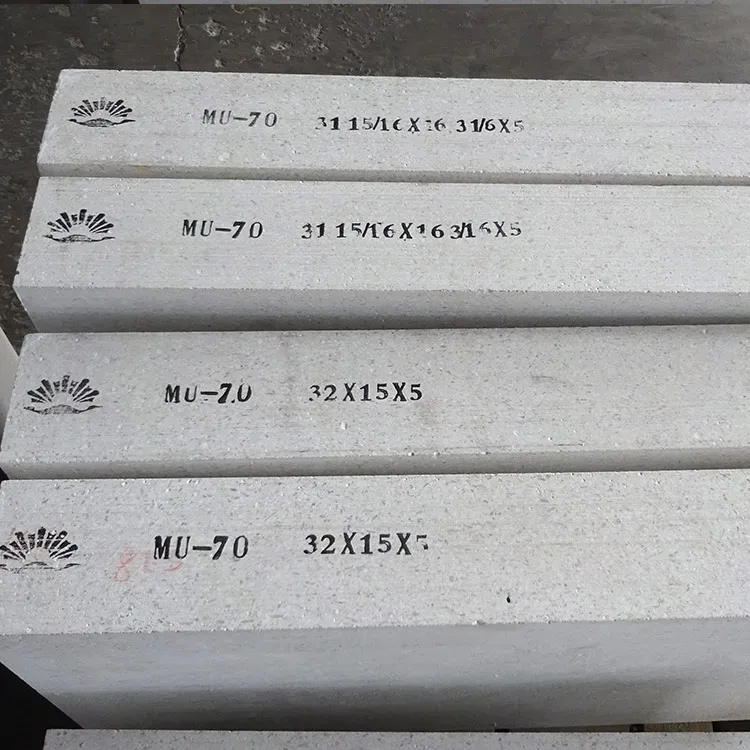
In the face of rising production costs and increasing pressure to optimize operational efficiency, glass manufacturers worldwide are transitioning away from traditional refractory materials in favor of mullite shaped refractory products. These advanced materials—including nozzles, nozzle rings, stirrers, plugs, and nozzle caps—offer superior thermal shock resistance and enhanced corrosion resistance against molten glass, driving significant reductions in maintenance frequency and overall production downtime.
The global glass industry is grappling with escalating energy and raw material costs, tighter production tolerances, and stricter product quality requirements. Traditional refractories, typically based on fireclay or high alumina compositions, suffer from accelerated degradation when exposed to cyclic thermal shocks and molten glass abrasions. This results in frequent equipment replacement, increased maintenance costs, and unplanned downtime that collectively inflate operating expenses by up to 12-15%.
To maintain competitive manufacturing costs and enhance equipment uptime, decision makers in glass plants seek refractory solutions that deliver:
– Exceptional thermal shock stability to withstand rapid temperature variations
– High resistance to slag and molten glass corrosion
– Extended service life to reduce replacement frequencies
– Compatibility with existing glass feeding and drawing machinery
Mullite, a crystalline phase of aluminosilicate (3Al₂O₃·2SiO₂), exhibits thermal properties making it uniquely suited for harsh refractory applications. Its inherent qualities allow manufacturers to realize measurable improvements:
These improvements not only limit costly shutdowns but also directly contribute to lower maintenance budgets and increased productivity.
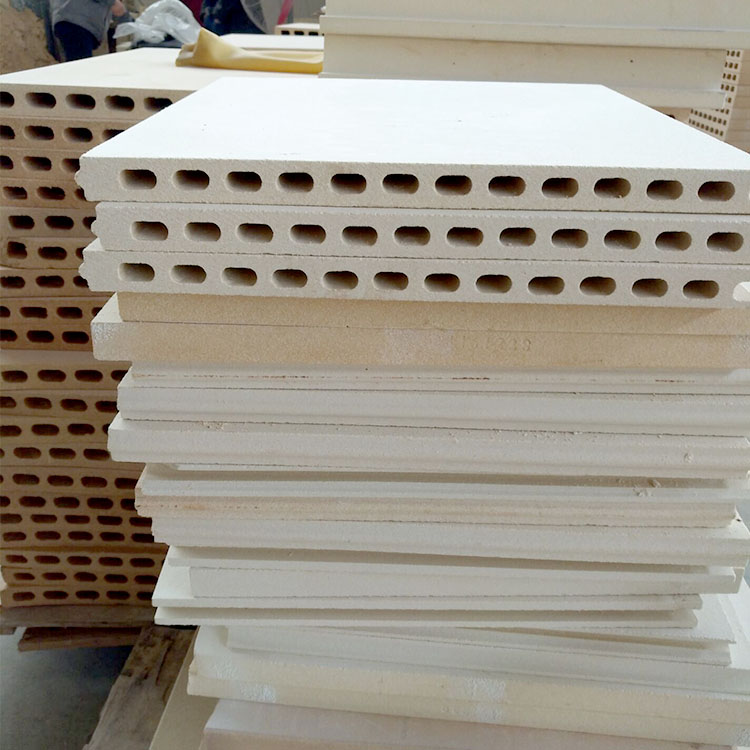
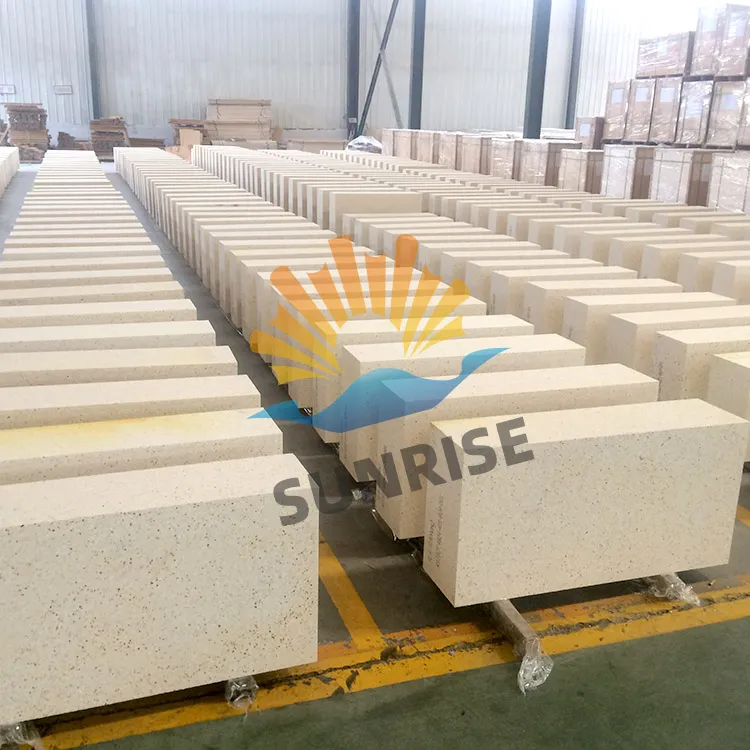
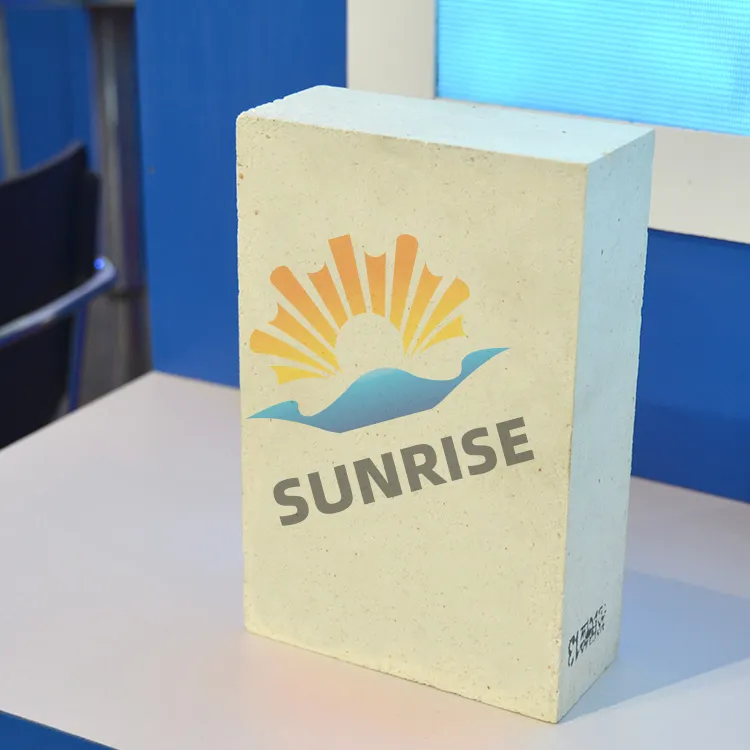
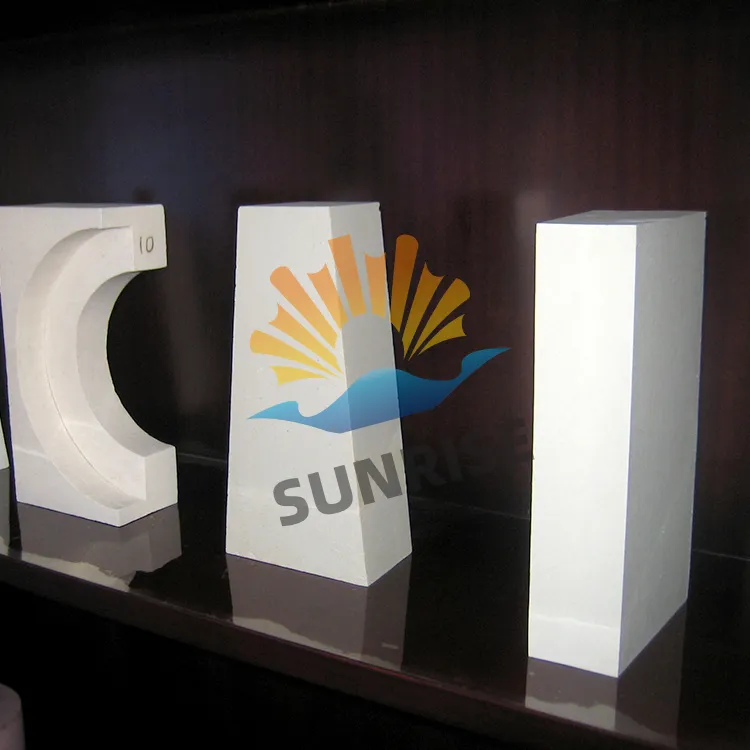
Mullite shaped products have been engineered into various critical components within the glass manufacturing process:
When applied in glass feed equipment and drawing machines, these components help extend the operational lifespan from an average of 10,000 hours with conventional refractories to over 14,000 hours. This operational gain translates to a 20-30% reduction in maintenance cycles annually, enhancing overall throughput.
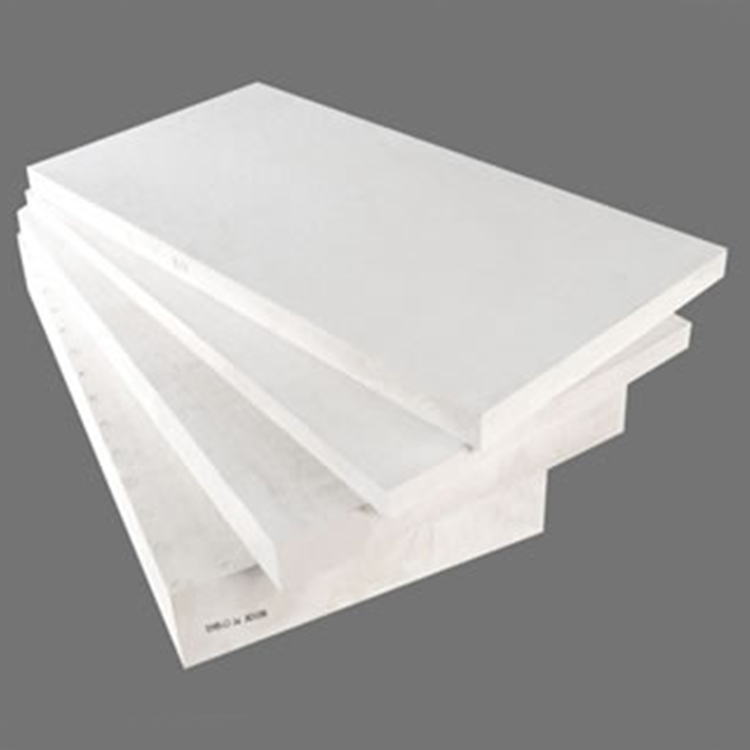
A leading European glass manufacturer recently integrated mullite shaped nozzles and rings into their supply chain and equipment. Over a 12-month monitoring period, they reported:
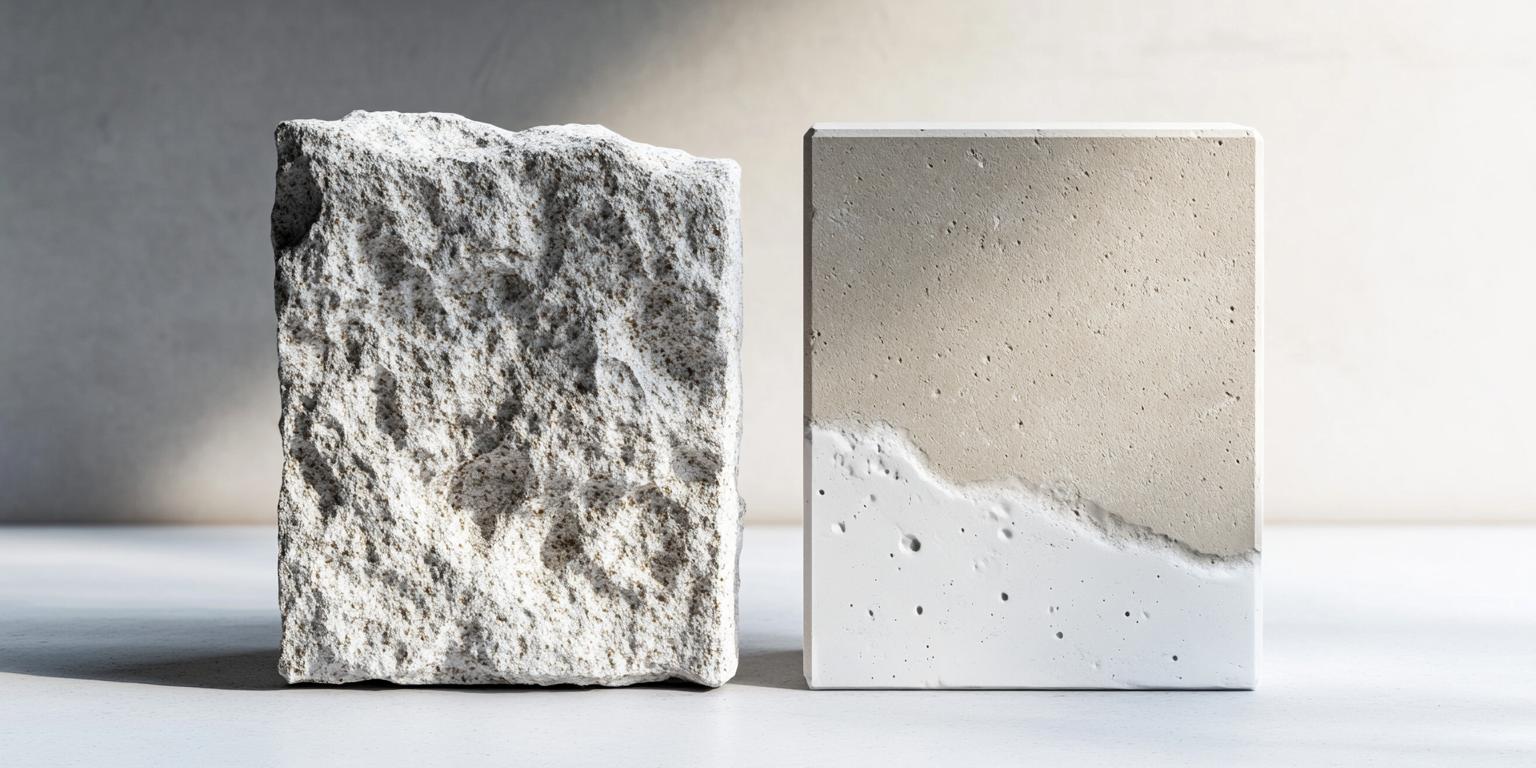
As the glass manufacturing landscape evolves, embracing advanced refractory technologies is critical for staying competitive. Mullite shaped refractory products deliver proven benefits through enhanced durability and lower maintenance demands, positioning your operations for sustainable growth and superior quality output.

.jpg?x-oss-process=image/resize,h_1000,m_lfit/format,webp)
.jpg?x-oss-process=image/resize,h_1000,m_lfit/format,webp)

.jpg?x-oss-process=image/resize,h_1000,m_lfit/format,webp)
.jpg?x-oss-process=image/resize,h_1000,m_lfit/format,webp)