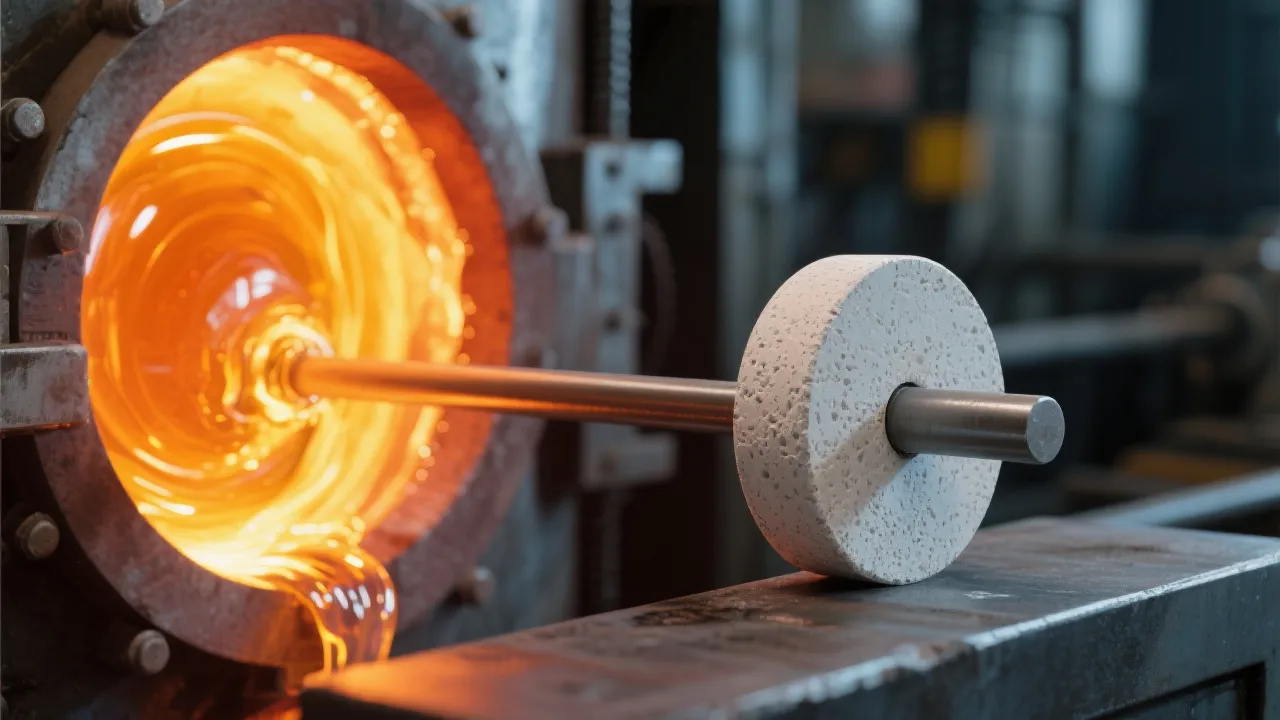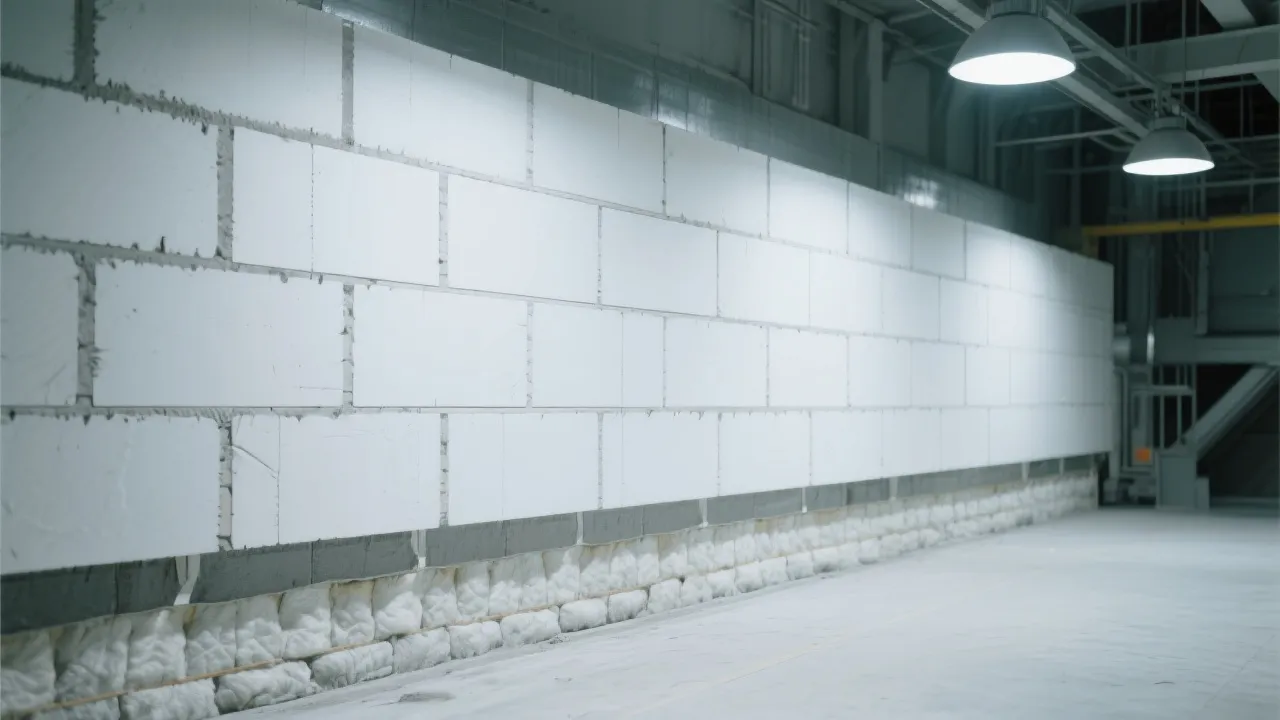
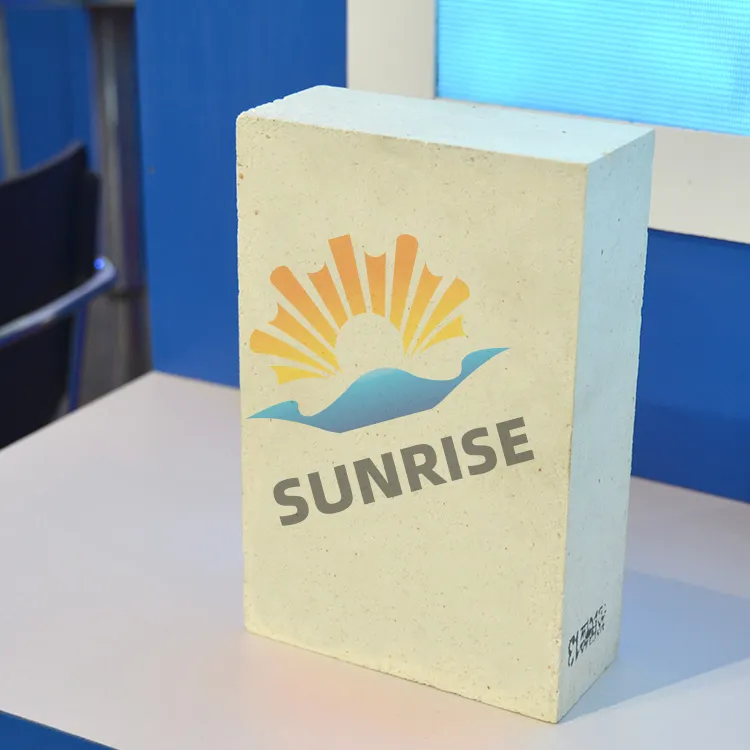
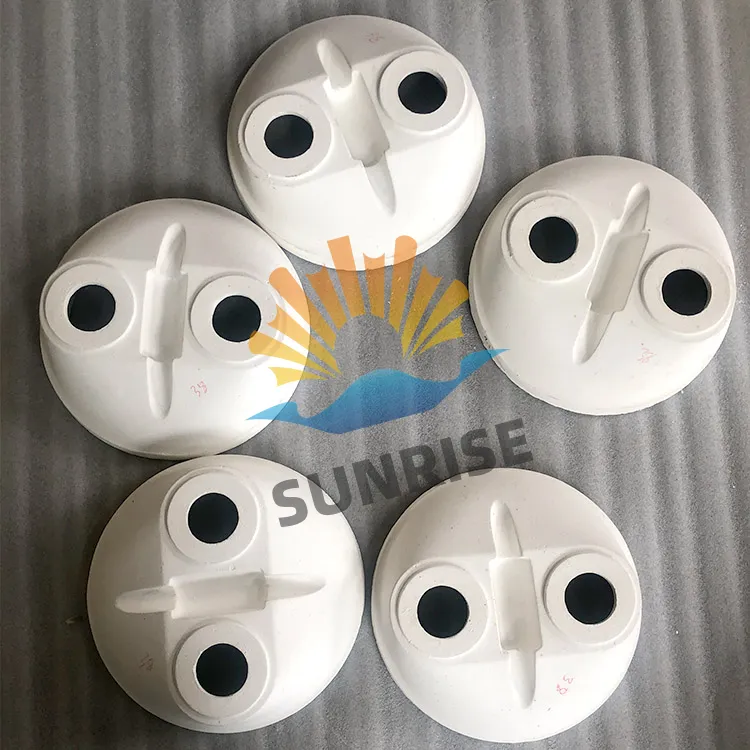
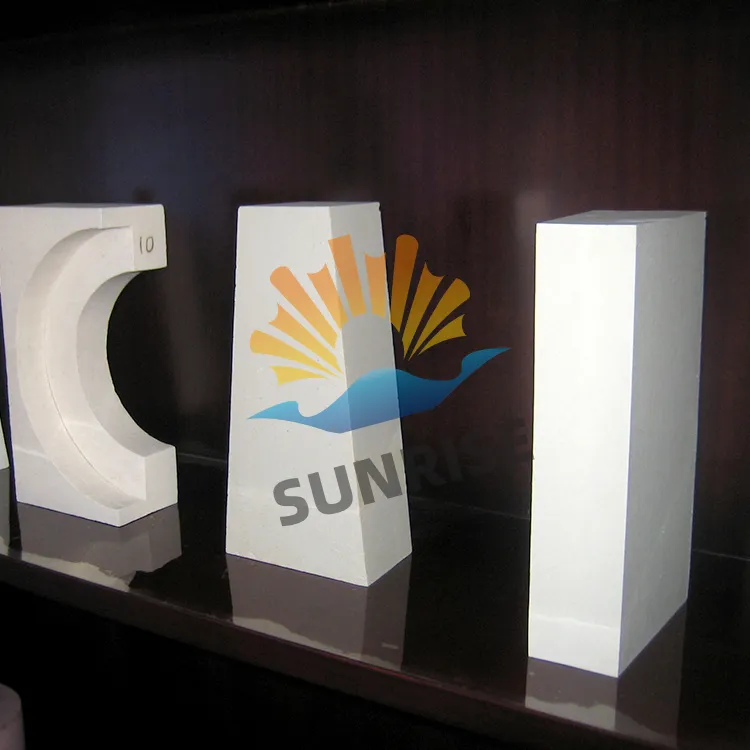
In the high-temperature environment of glass production, equipment wear is one of the biggest hidden costs for manufacturers. That’s where silicon carbide special-shaped bricks—especially those designed for critical components like feeders and drawing machines—make a real difference. These aren’t just refractory materials; they’re performance-driven solutions engineered to reduce downtime, lower maintenance costs, and improve process efficiency.
Silicon carbide (SiC) has long been known for its exceptional thermal conductivity and mechanical strength. But what truly sets it apart in glass manufacturing is its ability to withstand rapid temperature changes without cracking—a property called thermal shock resistance. According to industry tests from European glass producers, SiC products maintain structural integrity after over 500 cycles between 800°C and 1200°C, while traditional alumina-based bricks fail after just 150 cycles.
Additionally, when exposed to molten glass at temperatures above 1400°C, SiC resists chemical erosion far better than conventional materials. A case study from a Middle Eastern glass plant showed that using SiC nozzles reduced material loss by up to 70% compared to standard ceramic parts—an outcome directly tied to extended service life and fewer replacements.
These benefits translate into tangible improvements across key equipment:
One U.S.-based container glass manufacturer reported a 40% drop in unplanned maintenance events within six months of switching to SiC-based components. Their team also noted improved energy efficiency due to more stable operating conditions—a bonus often overlooked but critical for sustainability goals.
| Feature | Standard Alumina | Silicon Carbide (SiC) |
|---|---|---|
| Thermal Shock Cycles | ~150 | >500 |
| Molten Glass Erosion Rate | High | Low |
| Average Service Life | 6–8 weeks | 12–16 weeks |
This isn’t just about durability—it’s about smarter operations. Every week saved on maintenance means more time producing quality glass, fewer labor hours spent on repairs, and less waste from scrapped batches.
Ready to see how SiC can transform your glass production line? Let us show you real-world data from clients who’ve already made the switch—and explain how our custom-designed shapes can be integrated into your current setup without major disruption.



.jpg?x-oss-process=image/resize,h_1000,m_lfit/format,webp)

 <#else>