

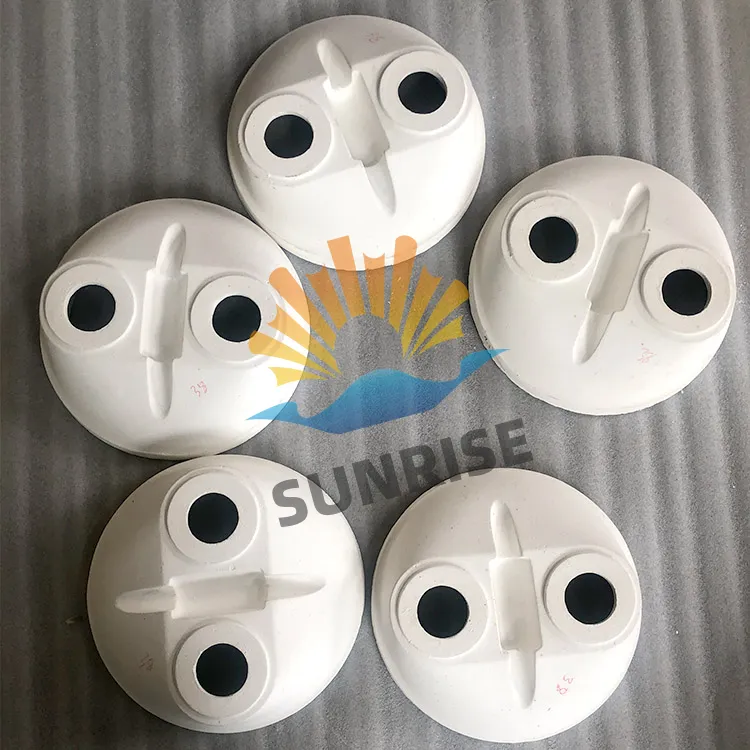
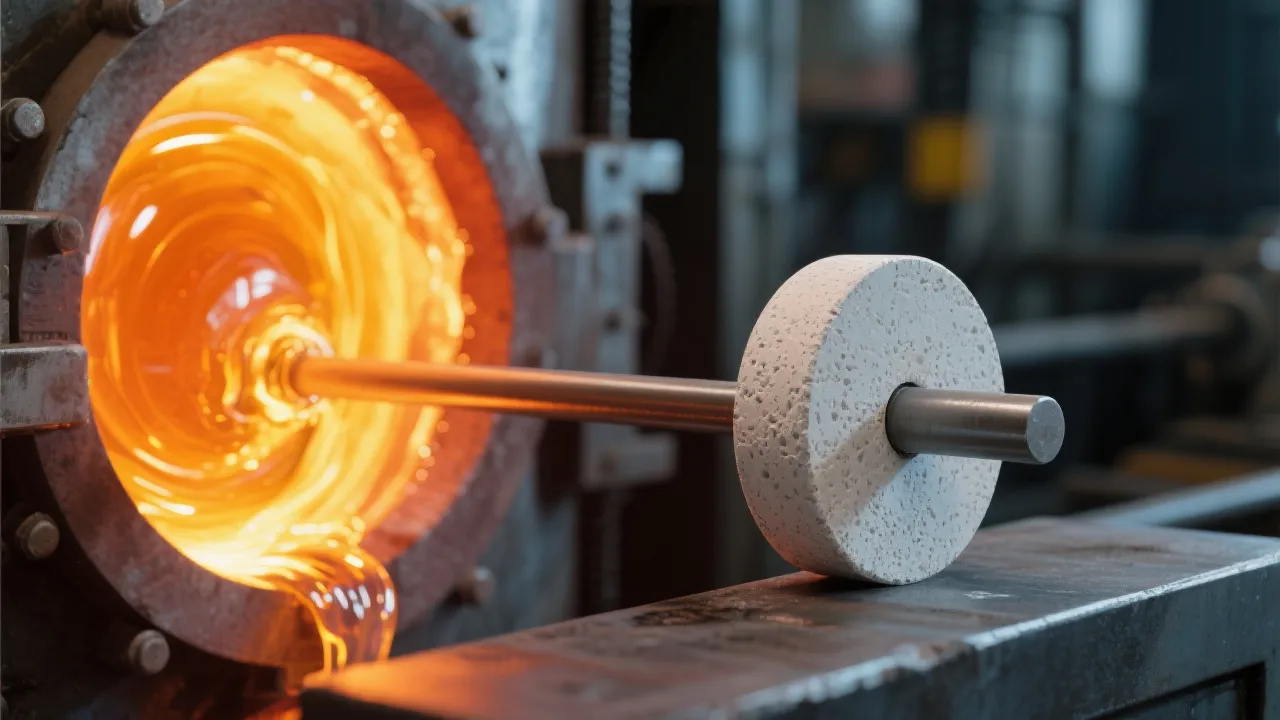
The glass manufacturing industry continuously faces significant challenges in balancing efficiency improvements with cost control. High-temperature environments demand materials capable of enduring thermal shocks and aggressive corrosion from molten glass. In this context, mullite shaped products have emerged as indispensable core components, prominently used in nozzles, plugs, pipes, and other critical equipment parts. Their unique combination of high thermal shock stability and resistance to molten glass corrosion provides a decisive advantage over traditional refractory materials.
Mullite, a compound of alumina and silica with a specific stoichiometric balance, exhibits a thermal expansion coefficient as low as 5-6×10⁻⁶/°C, significantly reducing the risk of cracking under rapid temperature fluctuations common in glass production. Experimental data demonstrates that mullite shaped bricks maintain structural integrity after exposure to over 100 thermal cycles between 1400°C and ambient temperature, outperforming conventional fireclay bricks by more than 50%. Additionally, its robust resistance to chemical attack by molten glass reduces material degradation rates by up to 30%, thereby extending service life.
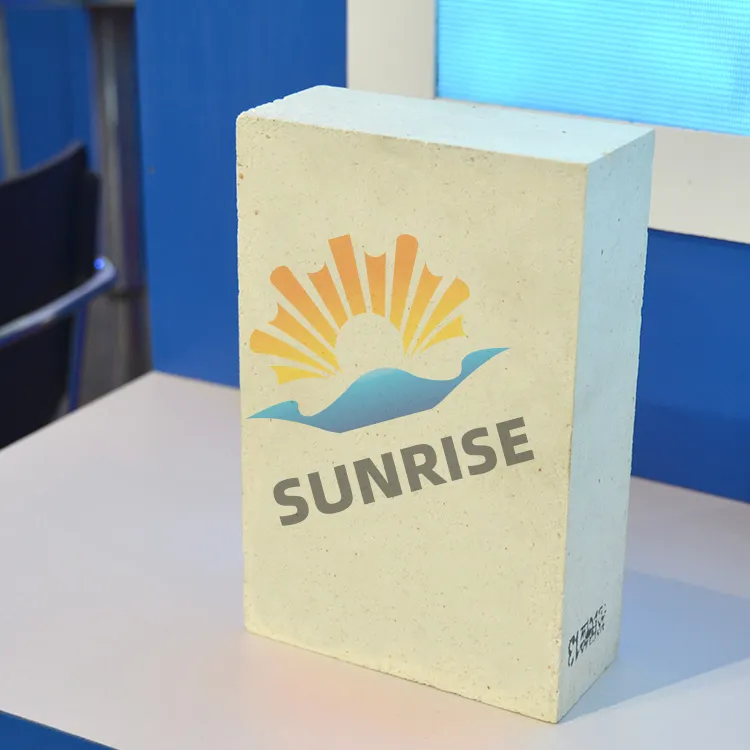
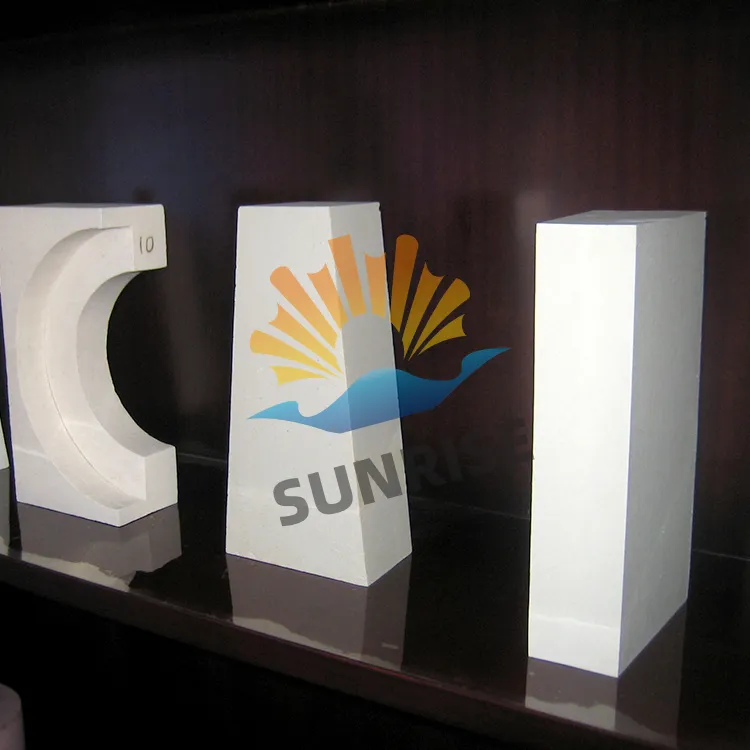
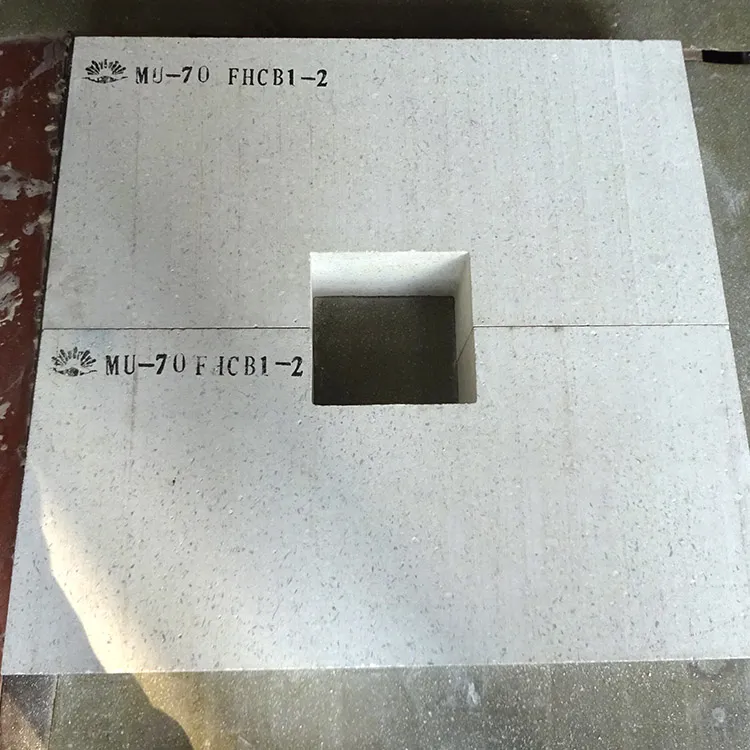
The design flexibility of mullite shaped products enables their fabrication into diverse geometries optimized for specific equipment parts:
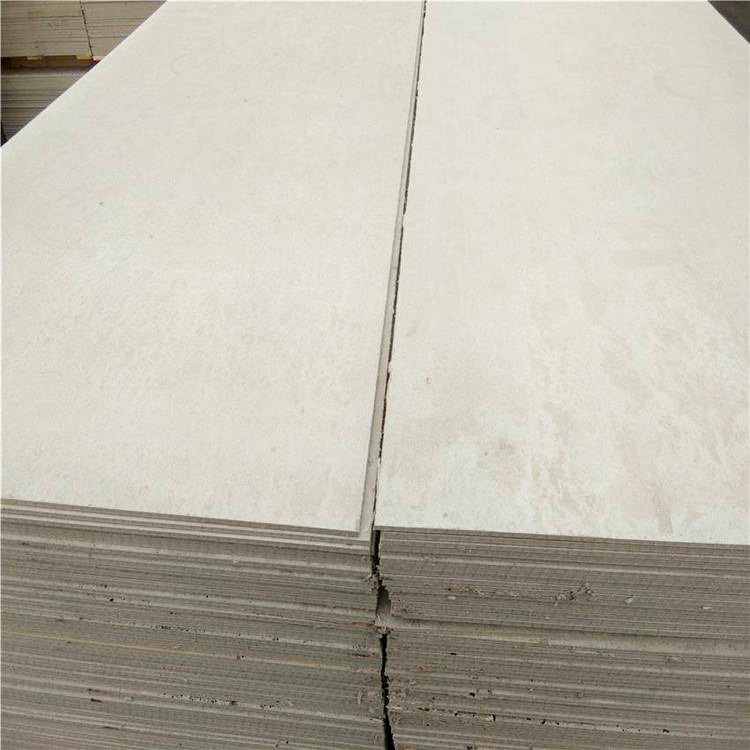
Advanced forming methods such as isostatic pressing and injection molding allow production of mullite parts with complex profiles ensuring tight dimensional tolerances within ±0.1 mm. These special shapes seamlessly integrate into various glass production devices, substantially reducing stress concentration points that could lead to early failure. As a result, equipment operating stability is enhanced, with reported uptime improvements of 12%-18%, directly contributing to increased yield.
Selecting mullite shaped products leads to quantifiable operational advantages:
| Performance Metric | Mullite Products | Traditional Materials |
|---|---|---|
| Thermal Shock Cycles (to failure) | 100+ | ~60 |
| Corrosion Rate (% weight loss per 1000 hrs) | <0.5% | >0.7% |
| Equipment Uptime Improvement | 12%-18% | Baseline |
| Maintenance Frequency Reduction | 25%-30% | Baseline |
For glass manufacturers navigating procurement decisions, evaluating mullite shaped products hinges on aligning material properties with operational demands:
Engaging with suppliers offering case-based consultations and prototype testing can significantly improve decision confidence.
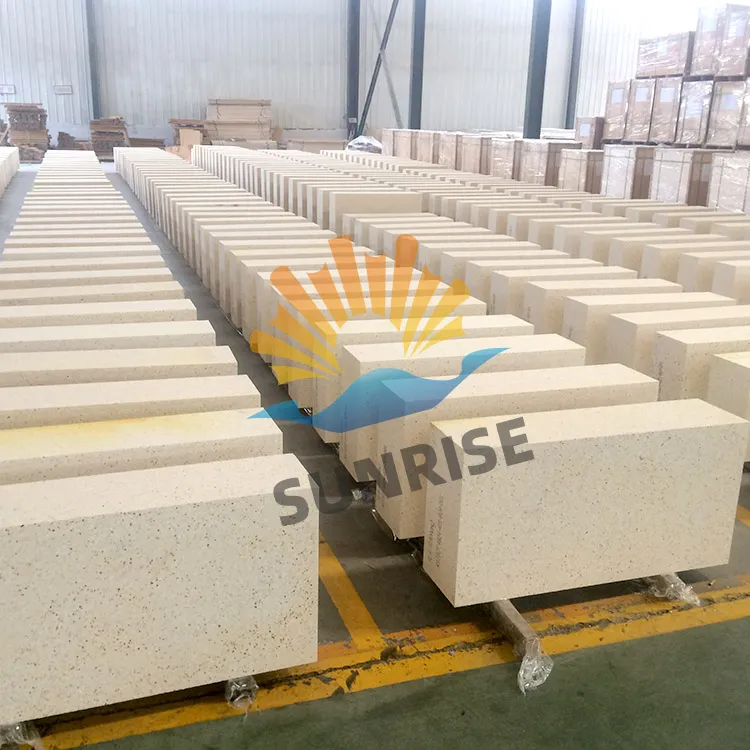

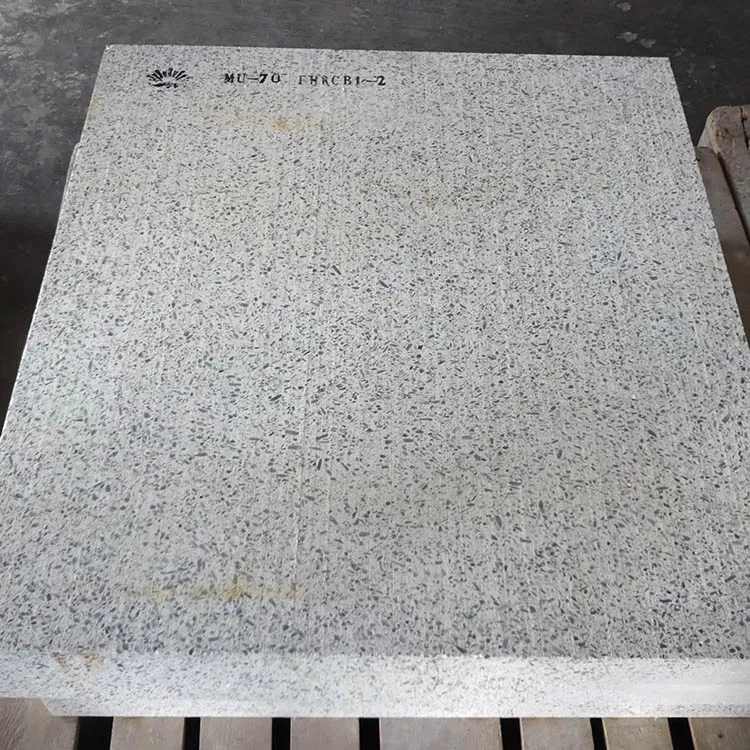
.jpg?x-oss-process=image/resize,h_1000,m_lfit/format,webp)
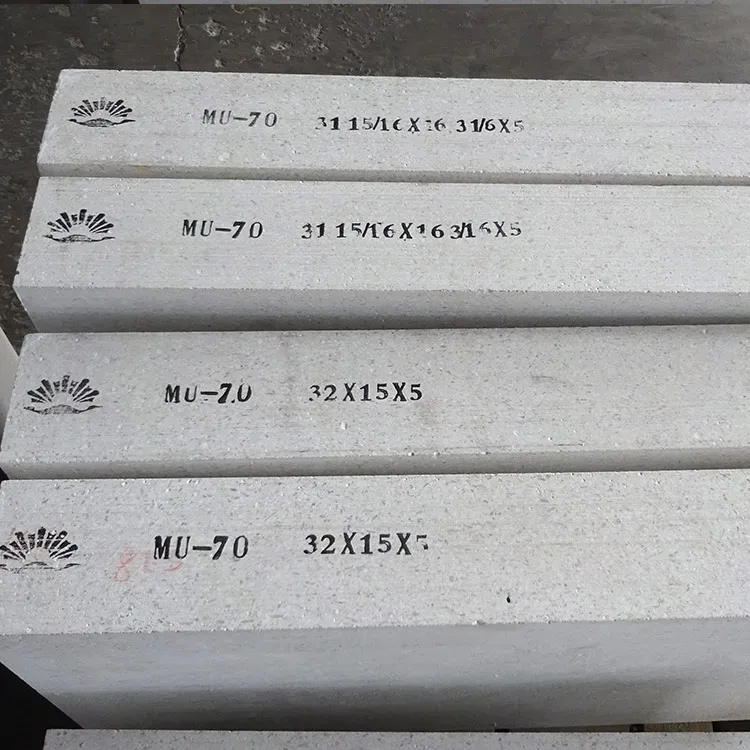


 <#else>


