

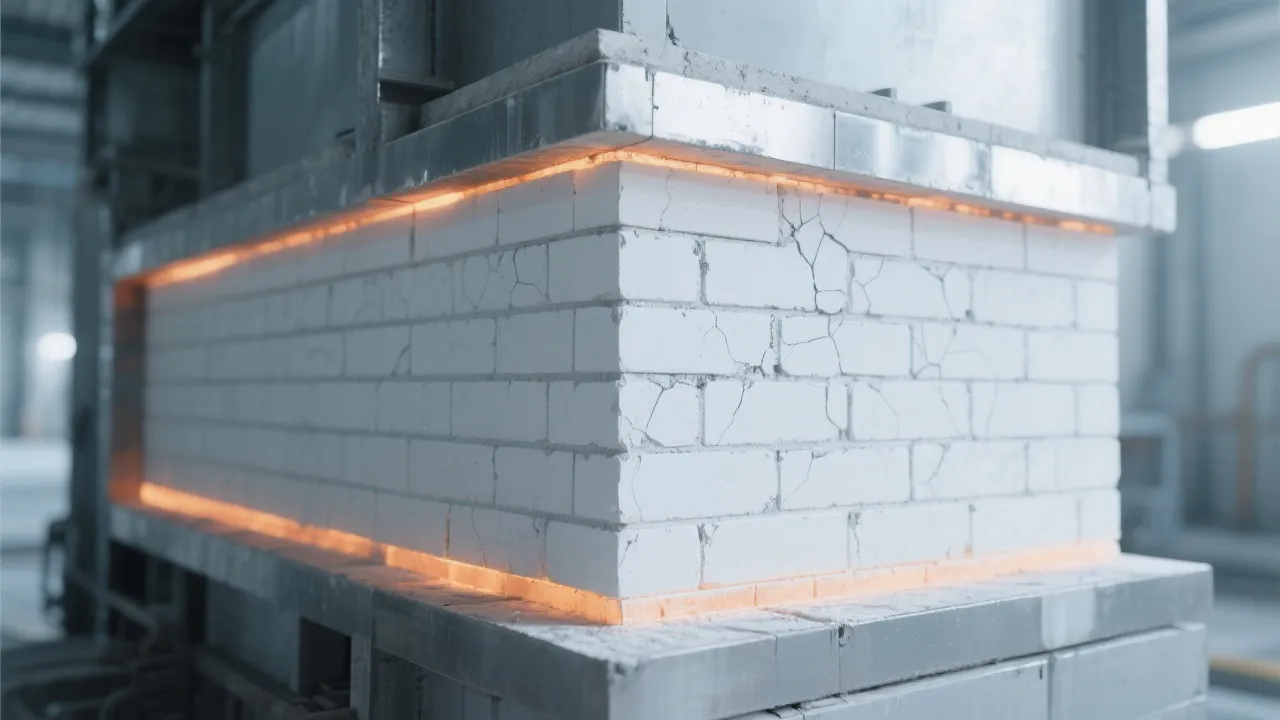
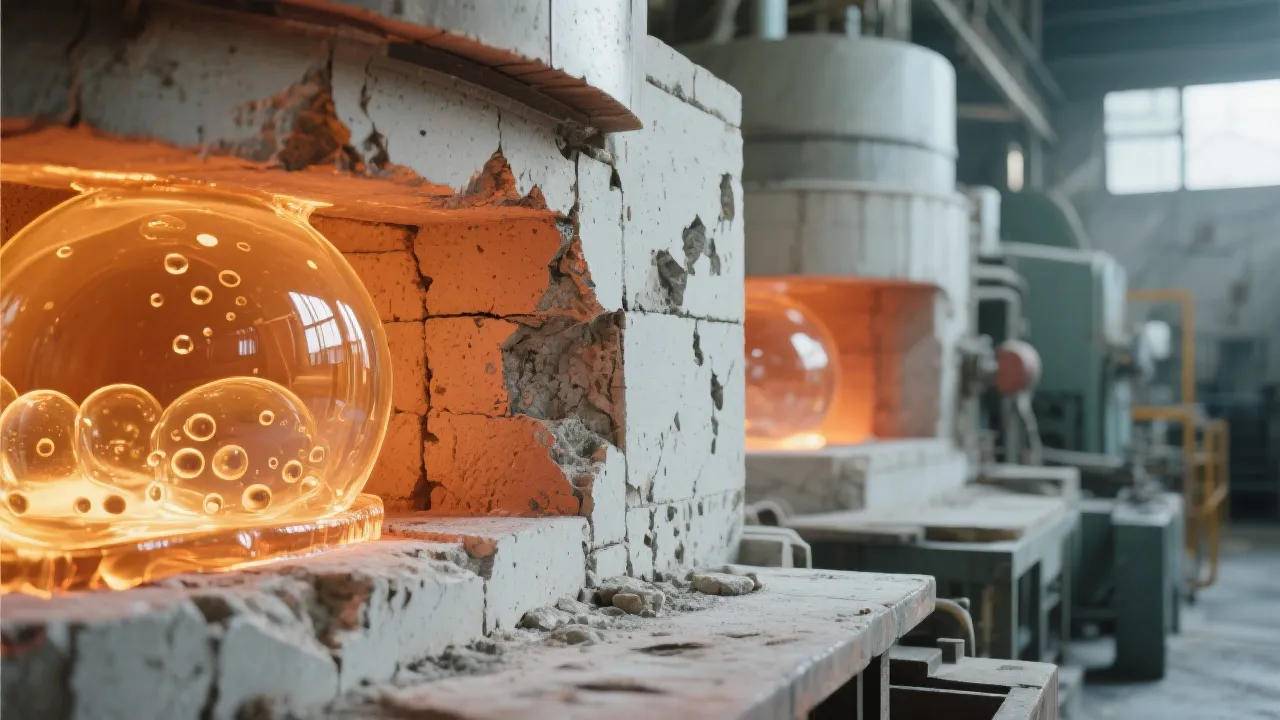
In the fiercely competitive glass manufacturing industry, operational efficiency and cost control remain paramount. Production lines regularly confront severe challenges such as thermal shock damage and corrosion from molten glass, which negatively impact equipment durability and maintenance overheads. As a response to these issues, mullite-shaped products have emerged as vital components improving performance and extending the lifecycle of glass production equipment.
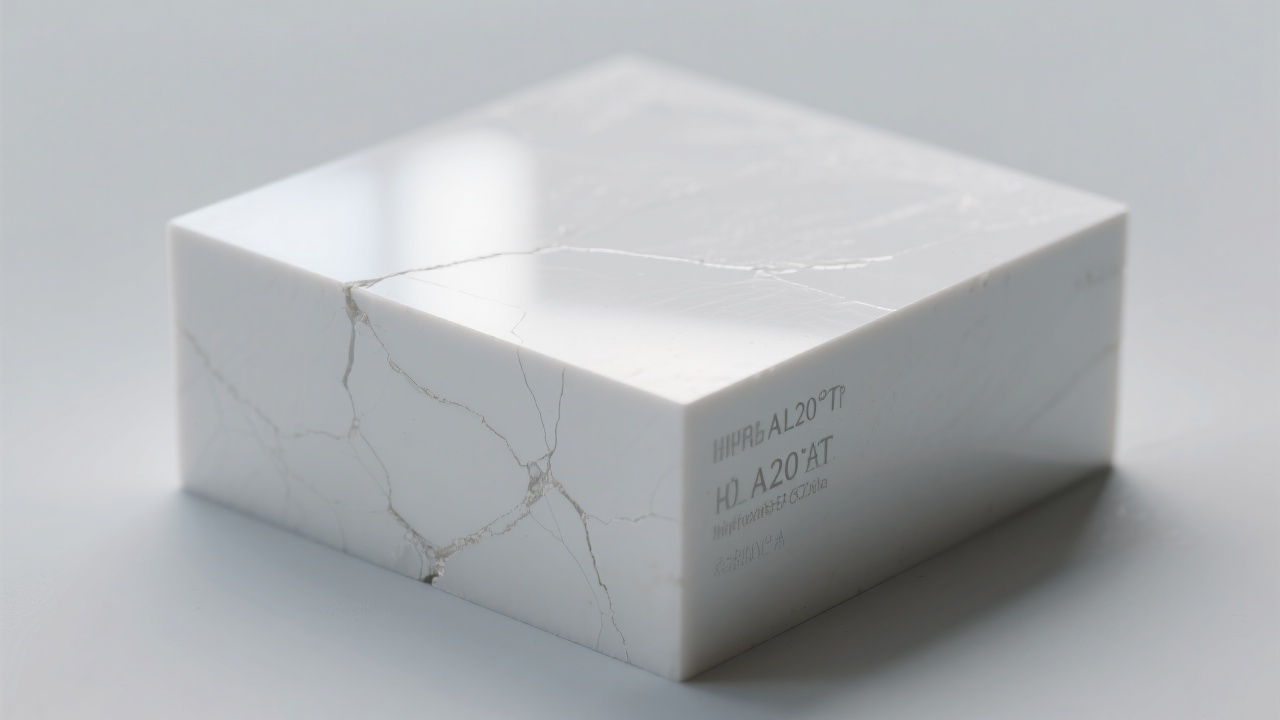
Mullite, known chemically as 3Al2O3·2SiO2, offers outstanding thermal stability, making it highly resistant to thermal shock–a feature crucial for furnace linings and glass-contact components. Its resistance to molten glass corrosion dramatically surpasses traditional fireclay and silica bricks by approximately 30-40%, according to industrial benchmarks. This superior durability translates into less frequent stoppages and reduced replacement costs, significantly enhancing production continuity.
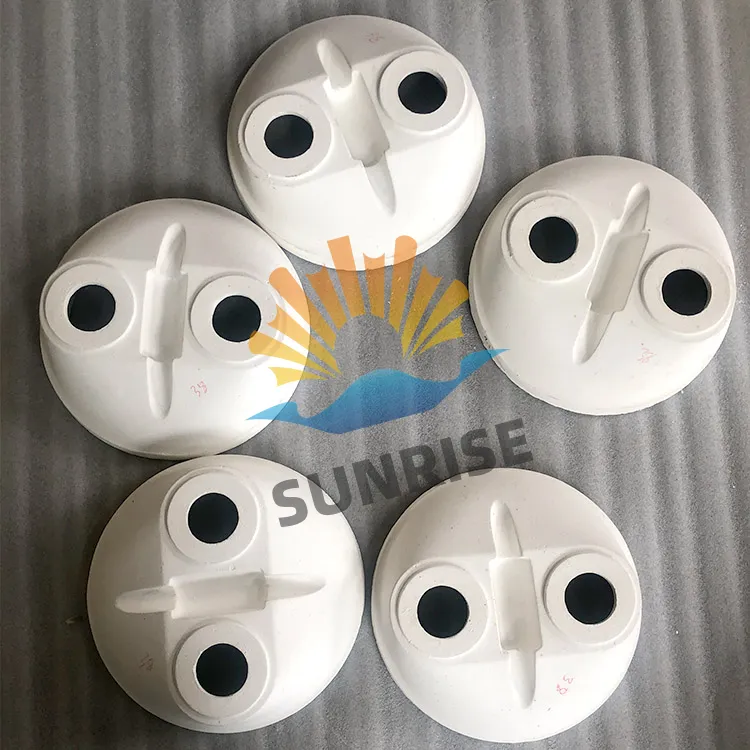
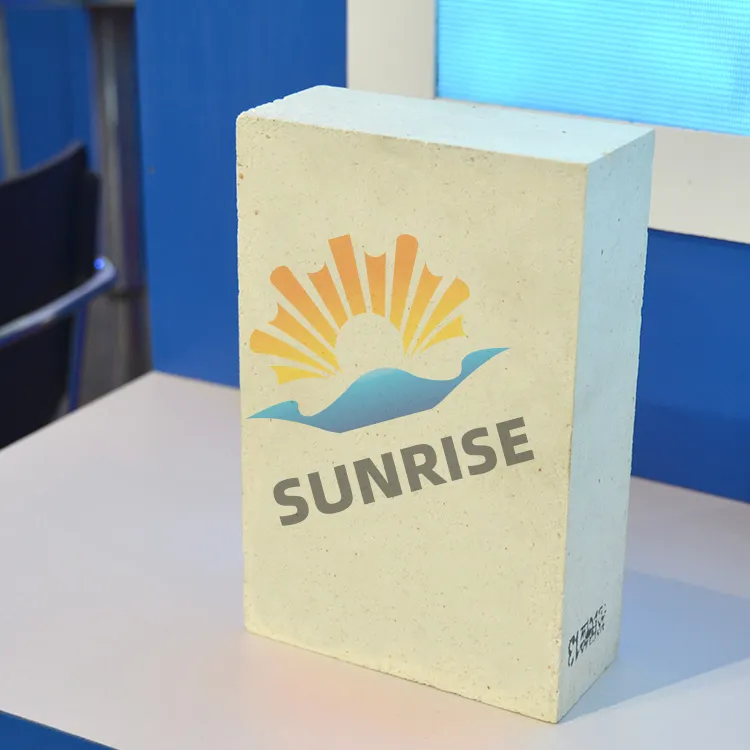
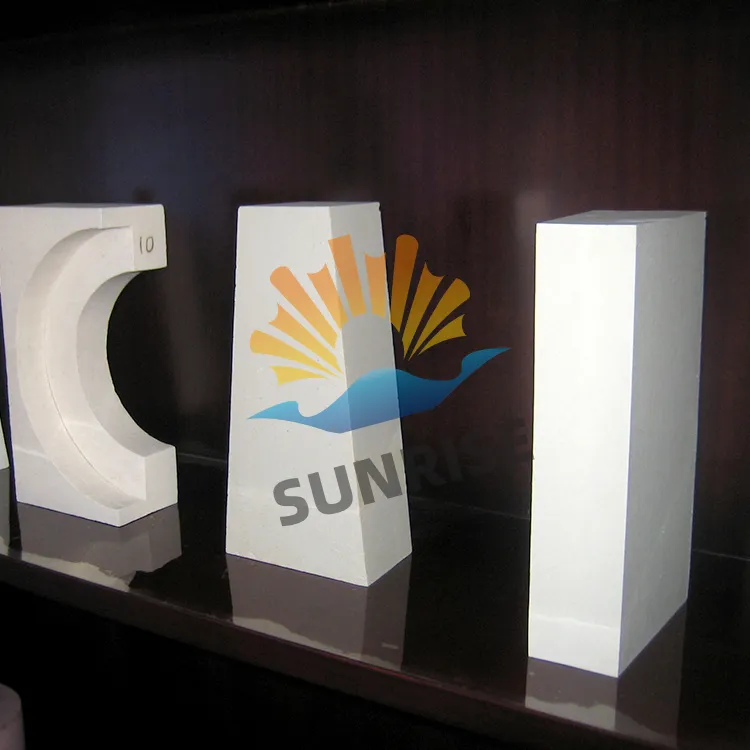
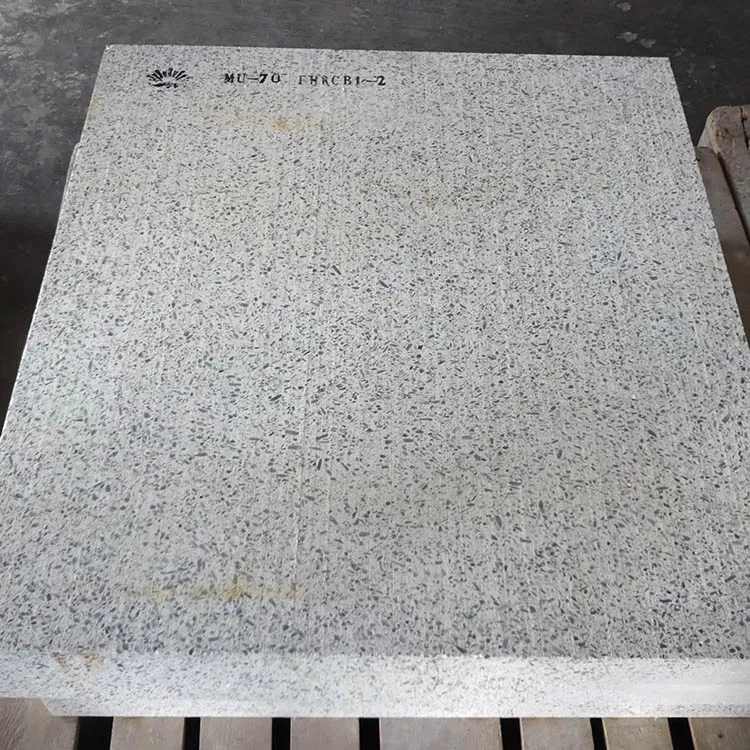
Mullite shaped products encompass various critical items such as nozzles, nozzle rings, stirrers, stoppers, pipes, and nozzle caps. Each product form is optimized for specific furnace areas exposed to intense thermal and mechanical stress. For example, nozzles must maintain precise geometry to ensure accurate glass flow while resisting erosion. Similarly, stirrers crafted from mullite exhibit enhanced wear resistance during continuous agitation, reducing downtime linked to equipment failure.

A leading European glass producer recently integrated mullite shaped bricks into their furnace nozzles and stoppers, reporting over a 25% reduction in unscheduled maintenance events within the first 12 months. This improvement effectively increased furnace uptime by 8%, directly boosting overall glass output without additional capital investment. Moreover, thermal imaging studies confirm these components maintain structural integrity under fluctuating high temperatures up to 1700°C, a critical factor ensuring consistent glass quality.
The adoption of mullite shaped products yields measurable benefits:
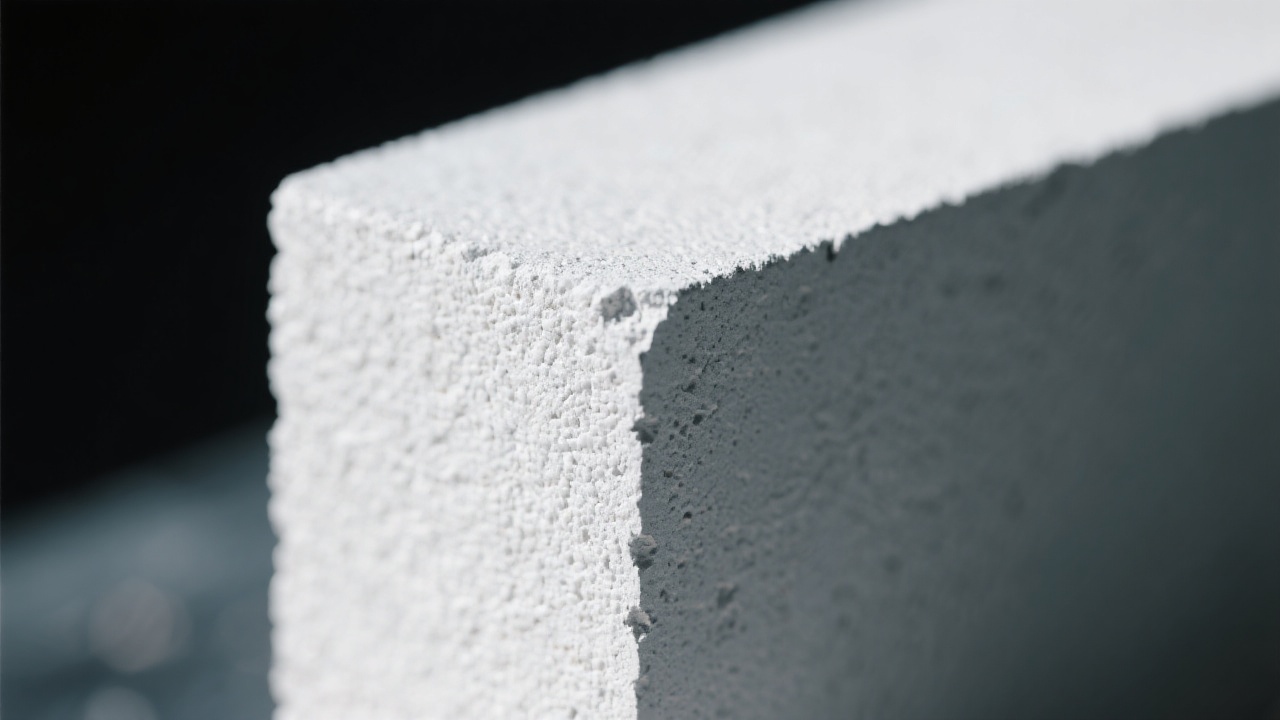
Decision-makers should benchmark mullite shaped units not merely on upfront material costs but on their total lifecycle value contribution. Key assessment parameters include thermal shock resistance (measured by the coefficient of thermal expansion), chemical resistance ratings, and compatibility with existing furnace configurations. Integrating mullite components aids in aligning operational goals with cost efficiency and sustainability objectives.


.jpg?x-oss-process=image/resize,h_1000,m_lfit/format,webp)
 <#else>


