
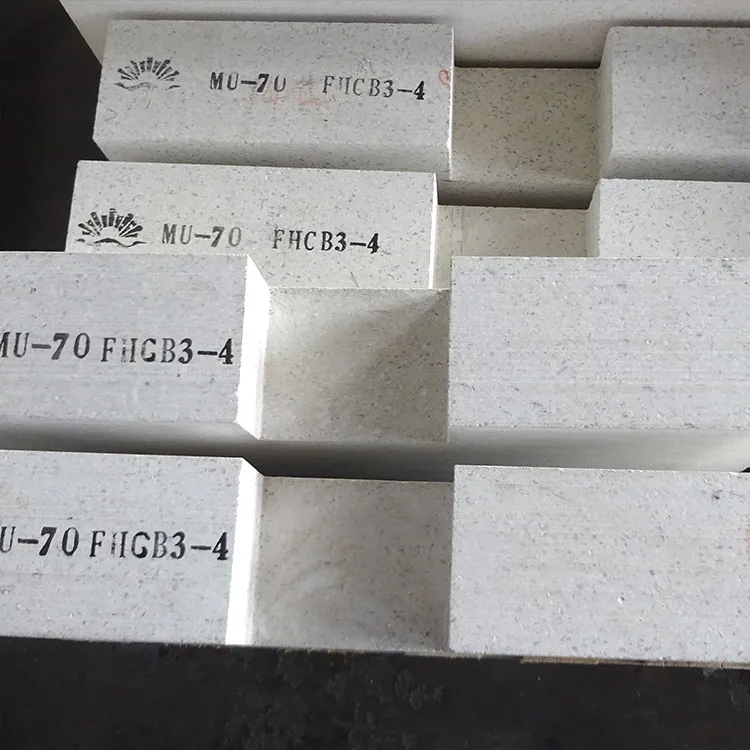
In the high-temperature industrial landscape where every degree matters and material performance can make or break operational efficiency, one refractory solution stands out for its exceptional thermal stability and durability. Let's explore why mullite bricks have become the cornerstone of reliable high-temperature operations across industries worldwide.
Mullite bricks represent a class of high-alumina refractory products characterized by their primary crystalline phase of mullite (3Al₂O₃·2SiO₂). This unique mineral composition grants them remarkable properties that make them indispensable in environments where temperatures regularly exceed 1500°C. What truly distinguishes mullite bricks from other refractory materials is their ability to maintain structural integrity under extreme thermal stress, a quality that directly translates to extended equipment lifespan and reduced maintenance costs.
Industry Insight:
According to refractory industry research, facilities utilizing high-quality mullite bricks report an average 30% increase in lining service life compared to standard high-alumina refractories, significantly reducing downtime and replacement costs.
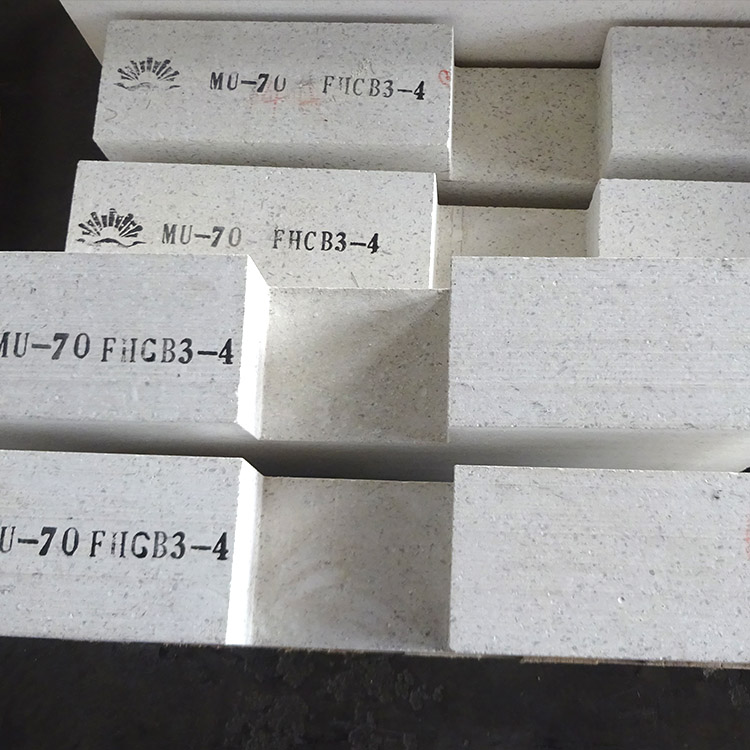
The mullite brick family comprises two primary types, each engineered to excel in specific operational conditions:
Manufactured through the high-temperature firing (exceeding 1600°C) of carefully selected raw materials including synthetic mullite clinker and high-alumina bauxite, sintered mullite bricks offer an optimal balance of thermal shock resistance and mechanical strength. Their uniform structure makes them ideal for applications with cyclic temperature variations, such as glass furnace regenerators and ceramic kiln linings.
Produced by melting raw materials in electric arc furnaces at temperatures above 2000°C, fused mullite bricks feature a unique crystalline structure that provides superior corrosion resistance and high-temperature strength. These premium bricks are the material of choice for extreme environments like steel ladles, non-ferrous metallurgical furnaces, and incinerators handling aggressive slags.
| Property | Sintered Mullite | Fused Mullite |
|---|---|---|
| Max Service Temperature | 1600-1700°C | 1750-1850°C |
| Thermal Shock Resistance | Excellent | Good |
| Corrosion Resistance | Good | Excellent |
| Appropriate Applications | Kilns, regenerators, ceramic industry | Steel ladles, slag lines, incinerators |
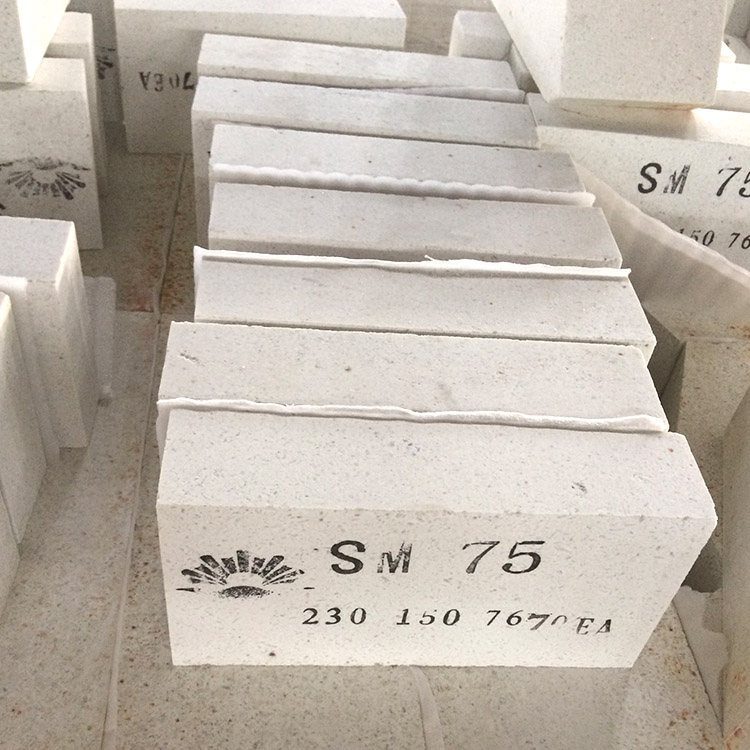
The superior performance of Sunrise mullite bricks begins with meticulous raw material selection and advanced manufacturing processes. Our sintered mullite bricks start with high-purity synthetic mullite clinker and carefully graded high-alumina bauxite, ensuring consistent chemical composition and optimal grain size distribution.
These premium raw materials undergo precise batching, thorough mixing, and high-pressure成型 (typically 150-200 MPa) to create dense, uniform green bodies. The critical firing process takes place in state-of-the-art tunnel kilns where temperatures are carefully controlled to exceed 1600°C, promoting complete sintering and the formation of the desired mullite crystal structure.
"The 1600°C+ firing temperature isn't just a number—it's the critical threshold where the mullite crystals form their strongest interlocking structure, directly contributing to the brick's exceptional thermal stability and load-bearing capacity at high temperatures."
With a service temperature range of 1600-1850°C depending on type, mullite bricks outperform many other refractory materials. Their low thermal conductivity (typically 1.5-2.5 W/m·K at 1000°C) helps maintain stable furnace temperatures while reducing heat loss, directly improving energy efficiency.
Mullite bricks exhibit excellent resistance to thermal cycling, with a water quenching test survival rate of over 30 cycles (according to GB/T 2988 standard). This property is crucial in industries like glass manufacturing and ceramic firing, where temperature fluctuations are common.
At 1400°C under 0.2 MPa load, high-quality mullite bricks demonstrate creep rates below 0.1% per hour, ensuring dimensional stability even under prolonged high-temperature conditions. This characteristic is vital for maintaining furnace integrity and alignment over extended service periods.
The dense mullite structure resists penetration and corrosion by acidic slags, alkalis, and molten metals. In chemical industry applications, this resistance translates to longer service life and reduced contamination risks for processed materials.
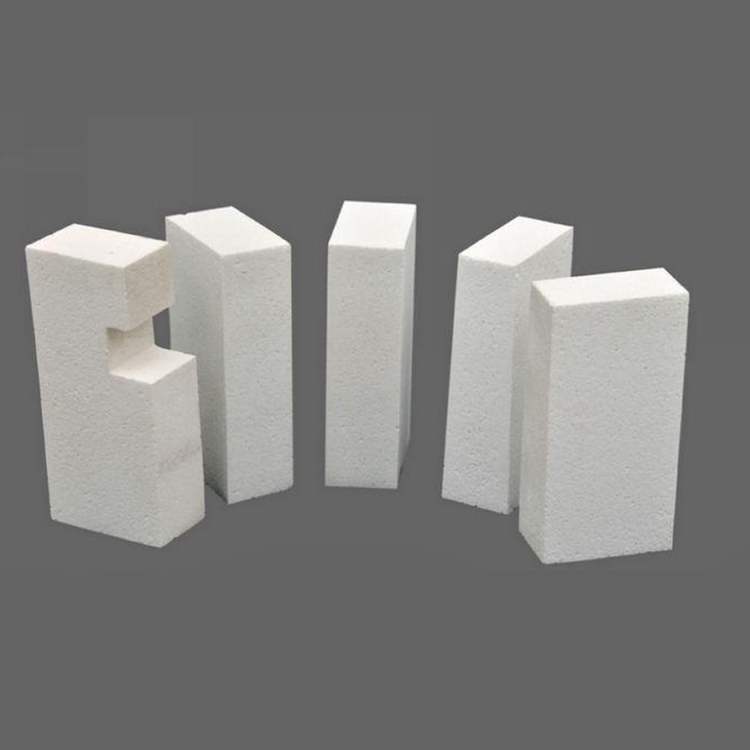
Choosing the right refractory solution directly impacts your bottom line through extended equipment life, reduced downtime, and improved energy efficiency.
Get Your Custom Mullite Brick Solution from SunriseOur refractory experts are ready to analyze your specific operating conditions and recommend the optimal mullite brick solution for your application.
Every industrial furnace operator faces unique challenges—from temperature profiles and chemical environments to production schedules and maintenance requirements. What makes your application distinct? Are you experiencing issues with current refractory materials that you've been unable to resolve? Share your thoughts and questions below; our team of refractory specialists regularly monitors these discussions and provides insights to help optimize your high-temperature operations.


.jpg?x-oss-process=image/resize,h_1000,m_lfit/format,webp)




.jpg?x-oss-process=image/resize,h_1000,m_lfit/format,webp)


