What Is Mullite Brick? Exploring the Performance Leader in High-Alumina Refractory Materials
30 01,2026
Technical knowledge
What exactly is mullite brick, and why is it considered the performance leader among high-alumina refractory materials? This article delves into the definition, classification, and core manufacturing processes—particularly how sintered mullite brick achieves exceptional thermal stability and structural integrity through optimized raw material blending, high-pressure forming, and firing at over 1600°C. Gain clear insights into its technical advantages to make informed decisions for industrial furnace applications.
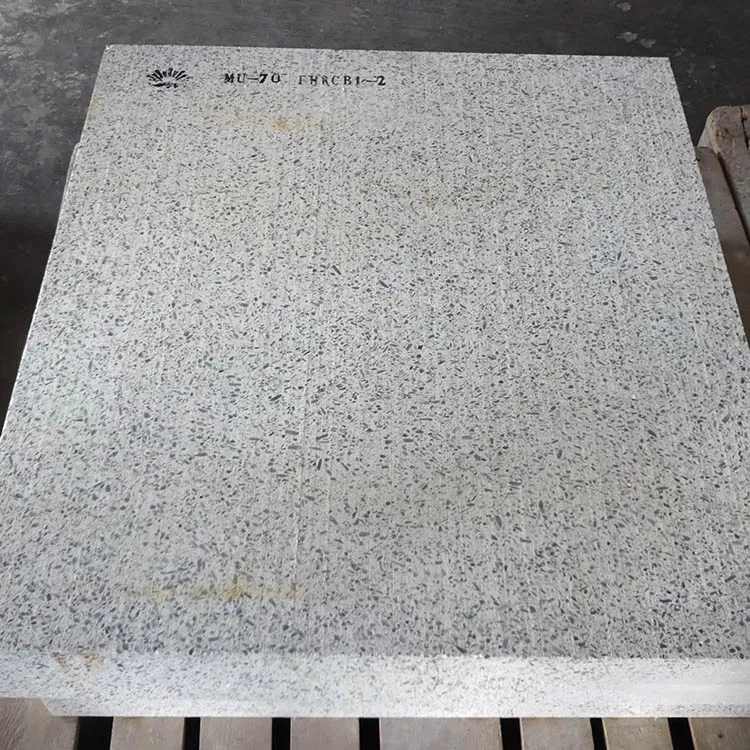
What Is Mullite Brick? The Performance Leader in High-Alumina Refractories
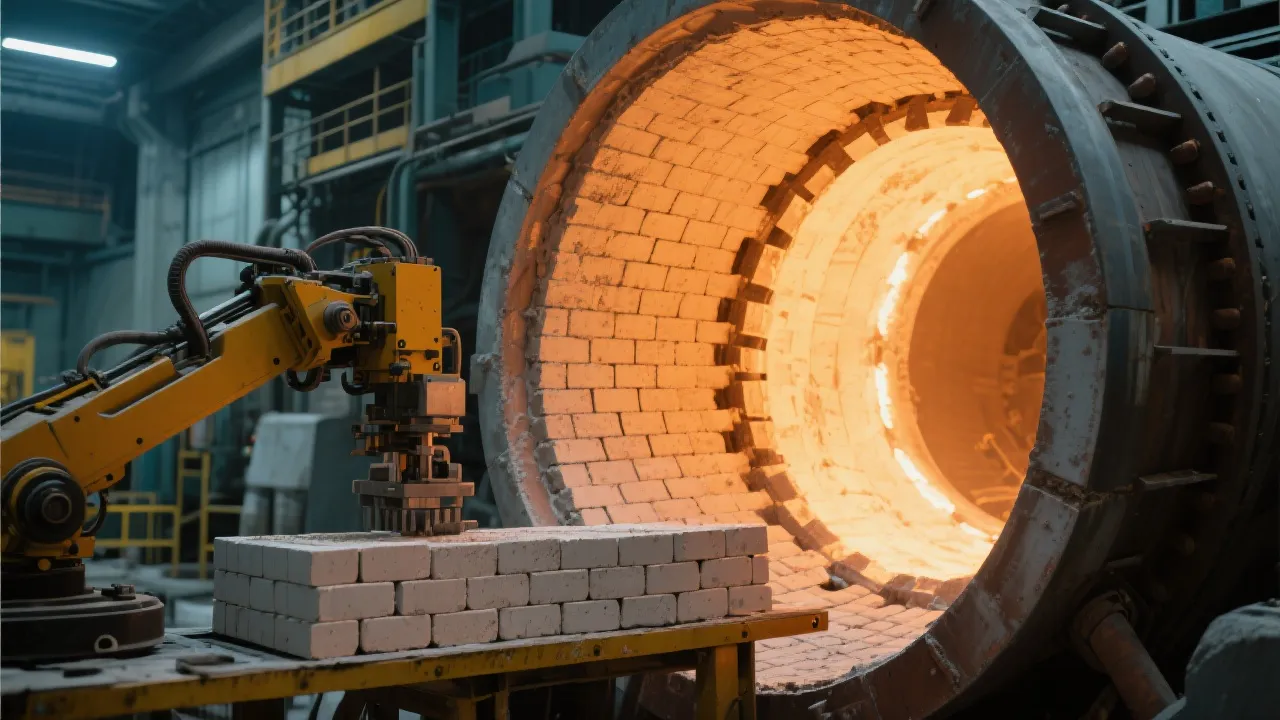
For industrial kilns, furnaces, and thermal processing systems, refractory materials must withstand extreme temperatures, mechanical stress, and chemical exposure—often for years without failure. Among these, mullite brick stands out as a high-performance solution, especially within the high-alumina refractory category. Why is it considered the "performance king"? Let’s dive into its science, production methods, and real-world advantages.
Two Types, One Superior Material: Sintered vs. Fused Mullite Bricks
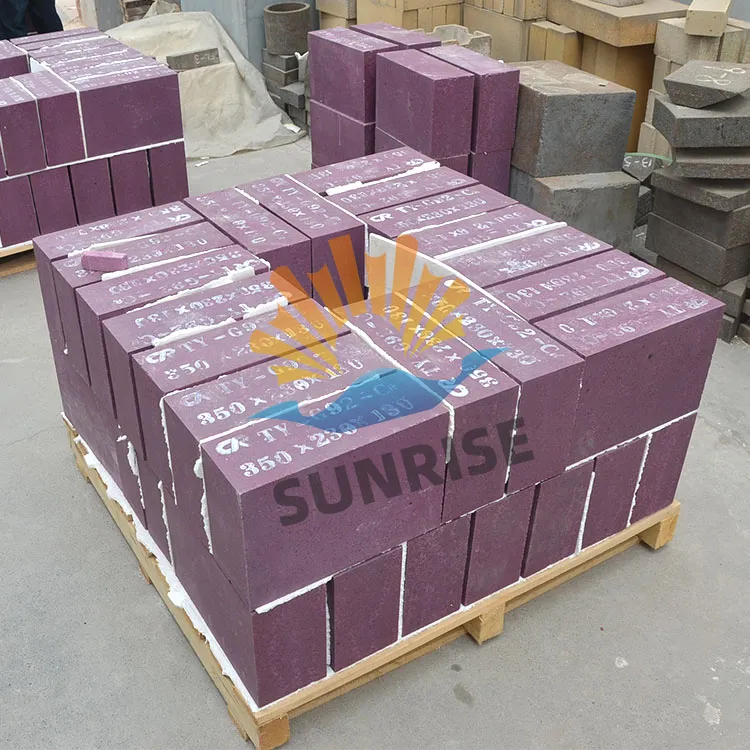
Mullite bricks are typically categorized into two types: sintered mullite and fused mullite. While both offer excellent thermal stability, their manufacturing processes differ significantly:
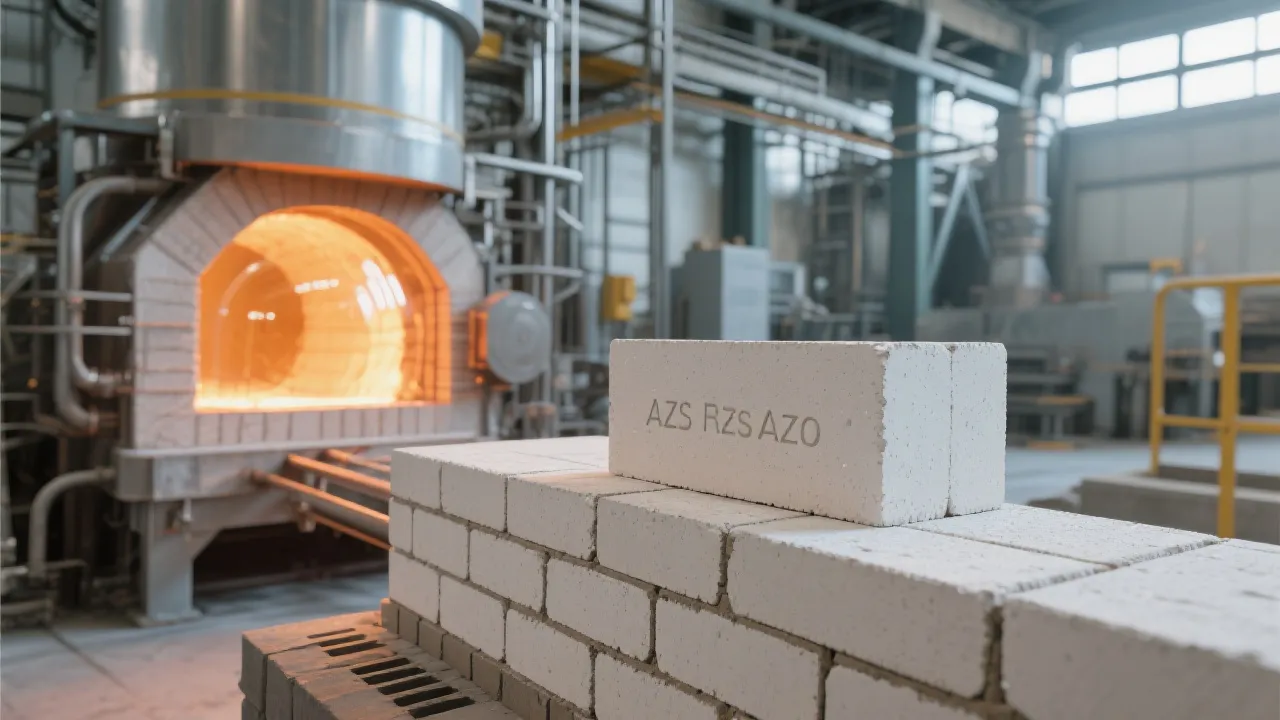
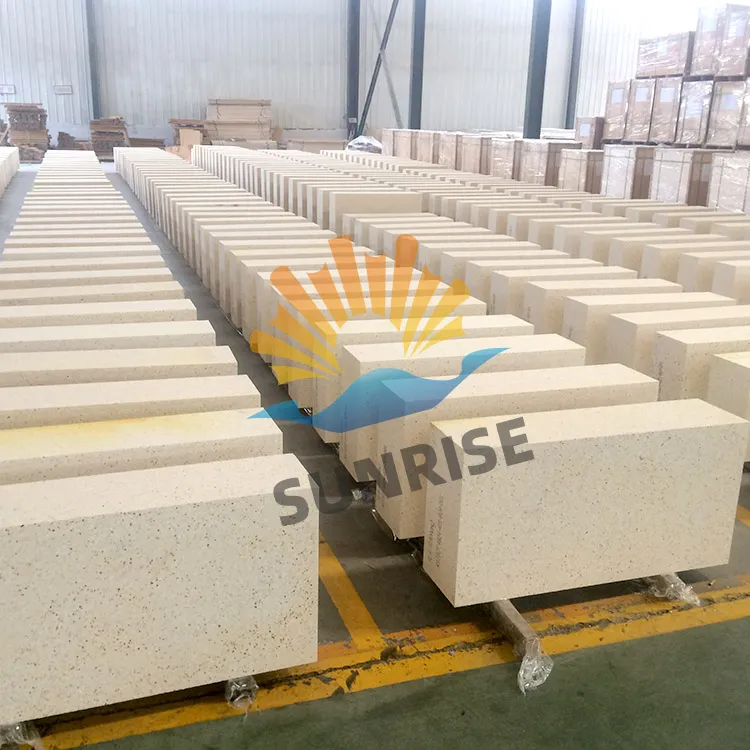
- Sintered mullite: Produced by mixing calcined alumina and silica, pressing at high pressure (≥150 MPa), then firing at 1600°C–1700°C. This method yields dense, low-porosity bricks ideal for continuous kiln linings.
- Fused mullite: Made from raw materials melted in an electric arc furnace (~2000°C), cooled rapidly to form a glassy phase that crystallizes during slow cooling. These bricks have superior resistance to thermal shock but come at higher cost.
According to GB/T 2948-2019 (China National Standard for Refractories), sintered mullite bricks with ≥75% Al₂O₃ content and bulk density >2.7 g/cm³ are classified as premium-grade for steelmaking and cement industries.
Why Sintered Mullite Reigns Supreme in Industrial Applications
The key to sintered mullite's dominance lies in three stages: raw material selection, forming, and high-temperature sintering.
First, precise ratios of calcined alumina (Al₂O₃ ≥ 95%) and quartz (SiO₂) ensure optimal mullite phase formation (3Al₂O₃·2SiO₂). Second, hydraulic press molding at 150–200 MPa ensures uniform green density—critical for minimizing cracking during firing. Finally, the sintering process above 1600°C promotes grain growth and pore closure, resulting in a microstructure that resists creep even under prolonged heat exposure.
In practice, sintered mullite bricks used in rotary cement kilns show less than 0.5% linear change after 100 hours at 1450°C—a benchmark set by international standards like ISO 18754.
Key Advantages That Matter to Engineers and Buyers
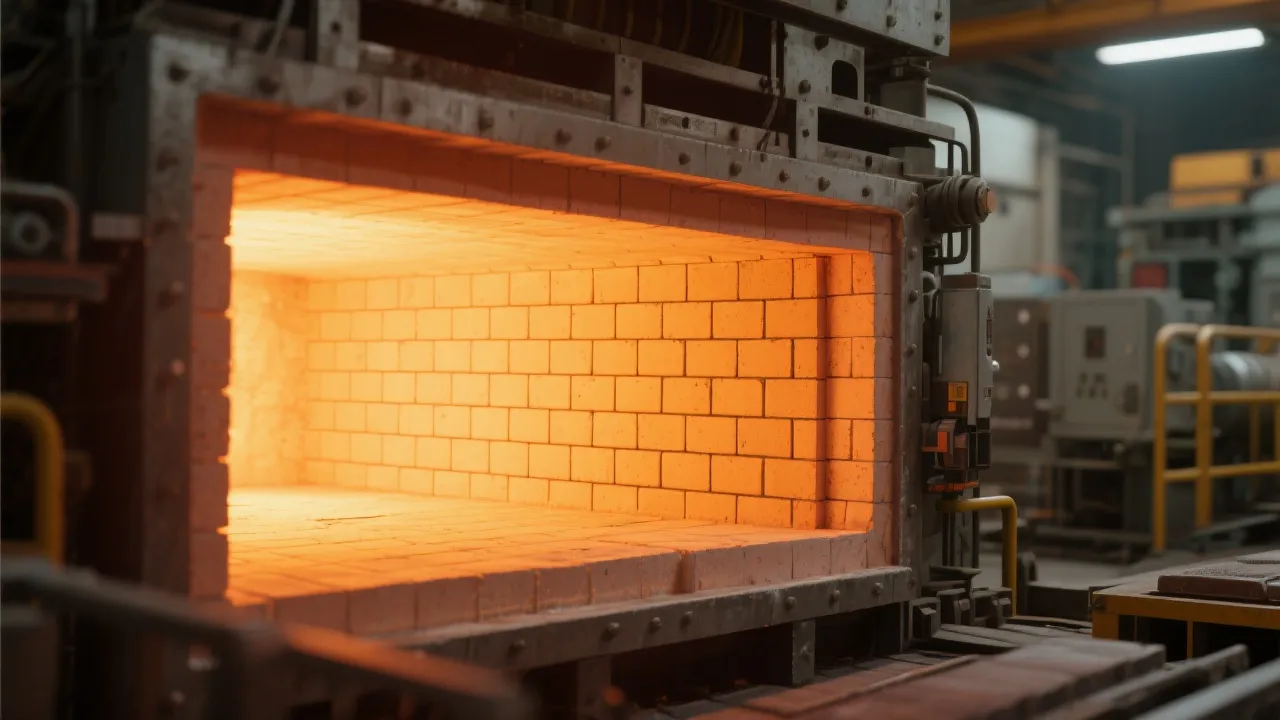
- High thermal stability: Maintains structural integrity up to 1650°C continuously.
- Low thermal expansion coefficient: Only ~4.5 × 10⁻⁶/°C between room temp and 1400°C—reducing crack risk.
- Excellent creep resistance: Less than 1% deformation after 100 hours at 1450°C, per ASTM C133.
- Chemical inertness: Resistant to alkali vapor, slag, and molten metal attack.
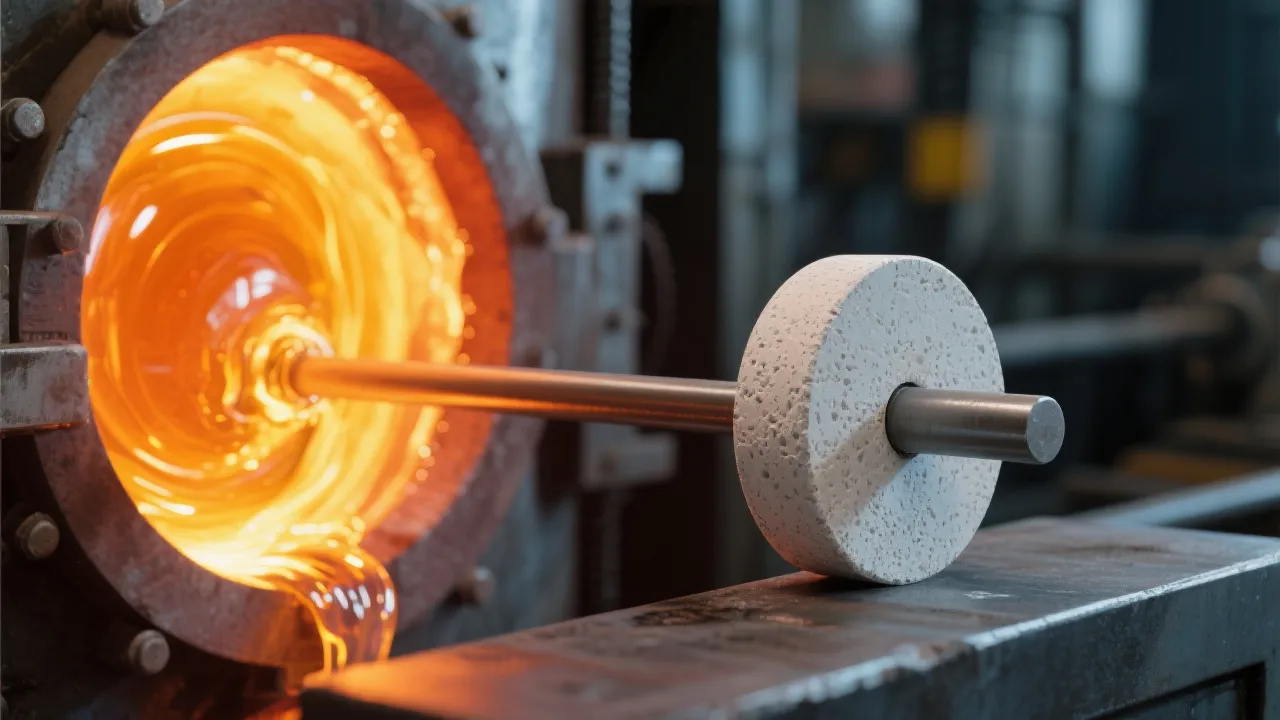
Whether you're managing a glass tank, aluminum reduction cell, or petrochemical reformer, mullite bricks provide long-term reliability where other refractories fail.
Your kiln may be facing temperature fluctuations, structural degradation, or unexplained downtime. Could mullite be the missing link?
Need a reliable refractory partner? We supply custom-engineered sintered mullite bricks compliant with ISO, GB, and ASTM standards — tailored to your furnace type, operating cycle, and budget.
Get Your Free Technical Brochure & Test Report



.jpg?x-oss-process=image/resize,h_1000,m_lfit/format,webp)

.jpg?x-oss-process=image/resize,h_1000,m_lfit/format,webp)